Keoladeo National Park is most famous for the Sarus Crane. WWF officially identifies it as the park's icon species, and for good reason: this is one of the best places in India to reliably watch the world's tallest flying bird wade through shallow wetlands, call loudly at dawn, and display the pair-bonding behavior that has made it a cultural symbol across northern India for centuries.
Keoladeo National Park Famous for Which Bird and How to See It

Marcus Chen
29 Apr 2026
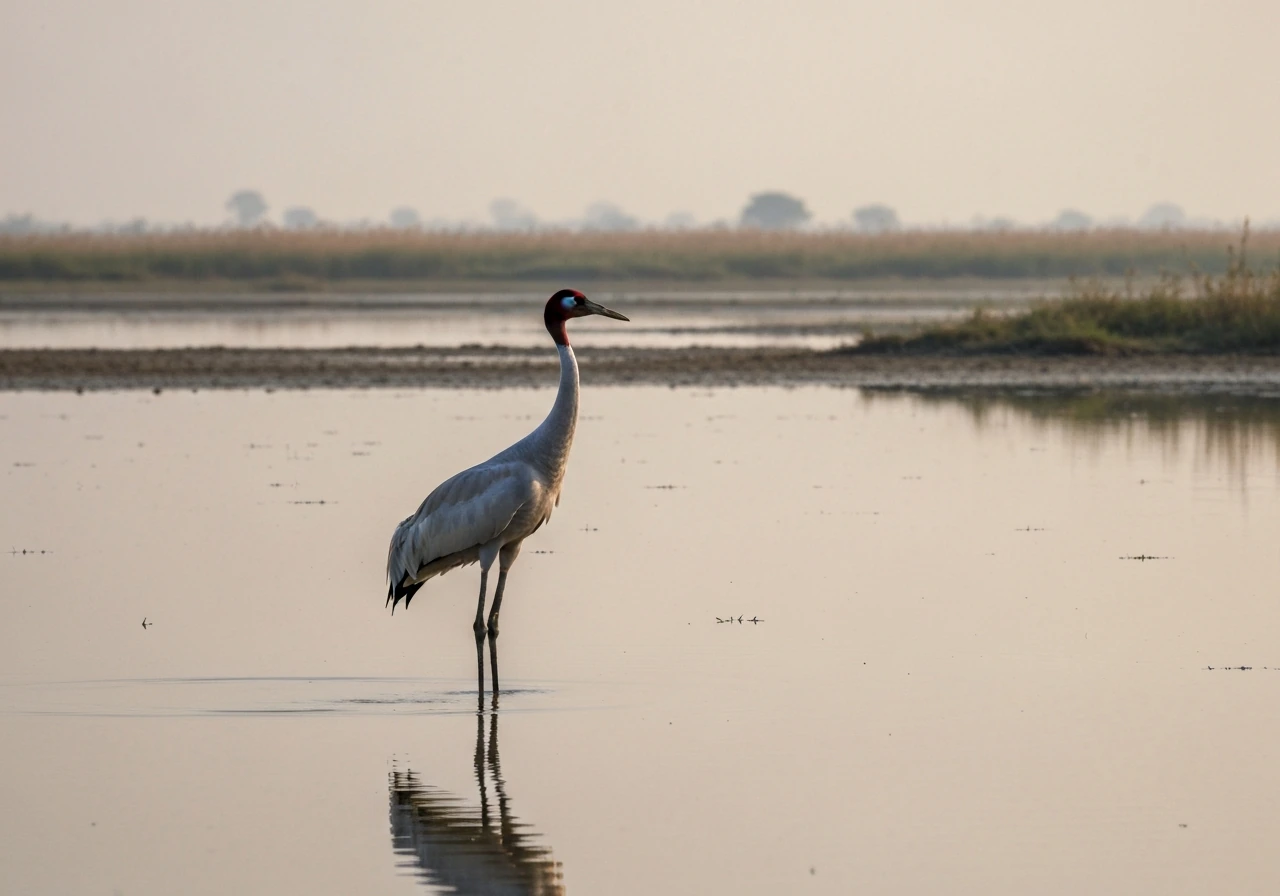
The bird Keoladeo is built around
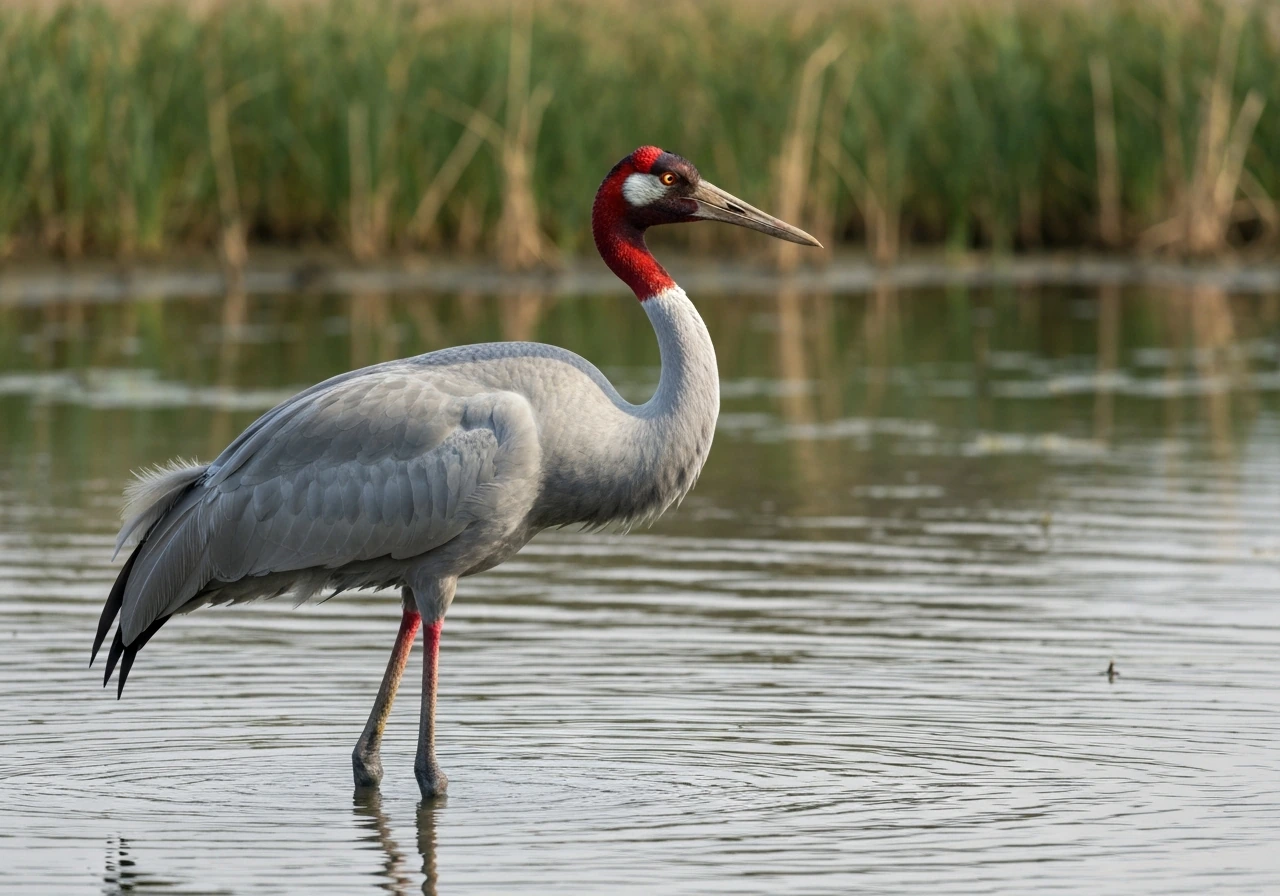
The Sarus Crane (Grus antigone) is a massive, grey-bodied bird with a bare red head and a wingspan that can reach around 240 cm. Unlike many of the waterbirds that descend on Keoladeo seasonally, the Sarus Crane is a resident, non-migratory species. Pairs hold year-round territories and breed during the Indian monsoon, roughly July through October, with peak nesting recorded in late August and the first two weeks of September. That means you can see Sarus Cranes here in any month, which is not something you can say about most of the park's headline birds.
Numbers do shift across the year. Surveys have recorded over 400 Sarus Cranes at Keoladeo during summer, dropping to around 20 during peak monsoon when water levels rise and foraging habitat changes. The sweet spot for large congregations is the dry, post-monsoon period from October through February, when water recedes to the shallow depths Sarus Cranes prefer for wading and feeding.
Where to find them inside the park
Keoladeo is a managed wetland fed by the Ajan Bandh reservoir and supplemented by pumped water, so water levels across the park's marshes and meadows are actively controlled. Sarus Cranes concentrate at the shallow-water edges where they can wade and forage comfortably. The area near the Salim Ali Visitor Interpretation Centre at the park entrance is one of the most reliably productive spots, partly because the habitat there suits them and partly because the centre itself gives you a good orientation before heading deeper into the trails.
Inside the park, internal wetland zones surrounded by scrub woodland and open grassland are your target. The park's well-maintained paths allow access by foot or bicycle rickshaw, and because Sarus Cranes are large and vocal, you rarely need to go deep or off-track to find them. The shallow marsh edges along the main internal routes are where most visitor sightings happen.
What makes watching them here special
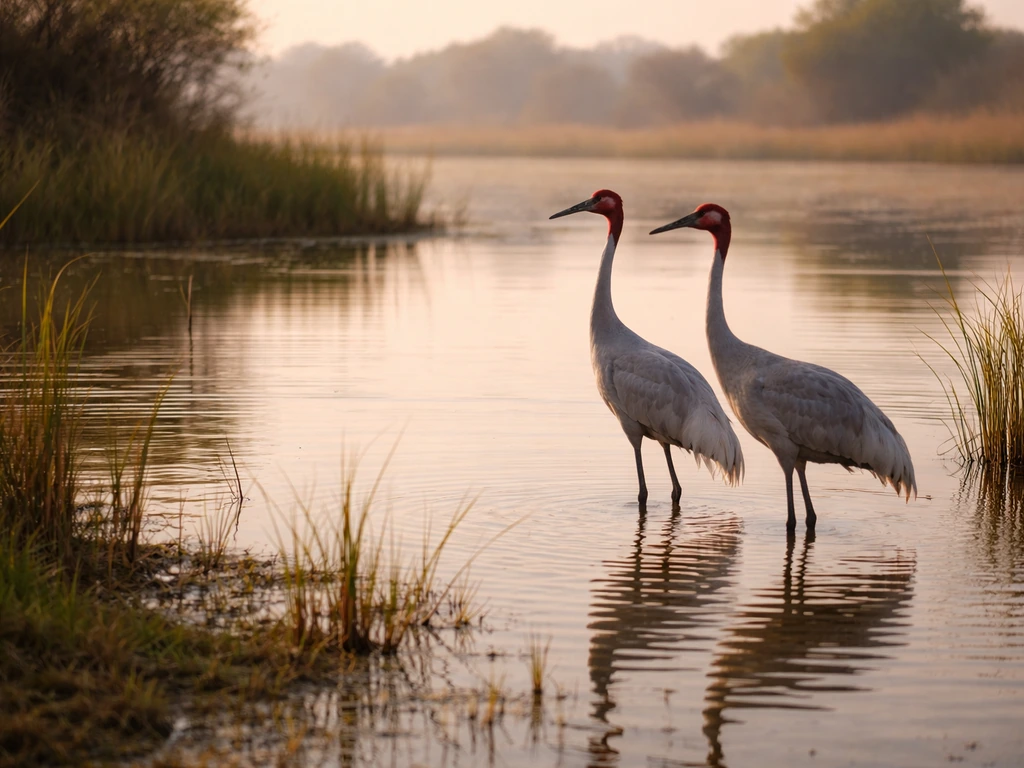
The Sarus Crane's call is one of the most distinctive sounds in Indian wetlands. It produces a loud, trumpeting 'kar-kar-kar' that carries over long distances, and the best time to hear and see them active is early morning and late evening. Arriving at the park gates right at opening time gives you the best light and the loudest birds.
What sets Keoladeo apart is the frequency of close, unobstructed views. Because the park is compact (about 29 sq km) and the terrain is flat and open around the wetlands, you can watch pairs foraging, preening, and interacting at comfortable distances. If you visit between October and February, you may also catch courtship displays, which involve synchronized calling and dramatic wing-spreading that the two birds perform together.
Other birds you'll almost certainly see on the same visit
The Sarus Crane is the headline, but Keoladeo's wetland mosaic supports an extraordinary range of species. WWF India lists the Sarus Crane (Antigone antigone) as a priority and threatened species and provides a species profile for it priority/threatened species. The park's official important bird list includes several species that will be visible on almost any visit during the right season.
- Painted Stork: large, salmon-winged stork that nests colonially in the park's trees, often visible in large numbers from October to February
- Asian Openbill Stork: identified by the distinctive gap in its bill, commonly seen foraging in shallow water alongside Sarus Cranes
- Grey Heron and Purple Heron: both are year-round residents, easy to spot standing motionless at water edges
- Indian Cormorant and Little Cormorant: often seen drying wings on dead branches above the water
- Spot-billed Pelican: large, social feeder that appears in good numbers during winter months
- Various ducks: Spot-billed Duck is resident, while Northern Pintail, Common Teal, and Gadwall arrive as winter migrants from October onward
- Indian Eagle-Owl and Spotted Owlet: woodland edges at dusk reward patient birders looking for raptors
The park has recorded over 370 bird species in total, so even a half-day visit in peak season can produce 60 to 100 species without much effort. Think of the Sarus Crane as your anchor species and let the wetland reveal everything else around it.
Practical tips for your birding visit
Best time to visit
October through February is the peak window. Winter migrants are present, Sarus Crane numbers are at their highest, and water levels are at the productive shallow stage. November and December are ideal if you want the full combination of cranes, storks, and ducks in one visit. Avoid the monsoon months (July to September) for birding: water levels peak, bird visibility drops, and access to some areas is restricted.
Getting around
Hire a trained local guide from the Salim Ali Visitor Interpretation Centre at the entrance. Guides travel with visitors by bicycle rickshaw along the internal paths and know exactly where water levels are productive on any given day. This is genuinely the most efficient way to cover the park, and it keeps motor traffic out of sensitive habitat. The guides' local knowledge about crane locations shifts week to week as water management changes.
What to bring
- Binoculars: 8x42 is the standard recommendation for wetland birding; wide field of view helps in open marsh terrain
- A field guide to Indian birds or a birding app with Indian species: Sarus Cranes are unmistakable, but you'll want ID help for the ducks and waders
- Arrive at the park gate at opening time (typically 6: 00 AM) to catch morning activity peaks
- Light-coloured, quiet clothing: not essential, but cranes are less alert to neutral tones
- Water and sunscreen: the terrain is flat and exposed, and even a winter morning can turn warm quickly
Entry and access
Keoladeo National Park is located in Bharatpur, Rajasthan, about 55 km from Agra and 180 km from Jaipur. Both cities have good transport connections to Bharatpur. The park entrance and the Salim Ali Visitor Interpretation Centre are in the same location, so it is easy to combine orientation with your first birding circuit.
The Sarus Crane as a cultural symbol
The Sarus Crane carries real cultural weight in India beyond its role as a birding target. It is the official state bird of Uttar Pradesh, the state to the north of Rajasthan, and has been associated with marital fidelity and lifelong pairing in northern Indian culture for generations. Zimbabwe’s national bird is the Southern Ground Hornbill official state bird of Uttar Pradesh.
South Korea does not use the Sarus Crane as a national bird, and the national bird is a different species official state bird of Uttar Pradesh. The birds are famously monogamous and are often seen as a symbol of devotion, which is one reason they have been protected in rural landscapes where they nest in agricultural fields alongside people.
This cultural tolerance is part of why the Sarus Crane has survived in India while other large crane species have struggled elsewhere. In the same way that India's national bird, the Indian Peacock, carries deep roots in Hindu iconography and Mughal art, the Sarus Crane represents a parallel thread of avian symbolism tied to everyday life, rural landscapes, and ideas about partnership.
Its national bird meaning is often tied to how people read its behavior and presence as a sign of identity and shared values. South Africa's national bird is the Blue Crane India's national bird, the Indian Peacock. If you are drawn to the stories behind why birds become symbols for nations and regions, the Sarus Crane is one of the most interesting examples in South Asia.
In South Africa, the national bird meaning is often connected to the country’s identity and national symbolism national bird of south africa meaning. India's approach to birds as national and state symbols is part of a broader global pattern of countries using birds to express identity and values, something explored in depth across the wider world of national bird designation. In Botswana, the national bird is the Blue Crane (or Southern Blue Crane).
At Keoladeo, the Sarus Crane earns its status through presence and spectacle, not just symbolism. Standing nearly 180 cm tall and calling across a still marsh at first light, it is not a bird you easily forget.
FAQ
If I visit in July to September, will I still be able to see Sarus Cranes at Keoladeo?
You may still see them, but monsoon timing is harder because water levels rise, birds forage farther from the easiest paths, and some internal zones can be restricted. If monsoon is your only option, plan an early start and prioritize the shallower edges where cranes concentrate, and confirm access with staff before you go in.
What time of day gives the best chance of seeing Sarus Cranes close up?
Early morning is usually best because the calls start before many visitors are on the trails, and the light helps spot the red head against the wetland backdrop. Late evening can also be productive, but avoid arriving just after opening and then leaving quickly, because cranes often change locations as the water surface shifts.
Where exactly should I focus inside the park if I want fewer sightings but higher quality views?
Aim for the shallow-water edges along main internal routes rather than deeper interior marshes. Starting near the Salim Ali Visitor Interpretation Centre is a practical way to get oriented, then keep your focus on wading habitat close to the path so you do not waste time going deeper than necessary.
Are Sarus Cranes guaranteed at Keoladeo, or can they be missed even in peak season?
They are among the most reliable birds at the park, but they can still be temporarily absent from your specific viewing area due to daily water management changes. If you do not spot them within your first circuit, ask a guide to adjust your route for the current day rather than wandering off established paths.
Do Sarus Cranes feed and call in the same places where visitors stand?
Often the birds come near productive edges, but calling can carry from areas where cranes are not directly visible. Use the direction and intensity of the ‘kar-kar-kar’ calls to guide your line of sight, then look for wading movement near shallow margins rather than scanning only for head-on views.
What should I do if I want to photograph Sarus Cranes without disturbing them?
Stay on paths and do not step onto the wet ground edges. For steadier results, use slower shutter settings when birds are calling and be ready for sudden wing-spreading during courtship, which can change their distance from you quickly.
Is it worth hiring a guide if I only have half a day?
Yes, especially for a short visit, because your main constraint is water-level dependent crane movement. A guide can reroute efficiently by zone based on the current day’s conditions, which usually beats trying to guess locations on your own.
Can I reach the Salim Ali Visitor Interpretation Centre and start birding the same day easily from Agra or Jaipur?
It is typically feasible because the centre is at the park entrance in the same location as the entry point. However, if you want peak light and morning calls, plan timing so you arrive at the gates at opening rather than late morning.
Do Sarus Cranes migrate into Keoladeo in winter, or are they always resident?
They are resident and non-migratory, so you are not relying on a seasonal arrival like you would with many waterbirds. What changes with the seasons is how many cranes gather and how shallow feeding habitat becomes, so winter can feel better mainly because conditions concentrate them closer to accessible edges.
If I am traveling with kids or beginners, how can I enjoy the park without long walks?
Use the compact layout and focus on the shallow marsh edges along the main internal routes. Because cranes are large and vocal, you can often get meaningful sightings without going deep into restricted or farther zones, and a bicycle rickshaw with a local guide can keep the effort manageable.
Next Articles
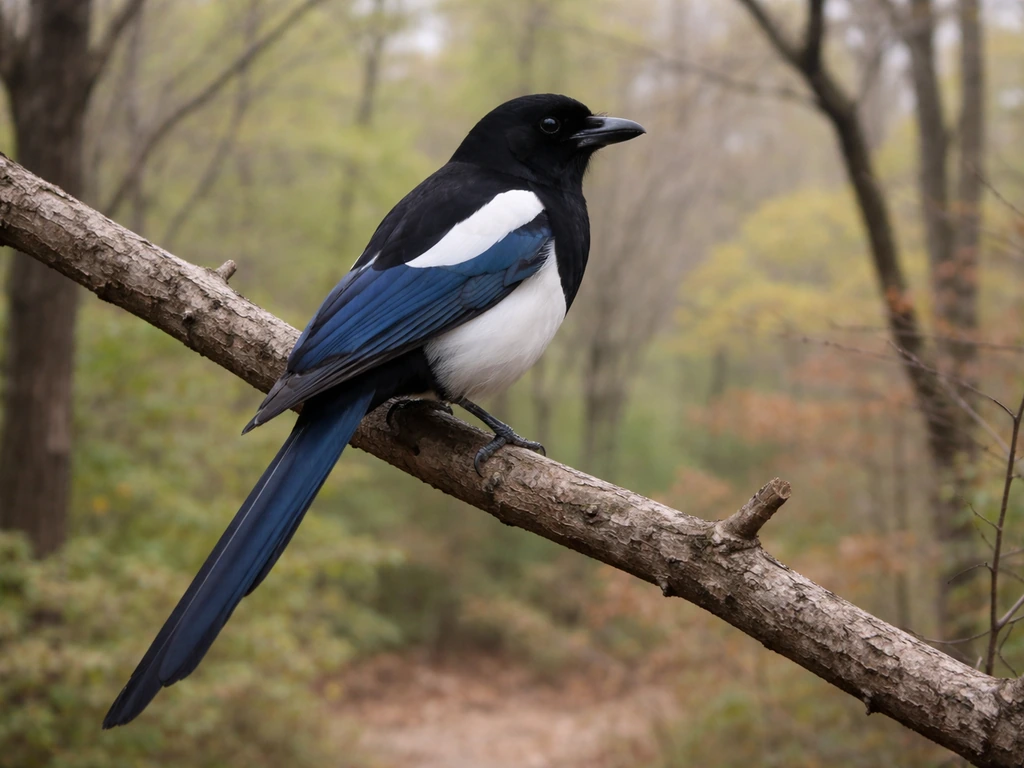
What Is South Korea’s National Bird? Symbolism, Facts
Learn South Korea’s national bird, its symbolism, key identification traits, and how it differs from North Korea’s.
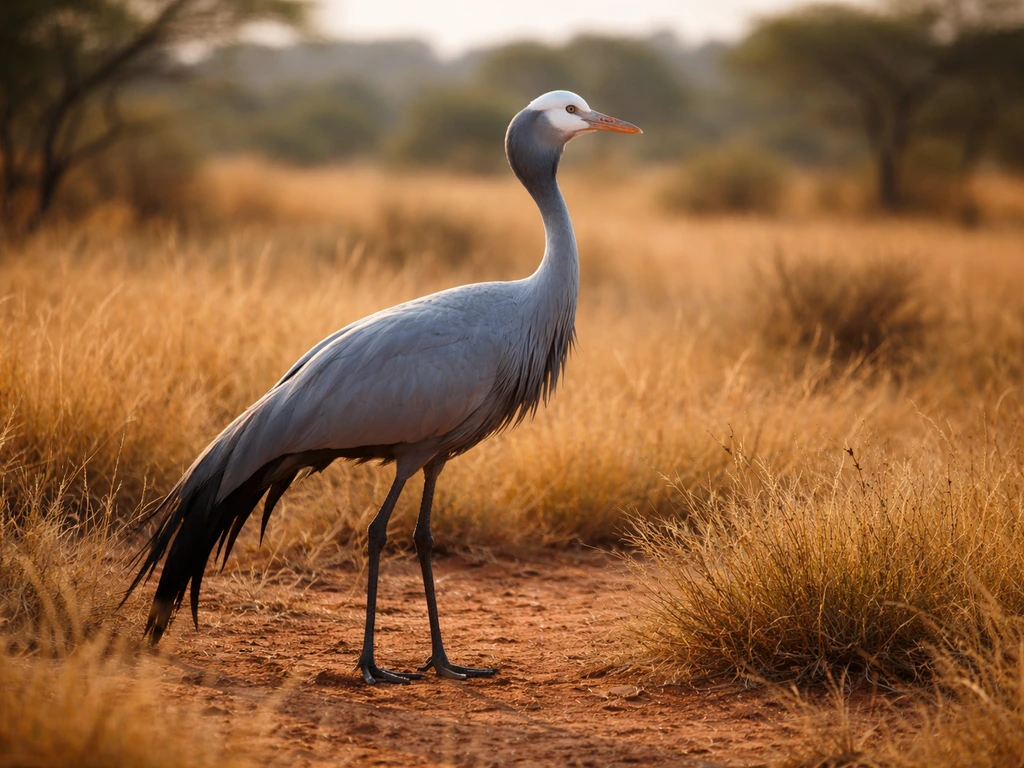
What Is South Africa’s National Bird? Facts and History
Learn what South Africa’s national bird is, why it was chosen, and how to verify the official status.
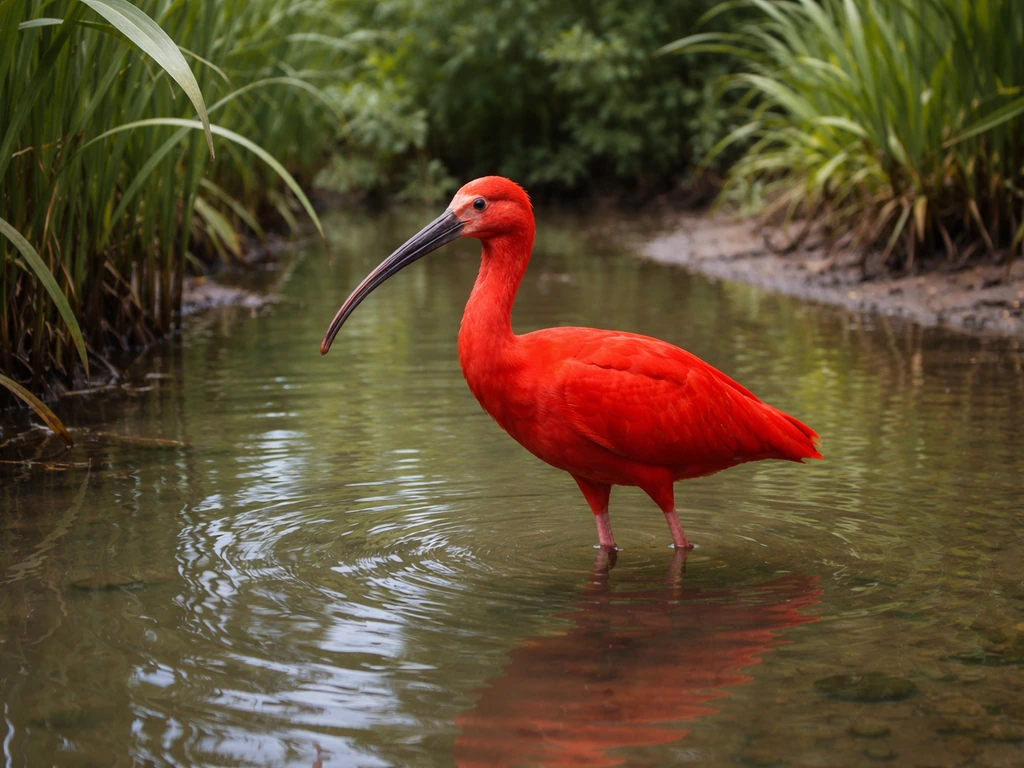
Why Is the Scarlet Ibis the National Bird of Trinidad
Learn why the Scarlet Ibis became Trinidad and Tobago’s national bird, from red symbolism to local habitat and selection