Claim check: did Franklin really want the turkey
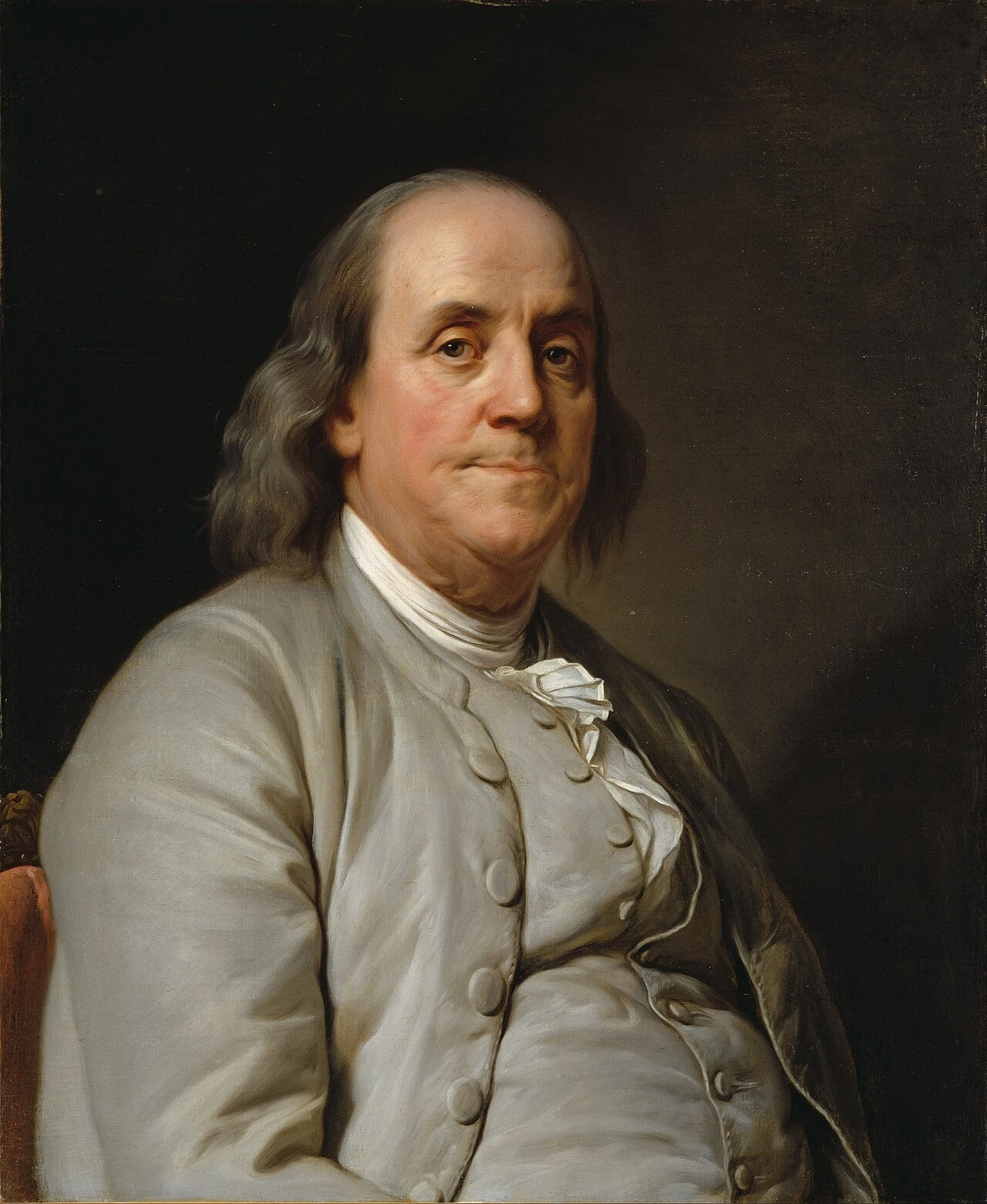
No, Benjamin Franklin did not propose the turkey as the United States' national bird. That claim is false, and it has been debunked by the Franklin Institute, the Library of Congress, and historians who have read his actual letters. The real story is more interesting and more specific than the viral version: Franklin criticized a design on a badge, compared the image in that design to a turkey, and said some complimentary things about turkeys in the process. Somewhere between 1784 and now, that context got stripped away, and a colorful myth was born.
What Franklin actually wrote and where the quote comes from
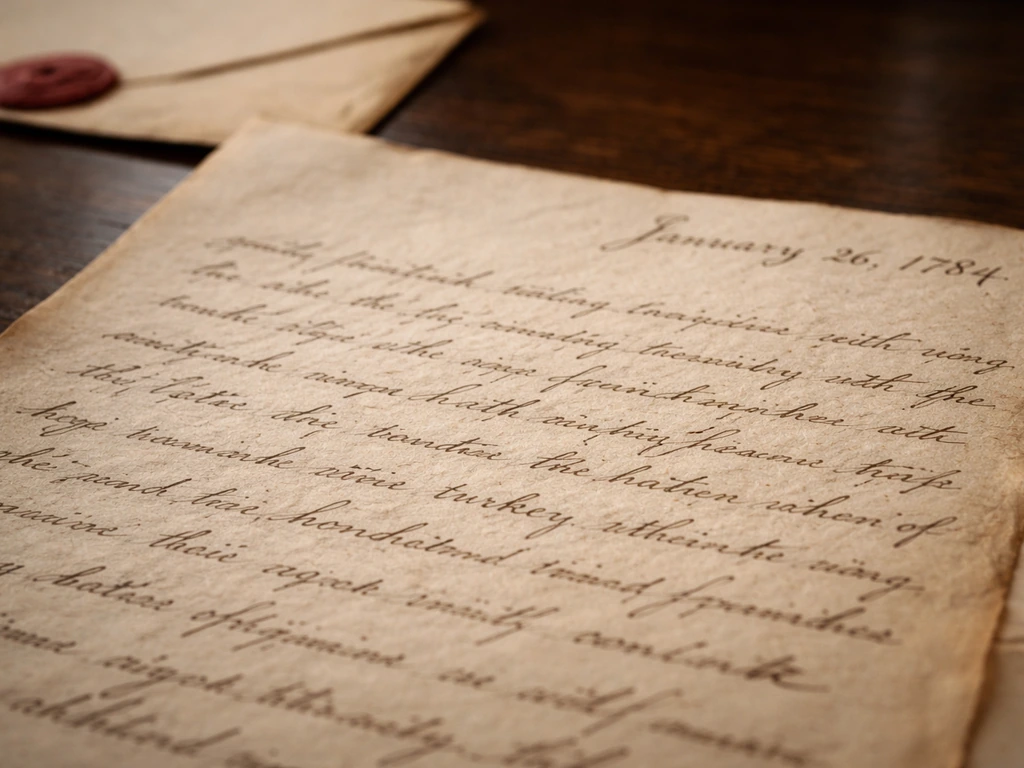
The source is a private letter Franklin wrote to his daughter Sarah Bache on January 26, 1784. Franklin was living in Paris at the time, and the letter covered a range of personal and political topics. One of them was the Society of the Cincinnati, a hereditary organization of former Revolutionary War officers that Franklin disliked. The Society used a bald eagle on its badge, but Franklin thought the engraved eagle looked terrible. He wrote that the image looked more like a turkey than an eagle.
Then, having brought up the turkey, he went on to argue that the turkey was actually the better bird of the two. His exact words, preserved in the Library of Congress and hosted on Founders Online (the National Archives' digital collection of founding-era documents), include: "For in truth, the Turk'y is in comparison a much more respectable Bird, and withal a true original Native of America" and a reference to the turkey as "a bird of courage."
That is the entire basis for the story. The letter was private, it was about a badge design for a private organization, and it was never a formal proposal to make the turkey the national bird. Franklin was venting to his daughter about a group he found politically objectionable. The turkey comparison was a side point inside that complaint.
How the U.S. national bird choice actually happened
Here is something that surprises most people: the bald eagle blank" rel="noopener noreferrer">has never been officially designated as the national bird of the United States by law or executive action. According to a Congressional Research Service report, the bald eagle has appeared on the Great Seal since 1782, and the Bald Eagle Protection Act of 1940 gives it legal protection, but no Congress has ever passed a bill formally naming it the national bird. blank" rel="noopener noreferrer">PBS NewsHour has reported the same thing.
The Great Seal itself was adopted on June 20, 1782, and its central image is a bald eagle. That adoption effectively embedded the eagle in national iconography, but the seal is a government emblem, not a formal bird designation. The "national bird" status is more of a longstanding tradition backed by more than two centuries of consistent use than a legal title. The distinction matters when you are evaluating the Franklin story, because there was never an official selection process for Franklin to have participated in or opposed.
Franklin was not on the Great Seal design committee. The final seal design was developed by Charles Thomson and William Barton and approved by the Continental Congress. Franklin had been on an earlier committee in 1776 that proposed a very different design (his version featured Moses parting the Red Sea), but that design was rejected, and the bald eagle was chosen years later without his direct involvement.
Turkey as a symbol: why it keeps showing up in American culture
Even without Franklin's endorsement, the turkey has a legitimate place in American symbolism. If you are also wondering which turkey came first, the bird or the country, that question is usually about language and naming rather than which animal was “chosen.”. Franklin was right that it is a true native of North America. Wild turkeys were a food source for Indigenous peoples long before European colonization and were one of the few domesticated animals the colonists encountered in the Americas. That history gives the bird genuine cultural weight.
The turkey's association with Thanksgiving is the bigger driver of its symbolic status. By the time Sarah Josepha Hale successfully lobbied President Lincoln to make Thanksgiving a national holiday in 1863, the turkey was already the centerpiece of the feast in popular imagination. That annual ritual cemented the bird as an American icon, even if it was never formally elevated to a national emblem.
This connects to a broader pattern worth knowing if you explore national birds across the world: the birds nations choose, or associate themselves with, are rarely chosen through a single clean decision. If you are curious about other nations too, you can also look up what is the national bird of the world and compare how different countries choose their symbols. They accumulate symbolic status through culture, art, literature, and repeated association over time. The bald eagle's dominance in American iconography followed exactly that pattern, and the turkey's persistent cultural presence is a version of the same thing, just without the official seal.
Comparing sources: primary documents vs. modern retellings
The gap between what Franklin wrote and how the story gets told today is a useful case study in how historical myths spread. Here is a direct comparison of what the primary sources say versus how the claim typically appears online.
| Version | Source type | What it actually says |
|---|
| Franklin wanted the turkey as the national bird | Internet retelling / viral claim | Franklin formally proposed or advocated for the turkey as the national bird |
| Franklin's January 26, 1784 letter to Sarah Bache | Primary source (Library of Congress / Founders Online) | Franklin criticized a badge design for looking like a turkey, then praised the turkey compared to the eagle in that private context |
| Franklin Institute analysis | Institutional fact-check | The story is false; it misreads a private letter about a badge as a proposal for a national symbol |
| Washington Post reporting | Journalism citing primary sources | The myth is a long-circulating misunderstanding based on stripping context from the 1784 letter |
| Congressional Research Service report | Government reference document | The bald eagle has never been officially designated as the national bird; it is a tradition, not a legal designation |
The pattern here is consistent: every source that goes back to the original document reaches the same conclusion. The myth survives because the quote itself is real. Franklin did write those words about the turkey. Lifting the quote without the surrounding context makes it sound like a political argument for the turkey as a symbol, when it was actually a personal complaint about an engraving.
Why the myth spreads so easily
A few things make this particular story sticky. First, it involves a famous founding father saying something surprising and mildly funny. Second, the quote is real, so people who look it up find what looks like confirmation. Third, the framing fits a narrative Americans enjoy: that a quirky alternative history almost happened. None of that makes it true, but it explains why the story keeps circulating without anyone stopping to read the full letter.
The most likely answer and how to verify it today
The short answer: Franklin never proposed the turkey as the national bird. He wrote one private letter in 1784 that praised the turkey over the eagle in a specific, limited context. That letter has been misconstrued ever since. The eagle became the de facto national bird through the Great Seal of 1782, a process Franklin was not part of, and it has never been made official by law.
If you want to verify this yourself, here is exactly how to do it in a few minutes:
- Go to Founders Online at founders.archives.gov and search for "Franklin to Sarah Bache 1784." Read the full letter, not just the turkey paragraph.
- Check the Library of Congress Exhibitions page, which hosts a transcript of the same letter and provides context about the Society of the Cincinnati.
- Visit the Franklin Institute's website and search "Did Ben Franklin Want the National Bird To Be A Turkey?" for their institutional fact-check.
- Search the Congress.gov website for the Congressional Research Service report on United States national symbols to confirm that the bald eagle has no formal legal designation as the national bird.
- Cross-check any quote you see online against the Founders Online transcript. If the quote is real but the framing calls it a proposal for a national bird, the framing is wrong.
The broader lesson applies to any national bird story you encounter, whether you are looking at the history of the bald eagle or exploring why other countries chose their emblems. Primary documents and institutional archives are almost always available online now. Myths about famous historical figures tend to collapse as soon as you read the original source. With Franklin and the turkey, the original source is just a click away, and it tells a different story than the one most people repeat.