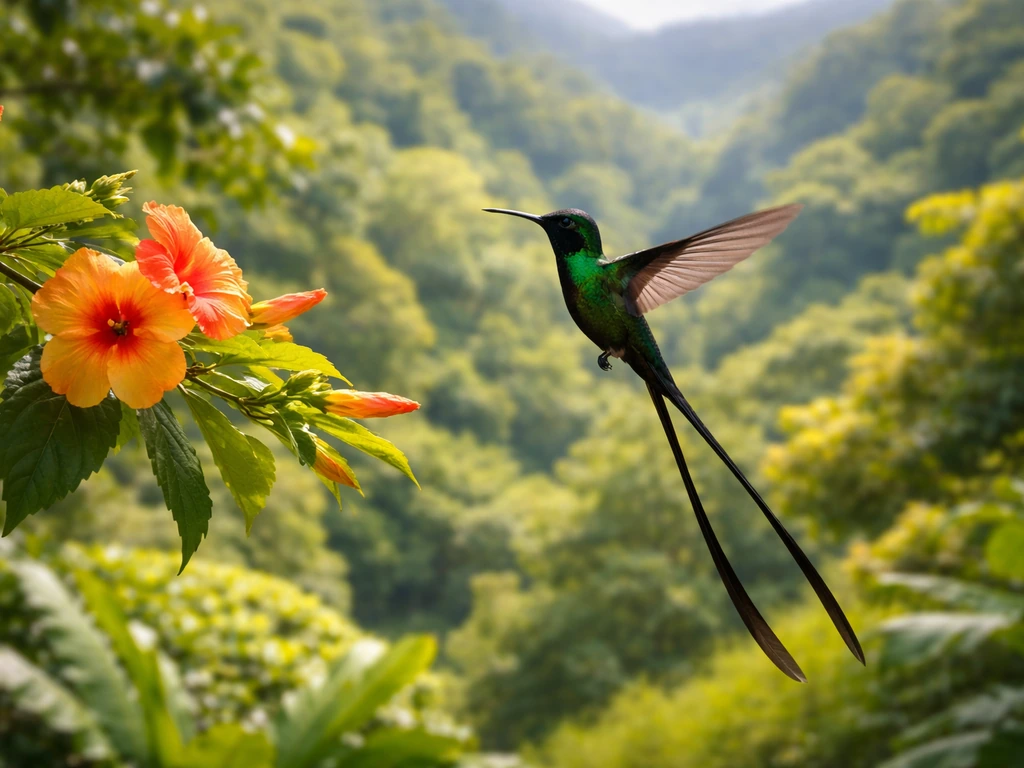
Jamaica's national bird is the doctor bird, officially identified as the Streamertail hummingbird (Trochilus polytmus). It was chosen as a national symbol during the lead-up to Jamaica's independence in August 1962, largely because it is found nowhere else on Earth, carries centuries of cultural meaning in Jamaican folklore, and is one of the most visually striking birds in the Caribbean. Put simply: it earned the title by being unmistakably Jamaican.
Why Is the Doctor Bird Jamaica’s National Bird?

Marcus Chen
7 May 2026
What 'Doctor Bird' actually refers to in Jamaica
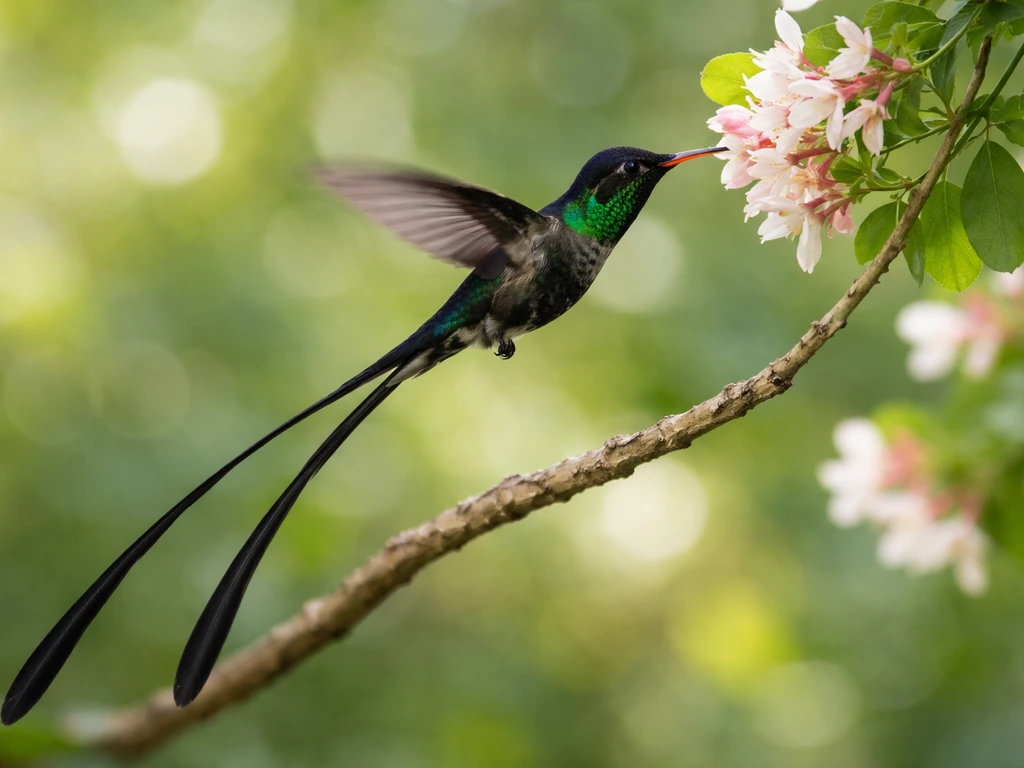
When Jamaicans say 'doctor bird,' they are talking about the Streamertail hummingbird, scientific name Trochilus polytmus. The Office of the Prime Minister (OPM) officially names it 'the doctor bird or swallow tail humming bird (Trochilus Polytmus),' and the National Library of Jamaica catalogs it the same way. eBird also ties the local name 'doctor bird' directly to that species, with 'swallow tail humming bird' as an alternative.
One small thing worth knowing: ornithologists sometimes split the Streamertail into two forms, the Red-billed Streamertail (Trochilus polytmus) in most of Jamaica, and the Black-billed Streamertail (Trochilus polytmus scitulus) in the eastern part of the island. When people say 'doctor bird,' they almost always mean the red-billed form, which is the one recognized as the national bird. If you're reading scientific papers and see both names, that's why.
Why Jamaica chose the doctor bird as a national symbol
The selection happened as part of a deliberate effort to define Jamaican identity ahead of independence in 1962. A committee that included the Ministry of Education worked to develop national symbols, the pledge, prayer, song, and emblems, so the country would have a full set of recognizable icons the moment it became independent. The doctor bird was a natural choice for several reasons.
- It is endemic to Jamaica, meaning it exists nowhere else in the world. That exclusivity made it a powerful symbol of national uniqueness.
- Its iridescent feathers and streamer tails are visually unlike any other bird — the National Library of Jamaica notes the feather coloring has 'no counterpart' across the wider bird population.
- It had already been embedded in Jamaican folklore and song for generations, so it wasn't a symbol invented from scratch — it was one the culture had already claimed.
- It was familiar to ordinary Jamaicans across all walks of life, found in forests, gardens, and plantations at every elevation of the island.
Cultural and historical meaning behind the choice
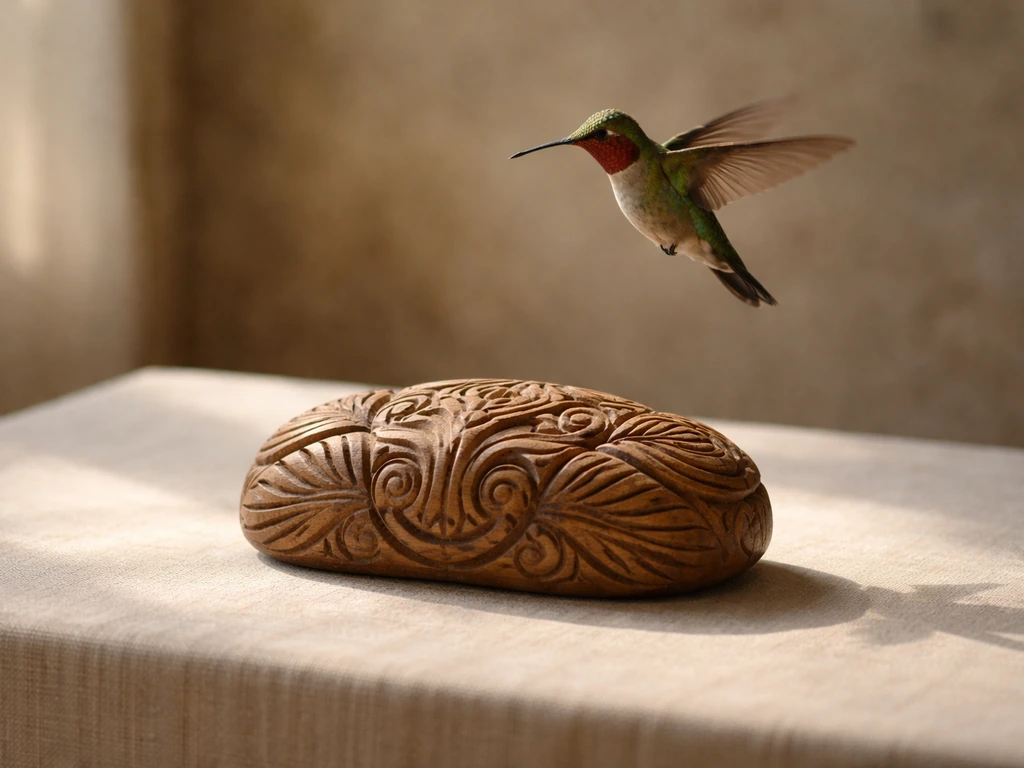
The doctor bird's cultural weight goes back further than 1962. The Arawak people, who inhabited Jamaica before European contact, called the hummingbird the 'god bird.' They believed it carried magical powers and was the reincarnation of dead souls. That spiritual significance meant the bird wasn't just admired, it was treated with reverence and considered off-limits to harm.
Linguist Frederic Cassidy documented these beliefs and their persistence into modern Jamaican folk culture. The OPM's own national-symbol page references Cassidy's work, describing the doctor bird as 'an object of superstition' that had been immortalized in Jamaican folklore and song. When the country was selecting symbols in 1962, this bird already carried hundreds of years of layered meaning, a combination of indigenous reverence, colonial-era folklore, and everyday Jamaican pride.
That continuity matters. Choosing the doctor bird wasn't a committee picking something pretty from a field guide. It was a formal acknowledgment of something the culture had already decided was special.
Where the name 'Doctor Bird' comes from
The OPM is refreshingly honest here: it says the origin of the name is 'somewhat unsettled.' There are three main explanations floating around, and each one has some credibility.
- The doctor's outfit theory: The mature male's long black tail streamers and black crest look like an old-fashioned doctor's coattails and top hat. The American Bird Conservancy and the Animal Diversity Web both support this explanation, and it's the most widely repeated.
- The lancing behavior theory: The bird 'lances' flowers with its bill to extract nectar, resembling a doctor administering treatment. This behavior-based explanation focuses on how the bird feeds rather than how it looks.
- The 'god bird' / Arawak theory: Some researchers connect the nickname indirectly to the Arawak belief in the bird's supernatural healing or magical powers, which could have evolved into a 'doctor' association over time.
Most sources lean toward the visual explanation (the coattails and top hat), and it's the easiest one to picture when you see a mature male in flight with those long black streamers trailing behind him. But it's fair to say all three threads probably reinforced each other over centuries of Jamaican folk tradition.
Key facts about the doctor bird
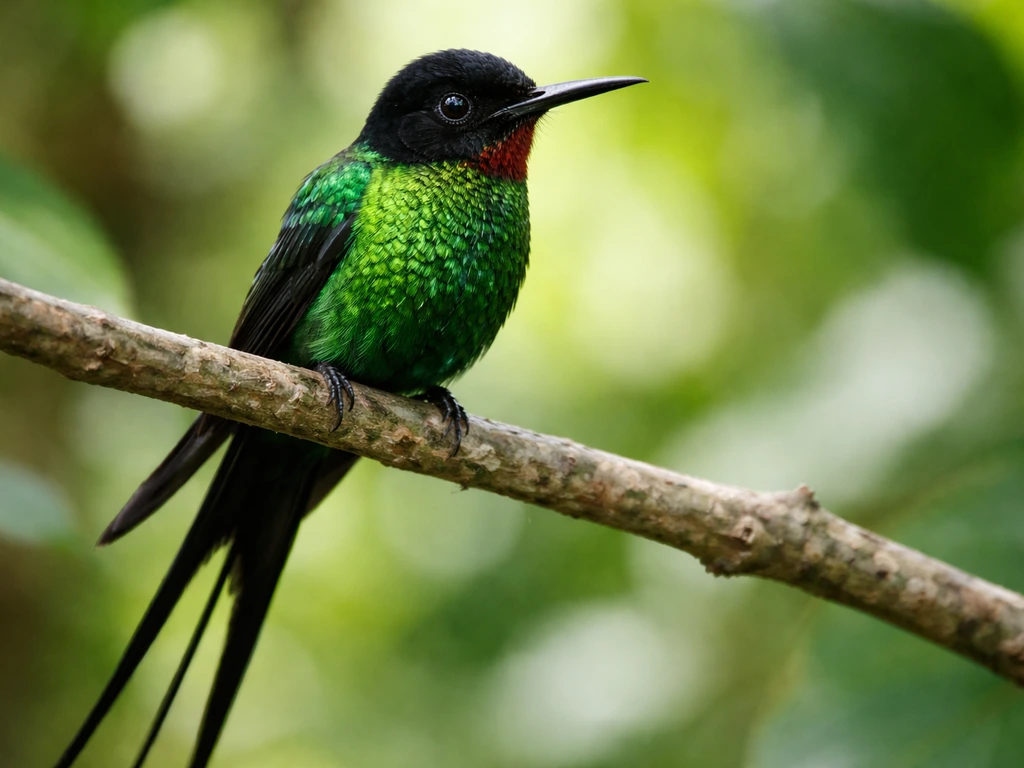
If you want to spot one or just understand what makes it so distinctive, here are the details that matter.
| Feature | Detail |
|---|---|
| Scientific name | Trochilus polytmus |
| Family | Hummingbird (Trochilidae) |
| Endemic to | Jamaica only |
| Male plumage | Glittering green body, black crown, red bill, two long black tail streamers |
| Tail streamers | Stream behind the bird in flight; absent in juveniles and molting males |
| Habitat | Forests, plantations, and gardens at all elevations across Jamaica |
| Diet | Nectar from native and introduced flowering trees, herbs, shrubs, and epiphytes |
| Man-made habitat tolerance | High — readily found in gardens and cultivated areas |
The iridescent green feathers are what catch your eye first, but the tail streamers are what make it unmistakable. A mature male in full flight looks almost theatrical, which is probably why it made such an impression on every culture that encountered it, from the Arawak to modern Jamaicans.
How Jamaica recognizes and celebrates the doctor bird today
The doctor bird shows up across official Jamaican life in ways that go beyond just being listed on a government page. In 1964, just two years after independence, Jamaica issued a definitive postage stamp series featuring the doctor bird (Trochilus polytmus) as the 8d design, a sign of how quickly it became a fixture of national identity in practical, everyday contexts.
The National Library of Jamaica maintains a digital collection that includes a cataloged photograph of the doctor bird under birds and hummingbirds, keeping it accessible for researchers and students. The OPM's national-symbols page is actively maintained and serves as the primary official reference. Jamaica's Ministry of Foreign Affairs and Foreign Trade also lists it under national symbols as 'The Doctor Bird (Humming Bird),' meaning it appears consistently across government departments.
In culture, the bird continues to appear in Jamaican song and folklore references, and its image is used in tourism materials, education, and national celebrations. For bird enthusiasts visiting Jamaica, it's one of the most reliably spotted species, you don't have to go deep into forest to find one. Gardens and plantations across the island host them at every elevation.
For context, Jamaica's Caribbean neighbors have their own equally fascinating national bird stories. Barbados’s national bird is the pelican (American white pelican). It can help to look up the national bird of the Virgin Islands in an official wildlife or government reference to confirm the exact species name. The national birds of Barbados, Bermuda, the Virgin Islands, and Aruba each reflect the unique natural heritage and cultural history of their respective islands, much as the doctor bird does for Jamaica. Bermuda’s national bird is different from Jamaica’s, and it is often asked about by travelers and history buffs. You can look up what is the national bird of aruba to see which species Aruba has officially recognized as a national symbol Aruba's national bird.
What to remember and where to verify
If you're a student, researcher, or just someone who wants to make sure you're citing this correctly, here's a quick checklist of what to confirm and where.
- Official species name: Confirm as Trochilus polytmus via the Office of the Prime Minister (OPM) Jamaica national-symbols page — it provides both the common name and the binomial.
- National symbol status: Verified by both the OPM and Jamaica's Ministry of Foreign Affairs and Foreign Trade, so this is rock solid across government sources.
- Nickname origin: The OPM page itself acknowledges the name origin is 'somewhat unsettled' and presents multiple explanations — cite it that way if you're writing academically.
- Endemic status: Confirmed by the National Library of Jamaica ('lives only in Jamaica') and independently supported by the American Bird Conservancy.
- Species ID in the field: Use eBird's account for Trochilus polytmus — it provides visual field marks (glittering green body, black crown, red bill, tail streamers) and notes that juveniles and molting males may lack the streamers.
- Habitat and behavior: The American Bird Conservancy is a solid independent source for habitat (forests, plantations, gardens at all elevations) and diet (nectar from native and introduced plants).
- Stamp verification: The 1964 Jamaican definitive stamp series (8d design) is documented in philatelic references if you need historical evidence of early official recognition.
The core answer is simple: Jamaica chose the doctor bird because it is uniquely Jamaican, visually extraordinary, and already deeply woven into the island's cultural identity long before 1962. The independence committee didn't create that meaning, they just made it official.
FAQ
Is Jamaica’s national bird definitely the Streamertail hummingbird, or could it be another hummingbird species?
It is officially identified as the Streamertail hummingbird (Trochilus polytmus). However, older or informal sources sometimes use common names interchangeably, so for anything academic, match both the common name (doctor bird) and the scientific name to confirm you are looking at the same species.
When people say “doctor bird,” does it always mean the red-billed form?
In everyday Jamaican usage, “doctor bird” usually refers to the red-billed Streamertail form found in most of Jamaica. If you see the black-billed Streamertail mentioned, that is typically a regional distinction, not a different national bird.
Why does the OPM description mention that the name’s origin is unsettled?
Because multiple folk explanations circulate, commonly including the bird’s “coattails” and “top hat” appearance. The unsettled note is essentially an acknowledgment that tradition evolved from storytelling over time, rather than from a single documented origin.
What is the easiest way to spot the doctor bird in Jamaica without confusing it with other hummingbirds?
Look for the mature male’s long tail streamers and dramatic, theatrical silhouette in flight. The iridescent green body can blend with other birds, but the extended black streamers are the most distinctive cue.
Do government departments in Jamaica use the same wording for the national bird?
Yes, the national symbol is consistently listed as “the doctor bird” and tied to “humming bird” naming. Still, wording can vary slightly (for example, including an alternate common name), so it helps to rely on the scientific name when precision matters.
Is the doctor bird common for visitors to see, or is it rare?
It is described as one of the more reliably spotted bird species for visitors, and it occurs in gardens and plantations at multiple elevations. That said, sighting success depends on timing, local habitat, and whether you are visiting areas known for hummingbird activity.
How should I cite the national bird in an assignment or paper?
Cite it using the official common name plus the scientific name together, for example “doctor bird (Streamertail hummingbird), Trochilus polytmus.” If your source discusses regional forms, clarify whether you are referring to the red-billed form that is most commonly meant by “doctor bird.”
Did the national symbol committee invent the doctor bird’s meaning in 1962?
No. The independence-era committee made it official as part of nation-building symbols, but the article’s background emphasizes that the bird’s cultural and spiritual associations existed long before 1962.
Next Article
What Is the National Bird of Zimbabwe? Symbolism and Facts
Discover Zimbabwe’s national bird, its distinctive traits, and the history and symbolism behind the emblematic choice.