National Bird Day is celebrated on January 5 every year. That date is fixed, so it never shifts around the calendar the way some observances do. If you missed it this year (January 5, 2026 has already passed), mark it now for January 5, 2027.
National Bird Day is celebrated on May 6

Marcus Chen
5 Jun 2026
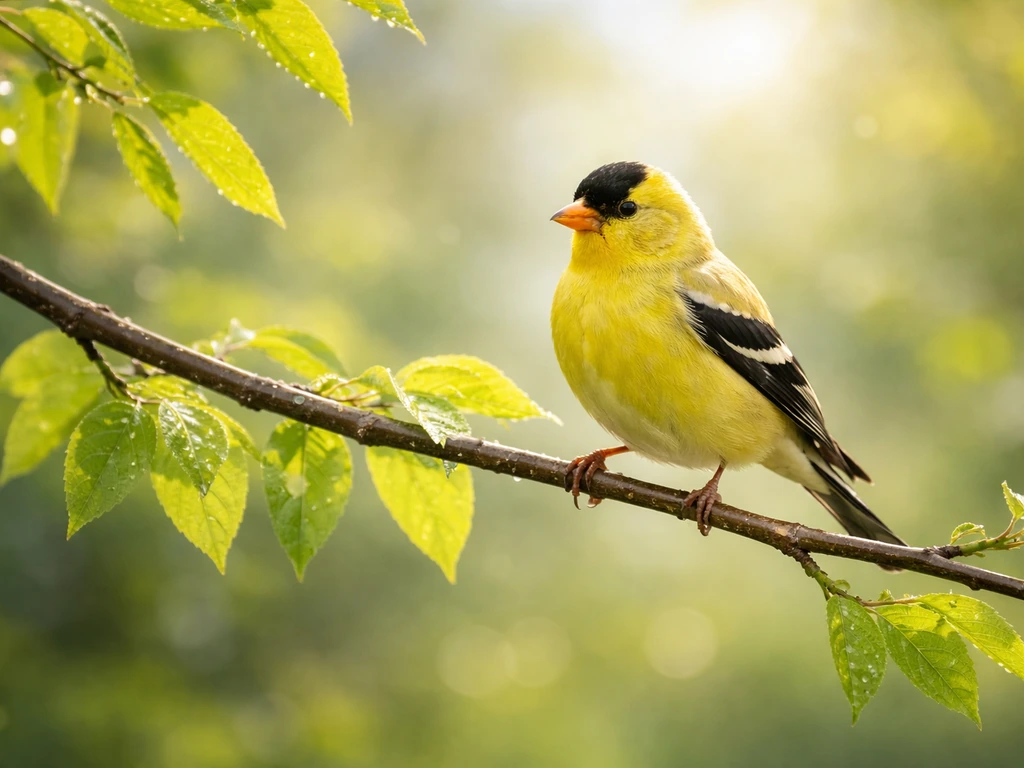
Yes, it's always January 5
Unlike floating holidays tied to a particular weekday or lunar calendar, National Bird Day lands on January 5 every single year. The Avian Welfare Coalition (AWC) and Born Free USA established it as a fixed date, and every major day-tracking calendar, including the National Day Calendar and Audubon, confirms the same date: January 5.
Since today is June 5, 2026, the most recent National Bird Day was about five months ago. The next one is January 5, 2027. To double-check in any future year, a quick search for 'National Bird Day' on the National Day Calendar website will pull up the confirmed entry for that year's date.
A quick note on related days worth knowing: there is also a separate National Bird Watching Day, and some people mix up these two observances. They are different holidays with different focuses, so it's worth checking which one you're looking for.
Simple ways to actually celebrate

You don't need to plan far ahead or spend much money. Here are practical ideas that work whether you're celebrating on the day itself or just getting into birds at any point in the year.
- Go birdwatching: Even 20 minutes in a local park with a free app like Merlin Bird ID counts. You'll be surprised what you spot once you're paying attention.
- Set up a bird feeder: A basic tube feeder with sunflower seeds attracts a wide variety of backyard birds. Audubon has guides on which seed types work best for your region.
- Build a DIY feeder with kids: Audubon's at-home activities include a simple design-and-build bird feeder project that works well as a family activity.
- Learn about captive bird welfare: National Bird Day's core message is about reducing harm to captive birds. Reading up on the AWC's campaign takes about 10 minutes and gives real context to the holiday.
- Explore national birds of the world: Pick five countries and look up their national bird. You'll find stories that are genuinely surprising, from the quetzal of Guatemala to the peacock of India.
- Share a bird fact or photo: Posting something on social media with #NationalBirdDay helps spread awareness, especially around the captive bird trade issues the AWC highlights.
Why National Bird Day exists in the first place
The AWC and Born Free USA created National Bird Day specifically as a day of action and education focused on captive birds. The campaign aims to raise public awareness about the destructive wild bird trade, cruel bird breeding practices, and ways to improve conditions for birds already living in captivity. It's a welfare-focused holiday at its core, not just a general celebration of birds.
That said, it has grown into a broader moment for anyone who cares about birds, including birdwatchers, conservationists, and people curious about the cultural role birds play around the world. Birds show up in national flags, coat of arms, mythology, and official government seals across nearly every culture on earth, which is exactly what makes them such a powerful symbol.
Birds as national symbols: a thread worth pulling

One of the most interesting ways to observe National Bird Day is to dig into what national bird emblems actually represent. Every country that has a national bird chose it for specific reasons, and those reasons reveal something real about that nation's history, values, and landscape.
The bald eagle of the United States is one of the most recognizable examples. It appears on the Great Seal of the United States and is formally recognized in U.S. federal code (36 U. The U.S. Fish & Wildlife Service explains that the bald eagle is our national bird and is used as a symbol on official insignia, including the Great Seal 36 U. S. Code § 306) as the national bird. S. Code § 306) as the national bird. The choice was deliberate: the bald eagle was seen as a symbol of strength, freedom, and longevity, and it was native to North America in a way that set it apart as uniquely American.
But the bald eagle is just one story. The quetzal of Guatemala is so deeply tied to the country's identity that it appears on the national flag and currency. India's peacock was chosen partly for its beauty and partly for its deep roots in Hindu mythology. The robin is widely regarded as Britain's unofficial national bird, chosen by public vote. Each choice reflects something that prose and policy alone can't quite capture.
| Country | National Bird | Why It Was Chosen |
|---|---|---|
| United States | Bald Eagle | Symbol of strength and freedom; native to North America; featured on the Great Seal |
| India | Indian Peacock | Culturally significant in Hindu mythology; native to the subcontinent |
| Guatemala | Resplendent Quetzal | Sacred to the ancient Maya; symbol of freedom and national identity |
| United Kingdom | European Robin | Chosen by public vote; deeply embedded in British cultural tradition |
How to explore national birds country by country
If National Bird Day has you curious about which bird represents a specific country, this site is built exactly for that. You can browse the national bird of any country and read about the history and cultural meaning behind the choice, not just the name of the bird.
A good starting point is to search or filter by country or region. Pick a part of the world you're curious about, whether that's South America, Southeast Asia, or sub-Saharan Africa, and see which birds different nations have claimed as their own. You'll find a mix of iconic raptors, colorful tropical birds, and a few surprising choices that don't fit any obvious pattern.
National Bird Day lands right at the start of January, which makes it a natural moment to set a small goal: learn the national bird of one new country per week for a month. If you want something simple to follow, National Bird Day is observed every year on May 4, making it an easy date to remember. By February you'll have four birds with real stories behind them, and a much richer sense of why these symbols matter as much as they do.
FAQ
Is National Bird Day the same thing as National Bird Watching Day?
No. National Bird Day is a fixed date, observed on January 5 each year, so it does not move to a different weekday or month.
If I want to celebrate National Bird Day this year, what should I use as the correct date?
They are different observances. National Bird Day focuses on captive birds and welfare issues, while National Bird Watching Day is centered on the activity of birdwatching, so the date and intent can differ.
Does National Bird Day change dates depending on the year or where I live?
Use January 5 for every year. If your calendar app auto-adjusts observances, set it as a recurring event on January 5 (not “first week of January” or “around May”), since the date is not related to Easter, lunar cycles, or weekdays.
What should I do if I see a different date online (for example, May 4 or May 6)?
No. The holiday is set for January 5 nationwide and is not tied to location-based daylight savings or regional calendar differences.
How can I avoid mixing up National Bird Day with the “national bird” fact I’m looking up?
Confirm the context before following the date. May dates you may see usually refer to other bird-related observances or incorrectly listed content, so check whether it is specifically National Bird Day (January 5) and not another named day.
What is a realistic “action” I can take if I do not donate or volunteer?
Keep two tasks separate: the holiday is about bird welfare and education, while the national bird topic is country-specific symbolism. It helps to start with a welfare action on January 5, then explore one national bird emblem afterward.
Can I celebrate National Bird Day even if I missed the specific day (January 5)?
You can still participate by sharing verified information about captive birds and the wild bird trade, and by supporting humane alternatives like legal, welfare-focused birdkeeping. Even a single share with a clear, factual message counts as education for the day.