There is no single universal national bird. Every country that has one chooses its own species, and the answer to "what is the national bird" depends entirely on which country you mean. If you are looking for your country's national bird specifically, this guide will walk you through exactly how to find it, what it means, and how to verify whether it has ever changed.
What Is the National Bird? Find the Official Bird by Country

Marcus Chen
23 Mar 2026

What "national bird" actually means, and does your country have one?
A national bird is an avian species officially designated, or in some cases informally recognized, as a symbol of a country's identity, culture, or natural heritage. It sits alongside other national symbols like a flag, anthem, or coat of arms. Some countries, like the United States, enshrine the designation in law. Others recognize a national bird through government proclamation, long tradition, or popular vote, without formal legislation.
Not every country has one. Some nations have never officially designated a national bird at all, while others have a de facto symbol that most citizens recognize even if it has never been written into law. So the first step is figuring out whether your country has an official national bird, an informal one, or none at all.
How to find the national bird for your specific country

The quickest way to get a reliable answer is to follow a short lookup process rather than rely on a single search result, which can sometimes surface outdated or unofficial information.
- Identify the country you mean. If you searched "what is our national bird" without specifying, the results will vary based on your location. Confirm you are looking at information for the right country.
- Search for "national bird of [country name]" on a reputable reference site such as this one, or cross-check with your country's official government website or a national ornithological society.
- Check whether the designation is official (backed by law or government decree) or informal (widely recognized but not legislated). This distinction matters, especially if you are doing research or schoolwork.
- Look at the designation date. Some countries designated their national bird recently. For example, the United States did not officially enshrine the bald eagle in law until December 2024, even though it had appeared on the Great Seal since 1782.
- If you want to know whether the national bird has changed, look for the history of the designation, not just the current answer. A country's national bird page on a reference site like this one will usually include that background.
The direct answer format: bird name and species
When you find your country's national bird, the answer should include both the common name and the scientific (Latin) species name. This matters because common names can vary by region or language, while the scientific name is universal. Here is the format you are looking for, using a few well-known examples:
| Country | National Bird (Common Name) | Scientific Name |
|---|---|---|
| United States | Bald Eagle | Haliaeetus leucocephalus |
| India | Indian Peafowl (Peacock) | Pavo cristatus |
| Guatemala | Resplendent Quetzal | Pharomachrus mocinno |
| United Kingdom | European Robin | Erithacus rubecula |
| Australia | Emu | Dromaius novaehollandiae |
For the United States specifically, Title 36 of the U.S. Code now states plainly: "The bald eagle (Haliaeetus leucocephalus) is the national bird of the United States." That statutory language, added by Public Law 118-206 and signed by President Biden on December 24, 2024, is the definitive answer for American readers.
Why these birds get chosen: symbolism and cultural meaning
Countries do not pick their national bird at random. The choice almost always reflects something specific about the nation's identity, history, values, or natural environment. Understanding the reasoning behind the selection is usually the most interesting part of the answer.
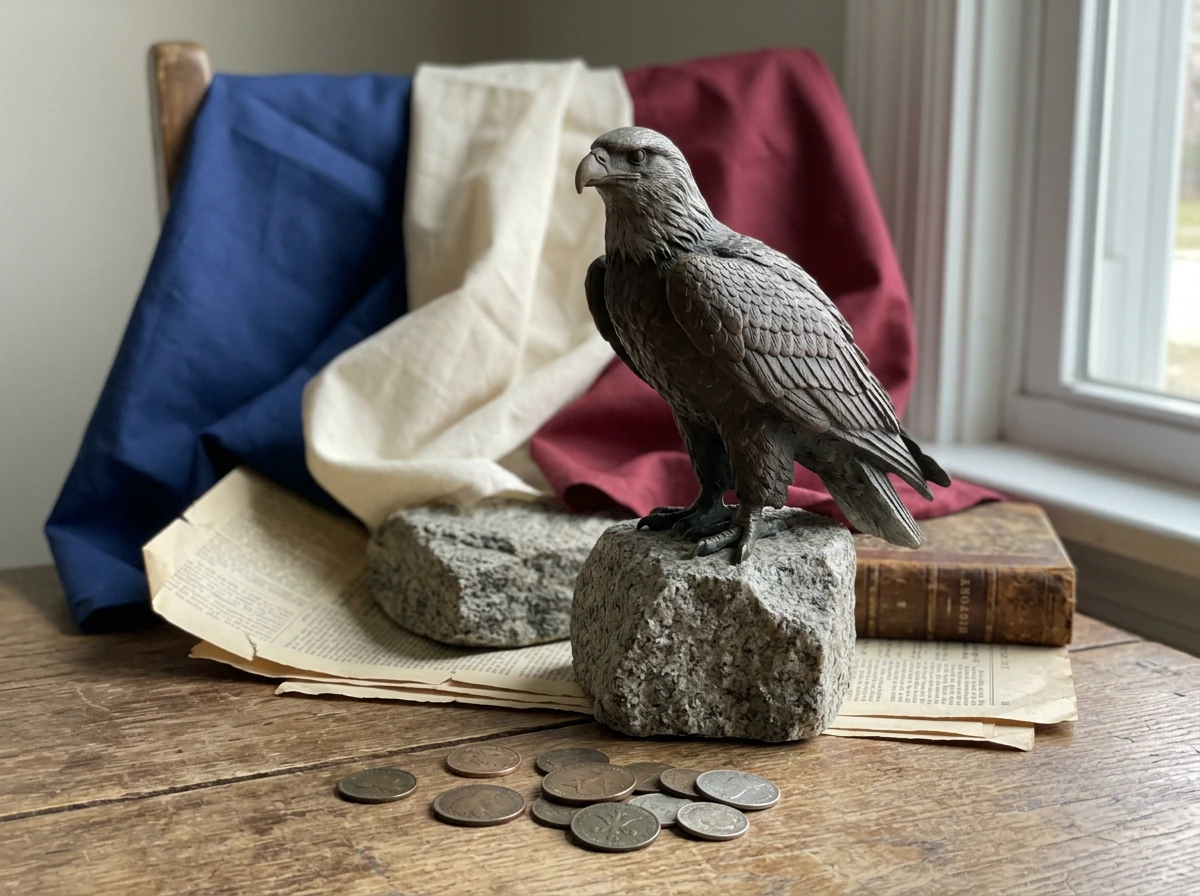
The bald eagle was associated with the United States long before it was officially designated. It appeared on the Great Seal of the United States in 1782 because it was seen as a powerful, majestic bird native to North America, a fitting symbol of a new, ambitious nation. Its connection to strength, freedom, and independence made it a natural fit. The formal legal designation in December 2024 simply caught up with what most Americans had assumed for centuries.
India's national bird, the peacock, was chosen in 1963 partly because of its deep roots in Hindu mythology, art, and literature, and partly because it is native to the subcontinent. Guatemala's quetzal carries even heavier symbolism: the Resplendent Quetzal was sacred to the ancient Maya and Aztec peoples, and it is so tied to the country's identity that Guatemala's currency is also called the quetzal.
Common themes you will find across most national bird selections include: native habitat (the bird naturally lives in that country), cultural or religious significance (the bird appears in folklore, mythology, or art), physical qualities that map onto national values (strength, grace, rarity, resilience), and in some cases, conservation awareness (choosing an endangered species draws attention to its protection).
What was the national bird before? How national birds change over time
Some countries have changed their national bird, or in the case of the United States, went from having an informal symbol to a formally legislated one. If you are researching the history of a country's national bird, you need to distinguish between two different situations: a country that changed from one bird to another, and a country that moved from an unofficial tradition to an official legal designation.
The United States is a good example of the second type. For over 240 years, the bald eagle was considered the de facto national bird because it appeared on the Great Seal. But it had never been officially designated in law until Public Law 118-206 was enacted in December 2024. So technically, before December 24, 2024, the United States had no statutory national bird, even though everyone treated the bald eagle as one. If you have seen the question "what was the national bird before the bald eagle" come up, the honest answer is that there was no official one before it.
Other countries have made cleaner switches. When researching a country's previous national bird, the most reliable approach is to look at the original government decree or legislation that established the current symbol and check whether it explicitly replaced an earlier designation. National ornithological societies and government cultural ministries are often the best sources for that historical record.
Extra facts and stories worth knowing
The debate around national bird choices is often more colorful than the official designation itself. Benjamin Franklin famously preferred the wild turkey over the bald eagle for the United States, arguing in a private letter that the eagle was "a bird of bad moral character" because it stole fish from other birds. The turkey, he felt, was a more respectable and courageous choice. Franklin's view never prevailed, but the story adds a genuinely interesting layer to how these decisions get made and debated.
The Resplendent Quetzal of Guatemala is one of the most striking examples of a national bird that has become inseparable from national identity. The bird is so revered that in pre-Columbian cultures, killing one was punishable by death. Today it is endangered, and its survival is tied directly to conservation efforts that are partly motivated by its status as a national symbol.
Some national birds are surprising choices. The United Kingdom's national bird, the European Robin, was chosen through a public vote organized by a naturalist in 1960 and later confirmed by polls in 2015. It is a small, common garden bird, not an eagle or a bird of prey, which says something interesting about what "national character" different cultures choose to project.
Not every country limits itself to one national bird. Some nations have separate "national birds" for different purposes, such as a national bird of flight, a national bird of prey, or a state bird versus a federal bird. In the United States, for instance, individual states each have their own state bird alongside the federally designated bald eagle.
Next steps: verify what you found and keep exploring
Once you have a name and species, take one extra step and verify it through at least one official or authoritative source. For the United States, the U.S. Code (36 U.S.C. § 306) is the definitive reference. For other countries, look for government cultural heritage pages, national ornithological society websites, or established encyclopedic references. A single search result is not always enough, especially for countries where the designation is informal or relatively recent.
If you want to go deeper, this site covers the national birds of countries around the world individually, including the symbolism, history, and selection process for each one. You can look up the national bird of America, explore what bird came before the bald eagle, or find out which bird Benjamin Franklin wanted to represent the United States. Each country's story is different, and the "why" behind the choice is almost always more interesting than just the name.
The short version of everything above: figure out which country you mean, search for its national bird by name using a reliable reference, note the scientific species name alongside the common name, check whether the designation is official or informal, and then dig into the history if you want to understand how and why that bird was chosen. Birdfact also notes that the Indian peafowl has been India’s national bird since February 1, 1963 Birdfact article. That process will get you a complete, accurate answer every time.
FAQ
How can I tell if a country’s national bird is truly official or just widely recognized?
Check whether the designation comes from a government source, such as a law, ministerial decree, or official proclamation. If you only see the bird listed on tourism sites, fan pages, or older blog posts without any government or institutional confirmation, treat it as “de facto” rather than formally official.
What should I do if multiple sources list different national birds for the same country?
Compare dates and the type of source. If one option is tied to a specific decree or legal text and the other is not, the decree-based bird is more likely correct. Also look for wording like “national bird,” “symbol bird,” or “selected bird,” because some countries use different categories that websites may lump together.
Do national birds have to be native species to qualify?
Not always, but it is common. Many national bird choices emphasize native habitat, yet some selections focus more on symbolism or cultural association than strict nativeness. If you need accuracy, use the scientific range information for the species to see whether it naturally occurs in the country (or is a recent introduction).
When I see a national bird name, why does the scientific species name matter?
Common names can refer to different birds in different languages or regions, and sometimes even to different subspecies. The scientific name reduces ambiguity, especially for countries that share similar species across borders or have multiple local variants.
How do I research whether a national bird changed in the past?
Look for the original act that established the current bird and see whether it explicitly “replaced” an earlier designation. If the text does not mention a prior bird, the change may have been a shift from informal tradition to formal recognition, or a later re-affirmation rather than a true swap.
If a country has no official national bird, is there a best way to find a credible substitute symbol?
Search for “national bird symbol” and then prioritize authoritative references, like national museums, government cultural heritage pages, or recognized ornithology organizations. Make clear in your notes whether you are documenting an informal symbol, a regional symbol, or a commonly used emblem.
Are national birds ever part of conservation policy or legal protection?
Sometimes the status becomes a conservation driver, but protection is not automatic. A bird can be endangered and still have separate conservation rules under wildlife or environmental law. If your goal is conservation-oriented, look up the species’ legal protection status separately from its symbolic status.
What’s the difference between a national bird and a state bird or regional bird?
A national bird generally refers to a country-level symbol, while state or provincial birds apply to subnational regions. In federal systems, the country may have a national bird while each state has its own bird, which can cause confusion when people search without specifying geography.
How can I verify the national bird when the country’s designation is recent?
Use the most primary materials available for that timeframe, such as the text of the law or official proclamation, or an official government archive page that quotes it. If a designation was added recently, encyclopedic summaries may lag behind by months or years, so primary sources are more reliable.
Can there be multiple “national birds” for different categories (like bird of prey)?
Yes. Some countries use separate symbolic birds for different purposes, or they describe national categories such as bird of flight, bird of prey, or similar distinctions. When comparing sources, ensure they refer to the same category, not just the general “national bird” label.
Next Articles
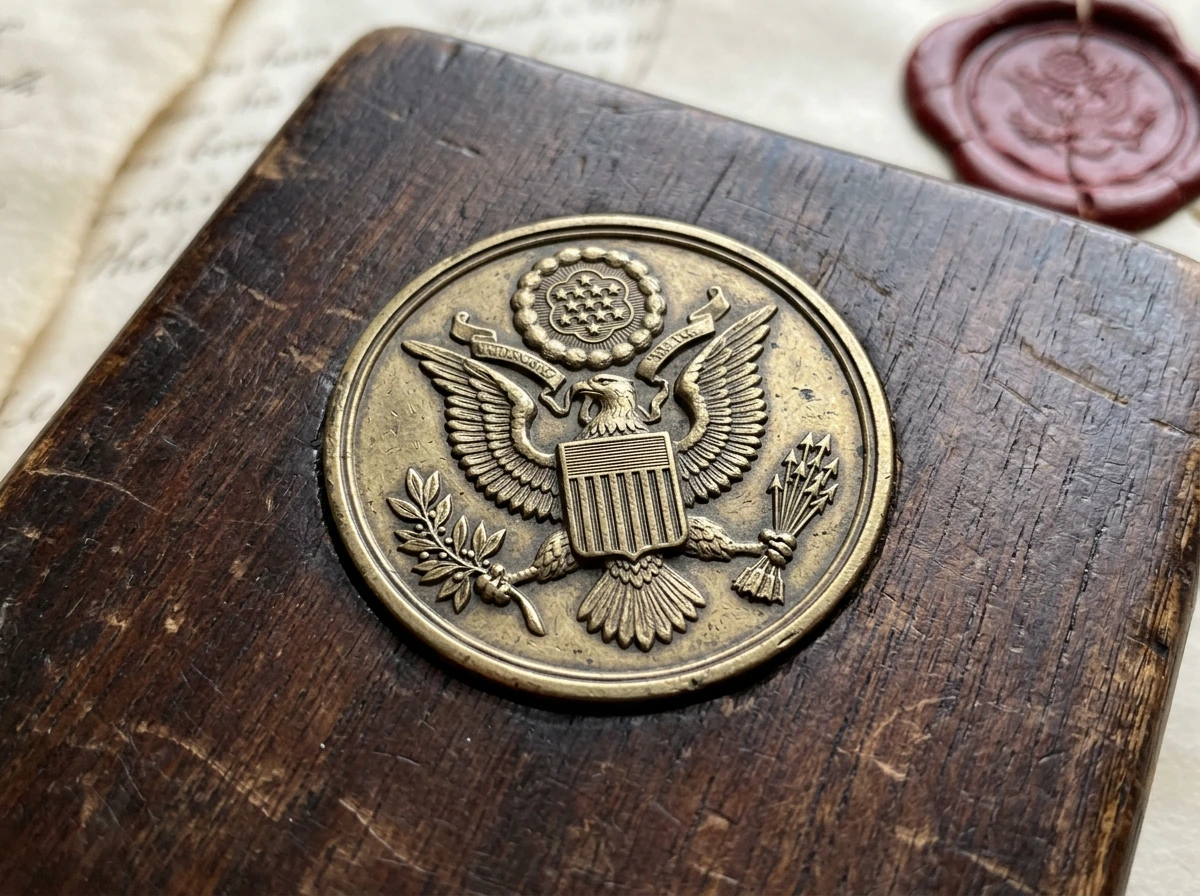
What Was the National Bird Before the Bald Eagle?
What U.S. bird was national before the bald eagle, with dates, context, and how to verify the best-supported claim.
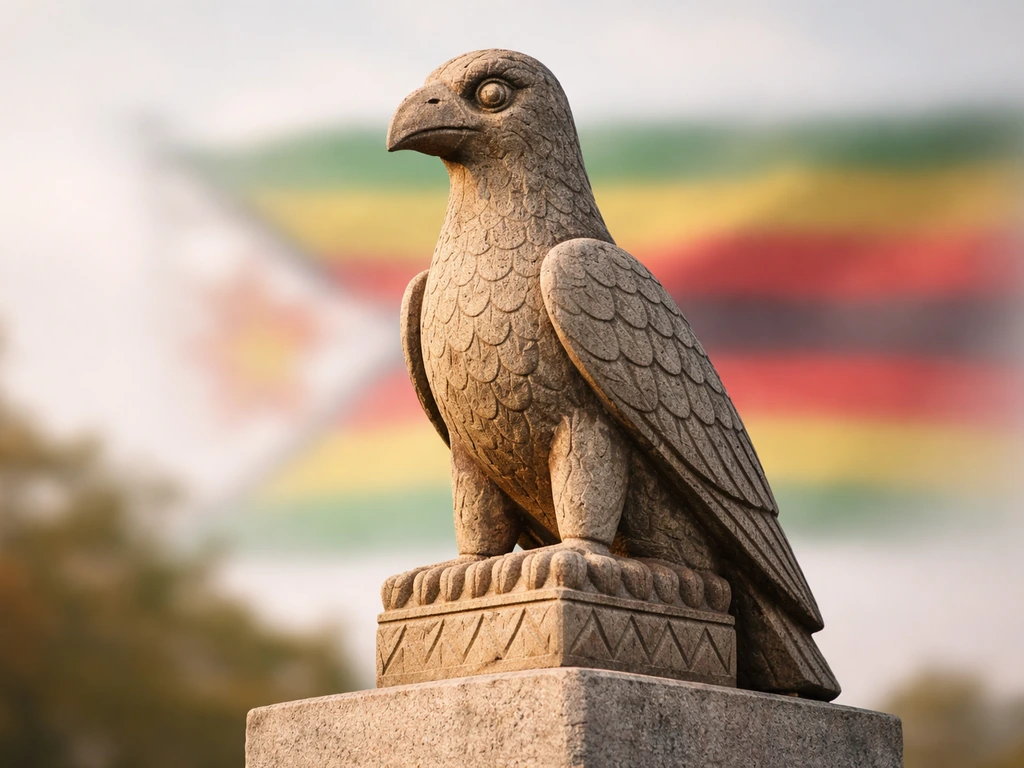
What Is the National Bird of Zimbabwe? Symbolism and Facts
Discover Zimbabwe’s national bird, its distinctive traits, and the history and symbolism behind the emblematic choice.
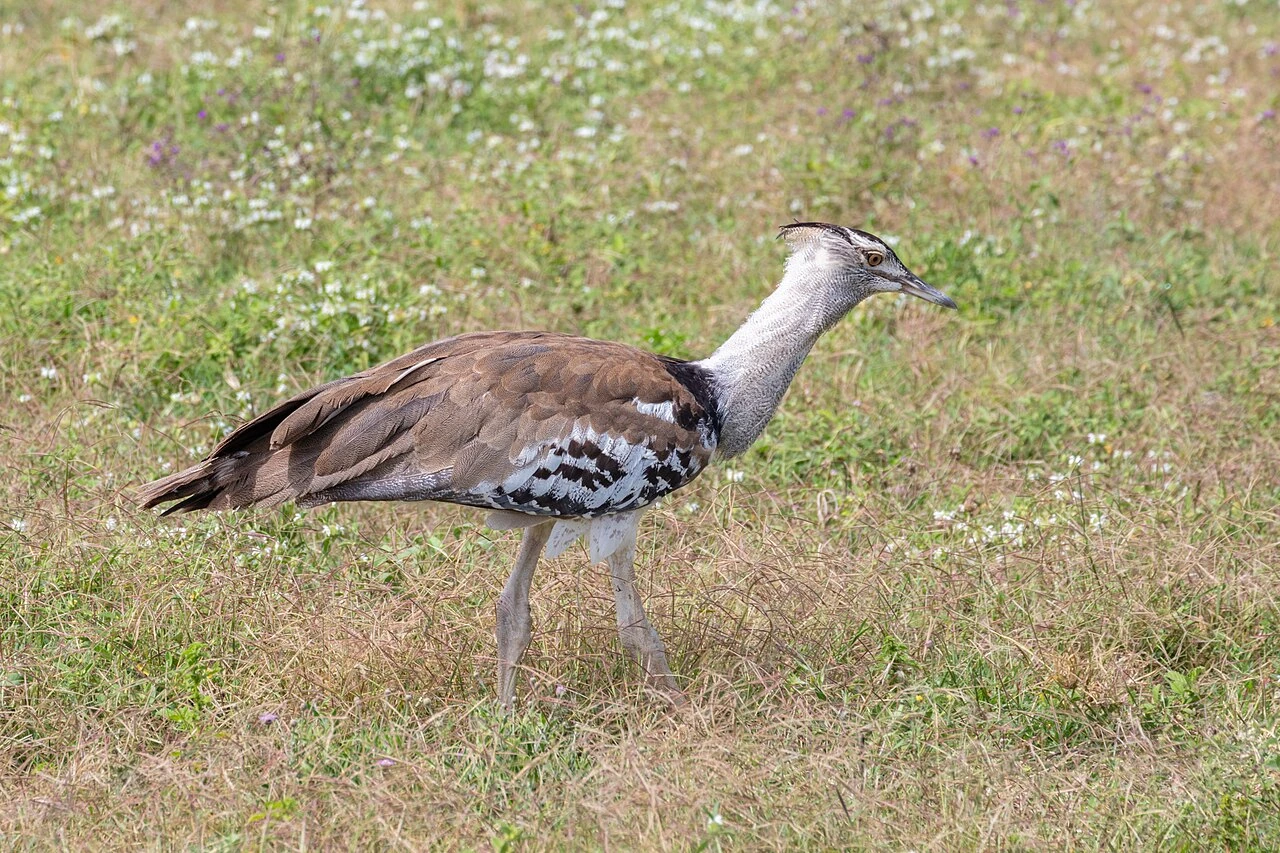
What Is the National Bird of Botswana? Bird ID, Meaning
Answers Botswana national bird name with species ID, how to recognize it, where to spot it, and its cultural meaning