
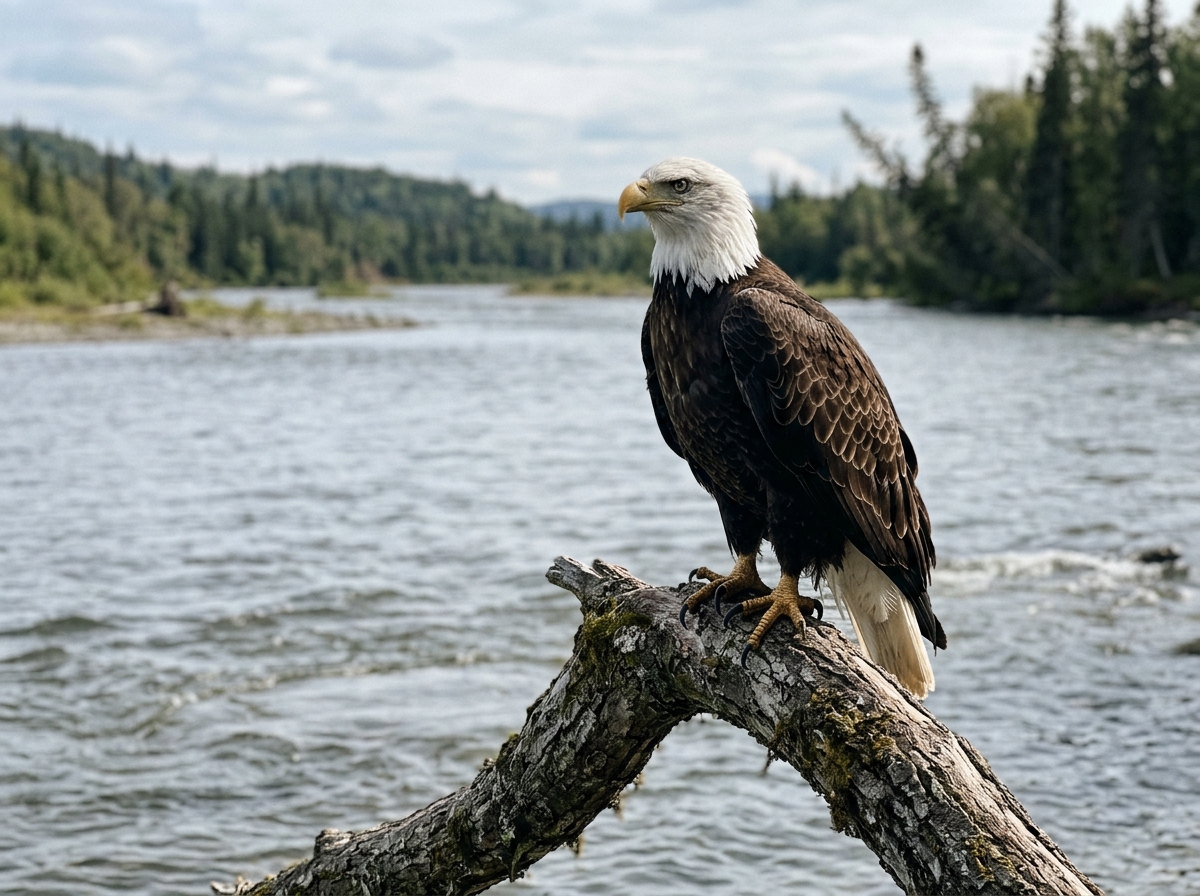
The national bird of the United States is the bald eagle (Haliaeetus leucocephalus). That is the short answer. If you need the official legal version: Public Law 118-206, signed on December 23, 2024, formally codified this in Title 36 of the United States Code, which now reads simply: 'The bald eagle is the national bird.' The bald eagle has been the country's most recognized national emblem since 1782, and now it also has an explicit statutory designation to match.
What Is the National Bird of America? Bald Eagle Facts

Marcus Chen
23 Mar 2026
Who chose it and when
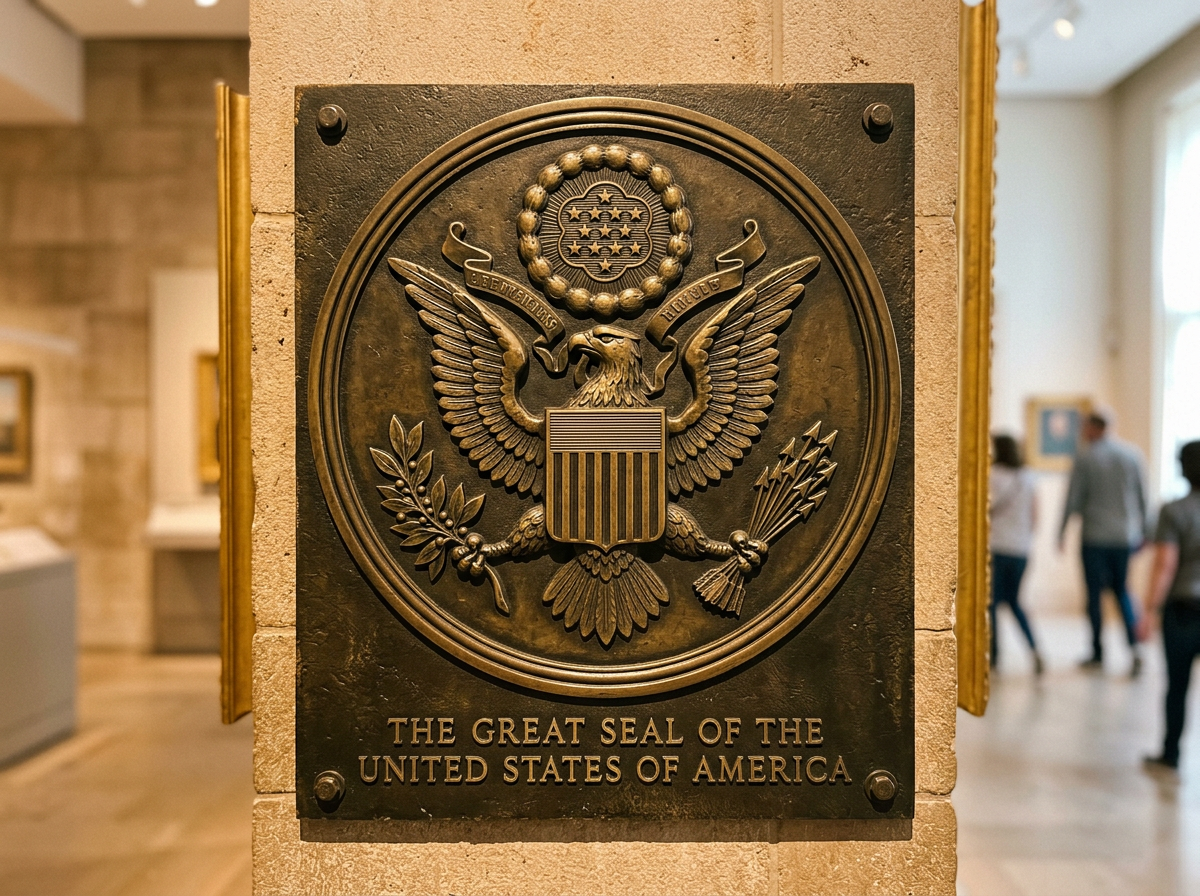
The bald eagle's role as a national symbol traces back to June 20, 1782, when the Continental Congress officially adopted the Great Seal of the United States. The seal features a bald eagle at its center, holding an olive branch in one talon and a bundle of arrows in the other. Charles Thomson, Secretary of the Continental Congress, played a key role in finalizing the seal's design, and the Continental Congress approved the finished design on that date.
That 1782 adoption made the eagle the de facto national symbol, but it did not technically create a formal 'national bird' designation in statute. For more than two centuries, the bald eagle held that symbolic role through tradition and its place on the Great Seal, U.S. currency, and official government imagery. Congress's 2024 legislation (S.4610, sponsored by Senator Cynthia Lummis) finally closed that gap by writing the designation into federal law.
So to be precise: the bald eagle became America's national emblem in 1782, and it became the officially codified national bird on December 23, 2024. Both facts are accurate and relevant, depending on what someone is asking.
Why the bald eagle: what it represents and how it got chosen
The founders chose the bald eagle deliberately. It is a bird native only to North America, which made it a uniquely American symbol at a time when the new nation was trying to establish a distinct identity. Congress's own findings in the 2024 bill describe the bald eagle as 'a historical symbol of the United States representing independence, strength, and freedom.' A GovInfo document on U.S. symbols adds courage and immortality to that list.
Charles Thomson explained the shield on the eagle's breast as representing the idea that the United States relies on its own virtue, with no need to lean on other nations for support. The olive branch signals a willingness for peace; the arrows signal the capacity for war. Together, the image was designed to project both strength and restraint.
One of the most repeated stories in this space involves Benjamin Franklin. In a private letter, Franklin called the bald eagle 'a bird of bad moral character' because it steals fish from other birds, and he suggested the <anchortext>turkey might have been a more respectable choice</anchortext>. That quote gets recycled constantly, but it is worth knowing that Franklin never formally proposed the turkey as a national bird. His comment was a personal aside in a letter, not a congressional petition. If you want to dig deeper into that story, the full history of who wanted the turkey to be the national bird is worth a separate read.
National bird vs. national emblem vs. national animal: clearing up the confusion
People mix these terms up regularly, and it is easy to see why. The U.S. has multiple national symbols designated under Title 36, each in its own category. The bald eagle is the national bird, but it is also effectively the national emblem through its central role on the Great Seal. These are overlapping but distinct roles.
The U.S. does not have a single officially designated 'national animal' in the same way some countries do, though the bison was designated the national mammal in 2016. The national motto is 'In God We Trust.' The national floral emblem is the rose. The Congressional Research Service documents all of these separately, and each category has its own designation history.
One more clarification worth making: when people search 'who is the national bird of America,' they sometimes expect a person's name. The national bird is a species, not an individual or officeholder. The bald eagle is a bird, and that is the answer the question is looking for.
| Symbol Category | Designated Symbol | Year Designated |
|---|---|---|
| National Bird | Bald Eagle | Formally 2024; emblematic since 1782 |
| National Mammal | American Bison | 2016 |
| National Motto | In God We Trust | 1956 |
| National Floral Emblem | Rose | 1986 |
| National Tree | Oak | 2004 |
How to recognize a bald eagle and where to find one
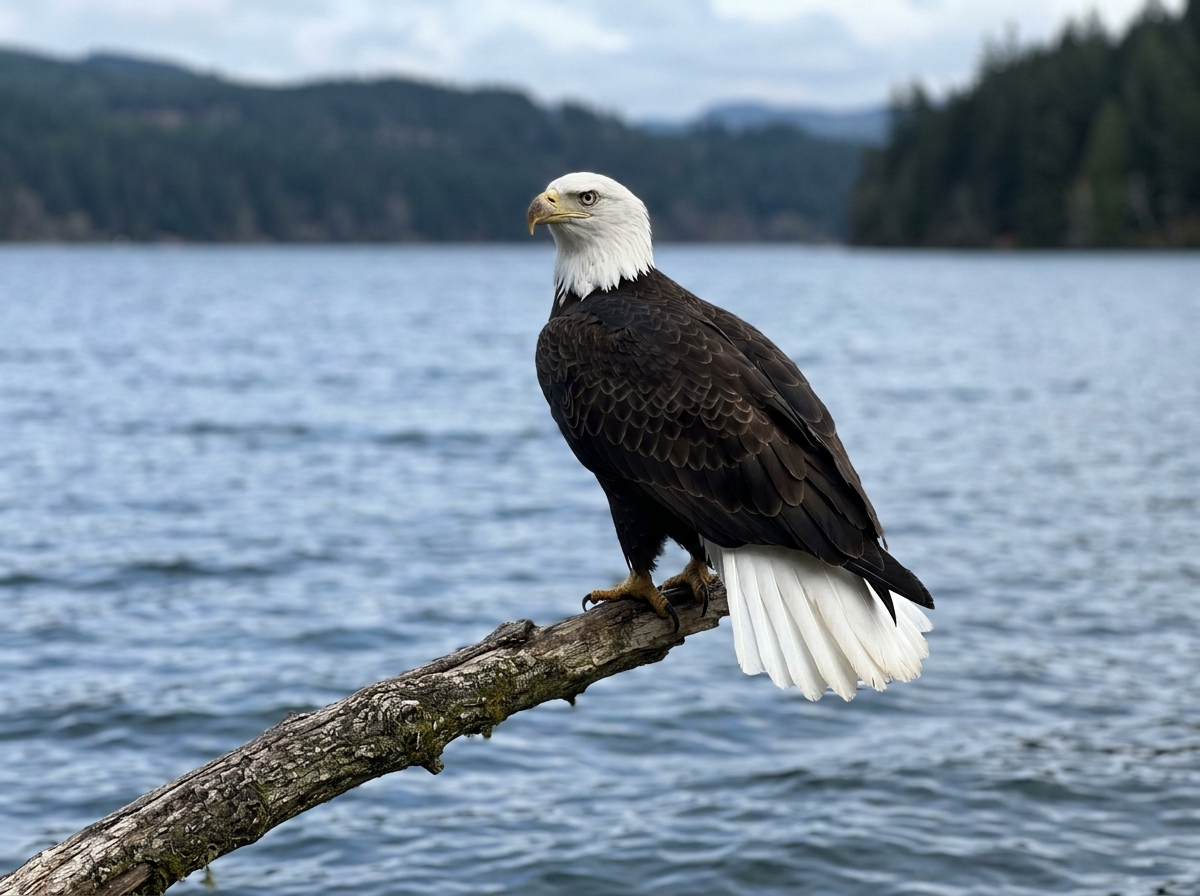
The bald eagle is not actually bald. The name comes from an older English usage of 'bald' meaning white-headed. Adults have a distinctive white head and white tail, with a dark brown body and a large yellow beak. Juveniles look quite different: they are mostly dark brown with mottled white patches and take about five years to develop the full adult plumage. If you see a large, dark bird near water with a white head and tail, you are looking at a mature bald eagle.
In terms of size, bald eagles are large. They typically have a wingspan between 6 and 7.5 feet and weigh between 6.5 and 14 pounds, with females being noticeably larger than males.
Their range covers most of North America. The U.S. Fish and Wildlife Service describes their historic range as running from Alaska and Canada through the contiguous United States and down into northern Mexico. The National Park Service puts it plainly: bald eagles are found near open water from Mexico to Alaska. They nest in tall, sturdy trees (often conifers) close to lakes, rivers, reservoirs, and coastlines where fish are available. Yellowstone, the Pacific Northwest, the Great Lakes region, and Florida are all well-known areas for bald eagle sightings.
The bald eagle's place in American life today
Conservation: from endangered to recovered

The bald eagle's conservation story is one of the more remarkable environmental turnarounds in U.S. history. The species was listed as endangered in 1967, largely due to habitat loss, hunting, and the effects of the pesticide DDT, which caused eggshell thinning and reproductive failure. Population numbers dropped dramatically across the lower 48 states.
After decades of protection and recovery efforts, Interior Secretary Dirk Kempthorne announced on June 28, 2007, that the bald eagle would be removed from the federal list of threatened and endangered species. The delisting took effect 30 days after publication in the Federal Register. It was considered one of the great successes of the Endangered Species Act.
Legal protections still in place
Delisting did not mean the bald eagle lost all protection. The Bald and Golden Eagle Protection Act (BGEPA) still applies. This law prohibits the unauthorized take, possession, sale, or transport of bald eagles and their parts, including feathers, nests, and eggs. Any activity affecting eagles requires a federal permit. The U.S. Fish and Wildlife Service continues to manage the species under this framework, and violations carry serious penalties.
Cultural presence
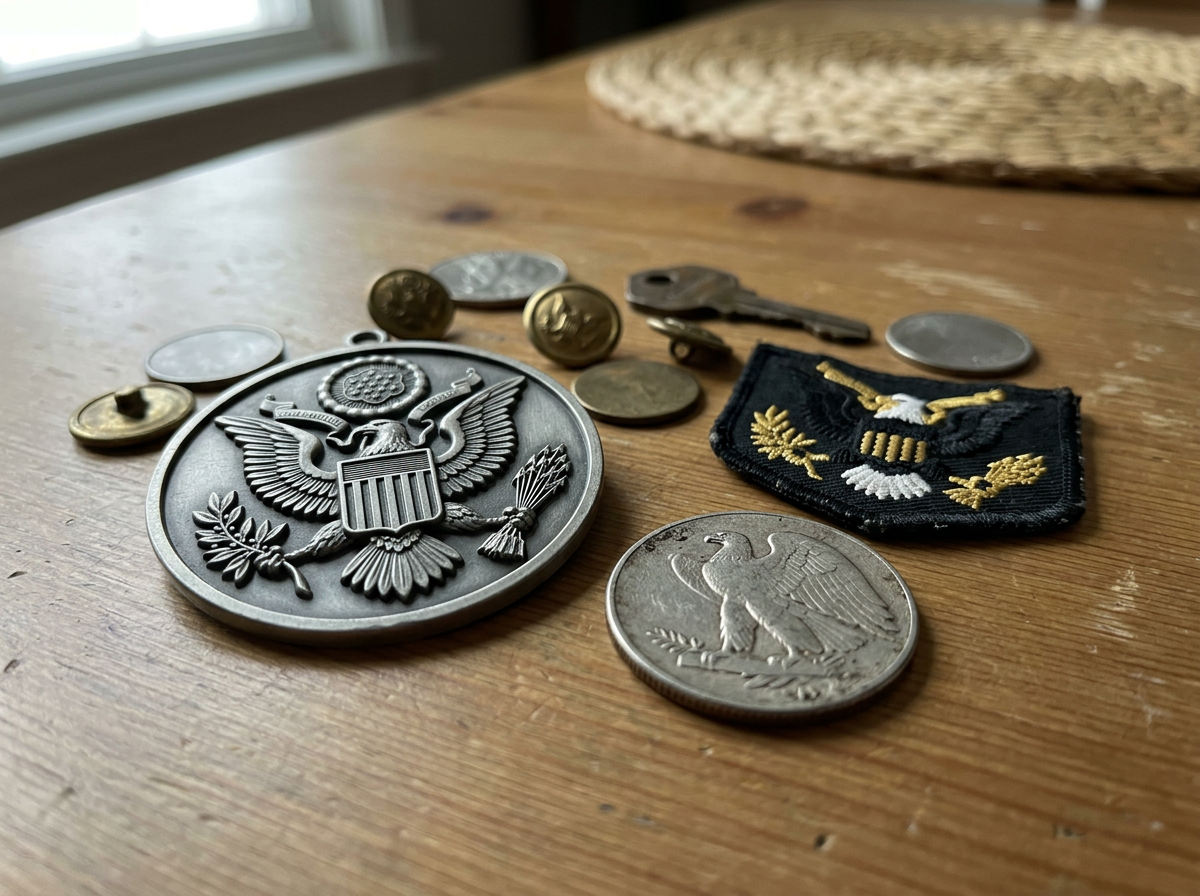
The bald eagle appears everywhere in American public life: on the Great Seal, on the Presidential Seal, on coins and currency, on military insignia, on government agency logos, and in countless works of public art. It is probably the single most reproduced animal image in American government design. The 2024 law that formally designated it as the national bird was largely about aligning statute with what Americans had already recognized for over 240 years. The 2024 law that formally designated it as the national bird was largely about aligning statute with what Americans had already recognized for over 240 years.
If you are curious about how the U.S. compares with other countries in this space, this site covers national birds from around the world, including symbols like the peacock of India, the quetzal of Guatemala, and dozens more. Each country's choice tells its own story about national identity and history, much like the bald eagle tells America's. You might also find it interesting to look at what bird served as America's symbol before the bald eagle was formally codified, or to explore the full history of Ben Franklin's turkey comment and what it really meant. Those threads are worth following if this one sparked your curiosity.
FAQ
Is the bald eagle the national bird of America in federal law, or just a traditional symbol?
It is now both. The bald eagle functioned as the national emblem through tradition and the Great Seal starting in 1782, but it was only codified as the official national bird when the 2024 legislation was signed on December 23, 2024 and placed it into Title 36.
What is the difference between the “national bird” and the “national emblem” in the United States?
The national bird designation is about a specific species. The emblem concept is broader, and the bald eagle appears as a centerpiece on national seal imagery and many government marks, which is why people often treat the two roles as the same thing even though they are distinct designations.
Why do people sometimes think the United States has a “national animal” like other countries?
The U.S. uses separate categories under Title 36 for different symbols, such as the national bird, national floral emblem, and national motto. There is not a single umbrella “national animal” designation for the way some countries name one species as the national animal.
Does “national bird” mean you can legally take a bald eagle or its feathers?
No. Even though the species recovered and was delisted from the endangered list, the Bald and Golden Eagle Protection Act still restricts taking, possessing, selling, transporting, or disturbing bald eagles and their parts. Activities that affect eagles typically require federal authorization.
How can I tell a bald eagle from a juvenile or from a different large raptor?
Juvenile bald eagles do not look white-headed, they are mostly dark with mottled white patches, and it can take years for the adult pattern. A practical tip is to use context, look near water with large raptors, and confirm size and overall shape, especially the head and tail pattern once the bird is mature.
Where in the country are bald eagles most commonly seen?
They are most often spotted near open water and where fish are available, such as lakes, rivers, reservoirs, and coastlines. Well-known areas for sightings include the Pacific Northwest, the Great Lakes region, Florida, and other places with suitable nesting trees and prey.
Was Benjamin Franklin ever officially involved in choosing a national bird?
Not in an official way. The “turkey” comment tied to Franklin is from a personal letter and is not the result of a formal proposal or a congressional action, so it should not be treated as evidence of an official national bird selection.
If someone asks “who is the national bird of America,” what should the correct answer be?
It should be answered as a species, not a person or office. The national bird is the bald eagle, so the expected response is a bird, not a name.
When did bald eagles lose and regain federal endangered status?
They were listed as endangered in 1967, and later delisted after recovery efforts, with the announcement made on June 28, 2007. Delisting took effect 30 days after the Federal Register publication, but other federal protections continued under the eagle protection act.
Next Article
What Did Ben Franklin Want the National Bird to Be?
Identifies Ben Franklin’s proposed national bird, the exact evidence, and how it differed from the US official choice.