
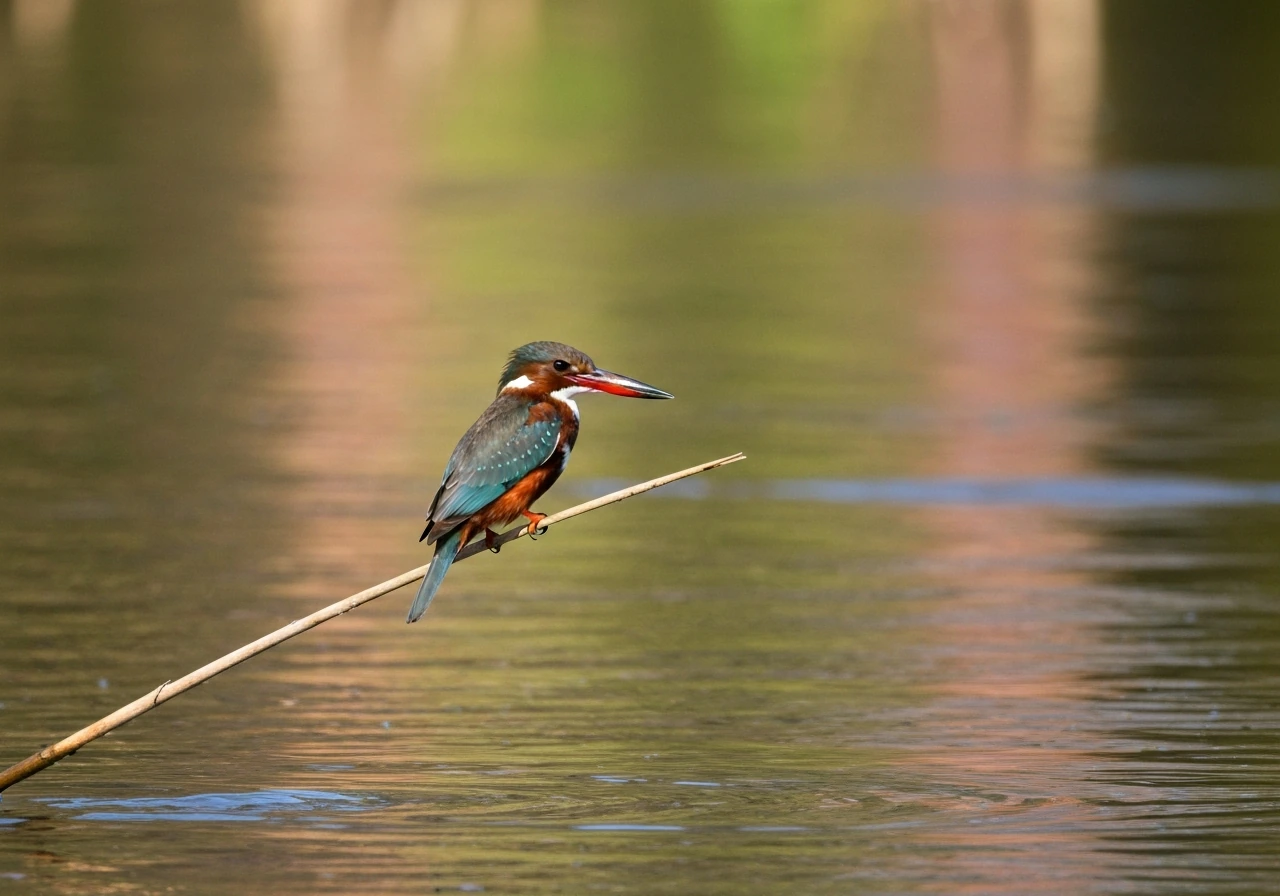
West Bengal does not have a "national bird" because it is a state within India, not an independent country. The correct term is its state bird, and that bird is the White-throated Kingfisher (Halcyon smyrnensis), also commonly called the White-breasted Kingfisher. This is the officially designated bird symbol of West Bengal, confirmed in government documents including publications from the West Bengal Pollution Control Board and the Office of the Principal Accountant General.
What Is the State Bird of West Bengal? Answer and Facts

Marcus Chen
1 May 2026
The national bird vs. state bird confusion, cleared up
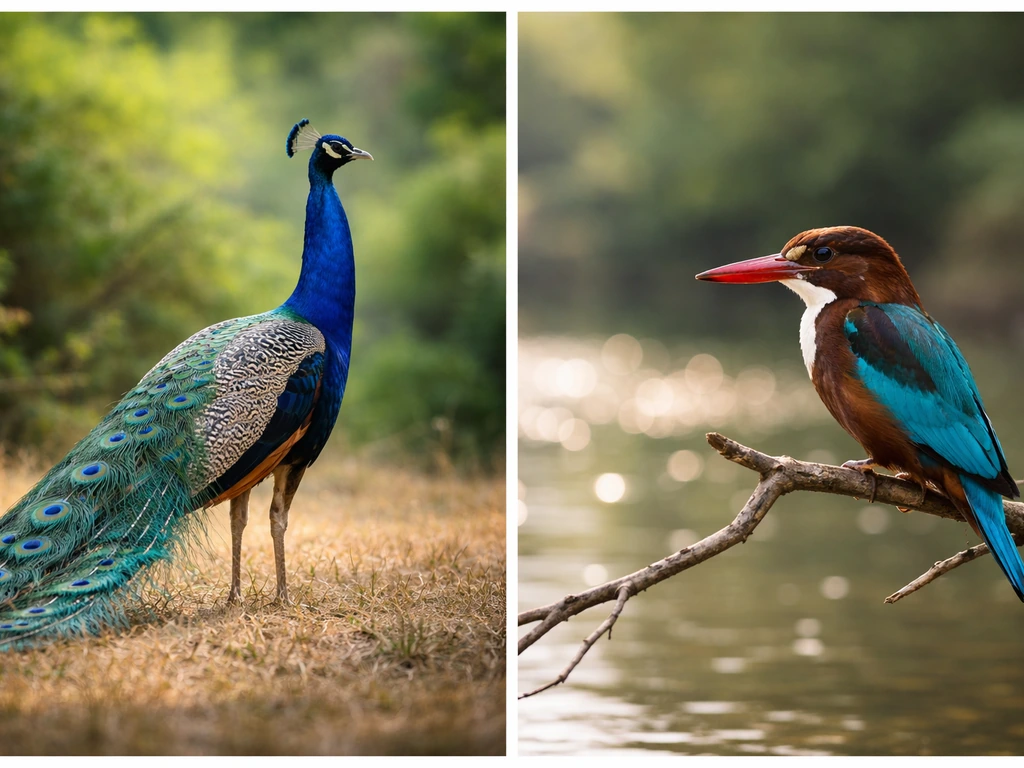
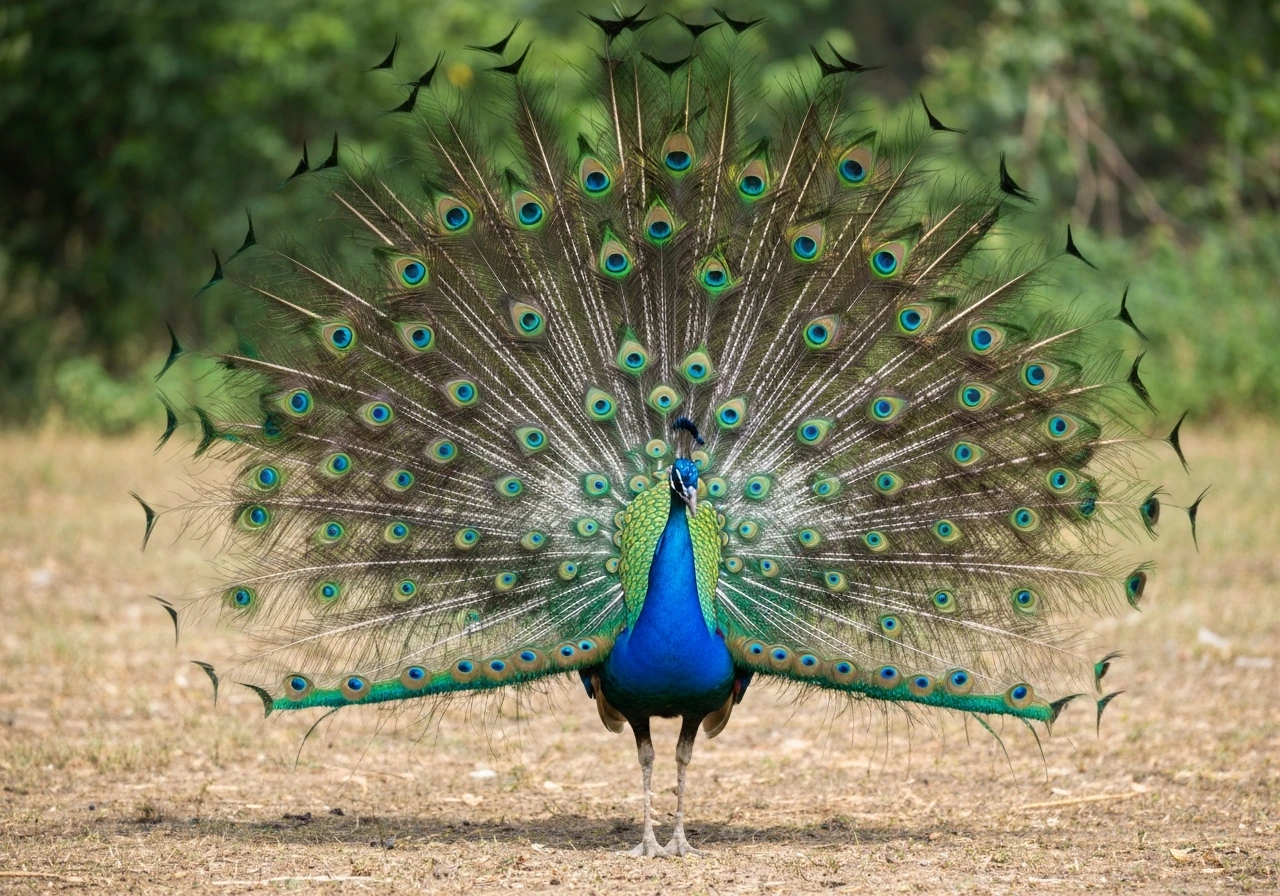
If you searched for "national bird of West Bengal," you are not alone. It is one of the most common mix-ups in Indian geography trivia. West Bengal is one of India's 28 states, so it falls under India's national symbols rather than having its own. India's national bird is the Indian Peacock (Pavo cristatus), a completely different species. What West Bengal does have is a state bird, which is its own sub-national emblem chosen to represent the state's natural heritage. That distinction matters when you are studying, taking a quiz, or just trying to get the fact right.
The same logic applies across the subcontinent. If you look at topics like the national bird of India, the national bird of Bangladesh, or the national bird of Pakistan, those refer to sovereign nations with their own national-level symbols. If you look at topics like the national bird of India, the national bird of Bangladesh, or the national bird of Pakistan, those refer to sovereign nations with their own national-level symbols.
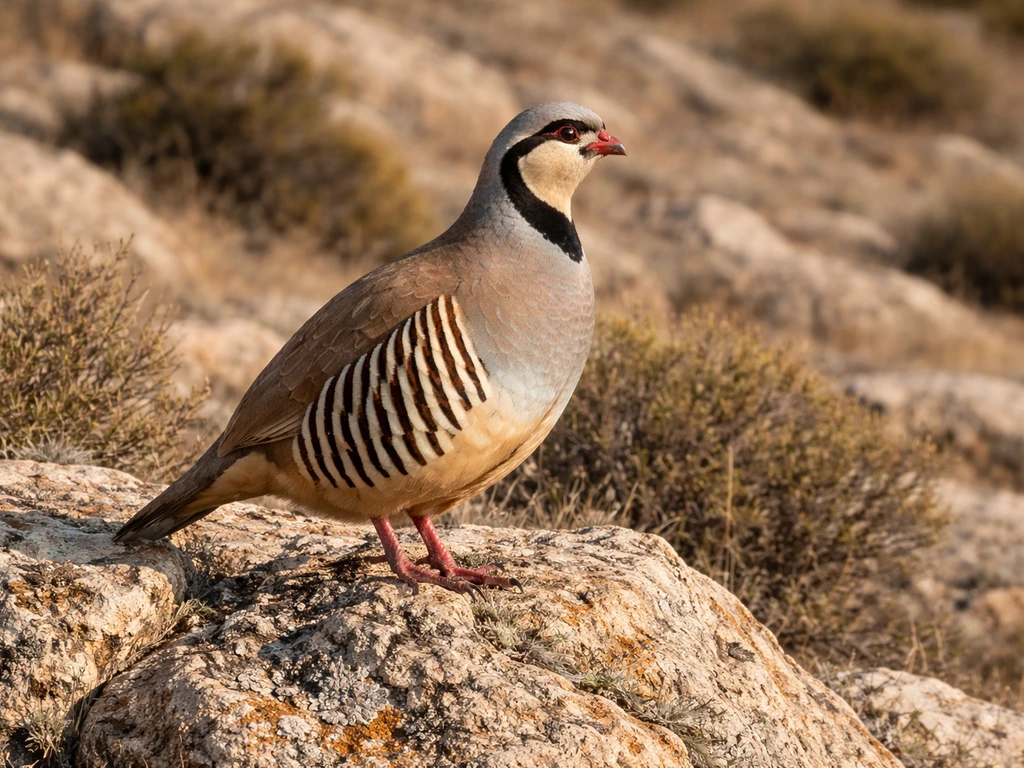
For a drawing guide, see also how to draw national bird of india. Pakistan's national bird is the Chukar Partridge, sometimes called Chakor the national bird of Pakistan. West Bengal sits one level below that in the political hierarchy, so its bird is a state symbol rather than a national one.
The White-throated Kingfisher: West Bengal's official state bird
The White-throated Kingfisher (Halcyon smyrnensis) is listed as the State Bird of West Bengal in official state publications, the Directorate of Forests' Wildlife Wing records, and the standard List of Indian State Symbols. In Bengali, it is known as ধলাগলা মাছরাঙা (Dhalagoला Machhranga), though you may also see it written as সাদাবুক মাছরাঙা in some regional birding publications. Both names essentially describe the same bird: a strikingly colored kingfisher with a chestnut head, brilliant turquoise-blue back and wings, and that distinctive white throat and breast patch that gives it its English name.
The scientific name smyrnensis comes from Smyrna, the ancient name for the city now known as İzmir in Turkey. That is where early European naturalists first formally described the species. It is a small historical footnote worth knowing: this very South Asian bird carries a name tied to the eastern Mediterranean coast, simply because of where the type specimen was catalogued in the 18th century.
The bird measures about 27 to 28 cm in length, making it a medium-sized kingfisher. Unlike many kingfishers, it is not strictly tied to water. You will find it perched on telephone wires, tree branches, or rooftops in urban Kolkata just as often as along riverbanks or ponds. A Wikimedia Commons record even documents a sighting at Baranagar in Kolkata, illustrating how deeply embedded the bird is in everyday West Bengal life.
Why this kingfisher represents West Bengal
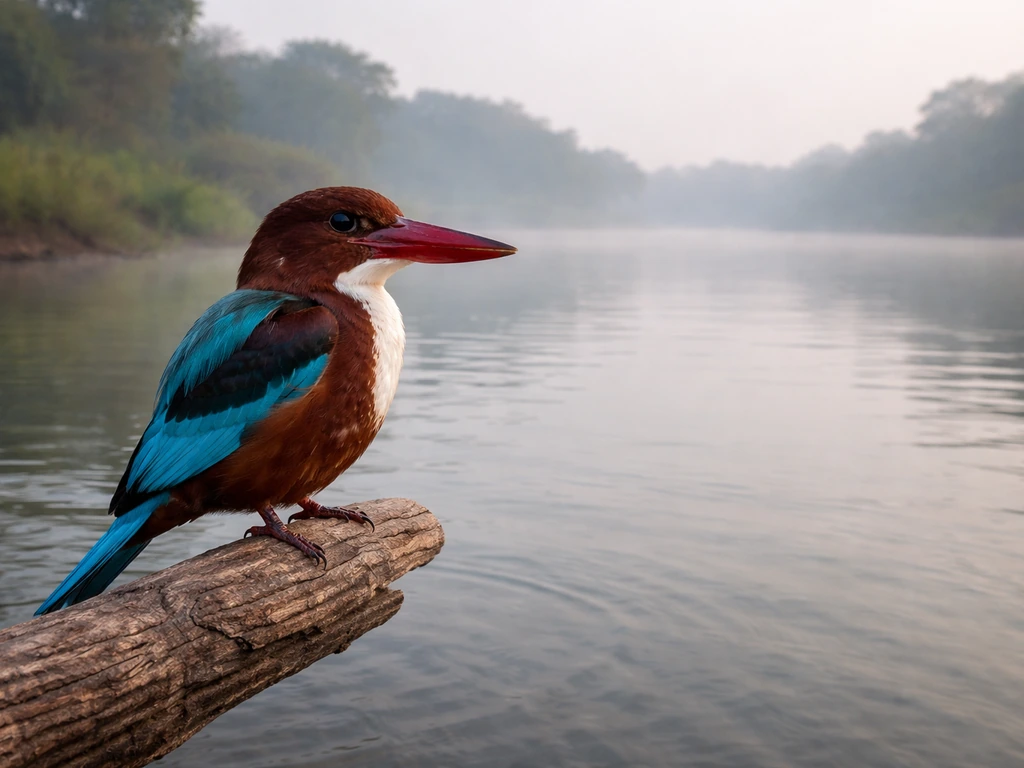
Formal records of exactly when West Bengal's legislature or government designated the White-throated Kingfisher as the state bird are not widely publicized, which is common for many Indian state bird designations. However, the reasoning behind the choice is visible in the bird's own story. West Bengal is a state shaped by water: the Ganges delta, the Sundarbans mangrove system, thousands of ponds and wetlands, and the Bay of Bengal coastline. The kingfisher is the quintessential bird of these waterscapes. It is one of the most recognized and beloved birds across the state, familiar to villagers in rural districts and to schoolchildren in Kolkata alike.
The White-throated Kingfisher also carries cultural weight in Bengali folklore and daily life. Fishermen and farmers would have shared landscapes with this bird for centuries. Its bold colors and loud, laughing call make it unmistakable. Choosing it as a state symbol reflects a genuine connection to the land and its water-rich geography rather than a purely administrative decision.
An Indian Express report covering a bird festival at the Sundarban Tiger Reserve specifically calls out the white-breasted kingfisher as "the state bird of West Bengal," showing that the designation is actively used in public and conservation contexts, not just dry official documents.
Quick facts worth knowing
| Detail | Information |
|---|---|
| Common names | White-throated Kingfisher, White-breasted Kingfisher |
| Bengali name | ধলাগলা মাছরাঙা (Dhalagoла Machhranga) |
| Scientific name | Halcyon smyrnensis |
| Length | 27–28 cm |
| IUCN status | Least Concern (LC) |
| Range | Sinai Peninsula east through the Indian subcontinent to China and Indonesia |
| Breeding season | Onset of the monsoon season |
| Habitat in West Bengal | Wetlands, riverbanks, agricultural land, urban gardens, ponds |
| Official designation | State Bird of West Bengal |
A bird you will actually see
One thing that makes this choice feel right is how visible the bird actually is. The White-throated Kingfisher has an IUCN conservation status of Least Concern, meaning it is not rare or threatened. Its range stretches from the Middle East all the way through South and Southeast Asia to China and Indonesia, but it is especially common across the Indian subcontinent. In West Bengal, you genuinely do not need to trek deep into a forest reserve to spot it.
A walk along a canal in any district, or even a glance at a wire above a rice paddy, will often produce a sighting. Its breeding season begins at the onset of the monsoon, which in West Bengal is a culturally loaded time of year tied to renewal and agricultural life.
National bird vs. state bird in India: how it works
India operates on two levels of bird symbolism. At the national level, the Government of India has declared the Indian Peacock as India's national bird. Wikipedia’s “National symbols of India” page states that the Indian peacock was designated as the national bird of India in February 1963 [Indian Peacock as India's national bird](https://en. wikipedia.
org/wiki/Nationalsymbolsof_India). India’s national portal, india. gov. in, has a dedicated page on the national bird [the Government of India has declared the Indian Peacock as India's national bird](https://www.
india. gov. in/explore-india/facts-of-india/national-identity/national-bird). That single designation covers the entire country.
Below that, each of India's states has the authority to designate its own state bird, state animal, state tree, and state flower as symbols of its regional identity and natural heritage. These are adopted by state governments and legislatures rather than by the central government.
So when you see a reference to the "national bird of Jammu and Kashmir" or a similar phrasing for any Indian state, the technically correct term in every case is state bird, not national bird. The technically correct term for Jammu and Kashmir is its state bird, not its national bird national bird of Jammu and Kashmir. The confusion is widespread in online searches and even in some educational materials, but the distinction is straightforward once you understand India's federal structure.
This also helps explain why neighboring countries have their own completely separate national birds. Bangladesh has its own national bird, Pakistan has its own (the Chukar Partridge, or Chakor), and India's national bird is the Peacock. The national bird of Pakistan is the Chukar Partridge (also spelled Chakor), and it is often confused with state birds in other places.
If you are asking specifically about Bangladesh, the country’s national bird is a different bird entirely from any Indian state bird national bird of Bangladesh. These are sovereign-nation-level designations. West Bengal, as part of India, contributes its state bird to India's rich mosaic of regional symbols, with the White-throated Kingfisher sitting alongside 27 other state birds from across the country.
The bottom line
The bird that officially represents West Bengal is the White-throated Kingfisher (Halcyon smyrnensis). Call it the state bird, not the national bird. If you are also looking for the national bird of India, it is the Indian Peacock. It was chosen because it is deeply woven into the waterscapes and daily life of the state, it is visually striking, and it is genuinely common across West Bengal's rivers, wetlands, and even its cities.
If you ever visit the state and want to tick it off your list, just find a pond or a canal and wait a few minutes. Chances are good you will hear its loud, cascading call before you spot its brilliant turquoise flash. To learn how to draw the national bird of Nepal, use clear outlines first, then add the bird’s characteristic colors and shape details.
FAQ
Is the White-throated Kingfisher the official bird symbol of West Bengal, or just a commonly seen bird there?
It is treated as the official state bird symbol of West Bengal in standard records of Indian state symbols, not just a local nickname for a bird. However, because some states do not publish the original resolution widely online, official designation details may be harder to locate than the bird name itself.
Why do some websites say the “national bird of West Bengal” is something else?
Most mix-ups come from search phrasing. Since West Bengal is not a country, any “national bird” label for it is usually incorrect or copied from a generic template. The accurate framing for quizzes and school notes is “state bird of West Bengal,” which is the White-throated Kingfisher.
What bird should I write if my homework asks for the “national bird of West Bengal” but expects one single answer?
Write the state bird answer, the White-throated Kingfisher (Halcyon smyrnensis), and if there is room add “(state bird, not national).” This addresses the common wrong wording while still giving the correct species.
Are there multiple kingfishers in West Bengal that people confuse with the White-throated Kingfisher?
Yes. In the region, other kingfishers can look similar at a glance. The White-throated Kingfisher is best confirmed by its distinctive white throat and breast patch plus its chestnut head and turquoise-blue upperparts, and by its often noisy, “laughing” call.
What is the Bengali name for the White-throated Kingfisher, and why do names vary?
You may see different Bengali spellings used in birding materials, including ধলাগলা মাছরাঙা (Dhalagoła Machhranga) and সাদাবুক মাছরাঙা (Sādābuka Machhranga). Variations usually come from transliteration choices rather than a different species.
Where in West Bengal is it easiest to spot this bird if I have limited time?
You do not need to go deep into forests. The bird is often seen perched on wires or rooftops near human activity, and around canals, ponds, and rice paddies. Early morning and late afternoon walks along waterways tend to produce more sightings because calls are more noticeable.
Does the bird’s conservation status affect whether it is truly a “state bird”?
Not directly. A state bird designation is about representation, visibility, and cultural fit more than rarity. The White-throated Kingfisher being common and listed as Least Concern simply makes it practical to recognize across districts.
Next Articles
What Is the National Bird of Bangladesh? Symbolism and Facts
Bangladesh national bird answer and meaning, with symbolism, common mix-ups, and how to verify the official emblem
What Is the National Bird of Pakistan? English and Urdu Names
Pakistan national bird is the Chukar partridge, in English and Urdu names, with meaning and selection history.
What Is the National Bird of India? Official Answer
India’s national bird is the Indian peafowl, chosen for cultural symbolism and official national designation, not state