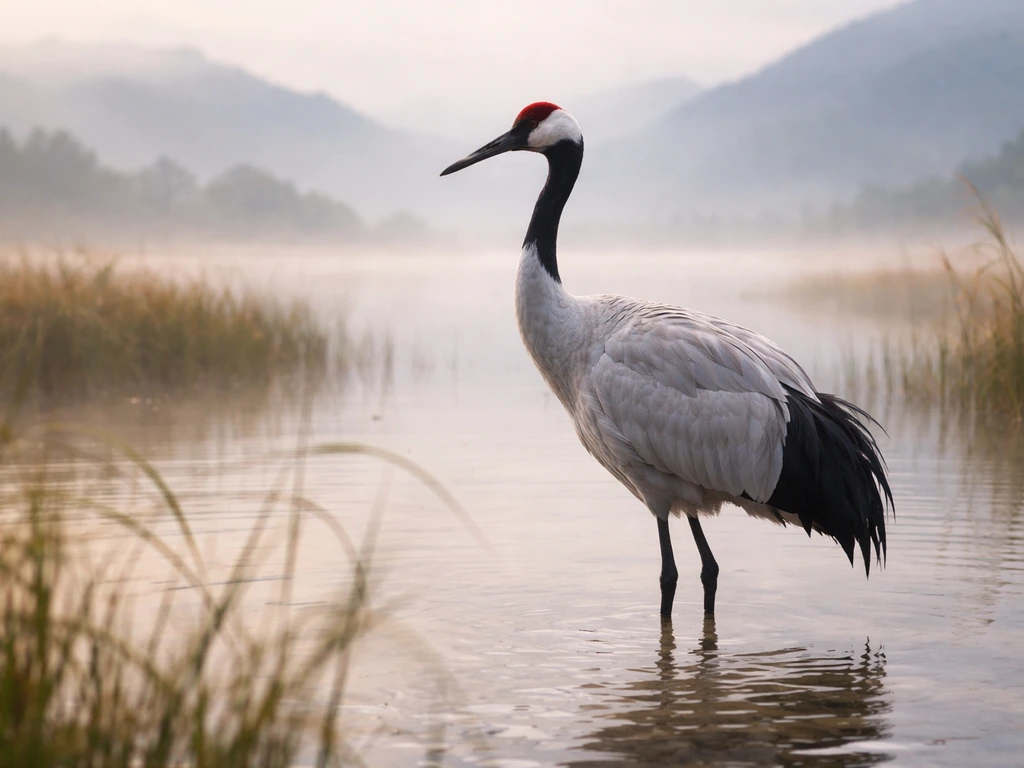
Singapore's national bird is the Crimson Sunbird (Aethopyga siparaja). It was chosen through a public poll organised by the Nature Society (Singapore) in 2002 and formally declared the national bird by the Nature Society in 2015. One important caveat worth knowing upfront: this is not a government-decreed symbol the way Singapore's national flower (Vanda Miss Joaquim) is. It's a community-recognised symbol backed by the country's leading nature organisation, not a statutory declaration under Singapore's National Symbols Act. The national bird of China is the red-crowned crane, known for its elegant white plumage Singapore's national bird.
What Is the National Bird of Singapore? Meaning and History

Marcus Chen
23 May 2026
Meet the Crimson Sunbird
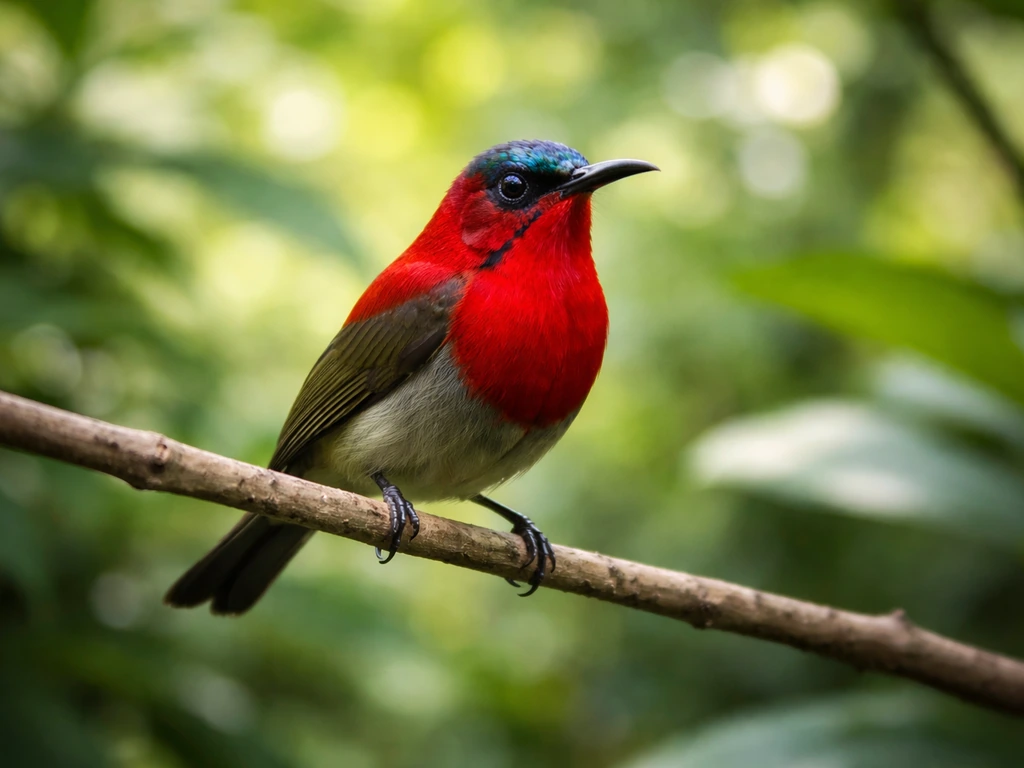
The Crimson Sunbird is a small, fast-moving bird that's hard to miss once you know what you're looking for. The male is the showstopper: a vivid crimson-red body, a dark blue crown and tail, dark grey underparts, and dark streaks on its face. The female looks quite different, with olive-green plumage and a black crest spotted with white. NParks describes the male perfectly as 'strikingly red,' which is really the whole point of why it became Singapore's symbolic bird.
Its scientific name is Aethopyga siparaja. It belongs to the sunbird family, which are the Old World's answer to hummingbirds. Unlike hummingbirds, though, sunbirds prefer to perch while feeding rather than hover in mid-air. You'll spot them in parks, gardens, and nature reserves across Singapore, including at Sungei Buloh Wetland Reserve where NParks specifically points it out as a highlight for birdwatchers.
| Detail | Info |
|---|---|
| Common name | Crimson Sunbird |
| Scientific name | Aethopyga siparaja |
| Size | Small (roughly 11 cm) |
| Male plumage | Crimson-red body, dark blue crown and tail, grey underparts |
| Female plumage | Olive-green, black crest spotted with white |
| Feeding style | Perch-feeds on nectar (does not hover like hummingbirds) |
| Where found in Singapore | Gardens, parks, Sungei Buloh, nature reserves |
Why the Crimson Sunbird? The symbolism behind the choice
The short version: it fits Singapore perfectly. The bird is small, energetic, and brilliantly red, which maps directly onto Singapore's well-known nickname, 'the Little Red Dot.' NParks spells this out explicitly, noting the bird was declared national bird because it is 'small, active and red, befitting Singapore's nickname.' That's a genuinely clever piece of symbolic thinking, and it's the kind of connection that makes a national symbol stick.
Beyond the nickname connection, the Crimson Sunbird is a species that Singaporeans can actually see in their everyday lives. It frequents gardens and feeds on nectar, including in public green spaces. ROOTS.gov.sg also describes the Crimson Sunbird as a hyperactive bundle of feathers that frequents the Gardens to feed on nectar. That visibility matters. A national bird most citizens have never encountered would be a hollow symbol. The Crimson Sunbird is the kind of bird that can show up in your garden or at Gardens by the Bay, which gives it real relevance to daily life.
Voters in the 2002 Nature Society poll cited the male's 'brilliant red plumage' and the bird's 'small and active' character as the main reasons for their choice. Those qualities weren't just aesthetic preferences. They reflected how Singaporeans wanted to see their country: vibrant, dynamic, and punching above its size.
How and when it became Singapore's national bird

The story starts on 25 May 2002, when the Nature Society Singapore (NSS) invited the public to vote for a national bird at the organisation's first Nature Day. The poll drew attention to several shortlisted contenders, including the Olive-backed Sunbird and the Oriental Pied Hornbill. The Crimson Sunbird came out on top. The vote was held on 27 May 2002, and the result was clear.
The declaration then sat in that informal limbo for over a decade. It wasn't until 31 October 2015, at an event held alongside the 6th Asian Bird Fair, that the Nature Society published a blog post officially announcing the Crimson Sunbird as Singapore's national bird. That announcement generated both excitement and some confusion about what 'national bird' actually meant in a legal sense.
And that confusion is worth addressing directly. Singapore's formal national symbols, like the flag, the anthem, and the national flower, are governed under the National Symbols Act. The Crimson Sunbird has no such legal status. Nature Society itself clarified after the 2015 announcement that the declaration 'is not a decree,' and that the goal was to 'generate public interest' in Singapore's birdlife. So think of it as the people's bird, not a government-designated symbol.
Stories and details you'll probably find interesting
One thing that catches people off guard is the comparison to hummingbirds. Visitors from the Americas often expect sunbirds to hover like hummingbirds, since both feed on nectar and look superficially similar. But they're from entirely separate evolutionary lineages and have quite different feeding behaviours. The Crimson Sunbird sits on a perch and leans in to drink, which is actually how you can spot one: look for a flash of red sitting still near a flowering plant.
The bird has also made its way into Singapore's cultural iconography beyond just the national-bird label. It was featured on the Staedtler SG50 Flora and Fauna Fountain Pen, a commemorative product held in the National Museum collection that celebrated Singapore's 50th anniversary. The ROOTS listing for the Staedtler SG50 Flora and Fauna Fountain Pen describes it as an SG50 National Museum collection item featuring iconic Singapore flora and fauna, including the Crimson sunbird. That kind of inclusion, alongside other iconic Singapore flora and fauna, says a lot about how embedded the Crimson Sunbird has become in the national visual identity.
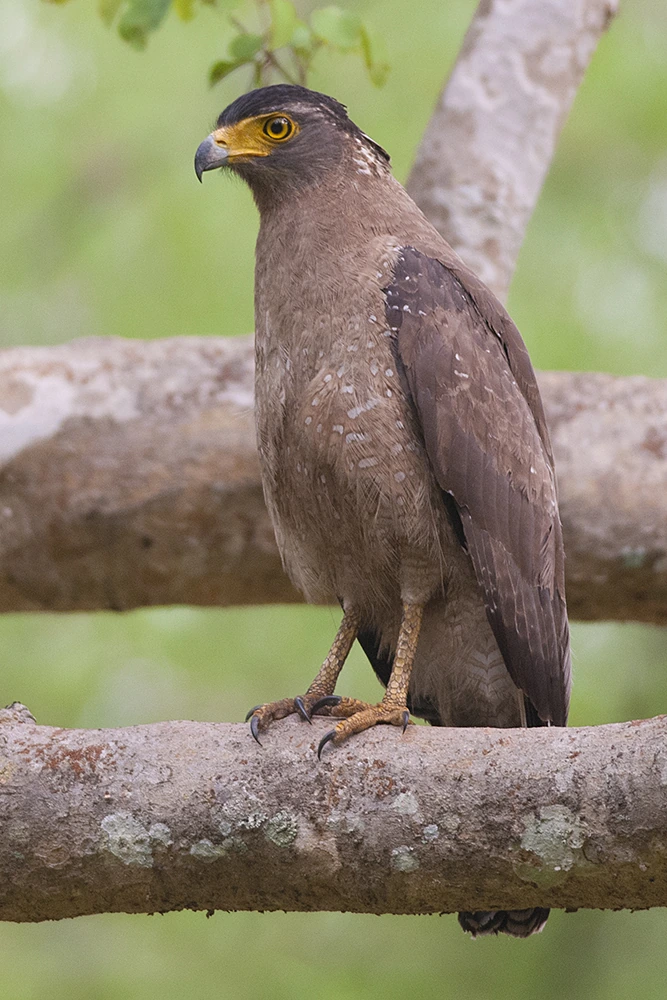
If you've searched and ended up reading about the Crested Goshawk (Accipiter trivirgatus) in connection with Singapore's birds, that's a different species entirely. The Crested Goshawk is a raptor found in Singapore and listed in NParks' FloraFaunaWeb, but it has no connection to the national bird story. The mix-up occasionally happens online, so it's worth being clear: Singapore's national bird is the Crimson Sunbird, full stop.
Where to go next if you want more
If you want to see the Crimson Sunbird in person, Sungei Buloh Wetland Reserve is one of the best starting points. NParks explicitly lists it as a bird to look out for there, and the reserve's visitor materials use it as an educational highlight. Gardens by the Bay and many neighbourhood parks in Singapore are also reliable spots, since the bird is drawn to flowering plants and is comfortable in urban green spaces.
For deeper reading on Singapore's bird heritage, the ROOTS.gov.sg portal (run by the National Heritage Board) has accessible entries on Singapore's native creatures including the Crimson Sunbird. The Nature Society Singapore's Bird Group is the organisation behind the national bird selection and keeps active records of Singapore's avifauna, making it a good resource if you're interested in the birdwatching side of things.
Singapore sits in a fascinating region for national bird symbolism. You might be wondering the same thing for Taiwan, so here is the answer to what is the national bird of taiwan. Its neighbours all have their own distinct choices with equally interesting stories. Malaysia's national bird is the Rhinoceros Hornbill, a dramatically different choice that reflects the peninsula's rainforest identity.
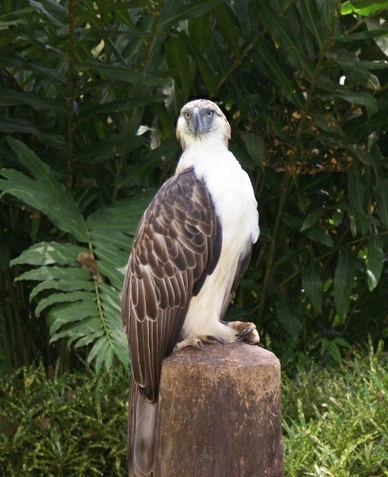
Malaysia's national bird is the Rhinoceros Hornbill, so it is a great place to start if you want the official name and meaning. Indonesia went with the Javan Hawk-Eagle (also known as Garuda in mythological form). If you meant Indonesia specifically, the national bird is the Javan Hawk-Eagle Indonesia went with the Javan Hawk-Eagle. The Philippines chose the Philippine Eagle, one of the world's largest and most endangered raptors.
If you're wondering what it is, the national bird of the Philippines is the Philippine Eagle. Each of those choices tells you something specific about how a country sees itself, which is really what national birds are all about.
FAQ
Is Singapore’s national bird an official government symbol under the National Symbols Act?
In Singapore, the national bird is Crimson Sunbird, but it is not part of the legally governed national symbols set under the National Symbols Act. In practice, that means you will see it promoted by nature and public-interest organisations rather than treated as a statutory emblem like the national flower.
Why do people struggle to identify the Crimson Sunbird in Singapore?
The male Crimson Sunbird is the easiest to recognize because of its vivid crimson red body and dark blue crown and tail. Females are much more olive-green, often with a dark crest, so if you only look for red you may miss a breeding pair.
Do Crimson Sunbirds hover like hummingbirds when feeding?
No, you are not likely to see it as a hummingbird-like hoverer. Sunbirds generally perch and lean in to drink nectar, so scan flowering plants and look for a small bird that pauses rather than rapidly hovers.
Where in Singapore is the best place to spot the national bird?
Sungei Buloh Wetland Reserve is a strong starting point because NParks specifically flags the species there. For another easy option, try flowering areas in neighbourhood parks and Gardens by the Bay, since nectar sources in urban green spaces can attract them.
What’s a quick identification tip if I’m trying to confirm it’s the Crimson Sunbird?
During search or birdwatching, focus on the behaviour and setting, not just color. A quick method is to look for a small bird sitting near flowers, then note the male’s red plumage and blue-black head, if visible through the canopy.
Why do I see different years mentioned for Singapore’s national bird?
The national bird label was driven by a public vote in 2002, but it was communicated as an official announcement later, in 2015. If you notice different dates mentioned online, it usually reflects this difference between selection and later public clarification.
Is the Crested Goshawk the national bird of Singapore?
If a page mentions another species like the Crested Goshawk, treat it as a different bird topic. The Crested Goshawk is a raptor present in Singapore, but it does not connect to the national bird selection story.
Has Singapore’s national bird been used in pop culture or national commemorations?
Yes. The Crimson Sunbird’s design and story have been used in commemorative cultural items, such as the Staedtler SG50 Flora and Fauna Fountain Pen shown in the National Museum collection, which helps explain why the bird appears in broader Singapore iconography beyond birdwatching.
If I can’t find the Crimson Sunbird today, what should I try next?
Because the bird is a species, not a location marker, sightings can vary by season and nectar availability. If you do not see one at a usual spot, try the same area near flowering periods, or move to another park with nectar-rich plants rather than assuming the bird has disappeared.