The kiwi bird is important to New Zealand because it is found nowhere else on Earth, it has deep roots in Māori culture, and it has represented the country and its people for well over a century. It is officially recognized as New Zealand's national bird, and the word 'Kiwi' is even the everyday nickname for New Zealanders themselves. That kind of double meaning, as both a bird and a people, tells you everything about how central this small, flightless creature is to the national identity.
Why Is the Kiwi Bird Important to New Zealand?

Marcus Chen
30 Apr 2026

Why the kiwi became New Zealand's national bird

Most national birds are chosen because they are majestic, visible, or dramatic. The kiwi is none of those things. It is flightless, nocturnal, and so shy that most New Zealanders have never seen one in the wild. Te Ara, the Encyclopedia of New Zealand, openly calls it 'an unlikely choice for a national symbol.' And yet it became the dominant symbol for New Zealand in editorial cartoons by 1908, outlasting earlier candidates like the moa, the fern leaf, a small boy, and even a lion cub.
The reason the kiwi stuck is that it captured something honest about New Zealand rather than something aspirational. It is not borrowed from another tradition. It does not echo the symbols of colonial powers. It is simply, completely, and exclusively New Zealand's own. That authenticity made it a natural fit as the country searched for a distinct national identity separate from Britain.
The kiwi's popularity as a national emblem also got a significant boost through wartime. The Kiwi Concert Party during the Second World War and the Kiwi (New Zealand Army) Football Team's 1945 to 1946 tour both spread the name and image internationally, cementing 'Kiwi' as shorthand for 'New Zealander' in the minds of people around the world.
What makes the kiwi uniquely New Zealand's
The kiwi belongs to the genus Apteryx and comprises five species, all of them endemic to New Zealand. That means they exist in the wild in exactly one place on the planet. This endemism is central to why the kiwi works so well as a national symbol. It cannot represent anywhere else because it lives nowhere else.
Its biology is also genuinely unusual. Kiwi are ground-dwelling, flightless birds with vestigial wings that are barely visible under their hair-like feathers. They have nostrils at the tip of their long bill, which they use to probe the ground for food, a trait almost unique among birds. They lay eggs that are enormous relative to their body size, with the egg sometimes accounting for up to 20 percent of the female's body weight. These are not the characteristics of a generic bird. They are the characteristics of a creature that evolved in total isolation, shaped entirely by a single island environment.
The Department of Conservation (DOC) classifies kiwi as among the most distinctive and cherished birds in the country, and their imagery appears across New Zealand logos, coins, and official materials precisely because there is no risk of confusion with any other nation's wildlife.
The cultural and historical roots of kiwi symbolism
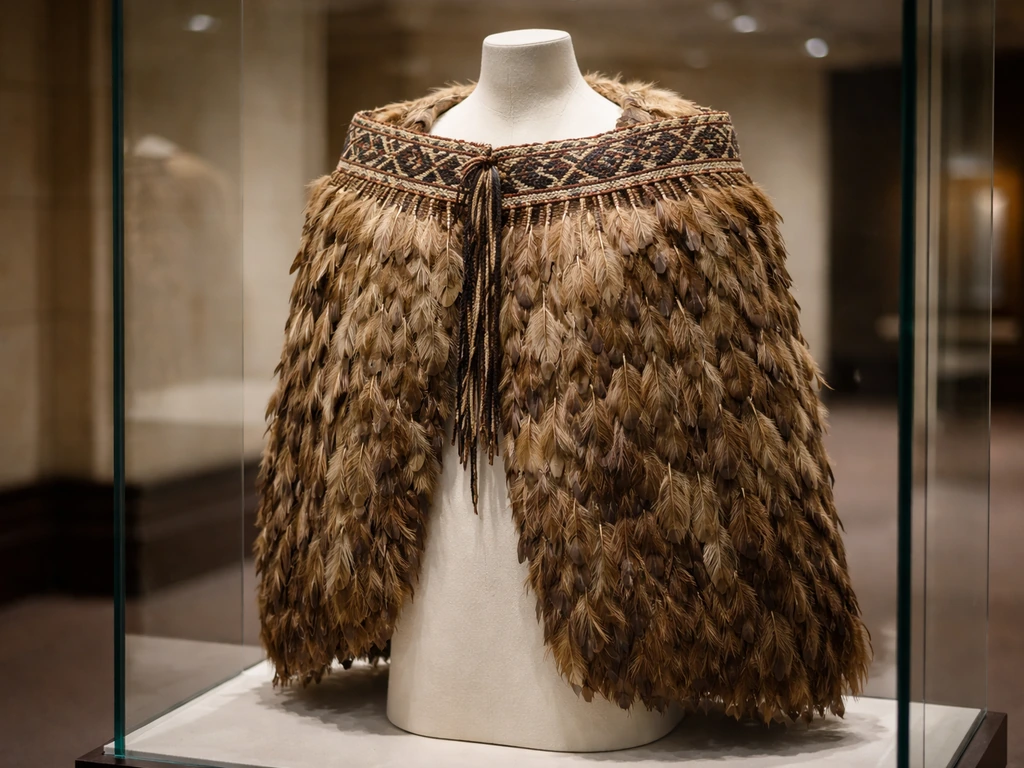
Kiwi have been part of Māori culture for centuries. Their feathers were used in prestigious kahu kiwi, the cloaks worn by rangatira (chiefs) as markers of high status. Te Papa also links these feathers to kiwi wairua, describing kahu kiwi cloaks as prized Māori taonga shaped by the spiritual presence of kiwi. This established the kiwi as a taonga, a treasured thing, long before European settlers arrived. That pre-existing cultural weight gave the kiwi a depth that other candidate symbols simply did not have.
When New Zealand began developing a visual national identity in the late 19th and early 20th centuries, the kiwi was already meaningful to a large portion of the population. It appeared on regimental badges for New Zealand soldiers in the First World War, further weaving it into the story of nationhood. By the time the New Zealand coat of arms was formalized, a brown kiwi was included as one of its supporters, a detail that the Governor-General's office specifically identifies as 'a symbol of New Zealand.'
What the kiwi means in modern New Zealand
Today, Te Papa Tongarewa, New Zealand's national museum, describes the kiwi plainly as 'the national bird of Aotearoa New Zealand,' and Tourism New Zealand calls it the country's national symbol outright. The bird's image is used on everything from the New Zealand dollar coin to sports team logos to government documents. Calling someone a 'Kiwi' is one of the most common ways to identify a New Zealander, at home and abroad.
But the kiwi's importance in modern New Zealand goes beyond branding. The bird is endangered. All five species face serious threats from introduced predators like stoats, ferrets, and dogs, as well as habitat loss and vehicle strikes. DOC established five dedicated kiwi sanctuaries in 2000, with active predator control and research programs. Save the Kiwi has raised and distributed more than seven million dollars toward conservation projects across the country.
This conservation urgency adds another layer to why the kiwi matters. It is not just a symbol printed on a logo. It is a living bird that New Zealanders are actively working to protect. The effort to save the kiwi has become part of the national identity itself, connecting environmental responsibility with cultural pride.
Kiwi in official and everyday New Zealand life
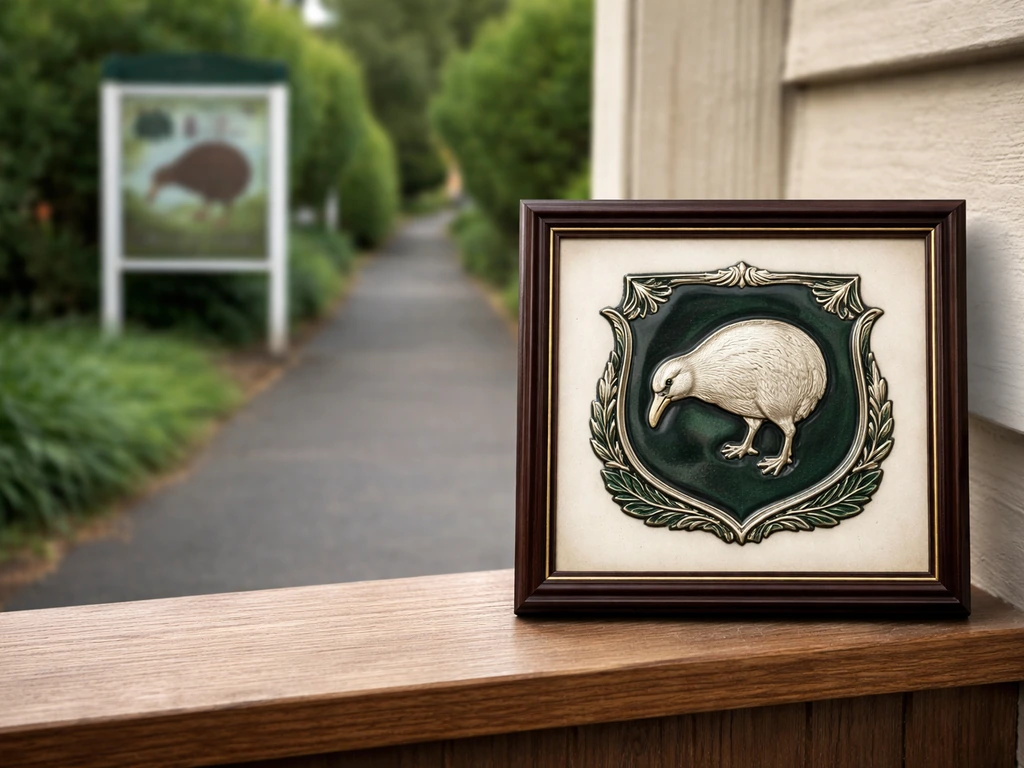
- The kiwi appears on New Zealand's coat of arms as an official national symbol, confirmed by the Governor-General's office
- The word 'Kiwi' is universally used as a nickname for New Zealanders, both at home and internationally
- Kiwi imagery is used across government logos, currency, sports teams, and commercial branding
- DOC runs dedicated kiwi sanctuaries and national recovery programs, making conservation a civic priority
- Te Papa's explainer on the kiwi as national bird is one of the museum's core public education resources
Where to go next if you want to dig deeper
If you want to keep learning, the best starting points are Te Papa's dedicated kiwi and national bird page, which covers both biology and symbolism in plain language, and DOC's kiwi hub, which gives you species profiles, threat information, and details on current conservation work. Te Ara, the online Encyclopedia of New Zealand, has a thorough entry on the kiwi's cultural history that is worth reading if you are curious about how the symbol evolved over time.
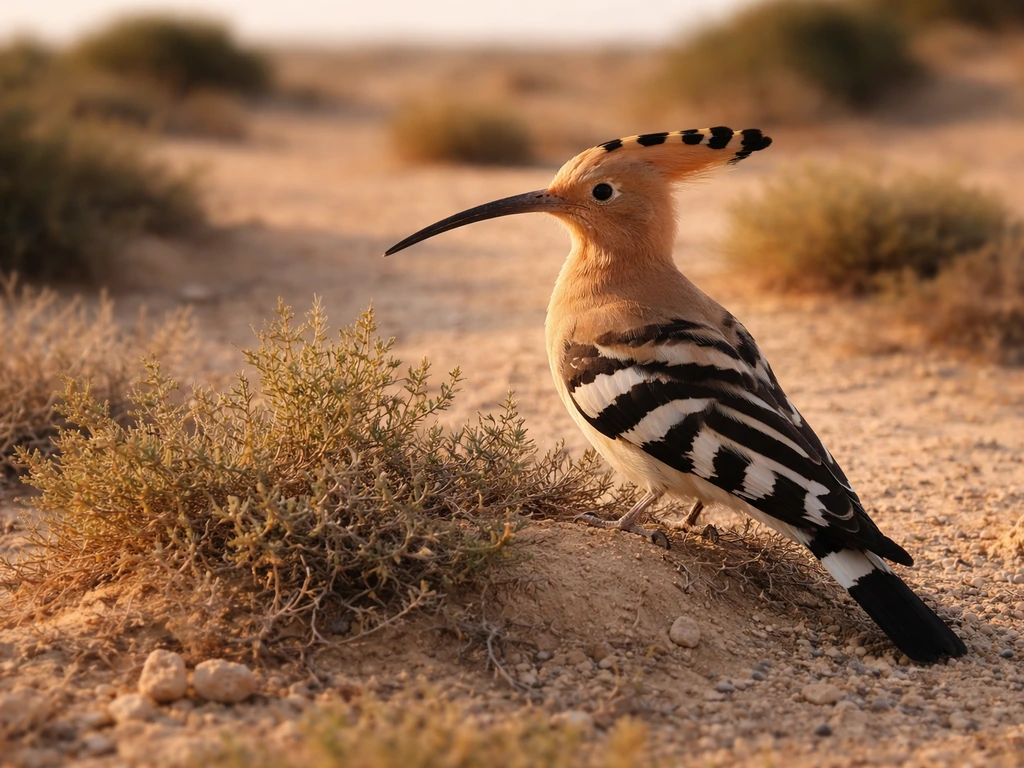
It is also worth exploring the broader question of how countries choose their national birds, since the kiwi's story is genuinely unusual compared with most. Many nations pick birds of prey or birds with striking plumage. New Zealand chose a small, nocturnal, flightless bird that hardly anyone sees in the wild, and that choice says something specific and interesting about what the country values. Looking at how other nations make similar choices, like Israel's selection of the hoopoe, gives useful context for understanding why these decisions carry so much cultural weight. In Israel, the hoopoe is chosen as a national bird because of its presence in the region and its symbolism in local tradition. The national bird of Israel is the hoopoe.
If your interest is specifically in the non-flying aspect of the kiwi, that angle is worth exploring on its own. The kiwi is one of the most well-known flightless birds in the world, and its inability to fly is directly connected to the isolated island environment that shaped it, which in turn is part of why it became such a powerful symbol of a place unlike anywhere else.
FAQ
Does the kiwi’s importance come only from its symbolism, or also from everyday culture?
New Zealanders often use “Kiwi” as a casual identity label, even when they are not talking about the bird itself. That connection matters because it turns conservation into a shared national responsibility, not just an animal protection issue.
Why is the kiwi important to New Zealand right now, not just historically?
The story includes both, but the conservation side is increasingly practical today. All five kiwi species are threatened mainly by introduced predators, so protecting kiwi often means large-scale trapping and predator-free habitats, not just awareness campaigns.
What finally made kiwi win as the national bird over older or extinct candidates?
If your question is about “why kiwi instead of moa or other candidates,” it helps to think about visibility and distinctiveness. The moa was real but extinct, while kiwi stayed emblematic because it is still living, uniquely New Zealand, and already embedded in Māori use and later wartime and national branding.
If most people have never seen kiwi in the wild, how did the symbol become so strong?
Kiwi are difficult to see because they are nocturnal and shy, which means the national symbol did not start with modern tourism-style familiarity. Instead, their cultural and ecological distinctiveness made them meaningful even without frequent wildlife sightings.
What does “endemic to New Zealand” change about why the kiwi matters as a national symbol?
A common mistake is assuming “endemic” means rare or just locally common. Here it means the species evolved and lives naturally in New Zealand only, so the bird cannot be replaced by a similar-looking species from elsewhere.
Are kiwi sanctuaries the only conservation effort, or is it bigger than that?
Kiwi sanctuaries are one layer, but the wider approach usually combines predator control, ongoing monitoring, and research to improve breeding and survival. That is why the importance is not limited to one protected site.
How does Māori cultural use make the kiwi more than just a picture on logos?
The taonga connection is about more than using kiwi images. Because feathers were used in high-status kahu kiwi, the bird carries cultural authority and respect that predates European settlement.
Is it accurate to talk about “the kiwi” as one bird species when there are multiple species?
In everyday terms, the “kiwi bird” label can sound like one animal, but the country has five species. That is why conservation stakes are higher than for a single, easily described species.
Does the “Kiwi” nickname affect conservation support or public awareness in a real way?
The naming detail can be confusing because “Kiwi” is both the nickname for New Zealanders and the bird itself. The practical takeaway is that media and official materials can influence public behavior, including support for habitat and predator management.
What are the biggest real-world threats to kiwi today, and what do they imply for action?
Vehicle strikes and dogs are not just generic hazards, they are major causes of mortality in the places where kiwi remain. If you are looking to help, support for local measures like road-speed management, responsible dog control, and fenced habitat often complements sanctuary programs.
Next Article
What Is the National Bird of Israel? Official Answer
Find Israel’s official national bird claim, the commonly cited symbol history, and key facts to verify conflicting answe