The quick answer: which country has the eagle as its national bird

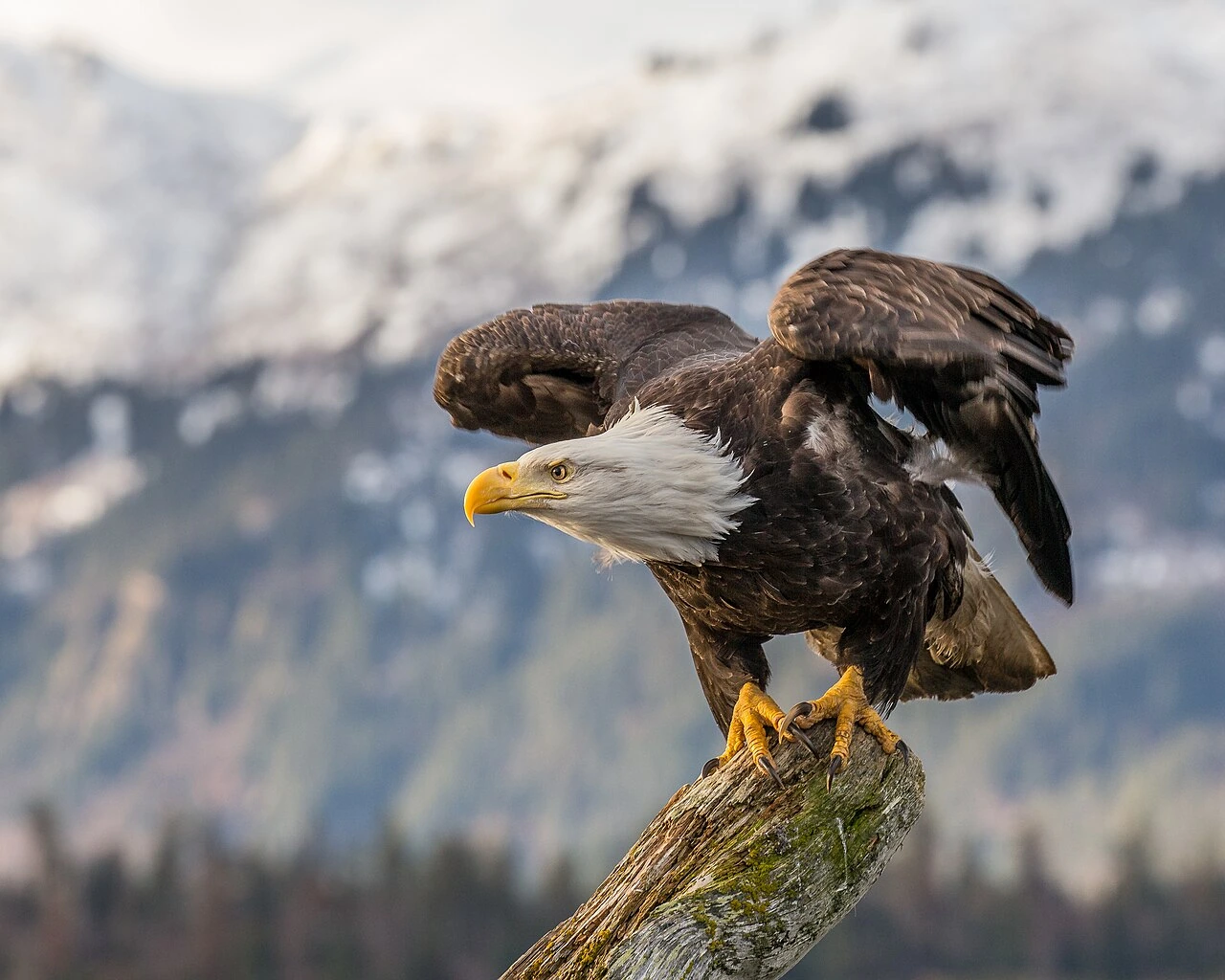
The most well-known answer is the United States, whose national bird is the bald eagle (Haliaeetus leucocephalus). That said, the eagle is one of the most widely used national bird symbols in the world, so depending on which eagle species you mean, the answer could point to several different countries. If you're specifically searching for the bald eagle, the United States is the one and only answer. If you're asking more broadly about eagles as national birds, you're looking at a list that spans multiple continents.
The bald eagle and the United States: the official story
The bald eagle has been the national bird and symbol of the United States of America for a long time in popular use, but it only became formally codified into law in December 2024. Public Law 118-206, titled 'Designation of Bald Eagle as National Bird,' amended Title 36 of the U.S. Code to make the designation official. Before that law, the bald eagle appeared on the Great Seal of the United States (adopted in 1782), which gave it enormous symbolic weight without a standalone statutory declaration as national bird.
The U.S. National Park Service describes the bald eagle as the 'national bird and symbol of the United States of America,' which captures both roles neatly. The U.S. National Park Service also describes the bald eagle as the national bird of the United States describes the bald eagle as the 'national bird and symbol of the United States of America'. It shows up on currency, government seals, federal agency logos, and military insignia. The bird is also native to North America, found exclusively on this continent, which made it a logical choice for a uniquely American symbol from the very beginning.
A conservation comeback worth knowing

By the 1960s, the bald eagle was nearly gone. Pesticide use (particularly DDT) thinned its eggshells and crashed populations to dangerously low numbers. The species was listed as endangered under the Endangered Species Act, and a coordinated conservation effort over several decades brought it back. By 2007, the bald eagle was removed from the endangered list. The U.S. Fish & Wildlife Service documents the Lower 48 delisting action in its official bald eagle removal page removed from the endangered list. Its recovery is one of the most cited success stories in American wildlife conservation, which made the 2024 formal national bird designation feel like an appropriate recognition of both the bird's symbolic and ecological significance.
More than one country: the full list of eagle national birds
The eagle is among the most popular symbols in national iconography worldwide, and many countries have designated an eagle species as their national bird. The exact list can vary depending on whether you count official statutory designations, widely recognized cultural symbols, or birds that appear on a national coat of arms. Here are the most commonly recognized eagle national birds, organized by country and species:
| Country | Eagle Species | Notes |
|---|
| United States | Bald Eagle (Haliaeetus leucocephalus) | Formally designated by Public Law 118-206, December 2024 |
| Philippines | Philippine Eagle (Pithecophaga jefferyi) | Also called the monkey-eating eagle; critically endangered |
| Germany | White-tailed Eagle (Haliaeetus albicilla) | Appears on the coat of arms; cultural and heraldic symbol |
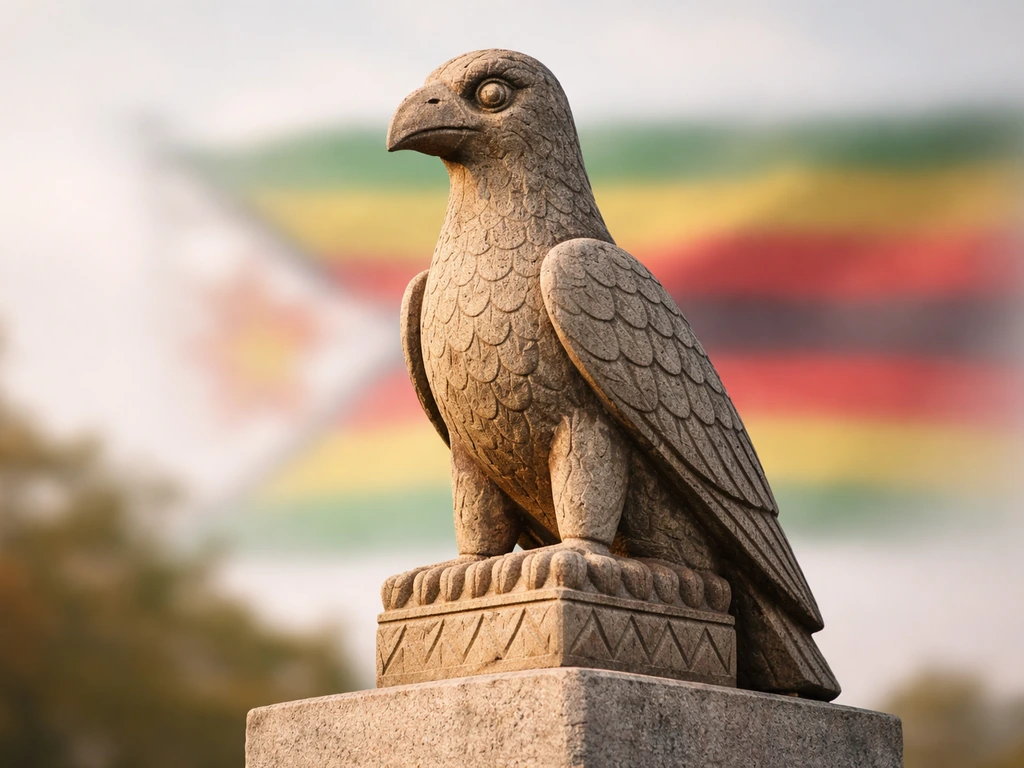
| Zambia | African Fish Eagle (Haliaeetus vocifer) | Also the national bird of Zimbabwe and South Sudan |
| Zimbabwe | African Fish Eagle (Haliaeetus vocifer) | Shared species with Zambia and South Sudan |
| South Sudan | African Fish Eagle (Haliaeetus vocifer) | Featured on the national flag and coat of arms |
| Nigeria | Eagle (general) | Eagle features prominently in national symbolism |
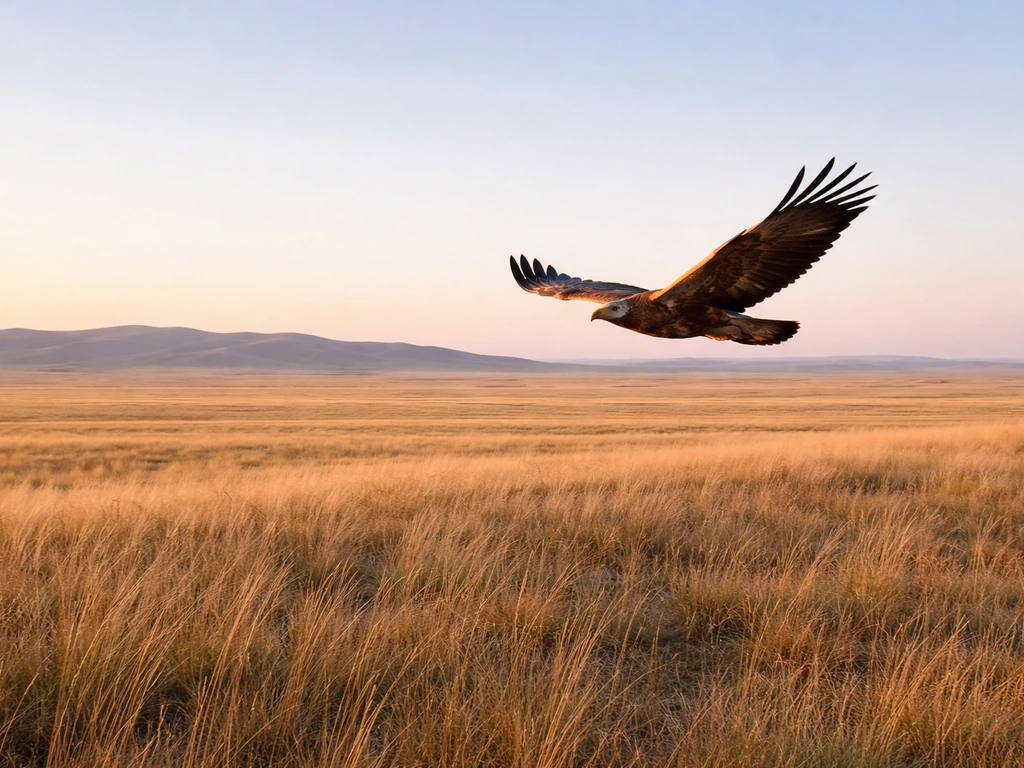
| Kazakhstan | Steppe Eagle (Aquila nipalensis) | An endangered species; central to Kazakh cultural identity |
| Mexico | Golden Eagle (Aquila chrysaetos) | Depicted on the Mexican flag devouring a serpent |
| Albania | Golden Eagle (Aquila chrysaetos) | The double-headed eagle is the core of Albanian national identity |
This list is not exhaustive. Several countries use eagles in their coat of arms or national emblem without a formal 'national bird' declaration, and the line between the two can get blurry. Mexico's golden eagle, for example, is primarily a heraldic symbol on the flag rather than a statutory national bird, yet it is universally recognized as Mexico's avian national symbol.
For a detailed answer, you can look at where the golden eagle is recognized as a national bird, such as Mexico and Albania Mexico's golden eagle. The golden eagle also holds national bird status in other countries, making it one of the most shared eagle symbols globally. If you want to dig deeper into that species specifically, it's worth exploring the countries that have designated the golden eagle as a national bird.
How many countries use the eagle as a national bird
Depending on how strictly you define 'national bird,' somewhere between 8 and 15 countries use an eagle species as their primary avian national symbol. If you include nations where an eagle is the dominant figure on a coat of arms or national emblem (even without a formal bird designation), the number climbs higher. Eagles feature in the national symbols of countries across Africa, Europe, Asia, and the Americas, which makes them the single most globally shared category of national bird.
For comparison, other raptors like the falcon are also widely used. The saker falcon, for instance, is the national bird of several Central Asian and Middle Eastern countries. The saker falcon is the national bird of several Central Asian and Middle Eastern countries, not just one. Ravens hold national bird status in certain Northern European and North American regions.
Ravens are also used as national birds in certain countries and regions, where they symbolize distinct cultural traits. But the eagle category covers more countries and more geographic diversity than any other single bird family. Vultures, by contrast, are the national bird of only a handful of nations despite their ecological importance. Vultures are considered the national bird in only a handful of nations, so the exact country depends on which vulture species you mean.
Why countries keep choosing the eagle
Eagles show up as national symbols for a pretty consistent set of reasons, and once you understand the logic, the pattern makes sense across cultures.
- Power and sovereignty: Eagles are apex predators with no natural enemies, which makes them a natural metaphor for a strong, independent nation.
- Visibility and majesty: Their large size, soaring flight, and sharp eyesight made them impressive to ancient and medieval observers across every inhabited continent.
- Historical precedent: The Roman Empire used the eagle as its military standard. Many European nations, and later American nations, borrowed that imagery deliberately to connect with Rome's legacy of power and order.
- Geographic relevance: In many cases, the chosen eagle species is actually native to that country, giving the symbol a grounded ecological connection rather than just an abstract ideal.
- Endurance as a symbol: Eagle imagery in national coats of arms goes back centuries in Europe and Asia, meaning many countries inherited the symbol from earlier kingdoms or empires and retained it through independence.
For the United States specifically, the bald eagle was chosen in 1782 partly because it is native to North America and therefore uniquely American, and partly because it projected the same qualities of freedom and strength that the new republic wanted to embody. Benjamin Franklin famously argued against the choice, preferring the wild turkey, but the bald eagle won out and has remained central to American identity ever since.
For countries like Kazakhstan, the steppe eagle carries additional cultural weight because eagle hunting (using trained eagles to hunt prey on horseback) is a centuries-old tradition among nomadic peoples of Central Asia. You may also find references to the country whose national bird is the endangered steppe eagle when looking at national symbol lists and conservation notes. The bird is not just a symbol of power but a living part of the culture. That kind of deep, practical relationship with a species often drives national bird selections in ways that go well beyond aesthetics.
National bird vs national emblem: a distinction worth understanding

When you're researching which country claims an eagle as its national bird, you'll quickly run into a terminology problem. 'National bird' and 'national emblem' are not the same thing, and not every country formally designates a national bird at all.
- National bird: A bird officially designated by government statute or decree specifically as the country's bird representative. The U.S. bald eagle is now in this category thanks to Public Law 118-206.
- National emblem or coat of arms: A bird (often an eagle) that appears on the country's official seal, flag, or coat of arms. This is symbolic but not the same as a formal national bird designation.
- Cultural symbol: A bird widely recognized as representative of a country by its people, even without any legal status. These sometimes get formally adopted later, and sometimes never do.
- Wildlife symbol: Some countries designate national animals, trees, and flowers without specifically having a 'national bird' category.
Germany is a good example of the ambiguity. The eagle is central to German identity and appears on the coat of arms, but Germany does not have a formally proclaimed 'national bird' in the way the United States now does. That distinction matters if you're doing serious research or building a reference list.
How to verify a country's national bird
If you need to confirm whether a country officially designates an eagle (or any bird) as its national bird, here's how to check reliably:
- Check the country's official government website or national parliament records for any statutory designation.
- For the United States, the official source is GovInfo (govinfo.gov), where Public Law 118-206 is published in full.
- Look at the country's official tourism or cultural ministry websites, which often list national symbols.
- Cross-reference with the Convention on Biological Diversity's country profiles, which sometimes list official national symbols.
- For heraldic eagles (on flags and coats of arms), check the country's official description of its national symbols, which are usually published by the government and available in English for most nations.
- Be cautious with general encyclopedia entries, as they sometimes blur the line between 'official national bird' and 'bird featured on the coat of arms.'
The clearest signal of official status is a direct legal reference: a law, presidential decree, or parliamentary resolution that uses the words 'national bird' and names a specific species. Anything short of that is cultural recognition, which is meaningful but not the same thing.
Where to go from here
If you landed here asking specifically about the bald eagle, you now have the complete answer: the United States, officially designated by Public Law 118-206 in December 2024. If you're curious about the broader world of eagle national birds, the table above gives you a solid starting point for comparing species and countries.
The eagle is just one corner of the national bird world, though. Related topics worth exploring include the countries that have chosen the raven, the falcon, or the vulture as their national bird, each of which has its own fascinating history of symbolism and selection. And if you want to go deeper into eagle-specific choices, the stories behind the steppe eagle of Kazakhstan and the golden eagle of Mexico and Albania each reveal how differently the same bird family can be interpreted across cultures.