
The golden eagle (Aquila chrysaetos) is the national bird of Mexico. It appears on Mexico's national shield, which sits at the center of the Mexican flag, depicted perched on a nopal cactus while gripping a serpent. In Spanish, Banxico also states that this species is Mexico’s national bird and that it is represented in the national shield (escudo mexicano) blank" rel="noopener noreferrer">represented in Mexico’s national shield (escudo mexicano). This is one of the most recognizable national-bird images in the world, and it's backed by Mexican law, not just wildlife websites. If you're wondering about it in specific terms, the golden eagle is the national bird of Mexico raven is the national bird of.
Golden Eagle Is the National Bird of Which Country?

Marcus Chen
27 May 2026
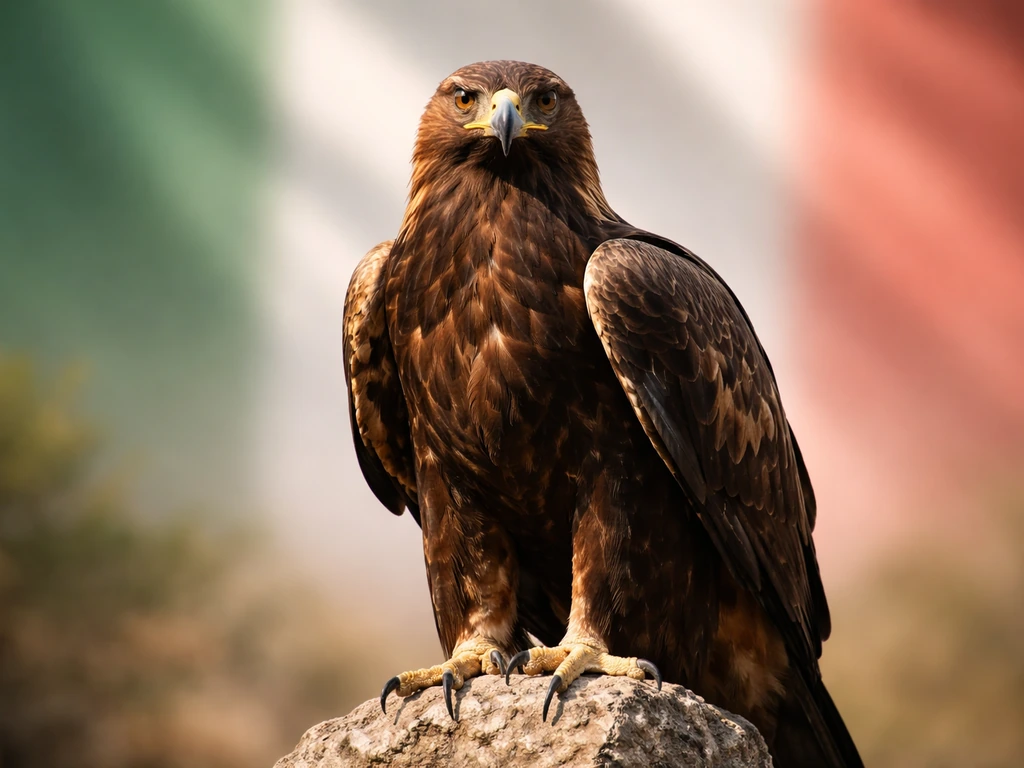
Which country claims the golden eagle as its national bird

Mexico is the answer, and it's well-documented. The golden eagle, known in Spanish as the 'águila real,' is officially recognized as Mexico's national bird through the country's national symbols law (Ley sobre el Escudo, la Bandera y el Himno Nacionales). Mexico's own government agencies, including SEMARNAT (the environmental ministry) and CONANP (the national protected areas commission), consistently describe the águila real as the 'ave nacional de México.'
You may come across some sources listing the golden eagle as a national bird of Germany or Afghanistan as well. Those claims show up in wildlife-list pages and secondary compilations, but Mexico has the clearest legal and cultural anchor for this title. If you're doing research or settling a debate, Mexico is the country to cite.
How to verify the claim yourself
If you want to confirm this rather than just take it on faith, here's exactly where to look and what to check.
- Go to Mexico's official national symbols law (Ley sobre el Escudo, la Bandera y el Himno Nacionales), available through Mexico's Chamber of Deputies (Cámara de Diputados). Search the document for 'Escudo Nacional' and 'águila mexicana' to see how the eagle is described in the legal text.
- Visit CONANP's official species page for the águila real (Aquila chrysaetos). It explicitly states 'Esta especie es el ave nacional de México' and ties the bird to the national emblem.
- Check SEMARNAT's published articles on the national shield (escudo nacional). They describe the águila real as a national symbol and connect it directly to conservation commitments.
- Cross-check species biology claims against NPS or USFWS pages for golden eagles. This helps confirm the species being discussed is genuinely Aquila chrysaetos.
- Use Wikipedia's List of National Birds only as a starting point, not a final source. It's useful for spotting which countries are mentioned, but always trace claims back to government or legal sources before citing them.
The key distinction to make when verifying: there is the legal emblem (the eagle depicted on the national shield) and there are informal 'national bird' labels that float around wildlife sites. For Mexico, both point to the same species, which makes the case unusually solid.
What the golden eagle symbolizes for Mexico

The golden eagle carries enormous symbolic weight in Mexican culture, and this goes back thousands of years before the modern state even existed. CONANP describes it as having been 'considered since time immemorial as a celestial symbol and the incarnation of the sun.' In pre-Columbian Mesoamerican tradition, the eagle represented power, the sky, and the divine. It was a sacred bird long before it became a national one.
Today the eagle on Mexico's national shield stands for strength, independence, and national identity. The full emblem tells a specific story: an eagle perched on a nopal cactus growing from a rock in a lake, with a serpent in its talons and beak. This image comes directly from the founding myth of the Aztec capital Tenochtitlan, where the god Huitzilopochtli reportedly told the Mexica people to build their city where they found an eagle in exactly this pose. That location became modern-day Mexico City.
SEMARNAT frames the águila real not just as a historical emblem but as an active symbol of conservation responsibility. The message is that protecting the golden eagle in the wild is itself a form of honoring Mexico's national identity. The bird's survival is tied to the country's sense of stewardship over its natural heritage.
How the golden eagle became Mexico's national symbol
The selection wasn't a modern committee decision. The eagle's role as a national symbol is rooted in the founding mythology of the Aztec empire and was carried forward into Mexico's post-independence national identity in the 19th century. When Mexico formalized its national symbols, the eagle-on-cactus image was already deeply embedded in the culture.
The patriotic symbols law that governs the shield, flag, and anthem was updated in a 1973 Diario Oficial publication that specified the plumage features of the emblematic eagle, details consistent with Aquila chrysaetos. Researchers at Arqueología Mexicana have examined the historical and biological evidence for why the águila real (and not another eagle species) is the one depicted on the emblem, pointing to specific golden-feathered plumage characteristics. Mexico's Archivo General de la Nación further contextualizes this law as regulating the core elements of national identity, with the eagle front and center.
So the golden eagle didn't get chosen through a vote or a formal nomination process the way some countries select national birds. It was recognized and codified because it was already there, embedded in the founding story of the nation.
Golden eagle facts that tie into the national-bird story
Knowing a few things about the bird itself helps the symbolism make more sense. The golden eagle gets its name from the gold-toned, lanceolate feathers on the back of its head and neck. These gleaming nape feathers are a distinctive visual feature that would have made the bird stand out as something powerful and sun-like to ancient observers, which connects directly to the Mesoamerican view of the eagle as an embodiment of the sun.
Golden eagles are large, strong raptors that nest on cliff ledges and elevated rocky outcrops, typically in positions overlooking wide hunting grounds. They prey on rabbits, hares, ground squirrels, and other medium-to-small mammals. They avoid human-dense areas, which means their presence in a landscape signals relatively intact, wild habitat. In Mexico, this has made conservation of golden eagle populations directly linked to protecting large, undisturbed natural areas.
CONANP notes that protecting the águila real benefits whole ecosystems because it requires maintaining the kind of territory and prey populations that support a wide range of other species. The golden eagle, as a top predator, functions as an umbrella species for conservation efforts in Mexico.
How other countries use eagles and raptors as national symbols
Mexico isn't the only country that has built national identity around a powerful bird of prey. Eagles in particular show up as national symbols across very different cultures, which reflects just how universally these birds have been associated with strength, vision, and sovereignty. The specific species and the reasons behind each choice tell very different stories, though.
The steppe eagle, for instance, is the national bird of a different country entirely, and its endangered status adds a conservation urgency to that symbol that shapes how that country's national identity intersects with wildlife protection. Other raptor choices, like the saker falcon, reflect Central Asian falconry traditions and nomadic cultural heritage rather than founding myths. The saker falcon is the national bird of which country, and it is often discussed in that context because of Central Asian falconry traditions. Even within the eagle family, each national choice comes with its own distinct historical rationale.
If you're curious how these choices compare, this site covers the national birds of countries worldwide, including the symbolism behind each selection and the stories that explain why a particular bird was elevated to represent an entire nation.
Keep exploring national birds on this site
This site is built exactly for questions like the one that brought you here. Every country's national bird entry covers the direct answer, the cultural and historical reasons behind the selection, and the species facts that make the choice meaningful. You can browse by region, by bird type (raptors, songbirds, waterfowl), or by the themes each symbol represents.
If the golden eagle's role in Mexico's national identity sparked your curiosity, a good next step is comparing it with other raptor-based national symbols, like entries on countries whose national birds are eagles, falcons, or vultures. If you want to see how this works outside Mexico, look up the national-bird claim for vultures as well. Each one tells you something different about how that culture sees itself and its relationship with the natural world.
| Bird | Country | Key Symbolism |
|---|---|---|
| Golden eagle (Aquila chrysaetos) | Mexico | Sun, power, founding myth of Tenochtitlan |
| Steppe eagle (Aquila nipalensis) | Egypt | Strength, pan-Arab identity |
| Saker falcon (Falco cherrug) | Mongolia / UAE (varies by source) | Falconry heritage, nomadic tradition |
| Bald eagle (Haliaeetus leucocephalus) | United States | Freedom, independence, sovereignty |
The table above gives a quick sense of how different eagle and raptor choices reflect entirely different cultural histories, even when the underlying theme of strength and power is shared. Mexico's golden eagle stands out because its story is one of the oldest and most continuously celebrated of any national bird in the Americas.
FAQ
Is the golden eagle actually Mexico’s national bird, or is that just a common claim online?
It is more than an online label. Mexico’s emblem of the national shield uses the golden eagle as a codified national symbol, and Mexican government agencies describe the águila real as Mexico’s national bird in the context of national symbols and protected natural heritage.
When people say “golden eagle,” are they definitely referring to the exact species shown on Mexico’s emblem?
For Mexico, the intended bird is the águila real, which corresponds to Aquila chrysaetos. The emblem details were specified so the depicted eagle’s plumage features match golden-eagle characteristics, which is why Mexico’s identification is unusually precise.
Why do some websites list the golden eagle as a national bird of other countries?
Those lists are often based on secondary compilations rather than a country’s own national symbols law or official agency descriptions. If you are verifying, prioritize a legal or government-codified symbol reference over wildlife-list style rankings.
Does Mexico have to “choose” a national bird through a vote, nomination, or petition?
Not necessarily. In Mexico’s case, the symbol was already deeply embedded in the founding myth and historical identity, then later formalized within national symbols rules, rather than selected through a modern nomination process.
Is the golden eagle symbol the same as the bird’s everyday wildlife status in Mexico?
They are connected but not identical. The national-symbol role is about identity and representation, while conservation work focuses on habitat quality, prey availability, and undisturbed territories where golden eagles can successfully hunt and breed.
If I want to confirm the claim, what should I check first to avoid confusion?
Check for two things: (1) the national shield emblem details (what species and plumage are depicted), and (2) whether a Mexican legal framework or government agency explicitly calls the águila real Mexico’s national bird. This prevents mixing official symbolism with informal “national bird” internet claims.
What does the eagle on the Mexican shield represent beyond being “a national bird”?
The emblem is tied to the origin story of Tenochtitlan and carries layered meaning (strength, independence, and national identity) expressed through the specific pose and elements, including the cactus setting and the serpent held by the eagle.
Next Articles
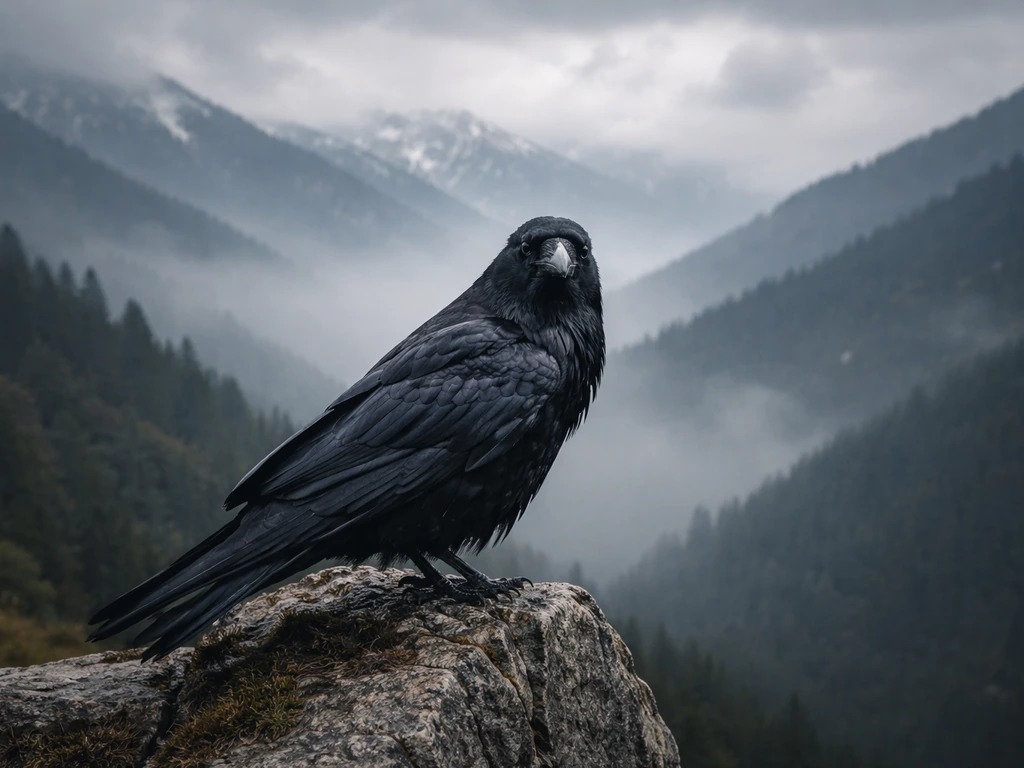
Raven Is the National Bird of Which Country? Facts and Meaning
Find which country’s national bird is the raven, plus species nuances and cultural symbolism behind the choice.
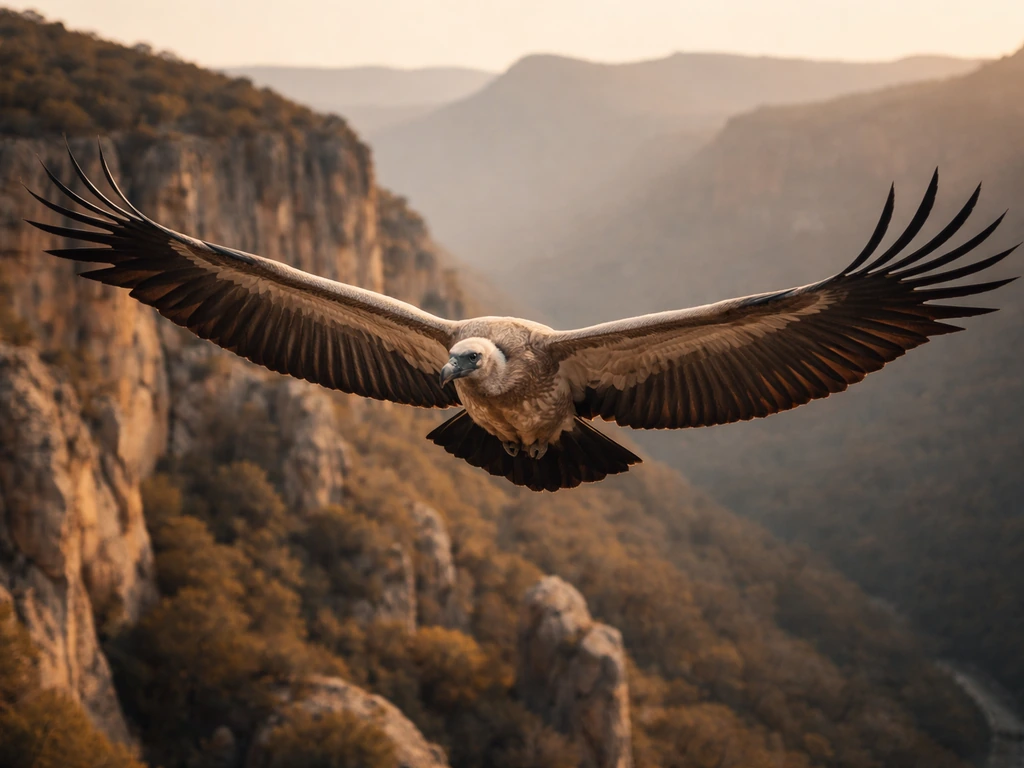
Vulture Is the National Bird of Which Country? Answer
Vultures are national birds of India. Verify via official records, learn symbolism and history behind the choice.
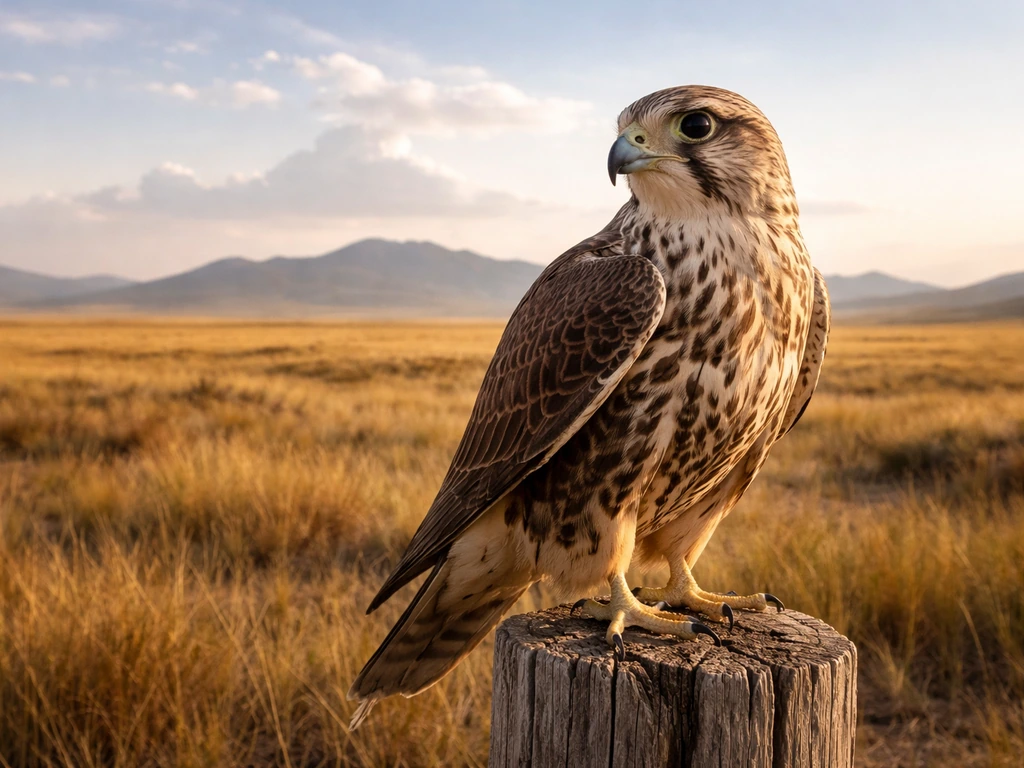
Saker Falcon: National Bird of Which Country?
Saker falcon is the national bird of Mongolia, plus quick ways to verify the claim and its symbolism.