Sweden's national bird, answered directly
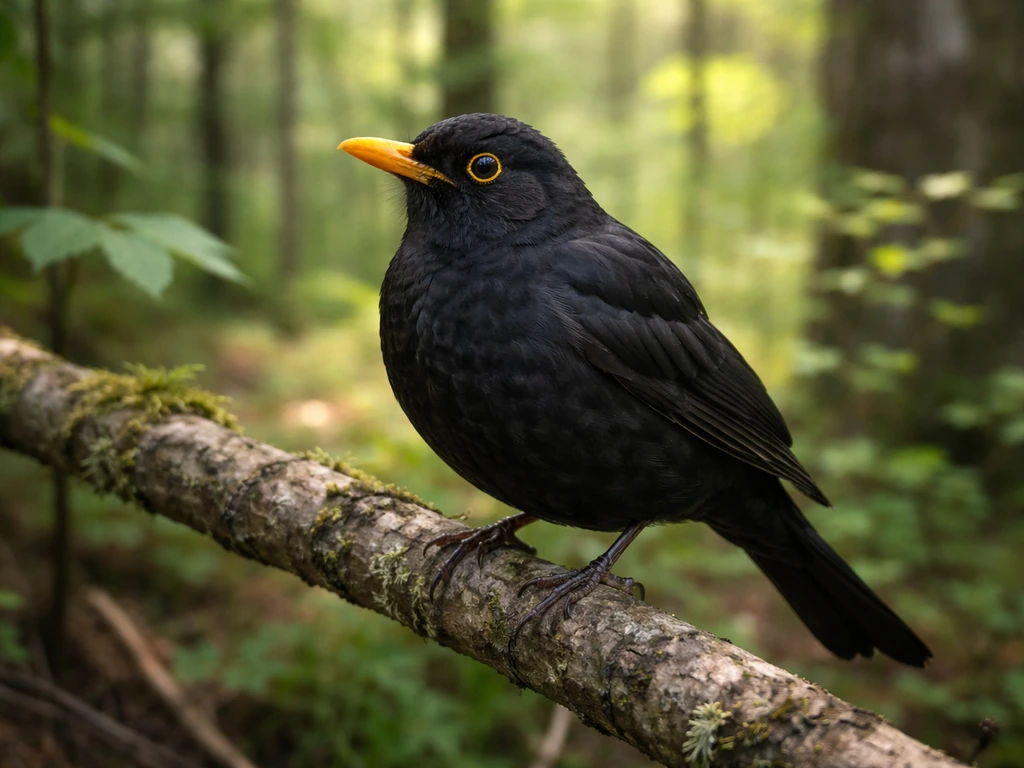
Sweden's national bird is the Eurasian blackbird, known scientifically as Turdus merula and in Swedish as the koltrast. If you've landed here expecting a dramatic eagle or a rare Nordic species, the blackbird might seem like a surprising pick. But once you understand the story behind the choice, it makes a lot of sense. The koltrast is one of the most familiar birds across Sweden, especially recognizable for its rich, melodic song that marks the arrival of spring.
What the blackbird represents in Swedish culture
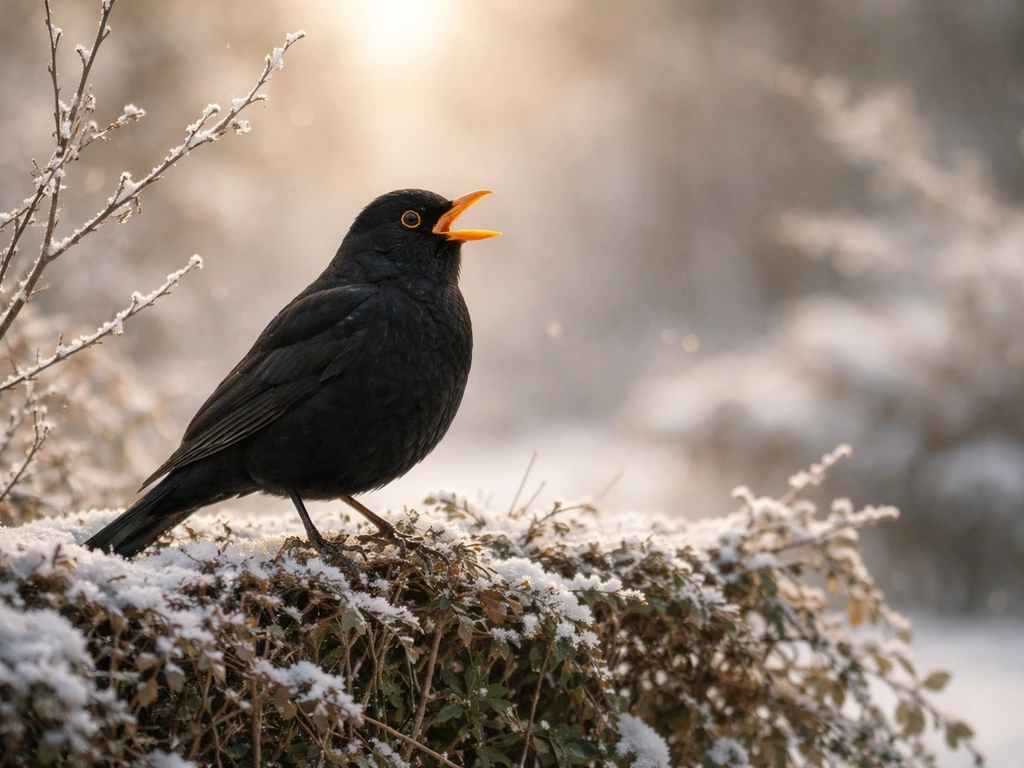
The Eurasian blackbird wasn't chosen for its rarity or its heroic associations. It was chosen because it connects deeply with everyday Swedish life. BirdLife Sverige, the ornithological organization behind the most recent national bird campaign, specifically highlighted two qualities: the koltrast is one of the earliest singers of spring, and its song is considered among the most beautiful of any bird in the country.
For Swedes, the blackbird's song at the edge of winter is a genuine cultural moment. The 'vårsång' (spring song) of the koltrast carries an emotional weight that most people associate with warmth returning after long, dark winters. That deeply personal, seasonal connection is what drove public enthusiasm for it as a national symbol. It isn't a bird of state power or heraldry. It's a bird of gardens, parks, and early mornings in April.
How the blackbird became Sweden's national bird
The story has two chapters, roughly 53 years apart. The first happened in 1962, when the Swedish newspaper Dagens Nyheter ran a reader vote to choose a national bird. Just under 5,000 people participated, and the koltrast won by a narrow margin over competitors including the domherre (bullfinch). Aftonbladet summarizes the 1962 Dagens Nyheter reader vote that selected the koltrast (Turdus merula) and reports the vote counts cited by TT (the Swedish news agency). That result gave the blackbird its first unofficial claim to the title.
Then in 2015, BirdLife Sverige ran a much larger campaign to revisit the question. The vote ran across multiple rounds from February onward, and the competition included strong contenders like the havsörn (white-tailed eagle), the korp (raven), and the skata (magpie). Around 75,000 people participated. The koltrast won again, confirming its position as Sweden's national bird and showing just how broadly recognized and loved the species is. In SVT Nyheter’s coverage of the 2015 contest, the koltrast is described as a clear winner, taking about a quarter of the roughly 55,000 votes and beating other contenders including domherre, blåmes, and havsörn Storslam för koltrasten.
SVT Nyheter covered the 2015 result with the headline 'Storslam för koltrasten' (a grand slam for the blackbird), which captures how decisive the outcome felt after such a large public engagement.
Official symbol or unofficial tradition? It matters
Here's something worth knowing if you're researching this for school or a reference project: Sweden's national bird designation is not a legally codified state emblem. BirdLife Sverige is clear about this, describing the koltrast as an 'inofficiell symbol' (unofficial symbol). There is no government proclamation or legislation that formally names it the national bird the way a country might constitutionally define a national flag or coat of arms.
Sweden's official state imagery is built around the three crowns and heraldic eagles that appear in coats of arms. Those birds are part of heraldic tradition, not the 'nationalfågel' designation. When people search for Sweden's animal or bird symbols and find those heraldic eagles, they're looking at something entirely separate from the national bird selected by public vote. The koltrast is the national bird by popular tradition and organized societal consensus, which is actually how many countries around the world handle the designation.
| Symbol type | Example | Official status |
|---|
| National bird (koltrast) | Eurasian blackbird (Turdus merula) | Unofficial, confirmed by public vote (1962, 2015) |
| Heraldic bird imagery | Eagles in Swedish coats of arms | Formal heraldic/legal symbol |
| State emblem | Three crowns | Official state symbol, legally recognized |
Facts about the Eurasian blackbird worth knowing
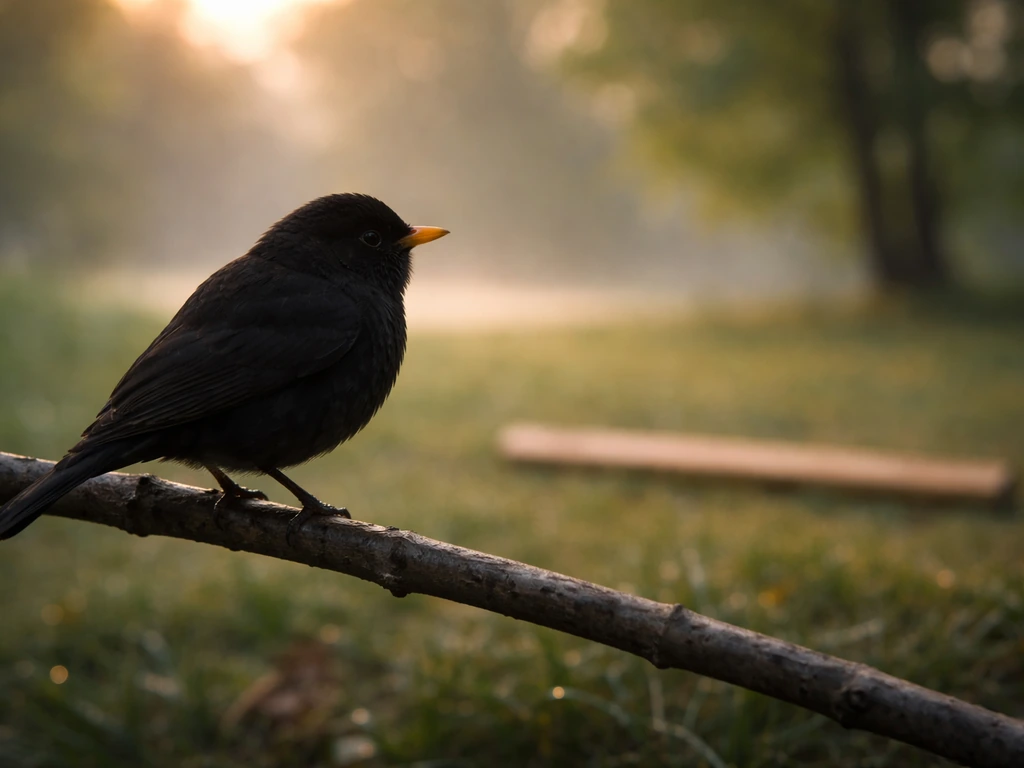
The koltrast is a medium-sized bird, measuring around 25 cm in length with a wingspan of roughly 34 to 38 cm. The male is jet black with a distinctive bright orange-yellow bill, making it one of the easier birds to identify in a Swedish garden. The female is brown with a more muted bill. You'll find them across Sweden, and they're common enough that most people will recognize one immediately.
- Scientific name: Turdus merula (Eurasian blackbird / common blackbird)
- Swedish name: koltrasten
- Length: approximately 25 cm; wingspan 34 to 38 cm
- Conservation status: Least Concern (LC) on the IUCN European Red List
- Habitat in Sweden: gardens, parks, and wooded areas; stays in southern Sweden through winter
- Most notable quality: one of the earliest and most melodious singers at the start of spring
- National bird votes: 1962 (Dagens Nyheter, ~5,000 participants) and 2015 (BirdLife Sverige, ~75,000 participants)
One thing that catches people off guard is how common and widespread the blackbird is. Unlike some national birds that are rare or regionally specific, the koltrast is genuinely abundant. It stays in southern Sweden through winter and gathers around garden feeders. That familiarity is part of the point. The Swedes didn't pick a bird to impress outsiders. They picked the bird that most of them actually know and love.
Where Sweden fits among its neighbors
Sweden's approach to its national bird stands out a bit when you look at the region. Norway chose the white-throated dipper, and Finland went with the whooper swan, both selections carrying strong ties to wild, rugged Nordic landscapes. If you're asking, what is the national bird of Finland, the answer is the whooper swan Finland went with the whooper swan. Sweden's blackbird is a more domestic, garden-centered choice, which says something interesting about how different countries interpret what a national bird should represent.
If you're working through Scandinavian or European national birds as a broader study, it's worth comparing the selection methods too. Some countries formalize the choice through government decree; others, like Sweden, let it live as a beloved tradition confirmed by popular vote. France, Spain, Portugal, the Netherlands, and Wales each have their own fascinating stories about how their national birds were chosen and what those birds mean culturally. Spain's national bird is a different choice entirely, and it has its own cultural and historical background what is spain's national bird.
To learn more about the Netherlands specifically, the answer is the Eurasian magpie what is the national bird of the netherlands. Wales also has a national bird, and learning what it is can be a helpful comparison for how different countries choose symbols national bird of wales. If you are curious about Portugal as well, the national bird of Portugal is a helpful comparison point.
For example, you can also look up what Spain's national bird is and why that choice matters culturally what is spain's national bird. You can also find out what is france's national bird and why it was selected. If you're looking specifically for France, its national bird is the European goldfinch national birds were chosen and what those birds mean culturally.
Where to go next if you want to dig deeper
If you want the full Swedish-language detail on the selection story and the bird's cultural meaning, BirdLife Sverige's dedicated page 'Koltrasten – Sveriges nationalfågel' is the primary source. Their 'Veckans fågel' feature on the national bird also gives a good explanation of why the unofficial status doesn't diminish the symbol's meaning. For media coverage of the 2015 vote outcome, SVT Nyheter's 'Storslam för koltrasten' article is the most readable account of what happened and how the public reacted.
For a broader identification reference, the common blackbird's Wikipedia entry includes the confirmation of its national bird status alongside the species' full taxonomy and range. And if you're exploring national birds across Europe more broadly, the country-by-country profiles on this site cover everything from Norway's dipper to Finland's whooper swan to the national birds of France, Spain, and Portugal, giving you a full picture of how different nations make these choices and what their selected birds say about their culture. If you are also wondering what is the national bird of Portugal, you can find it in the Portugal profile alongside the country-by-country picks Spain, and Portugal.