Ukraine's national bird is the Common Nightingale, known scientifically as Luscinia megarhynchos. It's not a formally enacted state symbol the way Ukraine's flag or coat of arms are, but it is widely recognized across national symbol references, ornithology resources, and Ukrainian cultural writing as the bird that represents the country.
What Is the National Bird of Ukraine? Meaning and History

Marcus Chen
29 Apr 2026
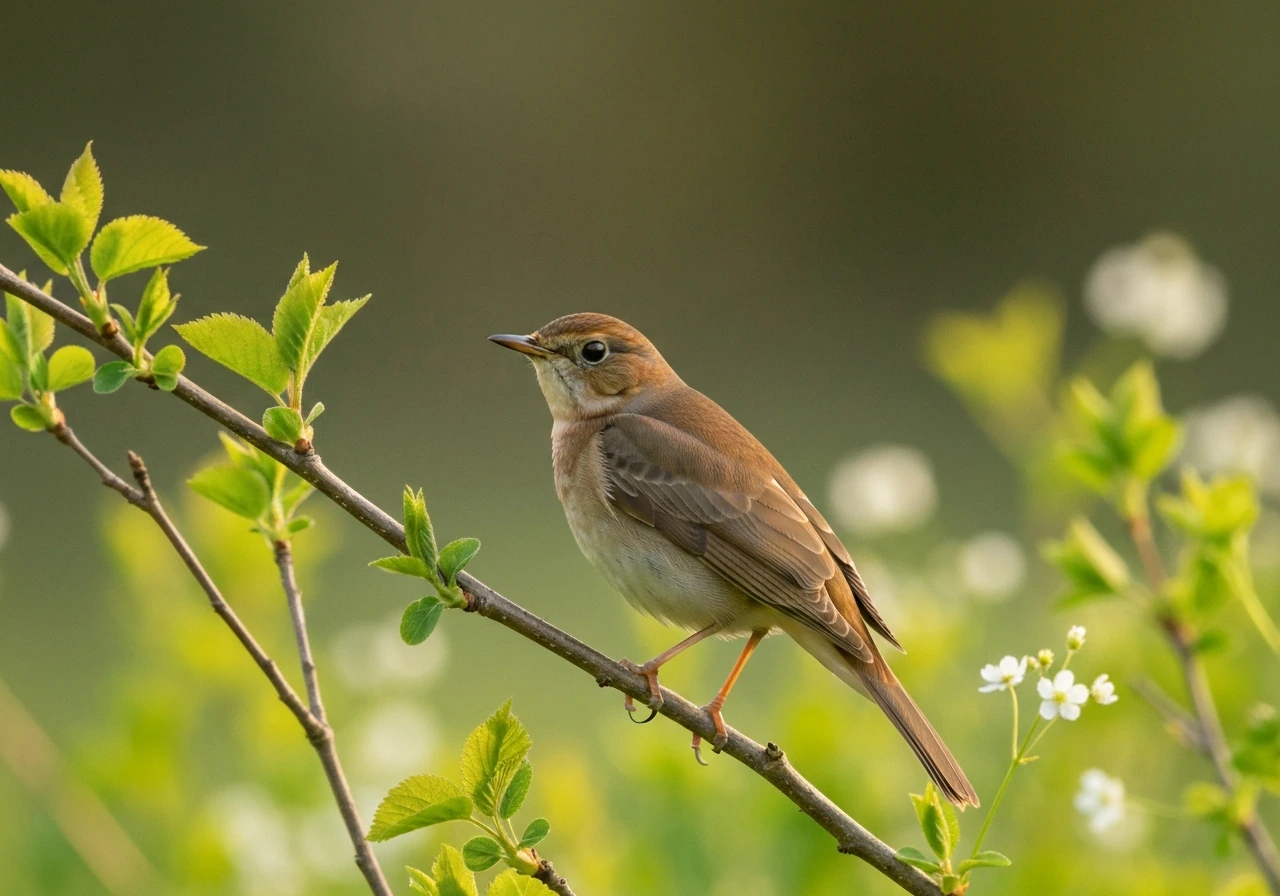
Ukraine's National Bird: The Common Nightingale
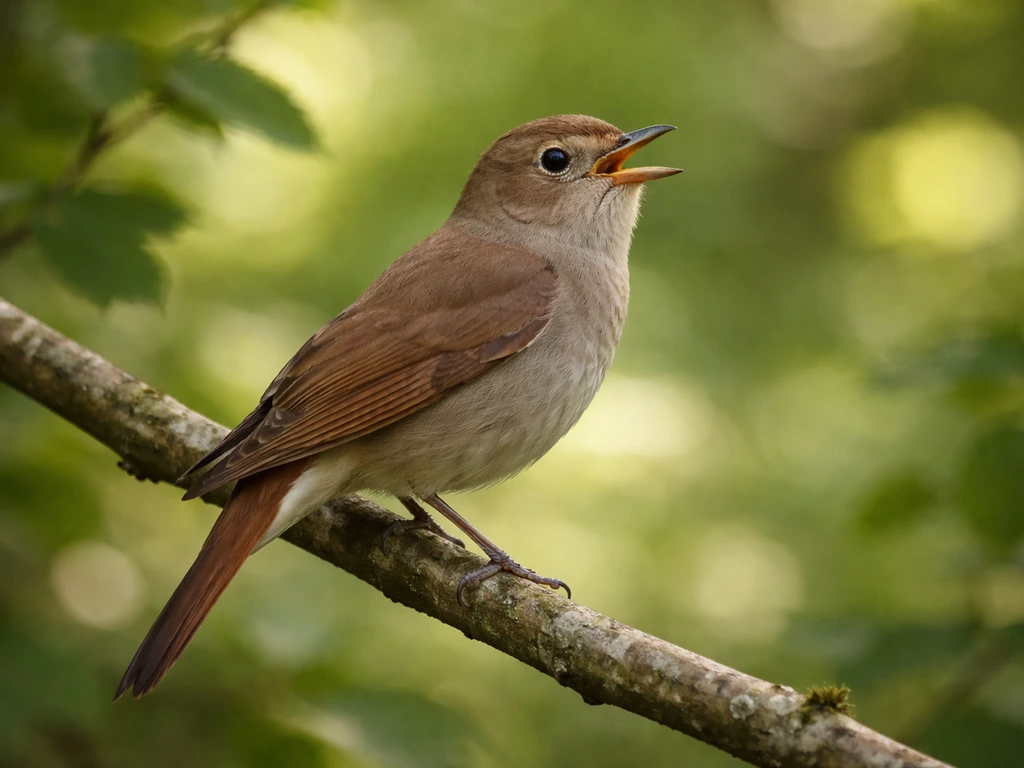
The Common Nightingale (Luscinia megarhynchos) is a small, unassuming brown passerine bird, but it has one of the most powerful and beautiful songs in the bird world. That voice is exactly why Ukraine claims it. You won't find a dramatic legislative decree pinning the nightingale to the Ukrainian state, but you will find it consistently listed as Ukraine's national bird in international symbol roundups, encyclopedias, and BirdLife International materials, where it is explicitly called "an icon of Ukraine."
One thing worth clarifying early: Ukraine is home to more than one nightingale species. The Common Nightingale (Luscinia megarhynchos) is the one cited in national symbol lists, and it tends to be found across western and southern parts of the country. The closely related Thrush Nightingale (Luscinia luscinia) also lives in Ukraine, particularly in the east.
The Encyclopedia of Ukraine entry on the nightingale discusses both the common nightingale (Luscinia megarhynchos) in western and southern Ukraine and the thrush nightingale (Luscinia luscinia) in more eastern areas [western and southern parts of the country](https://www. encyclopediaofukraine. com/display. asp?
linkpath=pages%5CN%5CI%5CNightingale. htm). If you're cross-checking sources and see just "nightingale" without a species name, the national bird reference is pointing to L. Britannica also clarifies that the “[common nightingale](https://www.
britannica. com/animal/nightingale-bird)” refers specifically to the Eurasian nightingale (Luscinia megarhynchos) and provides key identification and biogeography context. megarhynchos.
Why Ukraine Chose the Nightingale
The short version: Ukraine has an extraordinarily deep culture of song, poetry, and oral tradition, and the nightingale has been the go-to symbol of that tradition for centuries. Its song isn't just beautiful for its own sake in Ukrainian cultural thought. It stands for poetic inspiration, artistic talent, love, and the emotional depth that Ukrainians associate with their own identity as a people.
The nightingale also carries strong associations with spring, hope, and renewal. In a country with a long, cold winter and an agricultural history deeply tied to seasonal cycles, the arrival of the nightingale's song in spring was genuinely meaningful. That combination of beauty, hope, and artistic inspiration makes it a natural fit for a national emblem.
Interestingly, this stands in contrast to how some neighboring countries pick national birds more for visual drama or strength (think Russia's choice, or the UK's traditions around birds like the robin). Ukraine's choice centers almost entirely on voice and what that voice means culturally. It's a distinctly Ukrainian set of values encoded in a bird.
How the Nightingale Became a Symbol: The Historical Background
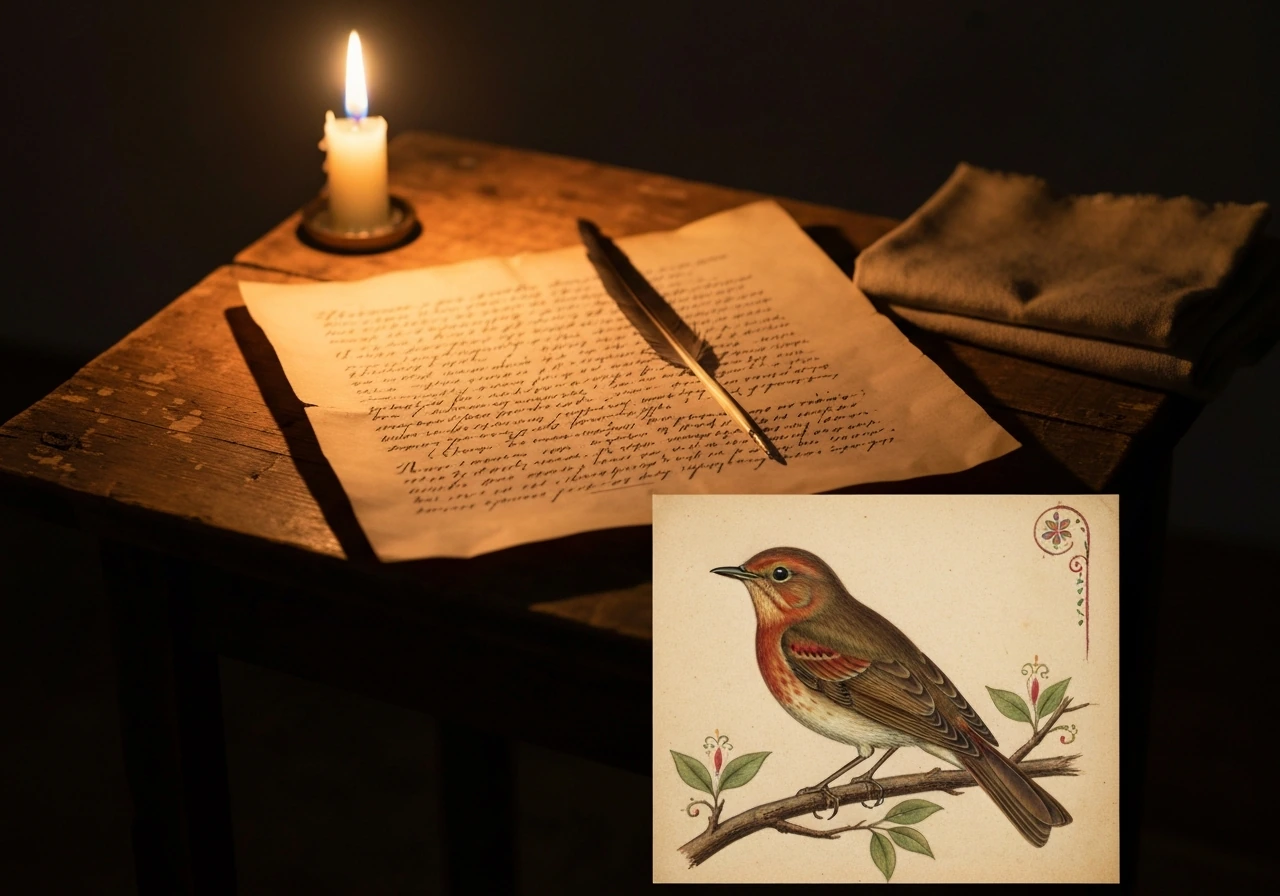
The nightingale's symbolic role in Ukraine wasn't decided in a boardroom or parliament. It grew organically from centuries of folk poetry, songs, and storytelling. The Ukrainian word for nightingale, "solovei" (соловей), appears throughout traditional folk songs, proverbs, and literature going back hundreds of years. The bird became shorthand for a gifted singer or poet long before anyone formally called it a national symbol.
The connection between the nightingale and Ukrainian literary identity gets a notable boost through figures like Taras Shevchenko, the 19th-century poet and national icon. BirdLife International directly links "nightingales" to "Kobzar Taras" (Shevchenko's famous poetry collection) when describing the bird's Ukrainian cultural significance. Shevchenko's poetry is foundational to Ukrainian national identity, and the nightingale imagery running through that tradition cemented the bird's symbolic status.
Because this is a culturally grown symbol rather than a state-decreed one, there's no single "year of adoption" you can point to. The nightingale earns its national bird status the same way the robin earned its place in English hearts: through long, consistent popular association rather than top-down legislation. If you're wondering why is the robin the national bird of England, it helps to look at how long-standing popular symbolism shaped that choice over time.
The Nightingale in Ukrainian Culture: Folk Tradition to Modern Music
The solovei motif runs deep and wide in Ukrainian cultural life. In folk art, ceramics and handcrafted nightingale toys have been produced as symbols of beauty and harmony for generations. The National Museum of Ukrainian Pottery in Opishnia holds examples of these traditional nightingale figures, showing that the bird-image wasn't just literary but also material and decorative.
In contemporary Ukrainian culture, the nightingale keeps showing up. The electro-folk song "Solovey" by Go_A, which represented Ukraine at Eurovision 2021, uses the nightingale image and the timing of its song as a central narrative element. That a major international music entry leans on this symbol tells you something about how legible and alive the solovei motif still is for Ukrainian audiences.
Ukrainian cultural writing continues to frame the nightingale as a symbol of spring and freedom, especially in contemporary contexts where those themes carry obvious resonance. The bird has absorbed new layers of meaning over time without losing its older ones, which is part of what makes it such a durable national symbol.
Things You'll Probably Find Interesting About the Common Nightingale
- The Common Nightingale is a small bird, roughly 15 to 16.5 cm long, with plain rufous-brown plumage. It looks almost deliberately unremarkable, which makes the power of its song even more striking.
- Male nightingales sing both during the day and at night, but the nighttime singing is what built the bird's legendary reputation. Most other songbirds go quiet after dark.
- The song is genuinely complex. Nightingales have a large repertoire, using whistles, trills, and gurgles in rapid sequence. Ornithologists have documented over 1,000 different sound units in their songs.
- The bird is migratory. It winters in sub-Saharan Africa and arrives in Ukraine (and the rest of Europe) in spring, which directly feeds into the "herald of spring" symbolism.
- Ukraine hosts two nightingale species, which occasionally causes confusion: Luscinia megarhynchos (Common Nightingale) in the west and south, and Luscinia luscinia (Thrush Nightingale) more in the east. The national bird designation points specifically to L. megarhynchos.
- The U.S. Fish and Wildlife Service maintains a species account for Luscinia megarhynchos, which is useful if you want to dig into the biology side beyond the cultural story.
How to Verify This and Where to Dig Deeper
The best approach is a two-step cross-check. First, look up a national symbols list for Ukraine and confirm that the nightingale is listed under the "national bird" category specifically, not the national flower, national tree, or state symbols like the flag and anthem. Those categories are easy to mix up, and some pages lump them together in ways that create confusion. Second, go to the Common Nightingale species entry (searching the scientific name Luscinia megarhynchos is the cleanest approach) and confirm it repeats the "national bird of Ukraine" identification. That round-trip between the symbol list and the species page gives you two independent sources pointing at the same answer.
One misconception to watch out for: some online sources claim the stork is Ukraine's national bird. This is contradicted by the majority of national symbol references, which specify the nightingale. The stork (especially the White Stork) is culturally significant in Ukraine and appears in folk tradition, but it's not the bird identified in national symbol roundups as the national bird.
For cultural context and deeper reading, BirdLife International's materials on the nightingale and Ukrainian identity are a good starting point. The Encyclopedia of Ukraine also has a dedicated nightingale entry that covers the regional species distinctions and the literary/folk history in useful detail. For straightforward ornithological facts, the U.S. Fish and Wildlife Service species page for Luscinia megarhynchos gives you reliable baseline biology without any of the cultural noise.
If you're building broader knowledge about national bird choices in the region, it's worth comparing Ukraine's choice to the approaches taken by neighboring or related countries. Russia's national bird, the UK's national bird, and England's specific robin tradition each reflect very different selection philosophies, ranging from formal state designation to popular vote. Ukraine's nightingale sits in an interesting middle space: culturally ancient but never formally codified, which actually mirrors how Ukrainian national identity itself has often been expressed, through poetry and song rather than purely through state institutions.
FAQ
Is the common nightingale officially (legally) declared the national bird of Ukraine?
No. Ukraine’s national bird status for the common nightingale is not tied to a specific law, decree, or adoption date. Because it grew from long-running folk and literary associations, different references may phrase it as “national bird” or “icon of Ukraine” without pointing to a formal government action.
What if a source just says “nightingale” without a scientific name?
If a list just says “nightingale” or “solovei,” it may be shorthand for the common nightingale, Luscinia megarhynchos, which is the species most commonly linked to the national bird claim. A good way to verify is to check whether the source also gives the scientific name or notes the western and southern distribution associated with Luscinia megarhynchos.
Could the thrush nightingale be considered the national bird too?
Ukraine has more than one nightingale species, including the thrush nightingale (Luscinia luscinia), especially in parts of eastern Ukraine. National bird lists typically point to the common nightingale (Luscinia megarhynchos), so mixing species is a common mistake when readers cross-check only by the common name “nightingale.”
Why do some websites say a stork is Ukraine’s national bird?
Yes, storks like the white stork are culturally important and appear in folk traditions, but they are often confused with the national bird claim. If you see “stork” labeled as the national bird, treat it as a low-confidence outlier and check whether the page is actually listing “national bird” versus another category or an unofficial claim.
How can I confirm a national-bird claim without confusing it with national tree or flower lists?
Use a category check. Many lists bundle “national symbols” together and then mix birds with trees, flowers, or state emblems. Make sure the page explicitly has a “national bird” section, then confirm the species name on a separate page that lists Luscinia megarhynchos.
Is the national bird choice based more on appearance or on cultural meaning?
Because the symbol is strongly tied to “solovei” and the bird’s song, it is easier to understand the national-bird label as a cultural metaphor than as an animal selected for appearance. A useful clue is whether the source emphasizes voice and artistic or poetic associations rather than size, color, or “strength.”
Do different national-symbol sources agree on the same bird species?
Many international pages and reference works treat the common nightingale as Ukraine’s national bird, but they might describe it differently, for example “an icon of Ukraine” alongside the scientific name. When comparing sources, look for consistency on both the category (national bird) and the species (Luscinia megarhynchos), not just the wording.
What’s the best way to use this information in a school report or article?
If you are writing or studying, cite the clearest link between the bird and its cultural role, such as Ukrainian language references to “solovei” and how the imagery is used in poetry and popular media. For biology details, rely on species-focused descriptions, since cultural symbolism can vary by context and not every ornithology page repeats the national-bird claim.
Next Article
What Is the National Bird of the UK? Answer and History
Direct answer to what is the UK national bird, plus England context, history, and how UK vs GB vs England affects it.