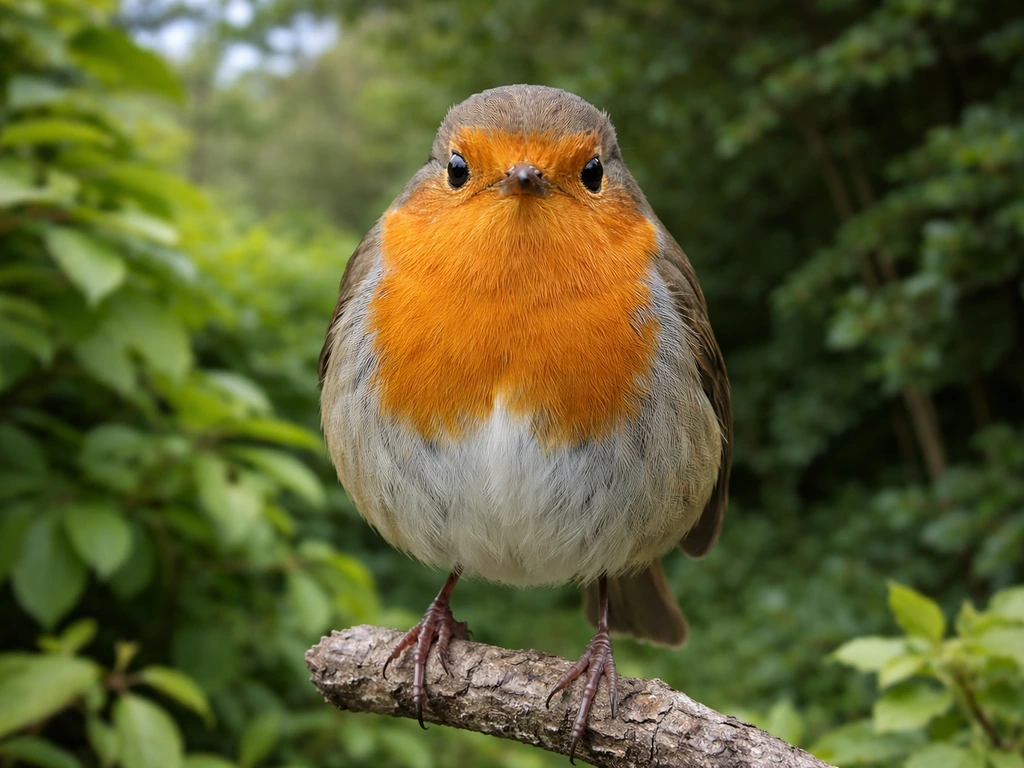
The UK's national bird is the European robin, but with an important catch: it has never been officially designated by the government. The robin is widely accepted as Britain's national bird based on public votes held in 1961 and again in 2015, but no formal state declaration has ever made it official. If you want the honest answer, the robin is the bird most people mean when they talk about the national bird of the UK or England, and it carries genuine cultural weight. Just don't expect to find it on a government decree.
What Is the National Bird of the UK? Answer and History

Marcus Chen
12 Apr 2026
One bird or several? How the UK handles this
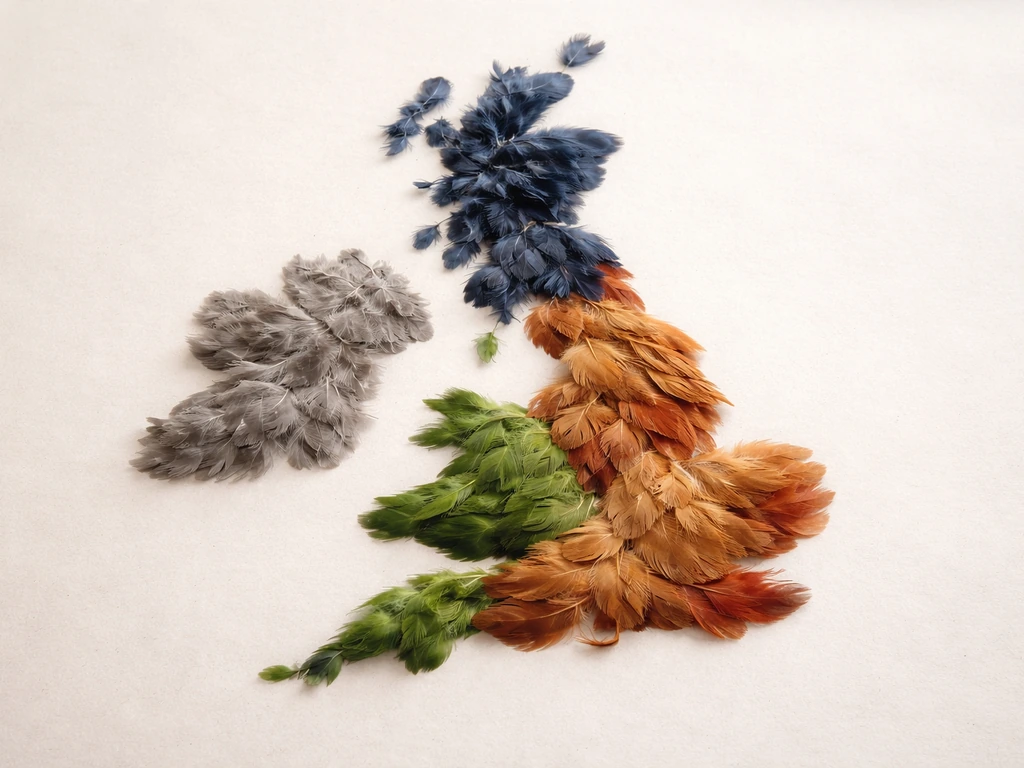
The United Kingdom is made up of four constituent nations: England, Scotland, Wales, and Northern Ireland. Unlike some countries that have a single, government-declared national bird for the whole state, the UK has never formally named one. A UK Parliament Early Day Motion notes there has never been an officially recognised national bird of the UK and argues for the red grouse instead Unlike some countries that have a single, government-declared national bird for the whole state, the UK has never formally named one.. What exists instead is a strongly supported popular choice, the European robin, which is treated as a shared cultural symbol rather than an official emblem. So if someone asks you for the single national bird of the UK, the honest and practical answer is: the robin, by popular consensus, not by law.
The four constituent nations each have their own cultural identities and symbols, but bird emblems at that level are similarly informal. The conversation about a national bird has mostly been handled as a "Britain" identity discussion rather than a precise UK-wide government matter, which is part of why the terminology gets muddy online.
England's national bird: the robin and why it was chosen
England does not have an officially gazetted national bird either, but the European robin (Erithacus rubecula) is so deeply embedded in English culture that it functions as one. The bird's association with England goes back centuries. It appears on Christmas cards, in folklore, and in gardens across the country. Robins are famously bold, often hopping close to gardeners digging soil, and that cheeky, approachable personality has made them endearing to generations of British people.
If you want the full story of why the robin carries this status specifically for England, it goes well beyond a single vote. Why the robin became the national bird of England is a story rooted in folklore, Victorian Christmas traditions, and a genuine public affection that no other British bird has matched. The short version is that the robin was a natural cultural choice long before any poll made it semi-official.
UK vs Great Britain vs England: why the name matters
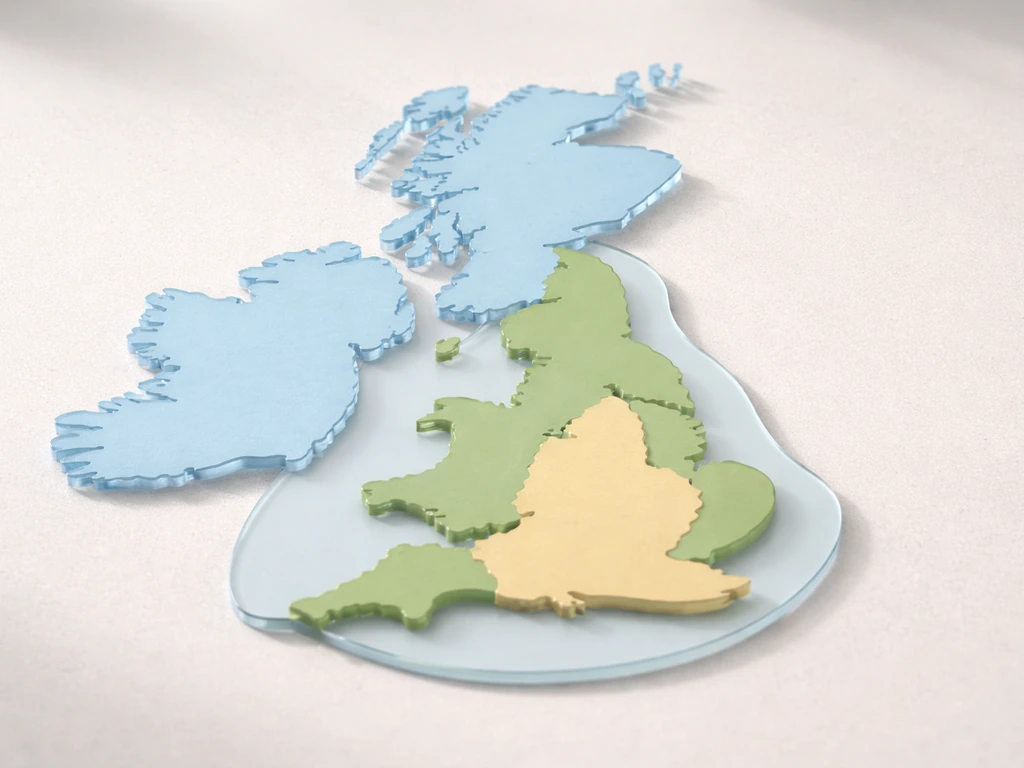
This is where a lot of the confusion online comes from. Great Britain is a geographical term referring to the island that contains England, Scotland, and Wales. The United Kingdom is a political term referring to the sovereign state, which includes Great Britain and Northern Ireland. When people talk about a "British national bird," they are usually thinking of Great Britain as a cultural concept, not precisely the UK as a political entity including Northern Ireland.
In practice, this means that when you read "the national bird of Britain" or "the national bird of the UK" online, writers are usually using the terms interchangeably and loosely. The robin is the accepted answer for all of these: England, Britain, and the UK. But technically, the UK government has never made any of these designations official, so the label applies equally (and equally informally) to all three names.
Compare this to countries like Ukraine, where the national bird of Ukraine has a clearer official status, or Russia, where Russia's national bird carries a formal government designation. The UK sits in a different category: culturally rich, officially silent.
The history behind the robin as Britain's bird
The first significant modern moment came in 1961, when a poll in The Times, publicised by a bird appreciation council, voted the robin as Britain's favourite bird. It was a popular vote, not a government action, but it gave the robin a recognisable cultural stamp. The Guardian later confirmed this, noting the robin "has never been officially recognised as a national bird" despite that result.
Then in 2015, ornithologist David Lindo organised the Vote National Bird campaign to revisit the question. More than 200,000 votes were cast, and the robin won with 34% of the final vote, well ahead of the other contenders. Lindo then said he would speak to the government to see if the winner could be awarded the title officially. Environment minister Rory Stewart described the robin as "synonymous with the British countryside," lending it some political warmth if not a legal designation. The Smithsonian covered the campaign and noted plainly that England, Scotland, Wales, and the UK territories have never named a national bird as an official state symbol.
So the robin's status today rests on two public votes, deep cultural history, and strong popular sentiment, but not on any act of parliament or official government proclamation.
What the robin symbolises
The robin's symbolism in British culture is layered. Historically, it was associated with Christmas partly because Victorian postmen, who wore red uniforms, were nicknamed "robins," and the bird appeared on the cards those postmen delivered. The robin also features in folklore as a bird of good luck and, in some traditions, as a protector of the dead, which gave it a spiritual resonance beyond just being a garden favourite.
Its bright red breast makes it visually distinctive and easy to recognise, which matters for a national symbol. It is also genuinely widespread across the UK, not a regional specialist. That combination of visibility, familiarity, and cultural history made it the obvious candidate when the question of a national bird was put to a public vote.
One interesting side note: people sometimes ask about the national bird of London specifically, since London as a city has its own distinct relationship with birds, most famously the ravens of the Tower of London. But the city-level answer is separate from the national emblem conversation, and the robin remains the bird most associated with England and Britain as a whole.
How to verify official status and avoid common mix-ups
A lot of websites state flatly that "the robin is the national bird of the UK" without any qualification, which is technically misleading. Here are a few practical tips for checking what you are actually reading:
- Look for the word "official": If a source does not distinguish between an official government designation and a popular vote result, treat its claim with some skepticism. The robin's status is popular and cultural, not legislative.
- Check who ran the vote: The 2015 result came from a public campaign organised by David Lindo, not from the UK government or any official body. That context matters when evaluating the claim.
- Watch for UK vs Britain mix-ups: Many sources use "UK" and "Britain" interchangeably. Strictly speaking, the UK includes Northern Ireland, while "Britain" usually refers to the island of Great Britain. Neither territory has officially named the robin.
- Cross-reference with reference sites: Bird reference databases sometimes list a status field showing whether a national bird designation is official or unofficial. The robin is consistently tagged as unofficial or "by popular vote" for the UK.
- Do not confuse cultural emblems with state symbols: The robin is a cultural favourite, the way a bald eagle might be culturally associated with America even if you did not know it was the official US national bird. The difference is the US made it official; the UK has not.
The bottom line is straightforward. If someone asks you what the national bird of the UK is, the robin is the right answer in any practical sense. It won the public vote, it has centuries of cultural history, and no other bird comes close in terms of popular association with Britain and England. Just be clear that "national bird" here means the people's choice, not a government emblem, and you will have a more accurate and complete answer than most sources give you.
FAQ
Is the European robin officially the national bird of the UK by law?
No. The UK has no formal, government gazetted national bird, so the robin’s status comes from public acceptance and votes rather than an official state designation or parliamentary action.
If the UK has no official national bird, why do so many sites claim the robin is official?
Most sites treat “national bird” as a cultural label (what people vote for and repeat) instead of a legal one. They may also blur “UK,” “Britain,” and “England,” which makes the claim sound more official than it is.
What should I say if someone asks for the national bird of the UK in a strict, factual way?
Use a two-part answer: the European robin is the popular choice, but the UK government has never formally designated a national bird. That phrasing is accurate and avoids the common misinformation.
Does England have an official national bird separate from the UK?
Not in a formal government sense. England’s identity around the robin is cultural and historical, and the same “popular rather than legal” limitation applies.
Are there different national birds for England, Scotland, Wales, and Northern Ireland?
No single UK-wide official arrangement exists, and bird symbols at the constituent-nation level are not consistently formalized by government the way a state emblem would be.
Why does the robin show up in “national bird of Britain/UK” discussions even when the UK is more than Great Britain?
Because many writers use “British” or “Britain” loosely as a cultural stand-in for the whole country. In practice they mean the shared cultural symbol, which is why the robin is repeated for England and Britain as well as the UK.
Could the winner of the 2015 vote become official later?
Possibly, but it is not automatic. The 2015 campaign involved speaking to government about official recognition, and without a subsequent government designation, the robin remains unofficial.
What is the difference between the national bird of the UK and the national bird of London?
A London-focused question is about the city’s own associations and symbols, which can include the Tower of London ravens. That is separate from the broader “national bird” discussion, where the robin is the widely accepted popular pick.
Next Articles
What Is Russia’s National Bird? Answer and Symbolism
What is Russia’s national bird? Learn the commonly cited species, its symbolism, history, and how to verify sources.
What Is the National Bird of Zimbabwe? Symbolism and Facts
Discover Zimbabwe’s national bird, its distinctive traits, and the history and symbolism behind the emblematic choice.
What Is the National Bird of Botswana? Bird ID, Meaning
Answers Botswana national bird name with species ID, how to recognize it, where to spot it, and its cultural meaning