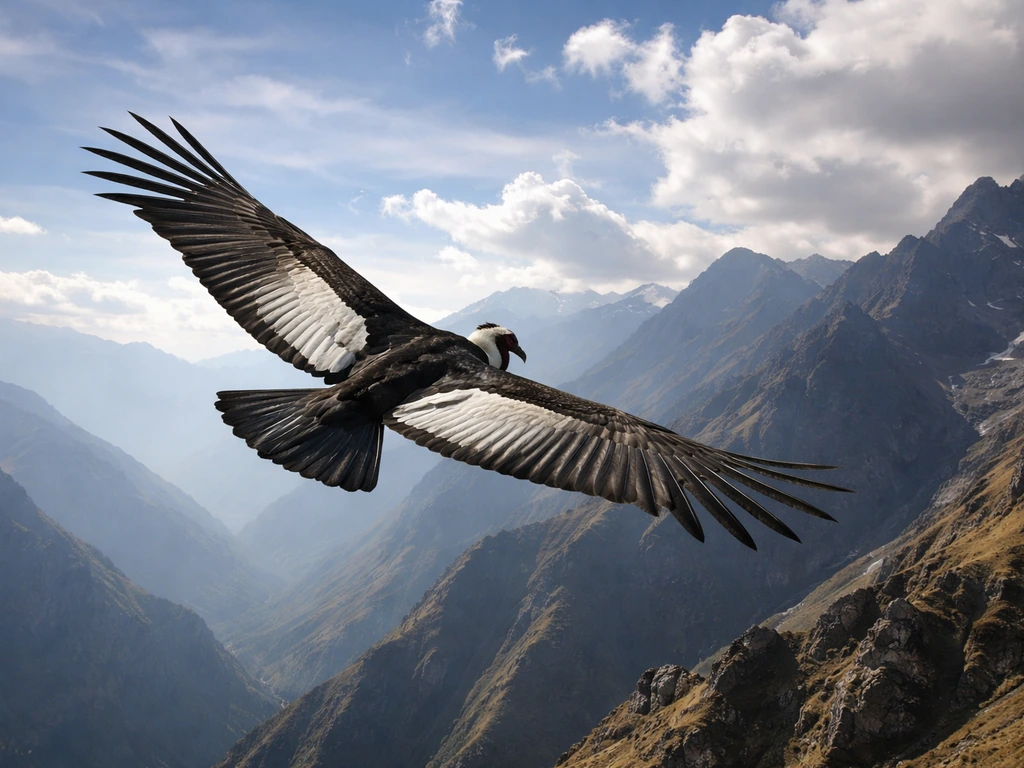
Bolivia's national bird is the Andean condor (Vultur gryphus). It appears on Bolivia's national coat of arms, is the only wildlife species featured on that crest, and has been formally recognized through Bolivian law as the country's emblematic bird. If you've seen conflicting answers online, the Andean condor is the one you can rely on.
What Is the National Bird of Bolivia? Condor Meaning and Facts

Marcus Chen
22 Apr 2026
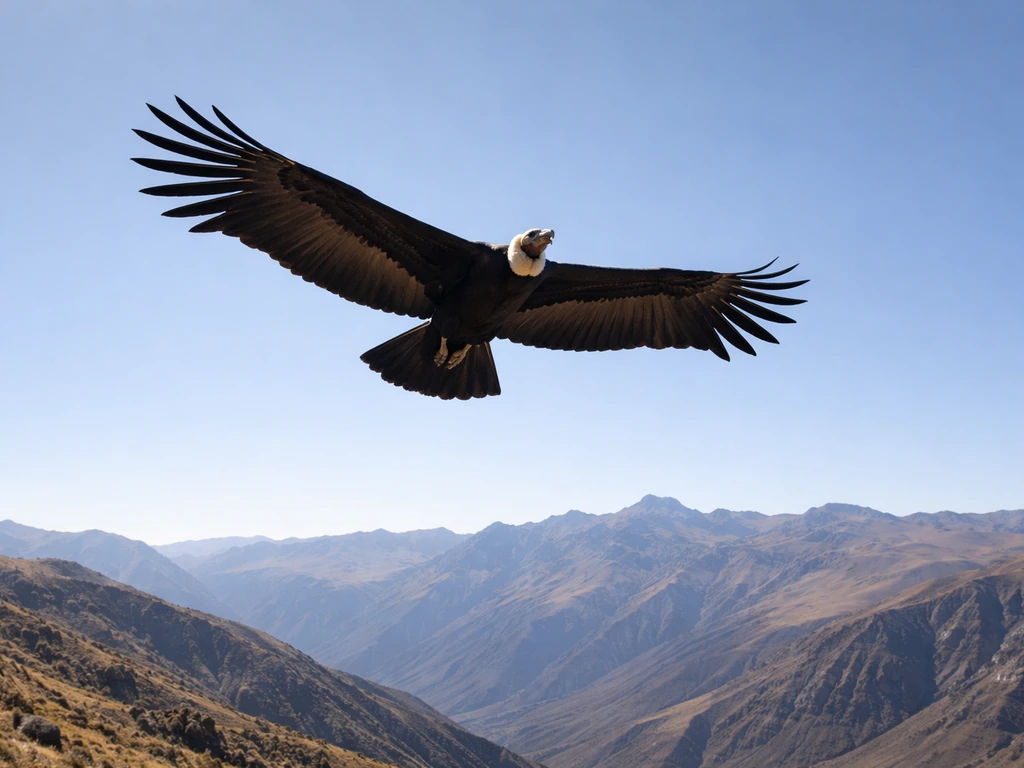
Bolivia's National Bird: The Andean Condor
The Andean condor is one of the most recognizable birds in South America, and Bolivia's connection to it runs deep. Known in Quechua as Kuntur Mallku, the condor holds a place on Bolivia's national seal and is referenced in official Bolivian law as the country's condor symbol. The San Diego Zoo, the Peregrine Fund, and WCS Bolivia all confirm the Andean condor as Bolivia's national bird. It's not a casual or disputed pick: this bird is woven into Bolivia's national identity at the most formal level.
Official Recognition vs. What You'll See Online
When you search for Bolivia's national bird, you'll sometimes find lists that mix up officially recognized national birds with culturally popular ones. For Bolivia, the Andean condor is both: it's not just a cultural favorite but also the bird formally placed on the national coat of arms by decree. Bolivia's Escudo Nacional (national coat of arms) was codified by the Supremo Decreto of July 14, 1888, which describes the condor in its specific position on the crest, 'in the attitude of taking flight.' That's about as official as it gets.
Bolivia went further in 2023. Law No. 1525, passed on November 9, 2023, is dedicated entirely to the protection and conservation of the Andean condor (Kuntur Mallku, Vultur gryphus). It also establishes February 4 as Bolivia's official Día del Cóndor Andino (Andean Condor Day). If you want to verify any of this yourself, searching for 'Ley 1525 Bolivia cóndor andino' will take you directly to the official legislative text.
For additional cross-checking, eBird's range and status maps, the U.S. Fish and Wildlife Service species page for Vultur gryphus, and the American Bird Conservancy's profile all confirm the bird's presence in Bolivia and its status as a national symbol in multiple Andean countries. Bolivia shares this designation with Colombia, Chile, Ecuador, and Peru, which makes the Andes condor one of the most widely recognized avian national symbols in the world.
What the Condor Means in Bolivian Culture
The condor's symbolic weight in Bolivia isn't just political: it reaches back through Andean cultures long before modern nationhood. In traditional Andean belief, the condor represents power, health, and connection to the spirit world. It was seen as a messenger between the earthly world and the realm of the gods, partly because of how high it soars.
Bolivia's own educational resources describe the condor on the coat of arms as symbolizing the 'búsqueda de horizontes sin límites,' which translates roughly to the pursuit of limitless horizons. That framing captures why Bolivians chose this bird: the condor doesn't just fly high, it flies higher than almost anything else. For a landlocked country with ambitions reaching across mountain ranges and vast lowlands, that image carries real meaning.
The Quechua name, Kuntur Mallku, adds another layer. 'Kuntur' is simply condor, but 'Mallku' translates to lord or chief. The bird was considered royalty in the sky, a natural fit for a national symbol. Bolivia's use of that full name in Law 1525 is a deliberate nod to this indigenous heritage.
How and When Bolivia Made It Official
The condor's formal place in Bolivia's national identity dates back to the 19th century. The Supremo Decreto of July 14, 1888, established the design of Bolivia's national coat of arms and explicitly placed the condor atop the crest in a flying posture. This decree cemented what had already been a cultural truth: the Andean condor was Bolivia's bird.
More recently, Bolivia's legislature updated and reinforced that status with Law No. 1525 in November 2023. This law isn't just symbolic. It mandates active conservation and legal protection for the Andean condor across Bolivian territory, and it creates an annual national day of recognition on February 4. WCS Bolivia celebrated the first Día del Cóndor Andino in 2024, marking a new era of formal conservation commitment tied directly to the national symbol.
What the Andean Condor Actually Looks Like and Where It Lives in Bolivia
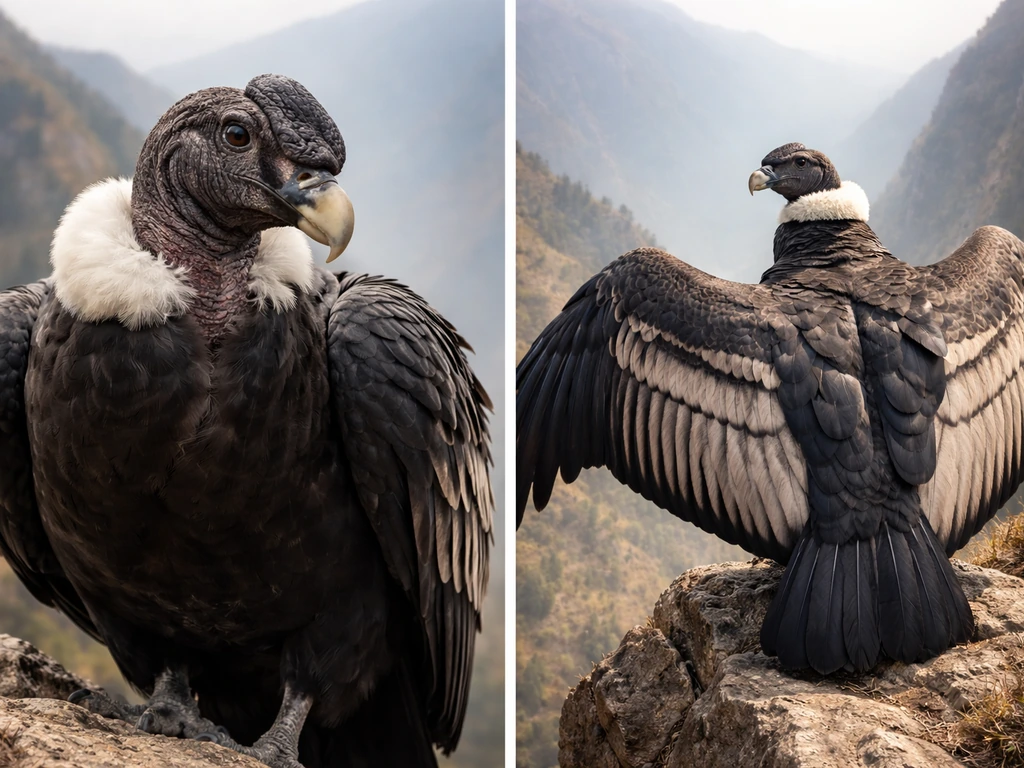
Appearance and size
The Andean condor is one of the world's largest flying birds by wingspan. Adults can reach a wingspan of around 10 to 10.5 feet (about 3 meters), and males can weigh up to 33 pounds (15 kg). Adults are mostly black with white feathers on the wings and a white collar of fluffy feathers around the base of the neck. Males have a distinctive bald red or pinkish head with a fleshy comb or wattle. Females are slightly smaller and lack the comb. Juveniles are brownish-gray with a darker head.
Behavior and nesting

Andean condors are scavengers: they feed almost entirely on carrion and use their extraordinary eyesight to spot carcasses from high altitudes. They ride thermal air currents and can travel hundreds of miles in a single day without much active flapping. They form lifelong pair bonds and nest on cliff faces, using rocky ledges or shallow caves. There's rarely any nest material: a single egg is often laid directly on bare rock. Both parents take part in raising the chick, and the juvenile may stay with its parents for more than a year.
Where to find them in Bolivia
In Bolivia, the condor is most commonly found in high Andean Puna grasslands, along the treeline in the Yungas, and in dry to humid forests and woodland scrub along the Andean slopes. They also appear locally in the western Chaco thorn forest. One interesting note from Bolivia species records: they are generally absent from the flat Altiplano areas, even though much of that region sits at high elevation. The condor prefers terrain with cliffs and thermals, which the flat plateau doesn't provide as reliably.
Conservation status
The Andean condor is currently classified as Vulnerable on the IUCN Red List, with some sources noting a Near Threatened assessment depending on the publication date. Either way, populations have declined due to habitat loss, poisoning, and slow reproduction rates (the birds raise only one chick at a time and reproduce infrequently). Bolivia's Law 1525 was passed specifically to address these pressures at the national level. The Peregrine Fund’s Andean condor project page provides conservation background focused on the species across Andean range countries, which aligns with the intent of Bolivia’s conservation law Bolivia's Law 1525 was passed specifically to address these pressures at the national level..
Bolivia's Condor vs. Its Neighbors
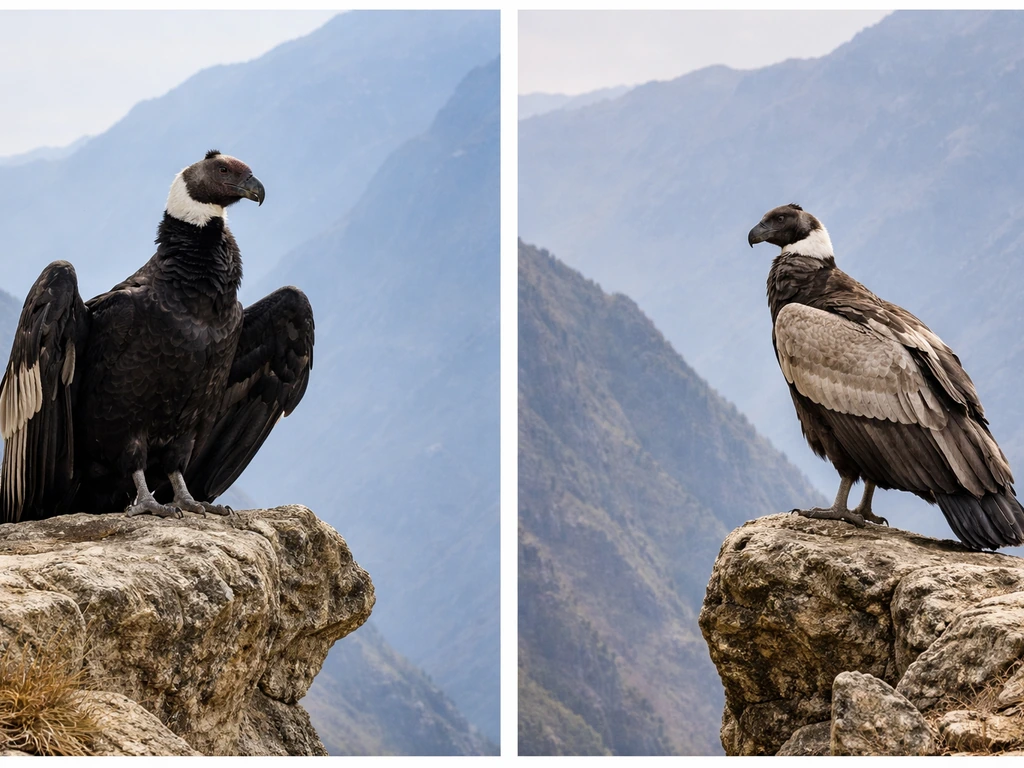
Bolivia is not alone in honoring the Andean condor as a national symbol. Ecuador’s national bird is also the Andean condor. Ecuador and Colombia also claim the condor as their national bird, while Venezuela's national bird is the Turpial (a brightly colored oriole), and Paraguay chose the Bare-throated Bellbird. Paraguay’s national bird is the Bare-throated Bellbird. The shared Andean condor symbolism among Bolivia, Ecuador, and Colombia reflects a common indigenous and geographic heritage across the Andes mountain chain. What makes Bolivia's designation stand out is the depth of legislative commitment, including the 2023 conservation law and the new national condor day.
Why This Bird Still Matters Today
National birds aren't just trivia: they reflect what a country values and wants to project about itself. Bolivia chose a bird that represents freedom, high ambition, indigenous heritage, and ecological grandeur. The condor soars above political borders and mountain ranges, and Bolivia's formal protection of it signals that the country sees its own identity tied to the health of its Andean ecosystems.
For students, bird enthusiasts, or anyone curious about Bolivian culture, the Andean condor is a good entry point. It connects colonial-era legal history (the 1888 decree), indigenous Quechua tradition (Kuntur Mallku), modern conservation law (Ley 1525, 2023), and stunning natural history all in one bird.
| Detail | Information |
|---|---|
| Common name | Andean condor |
| Scientific name | Vultur gryphus |
| Quechua name | Kuntur Mallku |
| IUCN status | Vulnerable |
| Wingspan | Up to ~10.5 feet (3.2 meters) |
| Weight (male) | Up to ~33 lbs (15 kg) |
| Habitat in Bolivia | Andean Puna, Yungas treeline, forested slopes, western Chaco |
| On national coat of arms since | 1888 (Supremo Decreto, July 14, 1888) |
| National protection law | Ley No. 1525, November 9, 2023 |
| Bolivia's Condor Day | February 4 |
Where to Learn More and What to Explore Next
If you want to verify Bolivia's national bird for a project or just keep exploring, here are the most reliable places to check:
- eBird (ebird.org): Search 'Andean Condor' for range maps and Bolivia-specific sighting data updated through 2023.
- American Bird Conservancy (abcbirds.org): Clear profile on the Andean condor covering symbolism, behavior, and conservation status.
- Peregrine Fund (peregrinefund.org): Lists the Andean condor's national bird status across South American countries including Bolivia.
- WCS Bolivia (wcs.org/bolivia): The Wildlife Conservation Society's Bolivia page covers the condor as Bolivia's emblematic species and documents the first Día del Cóndor Andino.
- FAOLEX or Infoleyes Bolivia: Search for 'Ley 1525' to read the full text of Bolivia's 2023 condor protection law.
- San Diego Zoo Animals & Plants: Quick confirmation of Bolivia's national bird with broader context on the species.
If you're building out your knowledge of South American national birds more broadly, it's worth comparing Bolivia's condor to the national birds of its neighbors. Ecuador and Colombia share the condor, while Venezuela's choice of the Turpial and Paraguay's Bare-throated Bellbird show how differently neighboring countries have approached the same question. Each choice tells you something real about geography, culture, and national identity.
Beyond the bird itself, Bolivia has other national symbols worth exploring: the national flower (the kantuta), the national tree (the quina or cinchona), and the coat of arms as a whole, which includes not just the condor but also the Bolivian landscape, alpacas, and the national flag colors. The condor is the most visible wildlife symbol, but it sits within a richer set of emblems that together tell the story of what Bolivia is.
FAQ
Why do some websites give a different national bird for Bolivia?
Most mix up national birds with cultural or popularly associated animals. For Bolivia, the safest check is whether the bird appears in the national coat of arms and is referenced in official legislation, which the Andean condor is.
Is the Andean condor considered a national bird only by tradition, or is it legally recognized?
It is legally recognized. The national coat of arms design was codified in 1888, and Bolivia later reinforced the emblem with dedicated conservation legislation (Ley 1525, 2023).
Does Bolivia’s national bird refer to a specific species, or could it be another type of condor?
It refers specifically to the Andean condor, Vultur gryphus. The national-symbol wording uses the Kuntur Mallku name alongside the scientific name in the 2023 law.
Do Bolivia and neighboring countries share the same national bird, and how is that possible?
Yes. Bolivia shares the Andean condor as a national symbol with countries such as Ecuador and Colombia, because the species and related Andean cultural heritage span the region. Different birds elsewhere reflect different geographic and cultural choices.
How can I verify Bolivia’s national bird for a school project if I need a primary source?
Look for the national coat of arms codification (Supremo Decreto of July 14, 1888) and Bolivia’s Ley 1525 from November 9, 2023. Those documents tie the condor to both the emblem design and conservation status.
Is the “Día del Cóndor Andino” the same thing as the national bird designation?
It is related but not identical. The national bird status is an emblematic designation, while the February 4 observance (set by Ley 1525) functions as a formal day to highlight conservation and national recognition.
If I travel in Bolivia, where am I most likely to see the Andean condor?
Expect the best odds in areas with cliffs and thermals, such as high Andean puna grasslands, near the treeline in the Yungas, and along Andean slopes. The flat parts of the Altiplano are often less reliable even at high elevation.
Are Andean condors common in Bolivia, or are they protected because numbers are low?
They are not common. The species is listed as Vulnerable overall, with declines linked to habitat loss, poisoning, and slow reproduction. That is one reason Bolivia’s 2023 law emphasizes active conservation.
How should I avoid a common mistake when answering “what is the national bird of Bolivia”?
Don’t answer with a generic term like “condor” without specifying the Andean condor. For accuracy, include both the common name (Andean condor) and the scientific name (Vultur gryphus), especially if your project requires precision.
Next Article
What Is Ecuador’s National Bird? The Official Answer
Ecuador’s national bird is the Andean condor, with symbolism, where it lives, key traits, and observation tips.