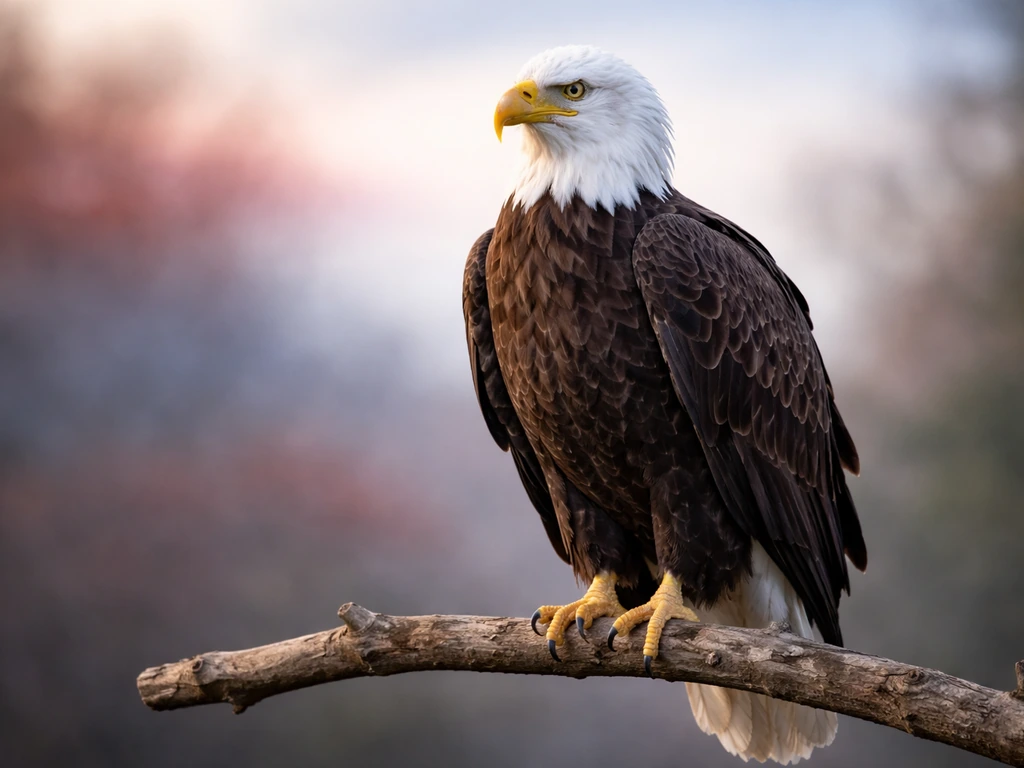
There is no official national bird of the world. "National birds" are symbols chosen by individual countries, not by any global body. The United Nations has no designation for a single world bird, and no international treaty creates one. If you're searching for "the national bird of the world," you're almost certainly looking for the national bird of a specific country, or you want to browse the most famous national birds across different nations.
What Is the National Bird of the World? Explained

Marcus Chen
31 May 2026
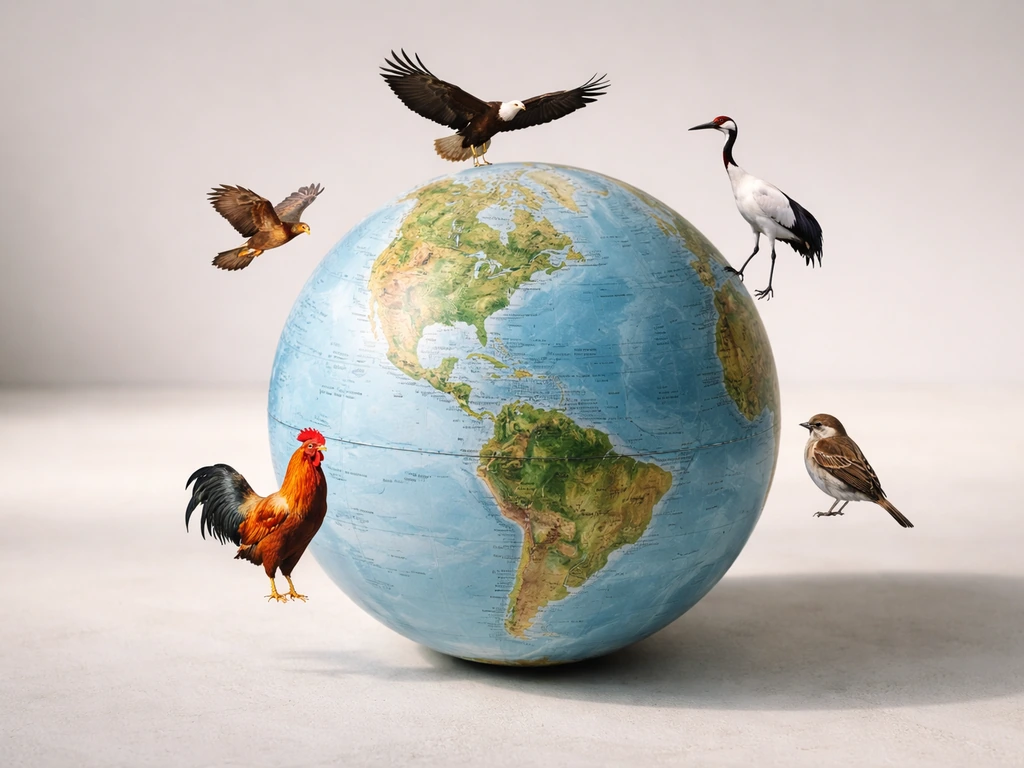
Why a "national bird of the world" isn't an official thing
The concept of a national bird belongs to individual nations, not to any international authority. The United Nations has an emblem and a flag, but neither designates a bird, a global symbol, or anything like a world national bird. There's simply no treaty, resolution, or body that would have the authority to pick one bird to represent every country on Earth.
Even within countries, "national bird" status varies more than you'd expect. The United States, for example, only officially codified the bald eagle as its national bird in late 2024, through a public law (Public Law 118-206) that added the designation to 36 U.S. Code § 306. Before that legislation passed, the bald eagle was widely accepted as a national symbol but had no formal legal status as the national bird. Canada still doesn't have an officially designated national bird at the federal level: as of 2026, a proposed National Bird of Canada Act (Senate Bill S-221) would recognize the Canada jay, but the bill's own language notes the bird hasn't yet been officially recognized.
So even country-by-country, the picture is messier than a simple list suggests. Some national birds are codified in law. Some appear on government national-symbols pages without formal legislation. Some are widely cited secondary-source designations that governments have never officially confirmed. A published reference like Wikipedia's list of national birds explicitly flags entries as official or non-official for exactly this reason.
How national birds are chosen, country by country

There's no single process. Each country handles it differently, which is part of why the landscape is so uneven.
- Legislation: A country's parliament or congress passes a law naming the bird officially. The U.S. bald eagle designation is the clearest example of this.
- Government declaration: A head of state or national government formally announces the symbol, often listed on official national-symbols pages. India's designation of the Indian peacock appears this way on India's National Portal.
- Coat of arms and flag: A bird that appears prominently on a country's national flag or coat of arms often becomes associated as the national bird by default, even without a separate declaration. Mexico's golden eagle on its coat of arms is a well-known example.
- Popular or cultural consensus: Some countries have a bird that everyone recognizes as the national symbol without any official legal backing. Canada's situation with the Canada jay falls into this gray area.
- Historical selection: Occasionally, a bird was designated by a colonial administration or earlier government and simply carried forward.
South Africa's blue crane is a good example of a clean, official designation: it's listed directly on the South African Government's national symbols page (gov.za) as the national bird. That's the kind of authoritative source you want to look for when confirming a country's bird.
What people usually mean when they ask this question
When someone searches "national bird of the world," they're usually after one of three things. Understanding which one you actually want saves a lot of time.
- A specific country's national bird: The most common scenario. Someone hears "national bird" in conversation, wants to look it up, and types "world" because they're thinking globally or aren't sure which country to specify. If this is you, jump straight to looking up the country you have in mind.
- A tour of famous national birds around the world: Some people want a broad overview, comparing the bald eagle, the peacock, the quetzal, and other well-known symbols. This is a completely valid use of the phrase "world" and it's what the rest of this article covers.
- A single global bird symbol: A small number of people genuinely wonder if there's one bird chosen to represent Earth or humanity. The answer is no, for the reasons covered above.
How to find the national bird you're actually looking for
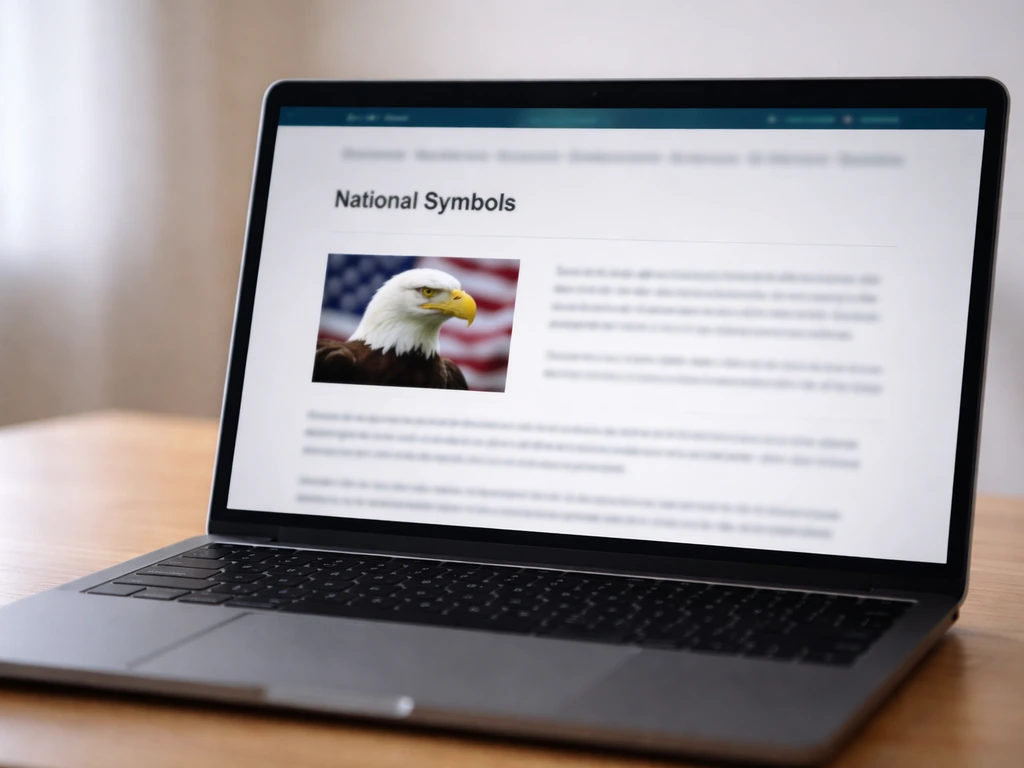
If you have a specific country in mind, the fastest reliable path is to check that country's official government website for its national symbols page. India, South Africa, the United States, and many others publish this information directly on government portals. For countries where the designation is less formal, reputable encyclopedias and reference sites can fill the gap, though it's worth noting whether the listing is flagged as official or simply widely accepted.
A few practical steps that work in most cases:
- Search for "[country name] national bird" plus the word "official" or "government" to surface authoritative sources rather than casual lists.
- Check the country's official national symbols or identity page. Many governments publish these under headings like "National Identity," "National Symbols," or "Official Symbols."
- For legally codified designations, look for references to legislation or law codes, as the U.S. bald eagle example shows.
- Cross-reference at least two sources: a government page and a reputable encyclopedia entry, paying attention to whether the status is marked as official or informal.
It's also worth knowing that the question of what counts as "official" has a longer history than you might expect. The story of the first formally recognized national birds, and even debates like whether Ben Franklin really wanted the turkey as America's symbol instead of the eagle, reveal just how much history and politics shape these choices.
A quick tour of well-known national birds from around the world
Rather than one "world" bird, think of national birds as a mosaic: each one reflects something specific about the country that chose it, its landscape, its values, or its history. Here's a look at some of the most iconic examples by region.
The Americas
| Country | National Bird | Why It Was Chosen |
|---|---|---|
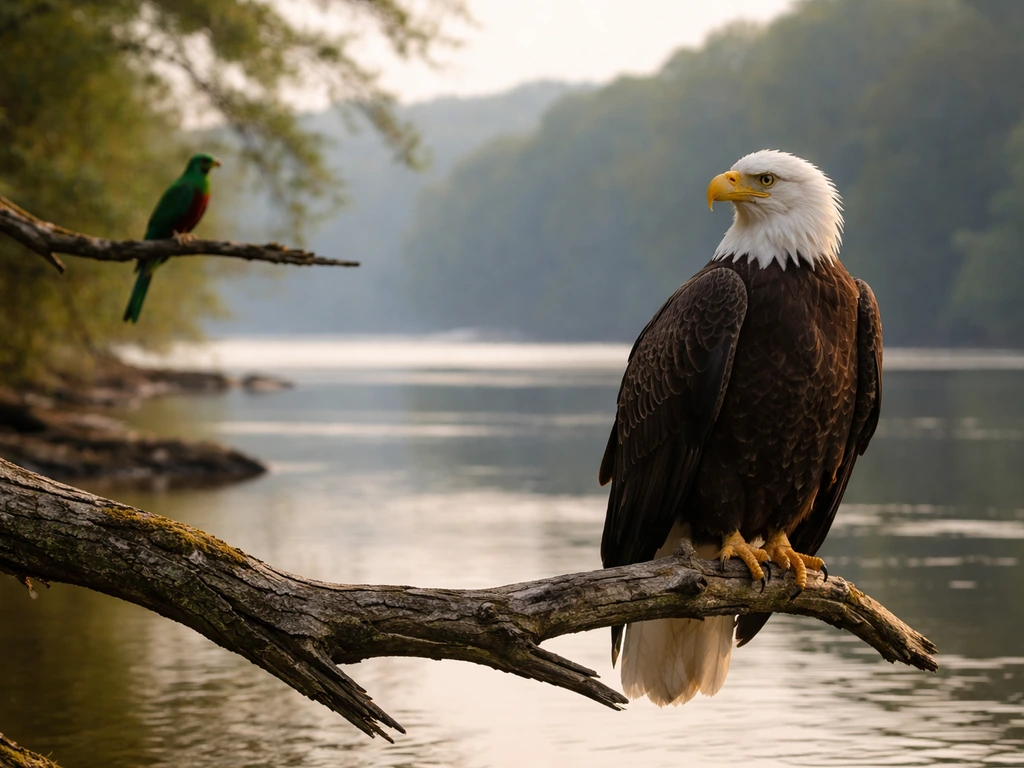
| United States | Bald eagle | Symbol of strength and freedom; officially codified in U.S. law in 2024 after decades of informal recognition |
| Guatemala | Resplendent quetzal | Sacred to the ancient Maya; symbol of liberty and appears on the national flag and currency |
| Mexico | Golden eagle | Featured on the national coat of arms and flag; rooted in Aztec legend about founding the city of Tenochtitlan |
| Canada | Canada jay (proposed) | Beloved across the country's wilderness; a federal designation has been proposed but not yet officially enacted |
Europe and Africa
| Country | National Bird | Why It Was Chosen |
|---|---|---|
| South Africa | Blue crane | Endemic to southern Africa; officially listed on the South African Government's national symbols page |
| Germany | White-tailed eagle | Symbol of imperial power dating back centuries; appears on Germany's coat of arms |
| United Kingdom | Robin | Chosen through a popular vote; deeply embedded in British cultural imagery, especially at Christmas |
Asia and the Pacific
| Country | National Bird | Why It Was Chosen |
|---|---|---|
| India | Indian peacock | Revered in Hindu mythology and culture; officially designated and described on India's National Portal |
| Australia | Emu | Native only to Australia; featured on the national coat of arms alongside the kangaroo |
| New Zealand | Kiwi | Flightless and found nowhere else on Earth; so strongly associated with New Zealand that "Kiwi" became a national nickname |
| Philippines | Philippine eagle | One of the largest and most powerful eagles in the world; chosen as a symbol of national pride and strength |
Each of these birds tells a story that goes well beyond simple symbolism. The resplendent quetzal of Guatemala, for instance, was so sacred to the Maya that killing one was punishable by death, and its tail feathers were used as currency. Britannica also notes that Guatemala's national bird is the resplendent quetzal resplendent quetzal of Guatemala. The bald eagle was long considered an unofficial U.S. symbol before its formal legal designation finally came through. These stories are exactly the kind of deeper context that makes national birds worth exploring.
Browse, compare, and dig into the stories
Now that you know there's no single world national bird, the most useful next step is to pick a direction. If you came here with a specific country in mind, use the steps above to verify its official national bird through government sources. If you're here out of general curiosity, the richest experience is exploring national birds region by region and reading the cultural and historical context behind each choice.
Some threads worth pulling on: What was the very first country to officially designate a national bird? Was the first national bird ever designated in a country, and what used to be the national bird in that earlier tradition? People often ask what was the first national bird and which country made that earliest official designation.
This also leads naturally to the age-old debate about which came first, the turkey or the country very first country to officially designate a national bird. Was it always as formal a process as it is today? And what about countries that changed their national bird over time, or where the designation remains contested? These questions connect to broader themes about national identity, colonial history, and what a country chooses to represent itself to the world.
The most engaging way to use a resource like this site is to start with a bird you already know, like the bald eagle or the peacock, then branch out to compare it with birds from neighboring countries or similar ecosystems. You'll start to notice patterns: eagles dominate Europe and the Americas as symbols of power, while more unusual endemic species tend to be chosen in island nations and biodiversity hotspots. That comparative lens is where things get genuinely interesting.
- Start with a country you're curious about and look up its bird's cultural history, not just its name.
- Compare birds across a single continent to see regional patterns in what countries choose to symbolize themselves.
- Look into how and when each bird was officially designated, since the process often reveals something about the country's political history.
- Pay attention to birds that are endangered or under conservation protection, many national birds face real threats despite their symbolic status.
- Explore the stories behind unusual choices: the robin in the UK, the kiwi in New Zealand, or the blue crane in South Africa each have fascinating backstories.
FAQ
Is there any organization (like the UN) that officially picks one national bird for all countries?
No. The phrase “national bird of the world” usually means people want a single global choice, but there is none because national symbols are set by individual countries, not by an international authority with a single agreed designation.
How can I tell whether a country’s national bird is truly official or just commonly claimed?
If you need a reliable answer, look for the government’s national symbols page or the specific law that created the designation. If a bird is only described on tourism sites, blogs, or secondary references without citing a statute or official government page, treat it as “commonly cited” rather than fully official.
Can a country change its national bird over time?
Yes, it can change. Some countries formalize a designation later, others update symbols by law or national policy, and some contested proposals may never pass. So a bird listed “today” might not be the one that was officially used earlier.
What’s the difference between a national bird that is widely accepted and one that is codified in law?
Yes. A country may have an emblematic bird used widely for decades without formal legal status, then later codify it. The U.S. example shows that “widely accepted” and “official by law” can be different stages.
What should I do if a country has no clear official national bird yet, or only a proposed law exists?
For countries where the national bird is not clearly legislated at the federal level, some sources may reflect a proposed act, a local or historical preference, or an informal consensus. In those cases, you should prioritize the exact wording of the proposal and whether it explicitly says the bird is recognized or only recommended.
Why do different websites sometimes list different birds for the same country?
If you are comparing countries, watch out for name confusion. Common names can differ by language and region, and some birds have multiple species with similar vernacular names. When verifying, match both the common name and the scientific name if provided by the official source.
Can a “national symbol” bird be different from a “national bird,” even within the same country?
Yes. Some countries use national birds for branding and education, but they may still not legislate the designation, or they may specify it in a way that applies to a certain territory or context. Always check whether the source explicitly says “national bird” versus “national symbol bird” or “bird emblem.”
What’s the best method to compare national birds across countries without mixing official and unofficial lists?
A practical approach is to decide what standard you want: “official by law,” “official by government website,” or “widely accepted secondary designation.” Pick the standard first, then filter results accordingly so you don’t mix categories.
If I find conflicting claims, can I still use non-official sources, and how should I present them?
If the bird you see is described as non-official or “commonly cited,” you can still use it for general exploration, but you should label it as such. For rigorous answers, only treat it as the country’s national bird when the designation is backed by an official government page or a law.
Next Article
What Was the First National Bird of the United States?
Find the earliest official national bird of the US and the symbolism behind it, plus how to verify competing claims.