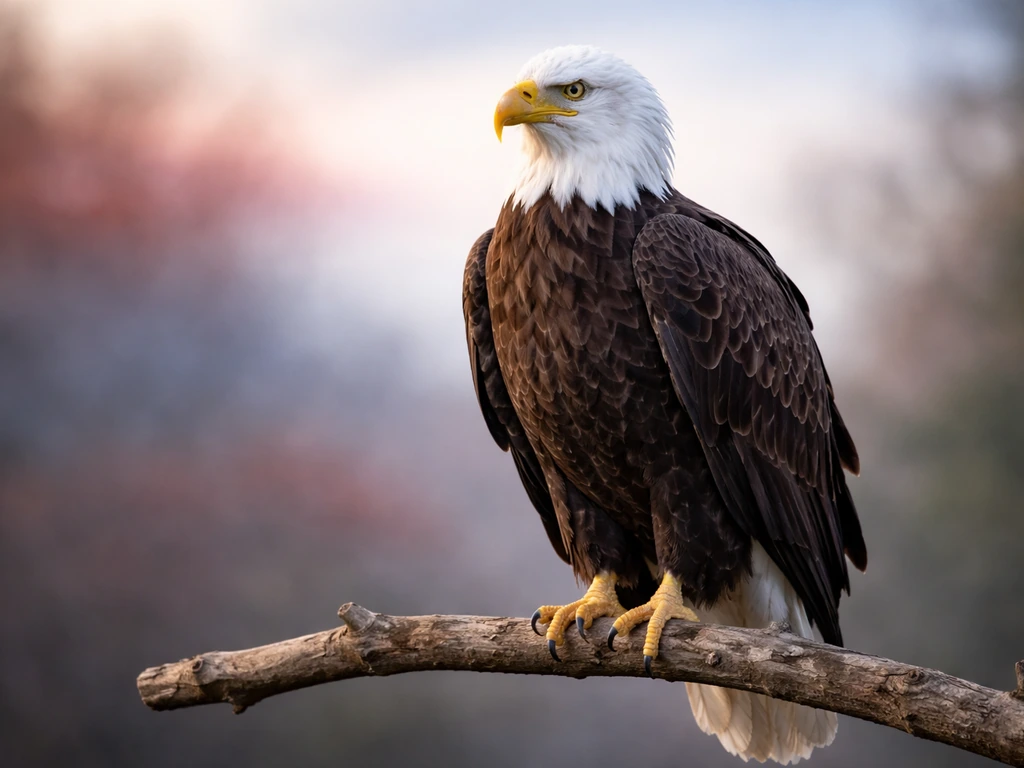
The bald eagle is the first and only official national bird of the United States. It became the country's national symbol as early as June 20, 1782, when the Continental Congress adopted the Great Seal featuring the bald eagle at its center. But here's the twist: it wasn't formally designated as the "national bird" by law until December 23, 2024, when President Biden signed S.4610 into law as Public Law 118-206. So the answer depends on whether you mean the first bird to symbolize the nation, or the first to be officially titled "national bird" by Congress.
What Was the First National Bird of the United States?

Marcus Chen
27 Apr 2026
What "national bird" actually means in the U.S.
In the United States, the phrase "national bird" can mean two different things, and that distinction matters a lot when you're trying to pin down a "first." The informal meaning refers to a bird that has become widely recognized as a symbol of the country over time, through use on government seals, currency, official buildings, and public culture. The formal meaning refers to a bird that Congress has specifically designated as the national bird in federal law, amending the U.S. Code to make it official.
For most of American history, the U.S. had no formally designated national bird. The bald eagle filled that role in practice, appearing on the Great Seal and countless official emblems, but no statute actually called it the national bird until 2024. The Congressional Research Service (CRS) draws this distinction clearly: being adopted as a national symbol is not the same as being officially designated as the national bird.
The earliest U.S. national bird: the bald eagle
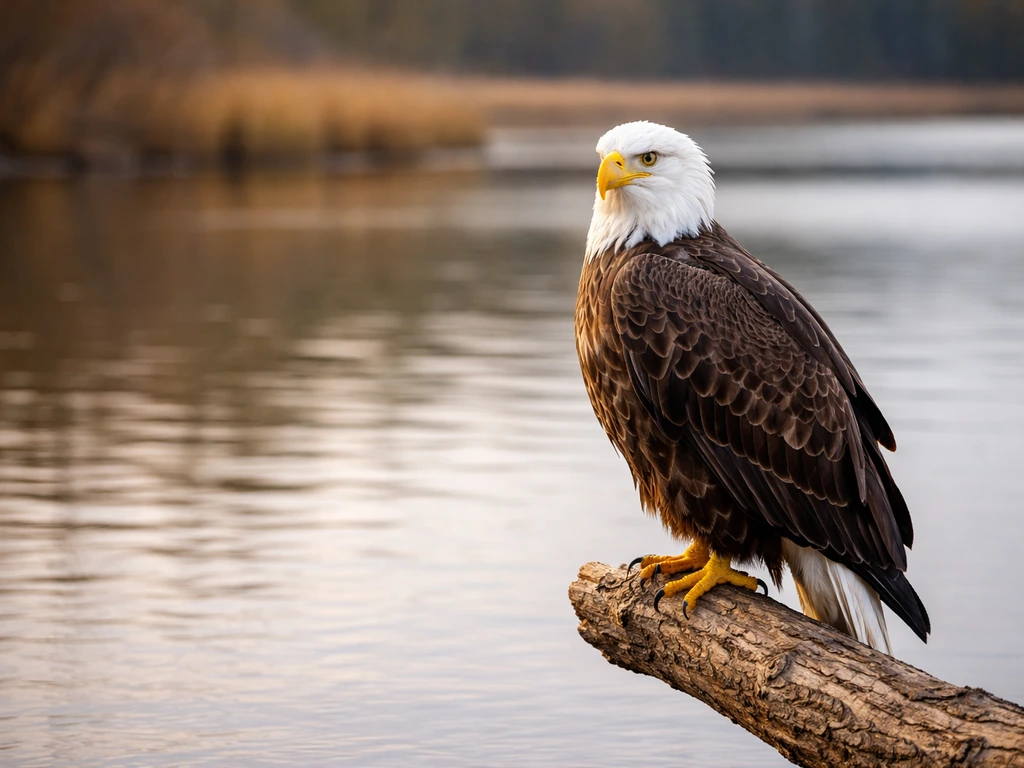
The bald eagle is the answer to this question no matter which definition you use. It was the first bird to serve as the nation's symbolic representative, and it became the first (and only) bird to be formally designated as the national bird. No other bird has ever held either role in an official U.S. government context.
If you're looking for the earliest credible government action linking the bald eagle to American national identity, that's June 20, 1782. That's the date the Continental Congress adopted the design of the Great Seal of the United States, which placed a bald eagle front and center as the seal's defining image. The National Archives holds the original Great Seal documentation and marks this as a milestone moment in U.S. history.
Why the bald eagle became America's bird
The bald eagle wasn't chosen at random. The bird was seen as a symbol of power, freedom, and longevity, qualities the founders wanted the new nation to project. Found only in North America, it was also a distinctly American bird, which made it a natural fit for a country trying to establish its own identity separate from European powers.
The U. S. Fish and Wildlife Service describes the bald eagle as a bird that embodied American ideals from the very start of the republic. The U.
S. Fish & Wildlife Service also notes that the bald eagle became the national symbol in 1782 Fish and Wildlife Service describes the bald eagle as a bird that embodied American ideals from the very start of the republic.
Senator Amy Klobuchar, who co-sponsored the 2024 legislation, put it plainly: the bald eagle "has symbolized American ideals since its placement on the Great Seal in 1782. " Over the following two centuries, the eagle appeared on the presidential seal, military insignia, currency, passports, and federal buildings, cementing its role in American culture long before any law made the title official.
The timeline from symbol to official designation
Here's how the bald eagle's status evolved from an early national symbol to a formally designated national bird:
| Year | Event | What It Means |
|---|---|---|
| June 20, 1782 | Continental Congress adopts the Great Seal design | Bald eagle becomes the nation's first recognized national symbol |
| 1700s–2023 | Eagle appears on seals, currency, and official emblems | Informal "national bird" status, widely accepted but not codified |
| 2023–2024 | S.4610 introduced and passed by Congress | Bipartisan legislation to formally designate the bald eagle |
| December 23, 2024 | President Biden signs S.4610 into law (Public Law 118-206) | Bald eagle becomes the first and only officially designated U.S. national bird |
The gap between 1782 and 2024 is genuinely surprising to most people. For 242 years, the bald eagle was treated as the national bird in every practical sense, but no law said so. The 2024 legislation closed that gap by amending Title 36 of the U.S. Code to make the designation explicit and permanent.
Common alternate answers and how to sort them out
Two other answers pop up in searches, and it's worth knowing why so you can push past the confusion.
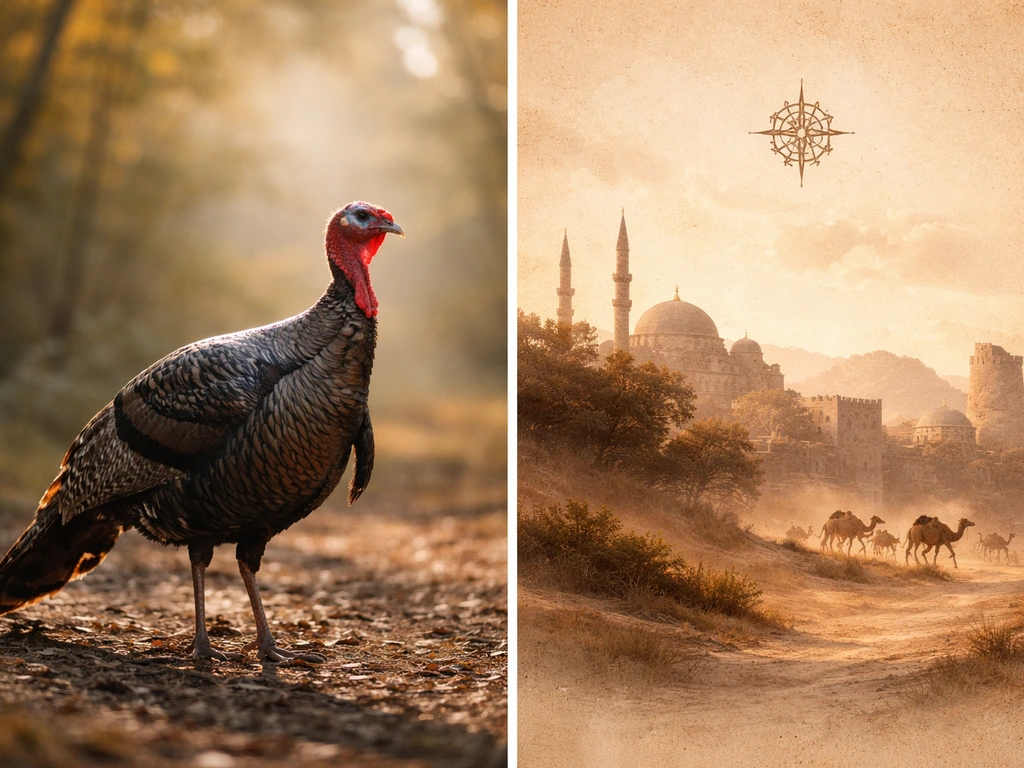
The turkey
The turkey shows up because of a popular story that Benjamin Franklin preferred it over the bald eagle. That story is rooted in a private letter Franklin wrote, not in any official proposal or government record. Franklin never formally nominated the turkey as a national bird, and the turkey was never seriously considered for the role during any official symbol-selection process. Scholarship on the topic consistently finds the turkey story to be a cultural myth that got amplified over time. The Ben Franklin and turkey question is worth exploring on its own, but it doesn't change the answer to this question.
"The bald eagle, but only since 2024"
Some sources frame it this way, implying the bald eagle wasn't really the national bird until 2024. That framing is technically accurate for the statutory designation but misleading in context. The bald eagle's connection to American national identity started in 1782 and was never seriously contested. What changed in 2024 was the formal legal title, not the symbolic reality. Both the 1782 symbol adoption and the 2024 statutory designation point to the same bird.
How to verify the "first" claim yourself
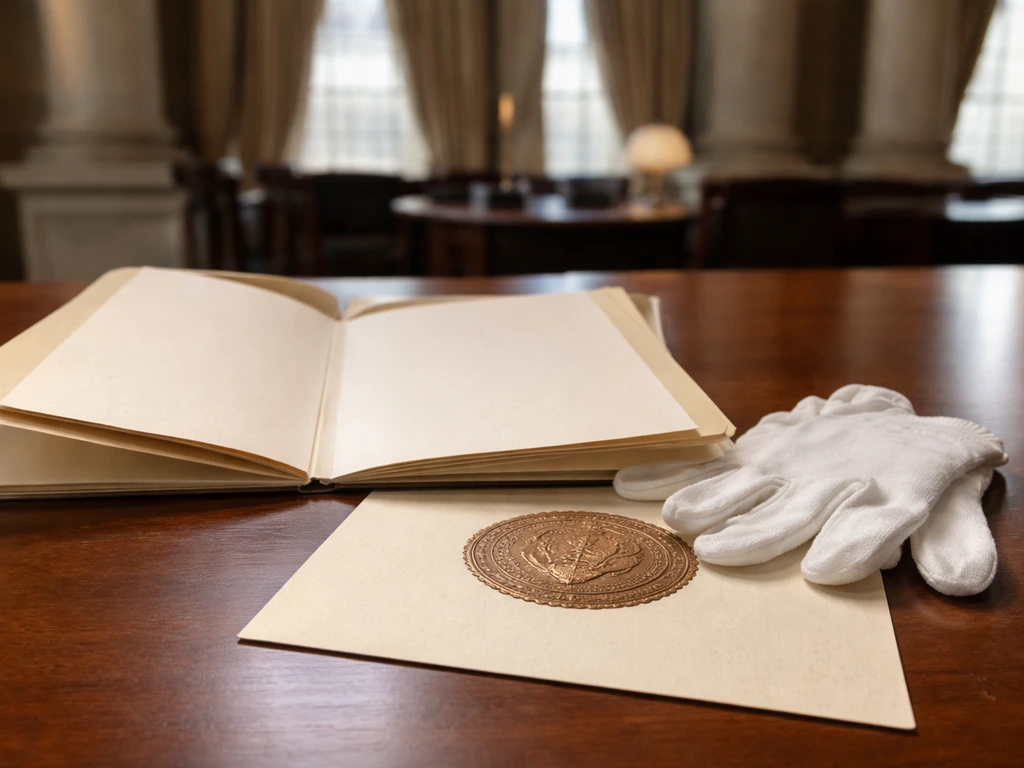
If you want to check the evidence directly, here's exactly where to look:
- National Archives Great Seal documentation: Search for "Great Seal of the United States" on archives.gov. The milestone document for June 20, 1782 confirms the Continental Congress adopted the bald eagle design on that date.
- Congress.gov: Search for S.4610 from the 118th Congress. You'll find the full bill text, its history, and confirmation that it became Public Law 118-206 on December 23, 2024, amending Title 36 of the U.S. Code.
- Congressional Research Service (CRS IF13097): The report titled "United States National Symbols: Congressional Designation and Past Practices" explicitly states the bald eagle had never been officially designated as the national bird prior to 2024, while also confirming its Great Seal association since 1782. CRS reports are available through the Library of Congress.
- U.S. Fish and Wildlife Service: Their "A Very American Bird" resource covers the bald eagle's cultural and symbolic history, including the 1782 Great Seal connection.
When you're evaluating competing claims from other sources, use this framework: prioritize claims that trace to a specific government action (a public law, a seal adoption, a congressional statute). Claims that trace to folklore, private letters, or unverified historical anecdotes are less reliable. The CRS framework is the clearest guide here: it separates "national symbol adoption" (1782) from "national bird designation" (2024), which resolves most of the confusion you'll find in general search results.
What to explore next
If you found this question interesting, there are a few related threads worth following. The Ben Franklin and turkey story is one of the most persistent myths in American history, and tracing where it came from tells you a lot about how national symbols get constructed over time.
It's also worth thinking about what it means for a country to change or update its national bird, which connects to the broader question of what used to be considered the national bird in different eras. That broader question often comes down to whether you mean the earlier national symbol or the later federally designated national bird what used to be considered the national bird.
If you also wonder how myths about birds and national symbols get started, the question of which turkey came first the bird or the country is a good place to look next. And if you're curious how the U. S. approach compares globally, the idea of a single "national bird of the world" or the most universally recognized avian symbol is its own fascinating rabbit hole.
Globally, the “national bird of the world” is more of a debated concept than an official designation, since countries typically have their own national birds by law or tradition. The idea of a “national bird of the world” is usually used loosely, and there is no single official bird recognized globally.
The short version: the bald eagle was the first bird to represent the United States (1782), and the first to be formally designated as the national bird by law (2024). Both records belong to the same bird, and both are verifiable through primary government sources.
FAQ
Why do some people say the answer changes in 2024 if the bird was already used on official seals?
In the U.S. there is no separate “first national bird” list. For practical purposes, the earliest official government action tying a bird to the nation is June 20, 1782, when the Great Seal design placed the bald eagle at the center. The later December 23, 2024 date is about the federal legal label, not introducing a different bird.
What evidence should I trust when researching “first national bird” claims?
If you want the earliest solid documentation, focus on official government actions you can point to, such as the Great Seal adoption in 1782 and the 2024 public law that amended federal code. Stories that rely on private correspondence, later retellings, or claims without a specific government record are much harder to verify.
How do I decide whether I mean the first symbolic national bird or the first officially designated national bird?
The question depends on meaning, but both paths lead to the bald eagle. The informal “national bird” role is about sustained government and public use as a national symbol, while the formal “national bird” role is created only when Congress designates it in federal law. Since the 2024 law created the statutory label for the same bird used since 1782, the “first” does not point to a different species.
Did any other bird get officially designated as the national bird before the bald eagle in 2024?
No. The U.S. has had a single bird in the formal federal sense, and the 2024 law does not change it to a new species, it makes the designation explicit and permanent in federal code. So you do not need to search for a predecessor bird under the legal definition.
Is “national bird” the same thing as being a national symbol like on the Great Seal?
“National bird” here is about the United States, but “national symbol” is broader. A bird can be a national symbol through widespread official use, without being designated as the national bird by statute. That is why the Great Seal milestone is relevant even though there was a long gap before the federal law.
What practical change did the 2024 law actually make for the bald eagle?
After 2024, the title is set in federal law under Title 36, but the everyday practice of recognizing the bald eagle as a national representative had already been established for generations. In other words, the law mostly removed ambiguity, it did not suddenly introduce new symbolism.
If the turkey story mentions Franklin, why doesn’t it affect the “first national bird” answer?
For the turkey, the key issue is that the popular Franklin claim is based on a private letter and not on a government proposal or selection process. Because no Congress or official body enacted a turkey designation, it does not compete with the bald eagle under either the symbol-adoption or statutory-definition approach used for “first.”
Next Article
Which Turkey Came First Bird or Country Names Explained
Etymology timeline answers which turkey came first: the bird word versus the country name and why