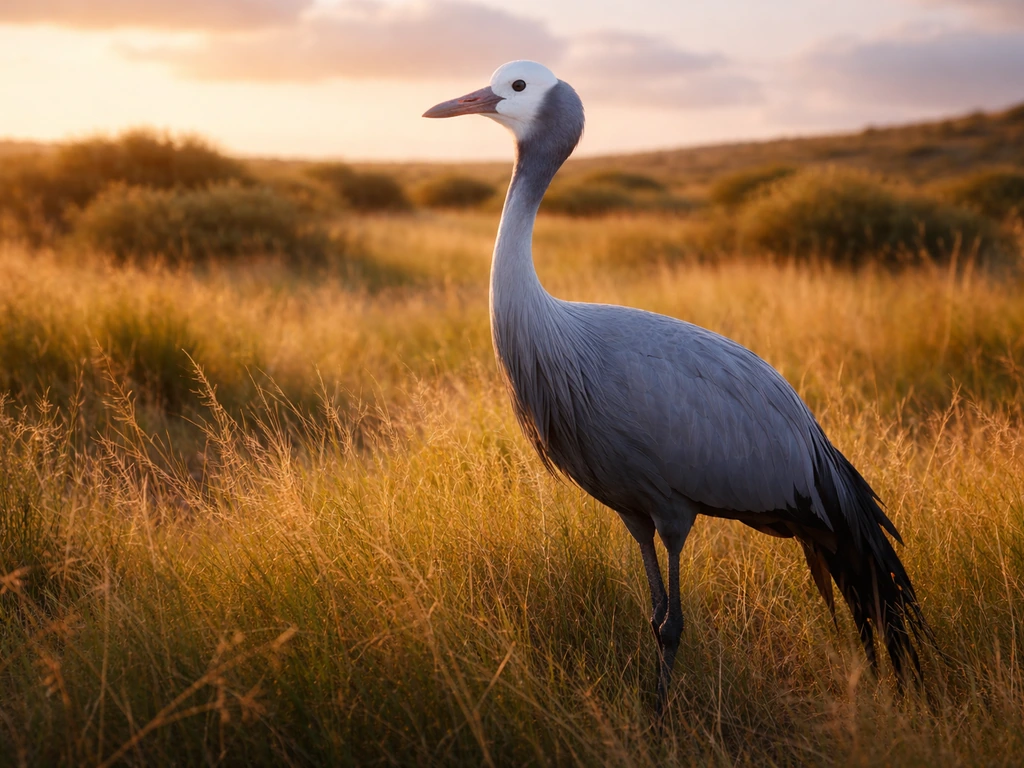
The blue crane is the national bird of South Africa. That's the definitive answer, confirmed by the South African government and wildlife institutions like the Smithsonian's National Zoo. If you're doing a quiz, homework, or just satisfying curiosity, South Africa is the one and only country tied to this bird. The Smithsonian’s National Zoo notes that the “blank" rel="noopener noreferrer">blue crane … is the national bird of South Africa.”.
Blue crane is the national bird of which country?

Marcus Chen
13 Jun 2026
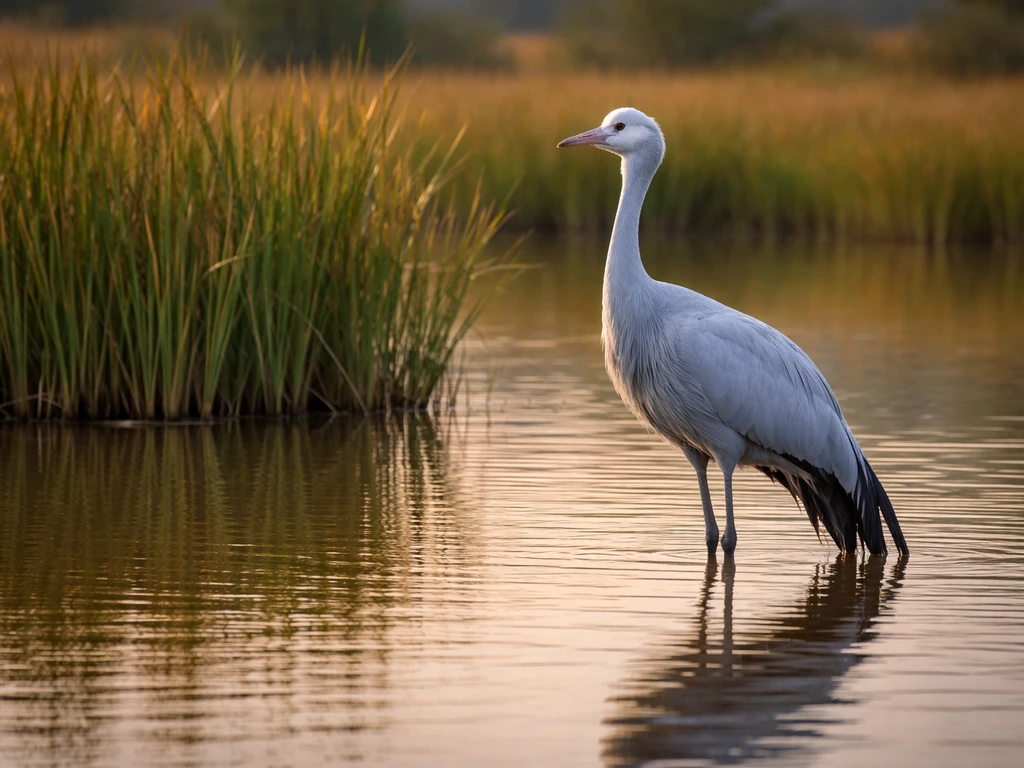
What exactly is the blue crane?
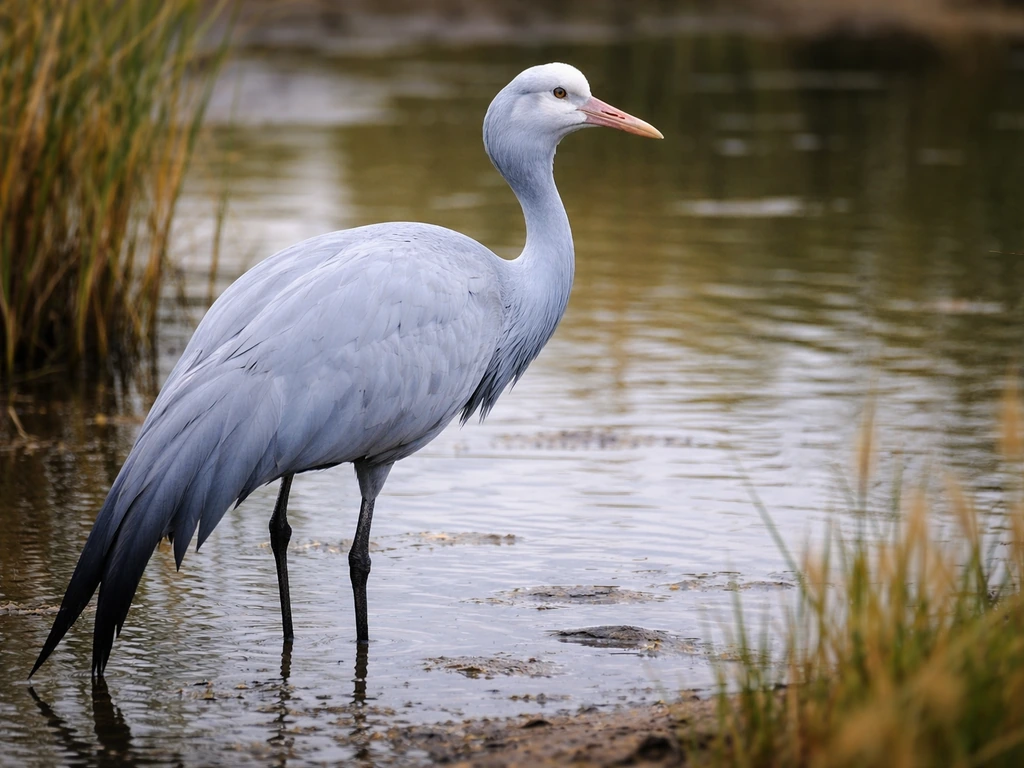
The blue crane (Anthropoides paradiseus) is a tall, elegant bird with a pale blue-gray plumage, a large rounded head, and long trailing wingtip feathers that almost sweep the ground. Despite the name, it isn't a vivid blue, the color is more of a soft, silvery blue-gray that becomes striking in sunlight. Adults stand around 100 to 120 cm tall and are slender compared to many other crane species.
It lives almost exclusively in South Africa, which is one of the reasons it made such a strong candidate for a national symbol. The blue crane is found mainly in the grasslands, pastures, and open farmland of South Africa's interior, particularly in the Karoo and the grasslands of KwaZulu-Natal and the Eastern Cape. Small populations exist in Namibia, but South Africa is unmistakably its primary home.
One quick clarification worth making: some people use 'blue crane' loosely to refer to the grey heron or other crane-like birds. In the context of national bird symbolism, 'blue crane' refers specifically to Anthropoides paradiseus, the species officially designated as South Africa's national bird. It's a distinct species, not a catch-all name.
Why the blue crane was chosen as South Africa's national bird
The blue crane holds deep cultural significance in South Africa, particularly among the Xhosa and Zulu peoples. Historically, blue crane feathers were worn by chiefs and warriors as a mark of honor and bravery. Earning the right to wear these feathers was a genuine distinction, it wasn't decorative but symbolic of status and courage within the community. That kind of cultural weight made the bird a natural fit as a national emblem.
Beyond its cultural roots, the blue crane is seen as a symbol of grace, loyalty, and the open landscapes that define much of South Africa's interior. Cranes in general are associated with longevity and fidelity across many cultures worldwide, and the blue crane specifically represents the wild, open grasslands that are central to the South African natural heritage.
The bird also resonates because it is uniquely South African. Unlike a species shared across a continent or region, the blue crane's identity is almost entirely bound to South African soil. Choosing it as a national bird sends a clear message about the country's distinct natural environment and its indigenous cultural traditions.
How national birds get chosen: a bit of background
South Africa officially recognized the blue crane as its national bird, a designation that reflects both governmental and cultural consensus. National bird selections typically go through a process involving naturalists, cultural leaders, and government bodies, and the bird chosen usually has to tick several boxes: it should be native to the country, culturally meaningful, visually distinctive, and ideally not shared as a symbol with neighboring nations.
The blue crane passed all of those tests. The same approach explains why the flamingo is often described as the national bird of some countries. Its near-exclusive range within South Africa, its deep roots in indigenous tradition, and its striking appearance all made it a compelling and uncontested choice. This mirrors how other countries make their selections, think of how the quetzal represents Guatemala's indigenous heritage, or how the peacock was chosen as India's national bird partly because of its rich symbolism in Hindu culture and mythology.
It's worth noting that not every country follows the same formal process. Some national birds are enshrined in law, others are designated by wildlife or cultural bodies, and a few are simply recognized by long-standing tradition. South Africa's blue crane sits firmly in the officially recognized category.
Interesting facts about the blue crane

- The blue crane is listed as Vulnerable on the IUCN Red List, with an estimated population of around 25,000 to 30,000 individuals. Most of them live in South Africa's Western and Eastern Cape.
- Blue cranes are monogamous and typically mate for life, which adds to their symbolic association with loyalty and fidelity.
- Their distinctive trailing feathers, which look like a flowing tail, are actually elongated secondary wing feathers — not tail feathers at all.
- During courtship, blue cranes perform elaborate dances involving jumping, wing-spreading, and calling — a behavior shared by many crane species worldwide.
- The bird is also called the 'Stanley crane' or 'paradise crane' (reflecting its species name, paradiseus), though 'blue crane' is the name used in South Africa.
- In Zulu culture, a blue crane feather in a warrior's headdress (called an 'indwe') was one of the highest honors a person could receive, awarded for exceptional bravery.
- Threats to the blue crane include habitat loss from agriculture, collisions with power lines, and poisoning from pesticides used on farmland.
Where this fits in the world of national birds
South Africa's choice of the blue crane is a great example of a national bird that is both ecologically specific and culturally layered. It's not just a pretty bird picked for aesthetics, it carries real historical weight in the communities that have lived alongside it for centuries. That's the kind of story that makes national bird symbolism genuinely interesting to explore.
If this topic caught your attention, it's worth exploring how other African and global national birds were chosen and what they represent. Other crane and wading bird species appear as national symbols in different parts of the world, the white stork, for example, is another crane-adjacent species tied to national identity in certain countries. In Brazil, the white stork is recognized as the national bird white stork is the national bird of brazil. Flamingos also appear as national symbols in some nations. For example, the flamingo is national bird of Kenya. Each choice comes with its own cultural logic and historical story, which makes comparing them a genuinely rewarding exercise.
FAQ
Is the blue crane the national bird of any country other than South Africa?
No, the national bird designation for the blue crane (Anthropoides paradiseus) is specific to South Africa. Other countries may have cranes or crane-like birds as wildlife icons, but the blue crane national bird label is tied to South Africa.
What if I see “blue crane” used to mean another bird, like a heron?
That usage is common in casual conversation, especially because cranes and herons look similar at a distance. For national symbolism and quiz questions, you should treat “blue crane” as the species Anthropoides paradiseus, not a catch-all term for any grey, crane-like bird.
Does the blue crane’s scientific name matter for the answer?
Yes, when accuracy is required. The species behind the national bird is Anthropoides paradiseus, which helps distinguish it from other crane or crane-adjacent species that might share similar coloration or body shape.
Is the blue crane’s range limited to South Africa, or are there sightings elsewhere?
South Africa is its primary home, but small populations exist in Namibia. Still, its near-exclusive association with South Africa is why it fits national bird selection criteria for that country.
Why was the blue crane chosen as a national symbol instead of another native bird?
Selection typically weighs multiple factors at once, like being native, having clear cultural connections, and being visually recognizable. The blue crane meets those requirements through its strong indigenous associations and its distinct appearance rather than being chosen for color alone.
If a school asks for “the national bird,” should I answer with “blue crane” or the full species name?
“Blue crane” is usually the correct expected answer for general questions. If the worksheet is biology-focused, adding the scientific name Anthropoides paradiseus shows specificity and reduces the risk of confusion with crane-like birds.
Are there any rules about capitalization or spelling, like “Blue Crane” vs “blue crane”?
For your quiz or homework, capitalization usually does not change the meaning. Use “blue crane” as the bird name, and match the exact spelling expected by the question if a strict answer format is required.
Next Article
Why Is the Blue Crane Our National Bird? The Reason
Why the blue crane became a national bird: history, symbolism, habitat links, and how to verify the official choice.