No country officially lists the ostrich as its national bird. Despite how often this claim circulates in quiz sites and casual listicles, there is no sovereign state with a credible, well-documented designation of the ostrich as its national bird emblem. If you saw this claim somewhere, it is most likely a myth or an error worth double-checking.
Ostrich National Bird: Which Country Chooses It

Marcus Chen
12 May 2026
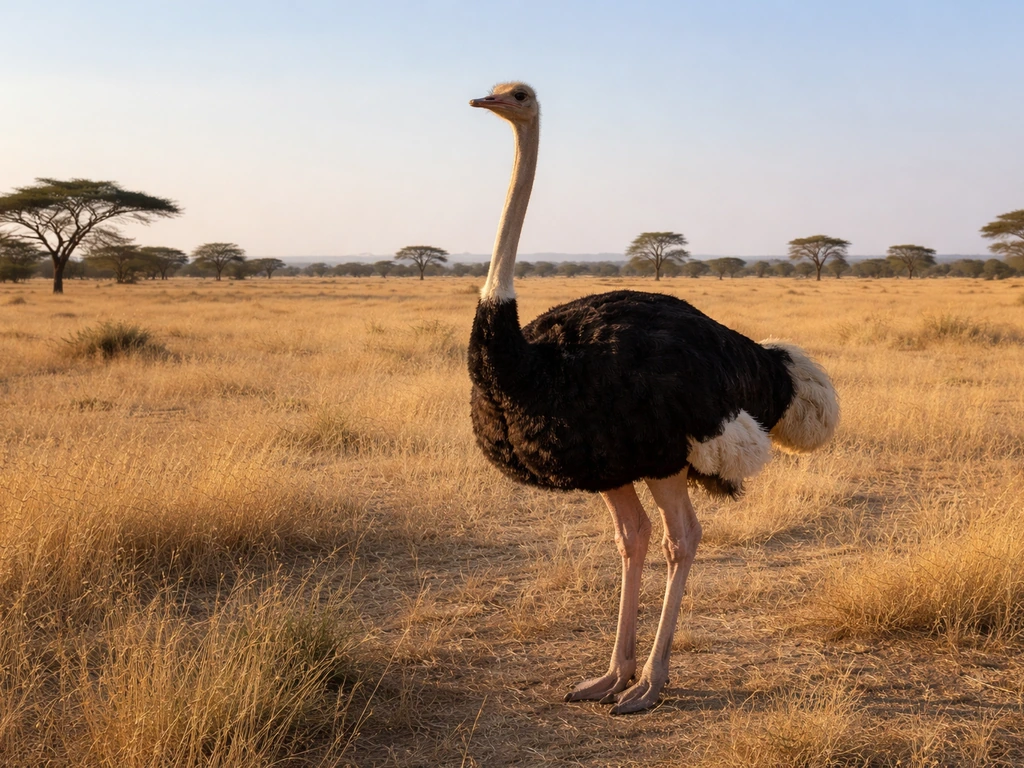
Which country is actually being claimed, and is it real?

The most common countries associated with the ostrich in casual national-bird claims are Namibia, Somalia, and sometimes South Africa or the UAE. None of these hold up on inspection. Namibia's national bird is the African Fish Eagle, confirmed by Visit Namibia, the country's official tourism body. Namibia does have a well-documented national bird, the African Fish Eagle, so the “dodo is national bird of which country” claim would not apply there.
Somalia's national bird is the superb starling, as documented on Somalia's national symbols records.
South Africa and the UAE do not have the ostrich listed as an official national bird either. The ostrich simply does not appear in any government authority, encyclopedia, or high-credibility reference as a country's designated national bird.
So to be direct: if you are looking for a country to pair with "ostrich" in a national bird context, the honest answer is that no verified match exists. Any source stating otherwise should be treated with skepticism unless it links directly to a government publication or a major national symbols registry.
Why does this claim keep circulating?
This kind of misinformation spreads because ostriches are genuinely iconic birds with a strong regional identity across parts of Africa. They are native to sub-Saharan Africa, feature on national coats of arms (South Africa's coat of arms, for instance, includes ostrich feathers), and appear on currency, stamps, and tourism materials across multiple countries. It is easy to see how the leap from "prominent national symbol" to "national bird" gets made, especially when people conflate heraldic use with an official bird designation.
Encyclopaedia Britannica's entry on the ostrich covers its biology and African distribution in detail but makes no connection to any country's national bird status, which is a telling absence given that Britannica often notes such designations where they exist. The Wikipedia list of national birds, which includes an official status marker for most entries, also does not list the ostrich as a national bird for any sovereign state. That is about as clear a signal as you can get.
The ostrich as a cultural symbol: a closer look
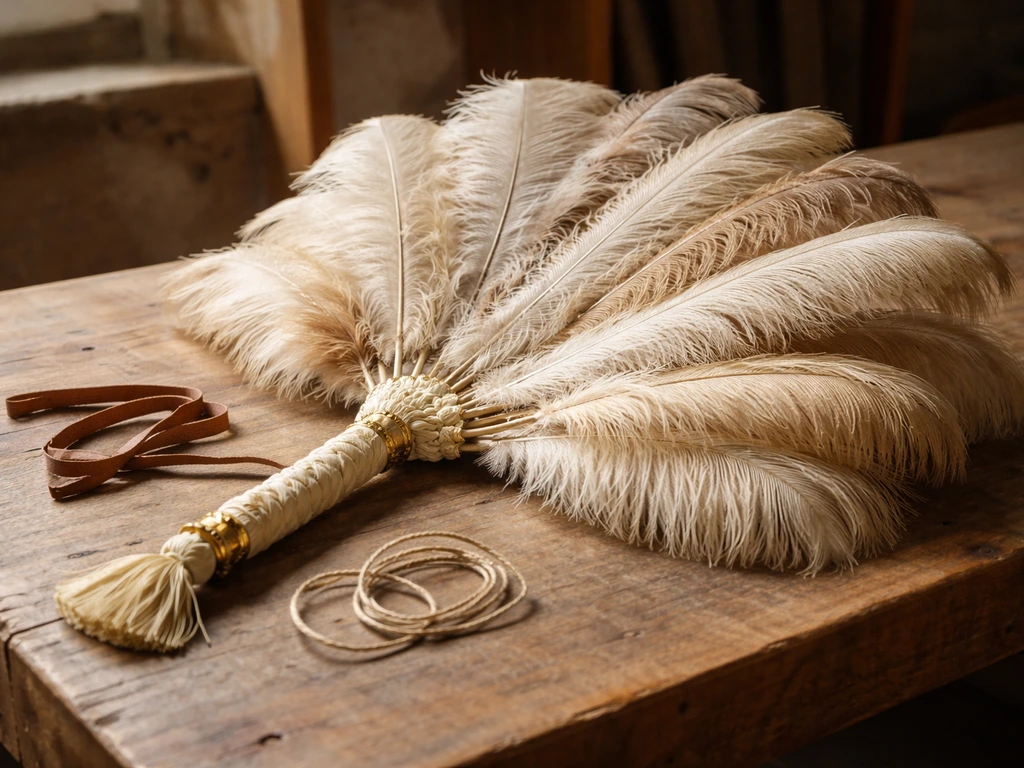
Even without a national bird title, the ostrich carries significant cultural weight in several countries. In South Africa, ostrich feathers have been used in formal and ceremonial dress for centuries, and the ostrich farming industry, centered around the Klein Karoo region near Oudtshoorn, became a major economic driver in the late 19th and early 20th centuries. The feathers were a global luxury export, making South Africa synonymous with ostriches in international trade.
In Namibia, despite the African Fish Eagle holding the national bird title, ostriches are a widely recognized part of the landscape and are commercially farmed across the country. They appear on regional tourism materials and are one of the animals most associated with the Namib Desert ecosystem in the public imagination.
The ostrich also appears in ancient Egyptian symbolism, where its feather represented truth and justice in the weighing of the heart ceremony associated with the goddess Ma'at. That kind of deep historical resonance across multiple African cultures is likely part of why the ostrich feels like it "should" be a national bird somewhere, even though the formal designation has not been made.
Key facts about the ostrich as a potential national emblem
If a country ever did designate the ostrich as its national bird, here is why it would be a fitting choice, and what makes the ostrich stand out among bird emblems:
- The ostrich is the world's largest living bird, reaching up to 2.7 metres in height and weighing up to 160 kg, making it immediately distinctive and memorable as a symbol.
- It is the fastest running bird on the planet, capable of sustained speeds of around 50 km/h and bursts up to 70 km/h, qualities that could represent speed, resilience, and strength.
- Ostriches are native to Africa, giving them clear geographic and cultural specificity that works well for national symbolism.
- They are flightless, which is a shared trait among some well-known national birds, including the kiwi of New Zealand and the dodo (the national bird of Mauritius).
- Their feathers have long been associated with luxury, ceremony, and justice across multiple cultures, lending them symbolic depth beyond just their physical presence.
Compare this to similar birds that have secured national bird status: the emu is the national bird of Australia, another large flightless bird chosen partly for its distinctive appearance and regional exclusivity. The ostrich has comparable symbolic credentials, which makes the absence of a national bird designation all the more surprising to people encountering the question for the first time.
How to verify national bird claims yourself

If you want to check whether any bird holds official national bird status for a specific country, here is a practical process that works reliably: If you are asking which country claims that the owl is the national bird, the same verification approach applies national bird status for a specific country.
- Start with the Wikipedia list of national birds, which compiles entries for nearly every country and distinguishes between officially legislated national birds and informally recognised ones. It is not perfect, but it is a solid first stop.
- Cross-check with the country's official government website or national symbols page. Many countries publish their national symbols, including the national bird, in a dedicated section. Search for "[country name] national symbols" or "[country name] official bird."
- Look for a major encyclopedia reference. Britannica and similar reference works often note national bird status in a country's profile article or in the bird's own entry. If a connection exists, they will usually mention it.
- Check the country's tourism board website. Official tourism organisations routinely list national symbols as part of travel content, and they are accountable sources with no incentive to publish misinformation.
- Be cautious with quiz sites, social media posts, and informal listicles. These are where most national bird myths originate. If a claim can only be traced back to these sources, treat it as unverified.
- If you are researching multiple birds, compare entries: for example, the dove, the crow, and the owl each have their own specific national bird associations across different countries, and comparing how those designations are documented gives you a benchmark for what solid evidence looks like.
A quick comparison: ostrich vs. other large or African birds in national symbolism
| Bird | National Bird Of | Official Status | Notes |
|---|---|---|---|
| Ostrich | No country confirmed | None found | Appears on some coats of arms but not designated as a national bird |
| African Fish Eagle | Namibia, Zambia, Zimbabwe | Widely recognised | One of Africa's most iconic birds of prey |
| Superb Starling | Somalia | Recognised | Colourful passerine native to East Africa |
| Emu | Australia | Official | Largest bird native to Australia; flightless like the ostrich |
| Dodo | Mauritius | Recognised | Extinct flightless bird; national symbol of Mauritius |
The table makes clear that Africa has no shortage of national bird designations, and several large or distinctive birds have secured that status. The ostrich remains conspicuously absent from the official list, despite being arguably the most recognisable bird on the continent. SouthAfrica.info’s national symbols page also identifies South Africa’s national bird as the blue crane (Anthropoides paradiseus), not the ostrich official list.
What this means if you found the claim in a quiz or textbook
If you came across "[ostrich is the national bird of [country]](/national-birds-by-species/emu-is-the-national-bird-of-which-country)" in a school quiz, a trivia app, or a printed textbook, the honest answer is that it is likely an error in that source. National bird designations are not always formally legislated, and the line between a cultural symbol and an official emblem is blurry enough that mistakes propagate easily. The best thing to do is flag it with the source if possible, or simply note for yourself that no reliable reference confirms the claim.
This is actually a broader issue worth knowing: not every country even has a formally designated national bird. Some have unofficial or culturally recognised birds that get listed as if they were official, and the ostrich may have slipped into some lists through that kind of loose attribution. If you are asking about the country tied to this claim, the ostrich is not listed as a national bird anywhere reliably documented dove is national bird of which country.
If you want to dig into that question, exploring whether every country has a national bird is a genuinely interesting rabbit hole that reveals a lot about how national symbolism works (and how inconsistently it is documented). Many people also ask which country’s national bird is the crow, but that claim is not something you’ll find reliably documented in official sources every country has a national bird.
In short, not every country has a formally designated national bird, and many widely repeated claims do not match official records whether every country has a national bird.
FAQ
How can I verify whether a bird is truly a country’s national bird (and not just a popular symbol)?
Look for a government or state-level source, not a general trivia list. A quick check is whether the bird is mentioned in official tourism branding, a national symbols registry, or an act or ministry statement. If the only evidence is a blog, quiz, or a crowd-edited page without a primary reference, treat it as unverified.
Could the ostrich still be considered “a national bird” even if it is shown on coats of arms? (Like ostrich feathers in heraldry.)
Yes, some sources mix up “national bird” with heraldic or cultural symbolism. Ostrich feathers appear on coats of arms and in ceremonial dress, which can make people label it a national bird even when no formal designation exists. In many countries, the distinction is that heraldry is an emblem, while “national bird” is a specific official status.
What’s wrong with the claim that Namibia’s national bird is the ostrich?
If you are told “Namibia national bird is the ostrich,” the specific correction is that Namibia’s national bird is the African Fish Eagle. Ostriches can still be culturally and commercially visible there, but that does not change the official national-bird title.
What’s the most reliable answer if someone claims the ostrich is Somalia’s national bird?
In the case of Somalia, “national bird” claims usually get tied to a different official bird. The more reliable match is the superb starling being listed as the national bird, so any ostrich attribution for Somalia is likely an error or a confusion with other symbols.
How do I tell the difference between an official national bird and a national symbol that happens to include ostrich imagery?
If a country lists the ostrich on a coat of arms, currency, or tourism materials, classify it as a national symbol, not automatically a national bird. To avoid false positives, ask whether the country explicitly uses the wording “national bird” or maintains a national symbols record that includes bird species with an official status label.
Why do quiz apps and school quizzes get this so wrong about the ostrich?
Some lists use crowd-sourced “national bird” pages that cannot be traced back to an authority. If a source does not provide a clear citation to a government department, national symbols registry, or similarly authoritative body, it is safer to mark the ostrich claim as incorrect or unconfirmed.
What should I answer if I need a single “correct country” for the ostrich as a national bird?
If your goal is to answer the question “ostrich which country national bird” in the way most readers expect, the direct conclusion is that no verified sovereign-state national-bird designation for the ostrich is reliably documented. For a workaround, you can present related facts, like countries that use ostrich feathers in heraldry (example, South Africa), while stating that it is not the same as an official national-bird title.
What is a reliable step-by-step method to check national-bird claims for any country?
A practical alternative is to look up a country’s national symbols list, then confirm whether “national bird” is included as a formal category. If the category exists, use it as the deciding factor; if it does not, assume there may be unofficial favorites. This avoids confusion where a widely used emblem gets treated as an official designation.
Next Articles
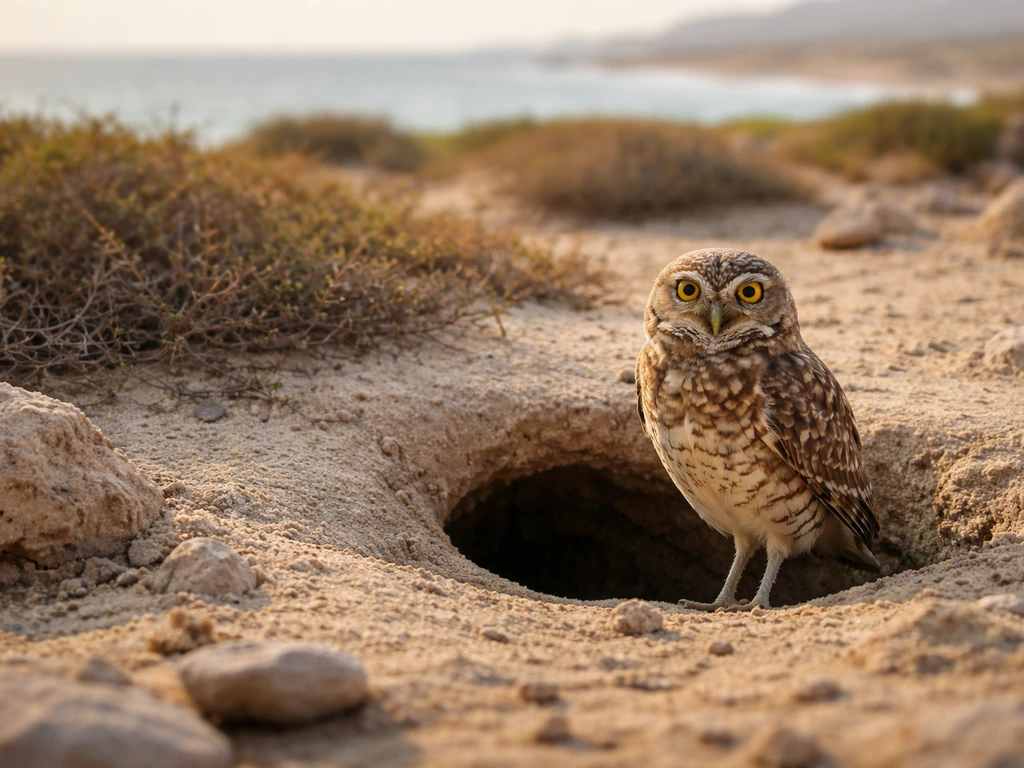
Owl Is the National Bird of Which Country? Answer & Meaning
Find which country’s national bird is an owl, plus species meaning and how the symbol was chosen.
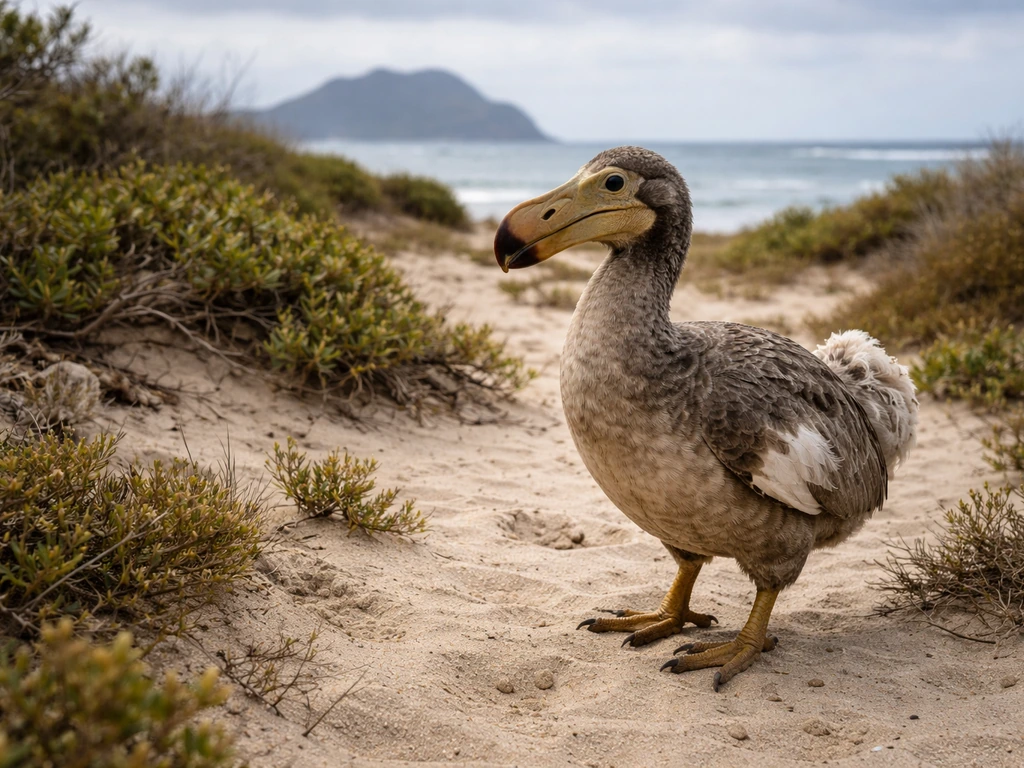
Dodo is National Bird of Which Country? Full Answer
Answer: dodo is associated with Mauritius as its national bird symbol, explaining history, confusion, and how to verify
Does Every Country Have a National Bird? How to Check
Not every country has a national bird. Learn what it means, why gaps exist, and how to verify for any nation.