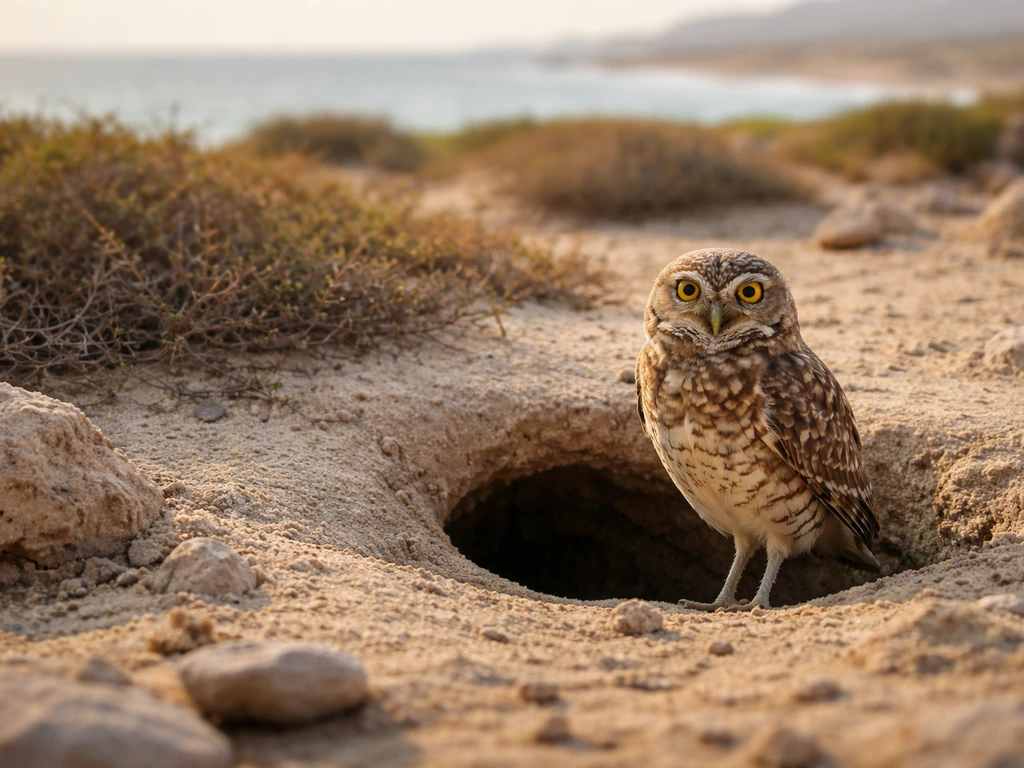
Aruba is the country whose national bird is an owl. Specifically, it's the Shoco, a small burrowing owl found only on the island, and it was officially declared a national symbol on 18 March 2012.
Owl Is the National Bird of Which Country? Answer & Meaning

Marcus Chen
3 May 2026
Which country has an owl as its national bird
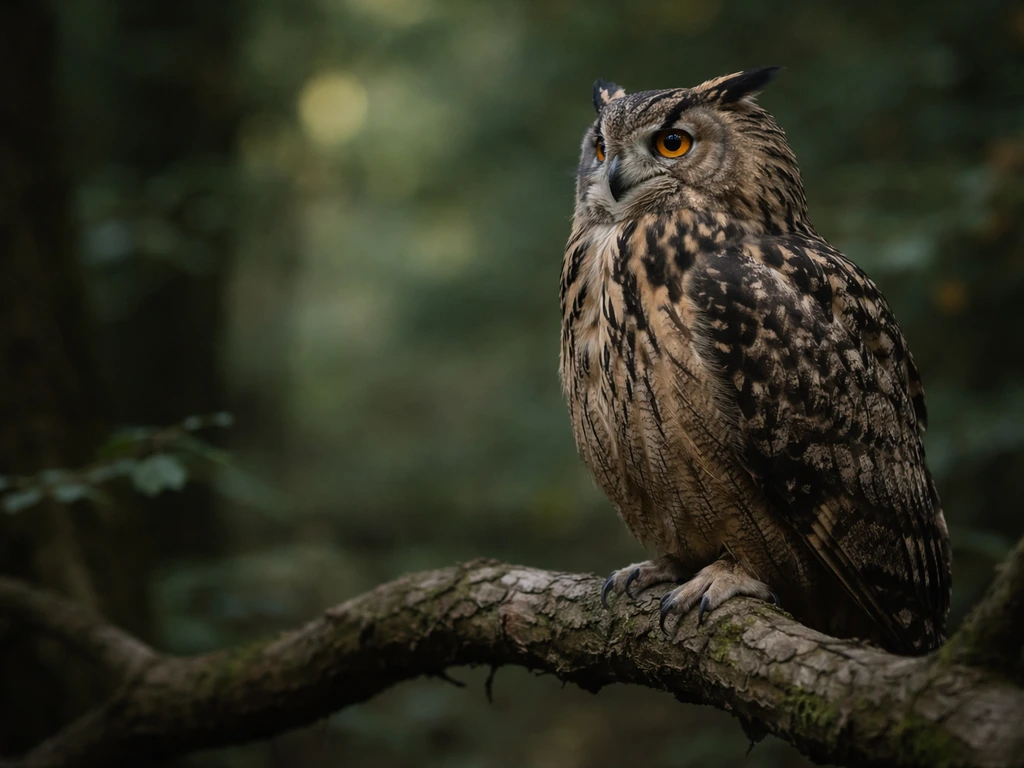
Aruba, the small Caribbean island territory in the Kingdom of the Netherlands, is the country (or constituent country) you're looking for. No other country currently uses an owl as its primary national bird, which makes Aruba's choice genuinely distinctive. When people search this question and land on general bird lists, they sometimes find conflicting or vague entries, but the answer points clearly to Aruba and its beloved Shoco.
The owl species: meet the Shoco
The Shoco is not just any owl. It's a subspecies of the burrowing owl with the scientific name Athene cunicularia arubensis, making it unique to Aruba. Wikipedia describes Athene cunicularia arubensis (the Shoco) as an endemic subspecies of burrowing owl in Aruba and notes its national symbol status the scientific name Athene cunicularia arubensis. In Papiamento (the local language of Aruba) it's called the Shoco, while in Dutch it goes by Holenuil, which literally means 'hole owl', a nod to how burrowing owls nest in the ground rather than in trees.
This is worth noting because the Shoco isn't just a generic burrowing owl that happens to live on Aruba. The arubensis subspecies is endemic, meaning it evolved specifically on that island. That biological uniqueness was a key part of why conservationists lobbied hard to get it recognized as a national symbol.
What the Shoco symbolizes for Aruba
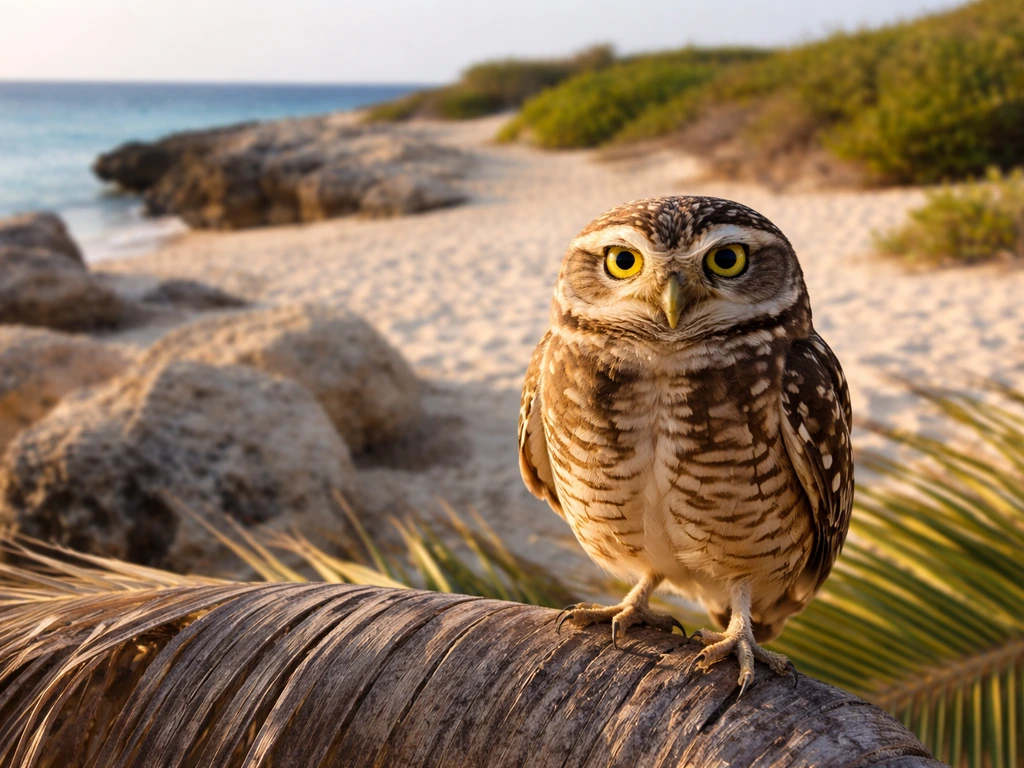
Owls carry strong symbolic weight in most cultures, and Aruba's choice of the Shoco leans into that tradition. The bird is associated with wisdom and resilience, two qualities that resonate with a small island community that has built a distinct cultural identity despite its size and geography.
Beyond the classical owl symbolism, the Shoco represents Aruba's natural heritage in a very direct way. Because the bird is endemic, choosing it as a national symbol is also a statement about protecting what is uniquely Aruban. Conservation groups have framed the national symbol status as a way to raise public awareness about the threats the Shoco faces, including habitat loss from development, traffic, and predation by feral cats and dogs. A VisitAruba news archive article also discusses the Shoco and notes the practical reasoning behind its national-symbol status, including helping bring the bird under protection amid ongoing threats framed the national symbol status as a way to raise public awareness about the threats the Shoco faces. The national bird designation essentially fused cultural pride with an urgent conservation message.
How the Shoco became Aruba's national bird
The selection story is driven largely by grassroots conservation effort rather than top-down government initiative. Aruba's bird conservation foundation lobbied for years to get the Shoco officially recognized, arguing that Aruba needed a national bird that reflected something authentically indigenous to the island.
That lobbying paid off in early 2012. Minister Michelle Hooyboer Winklaar officially named the Shoco Aruba's national bird, with the announcement connected to events in February 2012. The formal, public introduction as a national symbol then took place on 18 March 2012, which is Aruba's national day. Tying the announcement to national day was a deliberate choice: it embedded the Shoco into Aruba's broader identity celebrations from the start.
One nuance worth knowing: Aruba's government officially lists the Shoco under its national symbols framework rather than using the specific legal label 'national bird.' In practice, this distinction rarely matters for general reference purposes, but it can cause confusion when you compare lists that distinguish between official national birds and other nationally recognized symbols. If you're asking where the dove is the national bird, it's important to note that Aruba's national symbol is the Shoco, not a dove.
How to verify this claim yourself
If you want to confirm the Shoco's status for a school project, article, or just personal satisfaction, here's how to check it reliably:
- Go directly to Aruba's official government website (overheid.aw) and look for the 'Nationale symbolen' (national symbols) page. This lists the Shoco with its scientific name, Athene cunicularia arubensis, and the 2012 introduction date. It's the primary source.
- Cross-check with Aruba's Department of Culture (cultura.aw), which has a dedicated Shoco page confirming the same species name and the 18 March 2012 official introduction.
- Use Wikipedia's 'List of national birds' as a quick secondary reference. It includes an 'Official status' column that helps you see whether a listed bird is a formally designated symbol or just a commonly cited one. Aruba's Shoco appears there, though the government pages are the more authoritative source.
- Watch for the subspecies detail. Any source that lists just 'burrowing owl' without mentioning Athene cunicularia arubensis is probably working from a summary list rather than the official designation. The subspecies identification is what makes Aruba's symbol specific rather than generic.
- Be cautious with aggregated bird-symbol lists on general quiz or trivia sites. They often omit the 'national symbol vs national bird' distinction and can misattribute owl species to wrong countries.
Quick context: owls among the world's national birds
Aruba is genuinely unusual in the national bird world. Most countries gravitate toward large, visually striking birds: eagles, cranes, peacocks, condors. Owls are rare as national emblems, which makes Aruba stand out on any global list.
For comparison, the broader Caribbean and island-nation category tends to feature seabirds, parrots, and hummingbirds as national symbols, birds that feel distinctly tropical. Aruba's choice of a small, ground-nesting owl breaks that pattern entirely, and that's part of what makes the Shoco's story interesting.
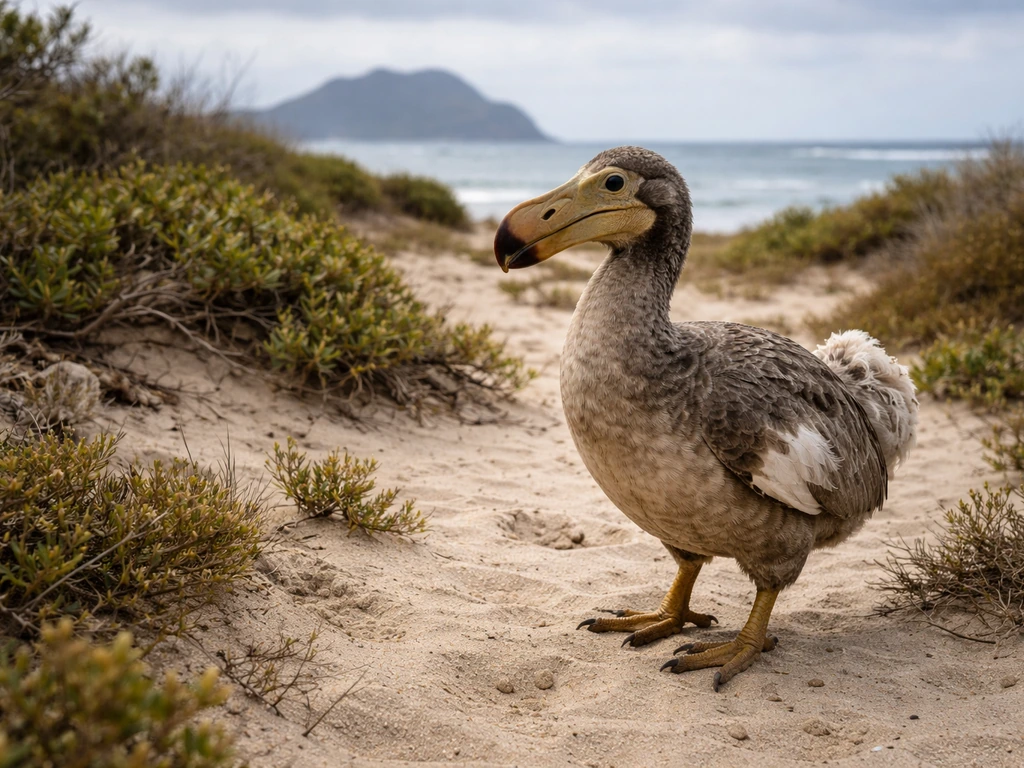
If you're exploring which birds represent other nations, you'll find a wide variety of choices: some countries have official 'national birds' enshrined in law, while others (like Aruba) use a broader national symbol category. Still others have no officially designated bird at all. The crow, dove, emu, ostrich, and dodo each have their own national bird stories tied to specific countries, and the reasoning behind each choice reflects that country's culture, history, and identity just as much as Aruba's Shoco reflects its own. The emu is the national bird of Australia. The ostrich is a national bird for [its country], which is one of the interesting contrasts with Aruba's Shoco ostrich national bird. The dodo is national bird of which country? The answer is tied to the country's bird story and identity. The crow is the national bird of its own country, with the choice tied to local identity and history. Because not every country names a single official national bird, the details vary from place to place national bird stories.
| Bird | Country | Official Since | Notes |
|---|---|---|---|
| Shoco (Burrowing Owl) | Aruba | 2012 | Endemic subspecies Athene cunicularia arubensis; declared on Aruba's national day |
| Bald Eagle | United States | 1782 | Designated by an Act of Congress; one of the oldest formal national bird designations |
| Peacock | India | 1963 | National bird declared by the Government of India |
| Quetzal | Guatemala | Constitutional | Appears on the flag and coat of arms; deeply tied to Mayan heritage |
| Emu | Australia | Unofficial | Appears on the coat of arms but not formally designated by legislation |
The table above gives a sense of how varied the 'national bird' category really is across countries. Aruba's 2012 designation is relatively recent by historical standards, but the process behind it, driven by conservation advocates and tied to a national celebration, gives the Shoco's status genuine cultural weight.
FAQ
Is the Shoco legally called the national bird, or is it under a different official label in Aruba?
It depends on how the country is defining the category. Aruba uses its national symbols framework, and the Shoco is listed there, even though many people casually call it the national bird.
What’s the difference between the Shoco and a generic burrowing owl?
No. The Shoco is a specific endemic subspecies (Athene cunicularia arubensis), so a general “burrowing owl” entry in a random bird list may not match the Aruban national symbol.
Why do some sources use “Shoco” and others use a different name like Holenuil?
The common name differs by language, but it is the same bird in Aruba’s context. “Shoco” is the name used in Papiamento, and in Dutch it is called Holenuil (meaning “hole owl”).
When was the Shoco officially introduced as Aruba’s national symbol?
If you are researching for school, state both the bird and the date of official introduction. The formal national symbol introduction is tied to 18 March 2012 (Aruba’s national day).
Why do bird-list websites sometimes disagree about which countries have a national bird?
Yes, and it is an important detail for accurate comparisons. Some countries have a single bird explicitly named in law, others designate a broader national symbol, and some have no single bird at all, so “owl as national bird” can appear inconsistent across lists.
How can I verify the answer reliably if I find conflicting information online?
Look for the subspecies and endemism language. Reliable confirmations should mention that the national symbol is the Aruba-specific burrowing owl subspecies (arubensis), not just any owl species.
Could a dove be Aruba’s national bird instead of an owl?
The main confusion is mixing up “national bird” with “national symbol.” For Aruba, the Shoco is the national symbol, and a dove is not the bird commonly associated with that status.
Is the Shoco chosen mainly for symbolism, conservation, or something else?
Treat “owl symbolism” as a cultural layer, not the legal reason. The practical driver highlighted for Aruba’s choice was the bird’s unique endemic status and the conservation concerns tied to habitat and threats.
Next Article
Dodo is National Bird of Which Country? Full Answer
Answer: dodo is associated with Mauritius as its national bird symbol, explaining history, confusion, and how to verify