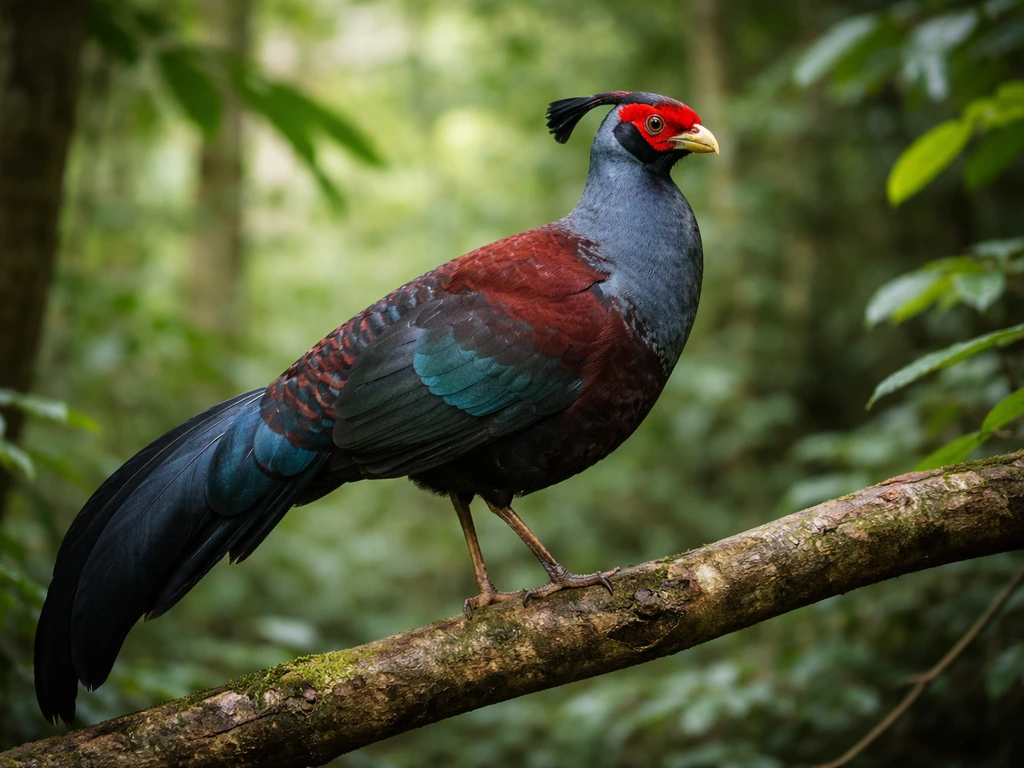
Vietnam's national bird is the Lạc bird, known in Vietnamese as Chim Lạc. Unlike most national birds, the Lạc bird is not a living, classifiable species you can spot in the wild. It is a mythical and symbolic bird figure, most famously depicted on ancient Đông Sơn drums, and it serves as a cultural totem representing the origins of the Vietnamese people.
What Is the National Bird of Vietnam? Meaning and Facts

Marcus Chen
24 Apr 2026
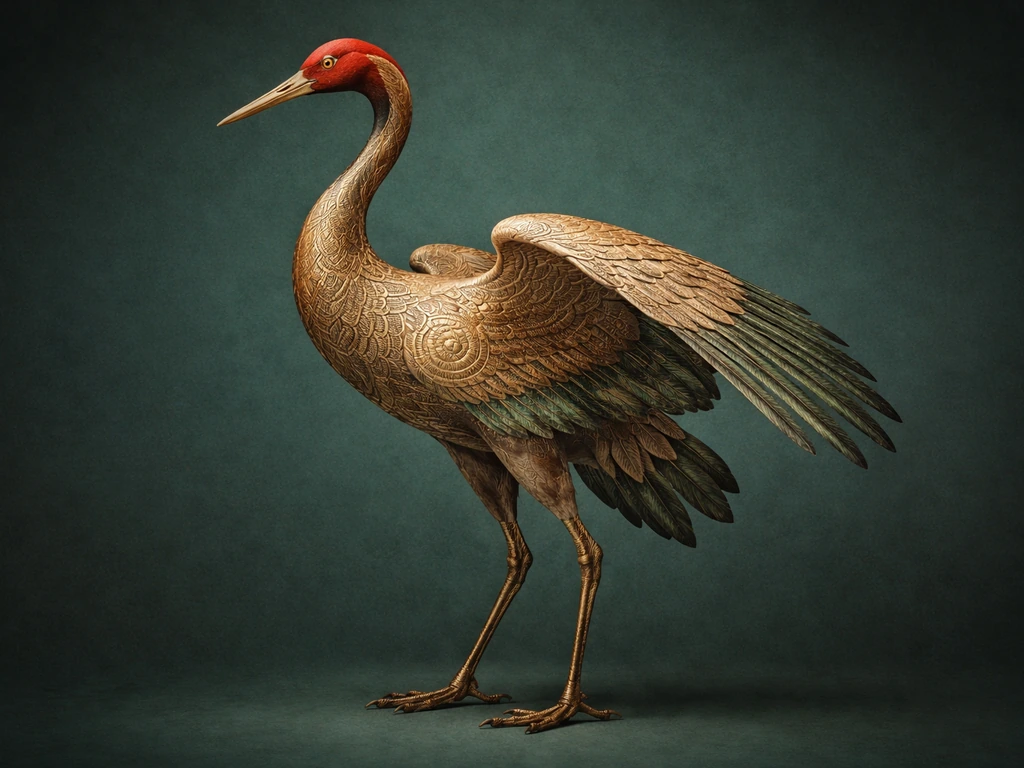
What exactly is the Lạc bird (and what to call it)
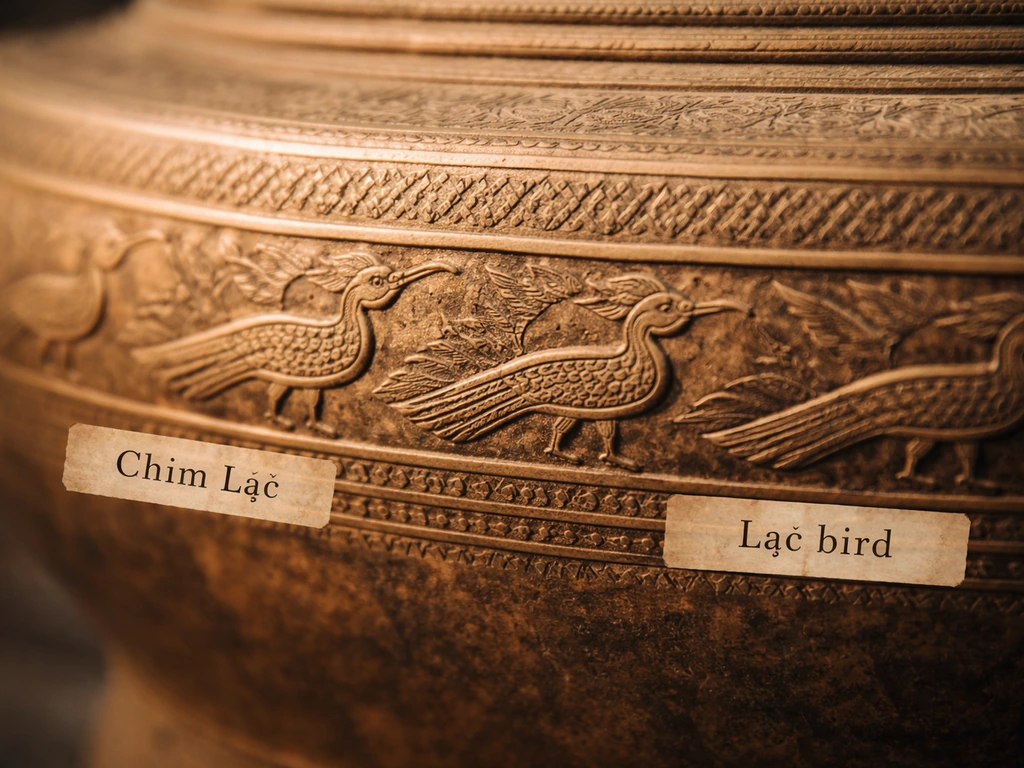
The bird goes by a few names depending on what source you are reading. In Vietnamese, it is consistently called "Chim Lạc" (pronounced roughly "chim lahk"), where "chim" simply means "bird." In English, you will see it written as "Lạc bird" or "Lac bird," with the diacritic sometimes dropped in informal writing. Both refer to the same figure. You may also come across the term "hậu điểu," a scholarly Vietnamese label sometimes translated as "migratory bird" or "rear bird," used in academic debates about what real-world species the Chim Lạc might have been based on.
The important thing to know is that "Chim Lạc" and "Lạc bird" are the same thing, and neither refers to a specific modern bird species with a Latin taxonomic name. If you see it described alongside real birds like the green peafowl (Myanmar's national bird) in generic national-bird lists, that framing can be misleading. Myanmar’s national bird is the green peafowl, a real species people can identify in the wild. The Chim Lạc sits in a different category: it is an emblem, not an ornithological species.
What the Lạc bird symbolizes in Vietnamese culture
Vietnamese researchers and cultural historians describe the Chim Lạc as a "vật tổ," which translates to totem or ancestral symbol. It is not just a pretty image on a drum. The bird represents the ancient Lạc Việt people, the ethnic and cultural ancestors of the Vietnamese, and by extension it ties modern Vietnam back to the earliest documented phase of its civilization.
Vietnam Airlines has leaned into this symbolism explicitly, using the Chim Lạc as a core identity marker and describing it as the bearing-symbol of Lạc Việt culture. In contemporary usage, the bird appears regularly in national media contexts: when Google marked Vietnam's National Day on September 2nd with a special Doodle, both VOA and VOVWORLD specifically identified the featured image as "chim lạc," Vietnam's mythical national bird. That kind of mainstream media confirmation tells you a lot about how embedded the symbol is.
More broadly, birds carry deep symbolic weight throughout Vietnamese folk tradition. Bird imagery in Vietnamese poetry and folk songs is associated with identity, community, and the spirit of a people. The Chim Lạc fits that tradition at the highest possible level: it is the bird of the nation's founding myth.
How the Lạc bird became Vietnam's national emblem
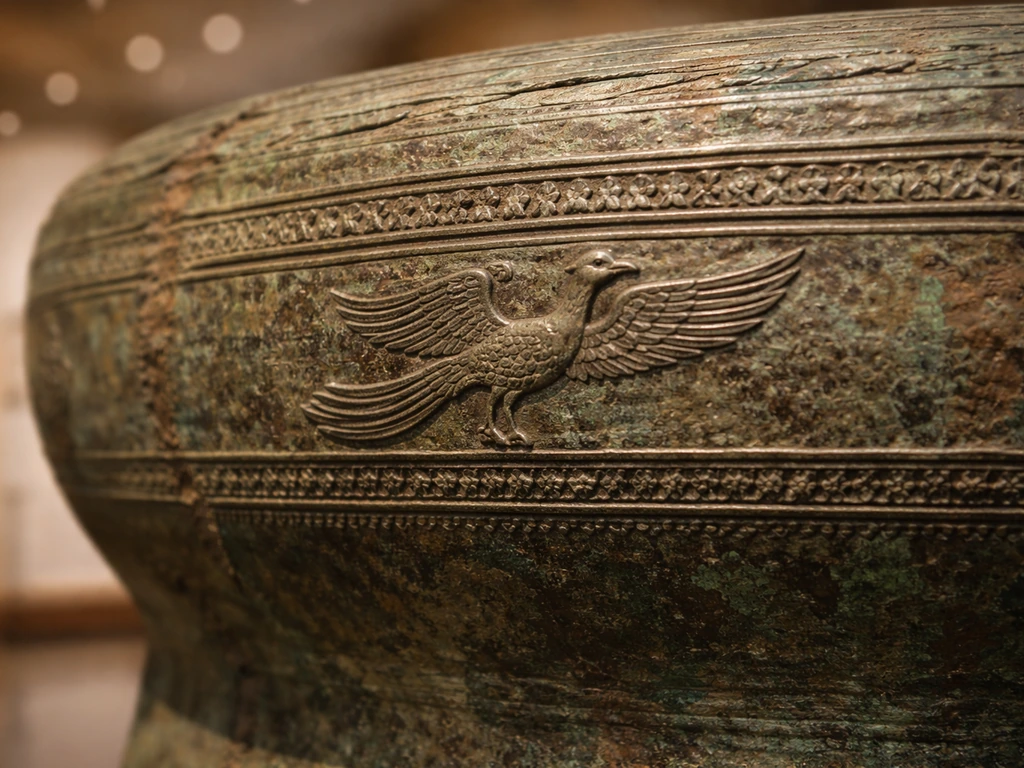
The Chim Lạc's status as a national symbol is rooted in the Đông Sơn culture, which flourished in northern Vietnam roughly from the 7th century BCE through the 1st century CE. The most iconic artifacts of that era are the elaborately decorated bronze Đông Sơn drums, and the bird in flight or perching that appears repeatedly across their surfaces is identified as the Chim Lạc. These drums are among the most recognizable relics of early Vietnamese civilization, and the bird motif on them is so consistent and prominent that it became inseparable from the cultural identity of that period.
The Văn Lang and Âu Lạc kingdoms, considered the first Vietnamese states, are directly associated with the Lạc Việt people. Because the Chim Lạc is the totem of that founding culture, the bird effectively carries the origin story of Vietnam itself. There was no single modern government decree moment where someone officially named it the national bird the way some countries formally designate species. Instead, the Chim Lạc accumulated that status organically through centuries of cultural continuity, archaeological scholarship, and eventual national storytelling.
One reason researchers take the Chim Lạc seriously as a real-world inspired figure is that the drum imagery shows specific anatomical detail: long legs, extended wings, and a profile consistent with large waterbirds. Some scholars have proposed the original model was a white waterbird such as an egret or large heron, which would have been common in the wetlands of the Red River Delta. Others argue for a broader migratory bird concept. The debate has not been settled definitively, which is part of what keeps the symbol in the realm of myth rather than natural history.
Key facts worth remembering
| Attribute | Detail |
|---|---|
| Vietnamese name | Chim Lạc |
| English name | Lạc bird (also written Lac bird) |
| Type of symbol | Mythical / representational, not a living classified species |
| Primary artifact link | Đông Sơn bronze drums |
| Cultural era | Văn Lang and Âu Lạc kingdoms (from approx. 7th century BCE) |
| What it represents | Totem of the ancient Lạc Việt people; ancestral origin symbol of Vietnam |
| Real-world species candidate | Possibly a large white waterbird (egret or heron), but not confirmed |
| Contemporary usage | Vietnam Airlines logo element; featured in Vietnam National Day media coverage |
A note on regional comparisons
If you are exploring national birds across Southeast Asia, Vietnam stands out because its national bird is mythical rather than a living species. Neighboring countries took a different route: Myanmar's national bird is the Green peafowl, a real and visually striking species. Thailand and Nepal also designated actual living birds. If you are comparing other countries, you may be wondering what the national bird of Nepal is Thailand and Nepal also designated actual living birds. If you are also asking what is the national bird of Thailand, it is a different kind of official, living bird symbol than Vietnam’s mythical Chim Lạc <a data-article-id="0F2716B8-4DC3-4758-B83C-E1F6D541324D">what the national bird of Nepal is. If you are wondering what is the national bird of Thailand, it is an adjacent comparison point because Thailand also uses an officially designated, living bird symbol. </a>. The Maldives and Afghanistan similarly point to specific real species. The Maldives’ national bird is the green coot. The national bird of Afghanistan is the Afghan snowfinch, a small bird adapted to high mountain regions what is the national bird of afghanistan. Vietnam is relatively unusual in anchoring its national bird identity to a legendary cultural totem rather than a bird you can photograph in the field. That distinction is worth knowing, especially if you are comparing national symbols across the region.
How to verify this and find reliable sources
Because the Chim Lạc is a mythical figure rather than a taxonomically classified bird, verifying it requires slightly different sources than you would use for, say, confirming the Indian peacock. Here is what actually works:
- Search for "Lạc bird Đông Sơn drum" to find archaeological and cultural-history sources that document the bird's appearance on bronze drums and its tie to Văn Lang-era culture. These are your strongest evidence for historical legitimacy.
- Check the national symbols section of official Vietnamese government or embassy websites. The Chim Lạc is consistently listed as a recognized national symbol alongside the flag, anthem, and lotus flower.
- Look at Vietnam Airlines' official heritage and brand history pages, which explicitly describe the Chim Lạc as a "vật tổ" (totem) of ancient Lạc Việt culture and use the bird as their primary symbol.
- Use VOA and VOVWORLD reporting on Vietnam's National Day (September 2) coverage to see the Chim Lạc named directly in English-language international media as Vietnam's mythical national bird.
- For Vietnamese-language depth, VnExpress has published research-based reporting on what real species the Chim Lạc may have been modeled on, which gives you the scholarly debate around the symbol without undermining its national-bird status.
- Avoid relying solely on generic "national birds of the world" list pages, as they sometimes conflate or misattribute birds across Southeast Asian countries, or describe the Chim Lạc as a real species when it is not.
The bottom line: the Chim Lạc is well-documented as Vietnam's national bird through archaeological, cultural, and contemporary media sources, even though it does not fit the typical mold of a designated living species. That is actually what makes it one of the more interesting national bird stories in the world.
FAQ
Is the national bird of Vietnam something I can actually see in the wild?
No. “Chim Lạc” refers to a legendary motif tied to Đông Sơn culture, so there is no single modern species you can look up by scientific (Latin) name. If you need a real-world comparison for birdwatching or field IDs, you will not be able to reliably match Chim Lạc to one species.
Why do some websites describe Vietnam’s national bird the same way they describe other countries’ birds?
Many lists mix “national bird” as a broad cultural emblem with “national bird” as a living species. For Vietnam, that category is different, because Chim Lạc functions as an ancestral totem shown on artifacts rather than an officially recognized, living animal.
What’s the difference between “Chim Lạc” and “Lạc bird,” and are they the same thing?
Yes, the name can look inconsistent in English because the Vietnamese diacritics may be dropped, so you might see “Lạc bird” or “Lac bird.” If the article you are reading mentions Chim Lạc alongside Đông Sơn drums, it is still referring to the same mythical figure.
How can I tell when someone is guessing a real species versus describing the mythical totem accurately?
If a source claims Chim Lạc is a particular bird species (for example, naming an exact egret or heron), treat that as interpretation rather than settled identification. The closer it stays to symbolism and artifact analysis, the more consistent it is with how researchers discuss the figure.
When was Vietnam’s national bird officially declared?
There is no common “official decree” moment in the way some countries designate a living species through modern government legislation. The status is described as having formed over time through cultural continuity, archaeological scholarship, and modern storytelling.
What kinds of sources are most reliable for confirming what Vietnam’s national bird represents?
For practical verification, look for discussions that connect the motif to Đông Sơn drums and explain it as a cultural emblem. You will usually get better accuracy from archaeology, cultural history, and Vietnamese-language cultural sources than from generic birdwatching databases.
How is Chim Lạc used in modern Vietnam, and does that matter for whether it is “official”?
Because it is a symbol, it shows up in national media and corporate branding, including state-adjacent events and recognizable icons. If you are assessing whether something is truly “the national bird” in Vietnam, check whether it is used as an identity emblem rather than as a field-identification target.
Is Vietnam the only country in the region with a mythical national bird?
If you are comparing national birds across Southeast Asia, make a category check first: living species versus mythical emblem. Vietnam is unusual because the national bird identity is anchored to founding mythology and totem imagery, while neighbors like Myanmar emphasize a real bird.
What do scholars think Chim Lạc is based on, and can it be pinned to one real animal?
Not in the normal way people interpret most national birds. Chim Lạc can be discussed through debates about whether the depiction resembles waterbirds like egrets or herons, but the consensus focus is still symbolic meaning, not a definitive wildlife ID.
If I’m traveling to Vietnam, what should I do instead of trying to spot the national bird?
If your goal is tourism or birdwatching in Vietnam, plan around real local birds you can identify, such as herons and egrets common in wetlands, rather than trying to “find” Chim Lạc. Chim Lạc is best understood as heritage symbolism, not a target species.
Next Article
What Is the National Bird of Thailand? Species and Meaning
Discover Thailand’s national bird, the Siamese fireback, and its symbolism, history, and easy ways to verify the emblem.