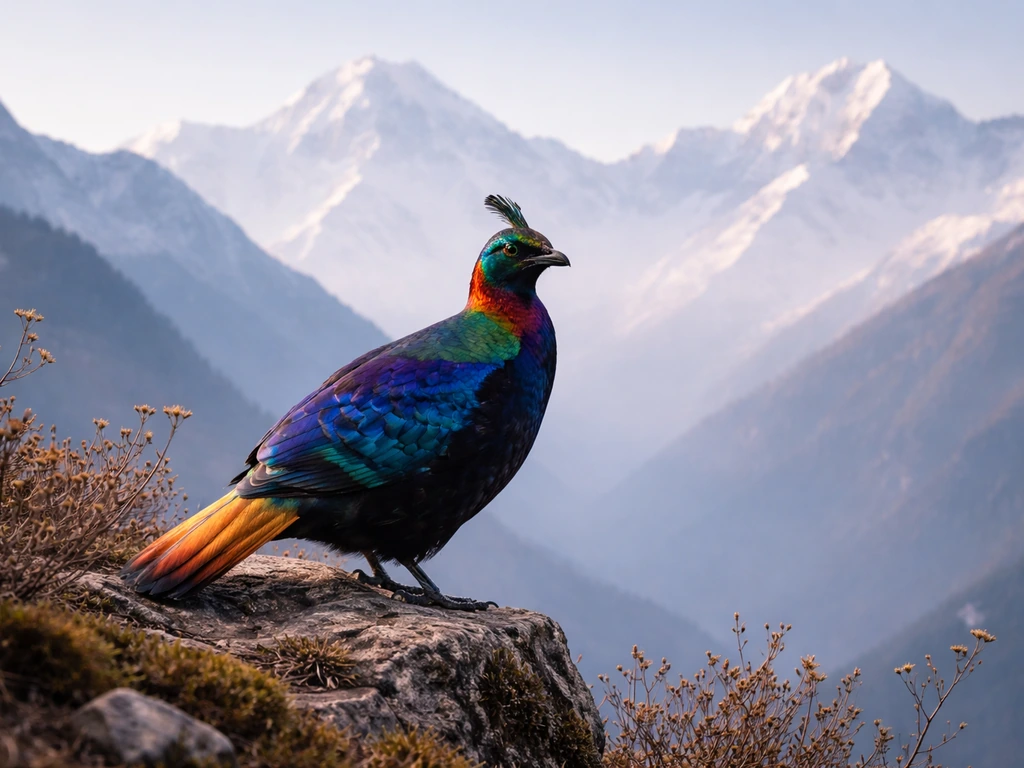
Thailand's national bird is the blank" rel="noopener noreferrer">Siamese fireback (Lophura diardi), also known as Diard's fireback. In Thai, it's called ไก่ฟ้าพญาลอ (Kai Fah Phaya Lo), which roughly translates to 'Lord Lo's pheasant.' This was officially designated as the national bird in 1985 and is the answer you'll find consistently across reliable reference sources today. A Thai-language article reports that the Siamese fireback (ไก่ฟ้าพญาลอ; Lophura diardi) was proposed by Thailand’s Wildlife Conservation Bureau and recognized as Thailand’s national bird in 1985 proposed by Thailand’s Wildlife Conservation Bureau and recognized as the national bird in 1985.
What Is the National Bird of Thailand? Species and Meaning

Marcus Chen
20 Apr 2026
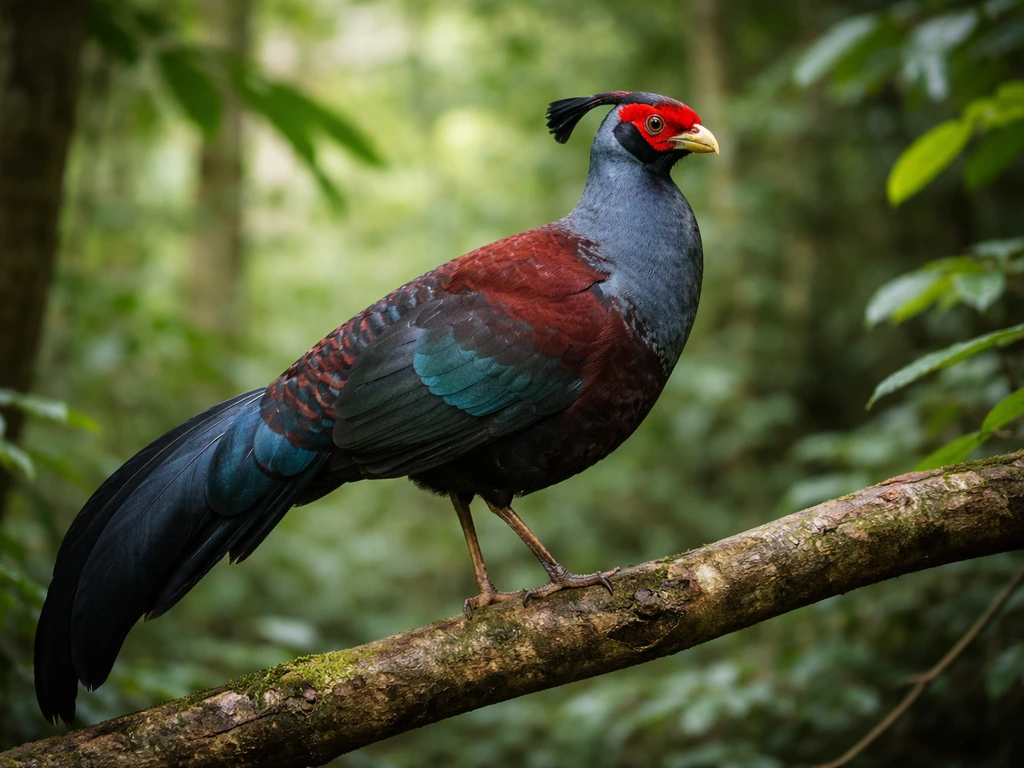
The bird itself: what Lophura diardi looks like
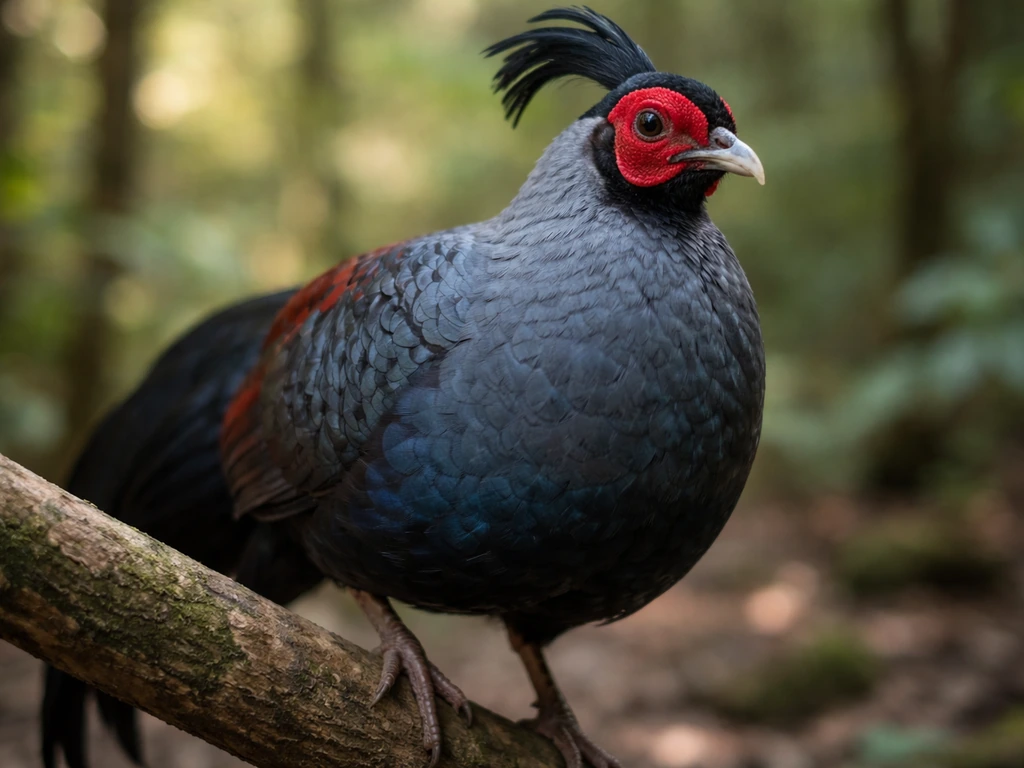
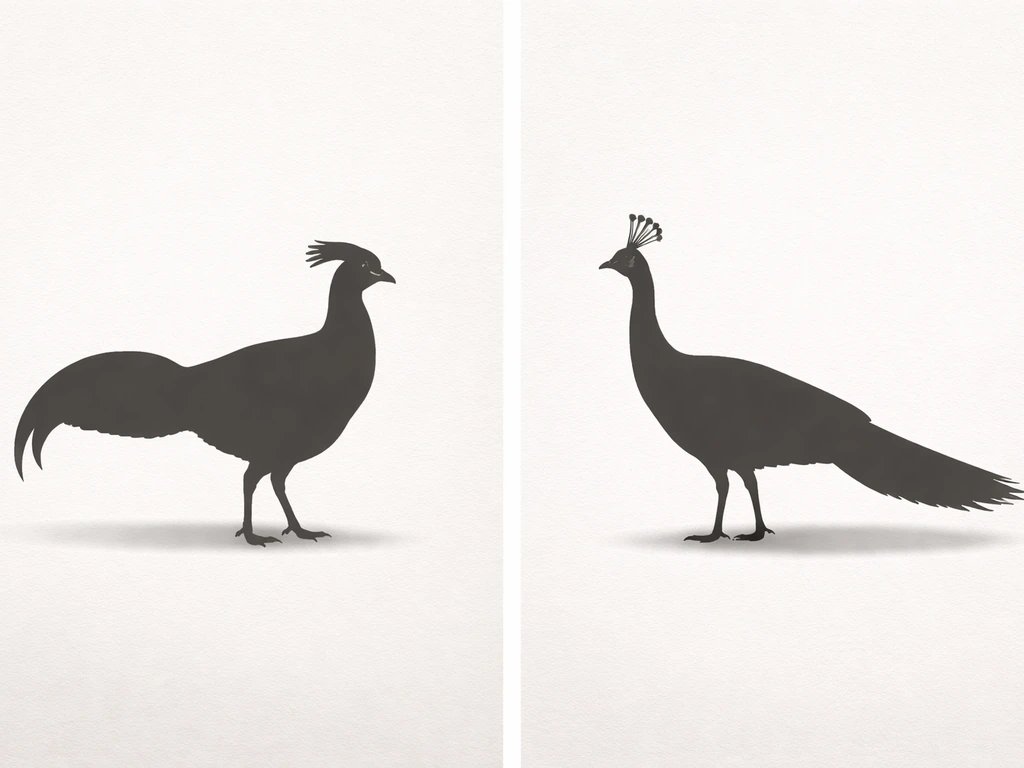
The Siamese fireback is a striking pheasant, reaching about 80 cm in length as an adult. Males are the showstoppers: they have dark slate-blue to grey iridescent plumage, vivid red facial wattles, and long curved ornamental blackish tail feathers. If you've ever seen a photo and thought 'that looks like a peacock's more understated cousin,' you're not far off.
Females are quite different, as is common with pheasants. They're brownish with mottling and streaking, and have a noticeably shorter tail than males. This sexual dimorphism trips people up in the field. One useful identification check: female Silver Pheasants, a species sometimes confused with female Siamese firebacks, lack the prominent wing barring you'll see on female Lophura diardi.
In the wild, the Siamese fireback favors lowland and evergreen forests. Its range spans mainland Southeast Asia, covering Thailand, Cambodia, Laos, and Vietnam. If you're birdwatching in Thailand's national parks and spot a large pheasant in lowland forest, the Siamese fireback is a strong candidate.
Why Thailand chose this bird
The Siamese fireback isn't just visually impressive. It carries deep roots in Thai culture through its connection to classical Thai literature. The Thai common name, Kai Fah Phaya Lo, links directly to the ancient narrative poem Lilit Phra Lo, one of the most celebrated works in Thai literary tradition. In the story, a pheasant plays a role in leading the protagonist, Prince Lo, on his journey. That cultural thread gives the bird a meaning beyond ornithology. It's woven into Thailand's literary and folk identity.
The bird is also native to Thailand's forests, making it a genuinely local symbol rather than a borrowed or imported one. For a national emblem, that authenticity matters. It represents Thai wildlife, Thai landscapes, and Thai heritage simultaneously.
How it became the official national bird
The designation happened in 1985. The Wildlife Conservation Office (กองอนุรักษ์สัตว์ป่า), operating under the Department of National Parks (then part of กรมป่าไม้, the Royal Forest Department), formally proposed the Siamese fireback as Thailand's national bird. The Thai Cabinet endorsed the proposal, making it official.
This wasn't a spontaneous decision. It came from conservation professionals who wanted a nationally recognized wildlife symbol that could support awareness of Thailand's forest ecosystems. The Siamese fireback, being endemic to the region's forests and carrying that literary name recognition, was a natural fit for the proposal.
Where the bird shows up in Thai culture
One concrete example of the Siamese fireback appearing in official national identity contexts is Thai postage stamps. Thai Post has featured the ไก่ฟ้าพญาลอ in stamp designs, specifically referencing the 1985 Department of Forestry designation as the basis for using the bird in national-symbol themed philately. It's a small but telling detail: when Thailand wants to put a bird on an official stamp to represent the nation, this is the one they reach for.
The bird also shows up in Thai conservation messaging. Thai PBS NOW, the public broadcaster, has covered the Siamese fireback as part of features on national birds across Asia, framing it explicitly as Thailand's national bird symbol and connecting it to broader conservation education. For a species that lives in threatened lowland forest habitats, being the national bird gives it a platform that pure ornithological interest alone wouldn't provide.
The Lilit Phra Lo literary connection is worth dwelling on for a moment. That poem is studied in Thai schools, so the name Phaya Lo carries real cultural weight for Thai readers. The national bird isn't just a government designation, it's a name that resonates with anyone who has read Thai classical literature.
Quick facts worth remembering
- Scientific name: Lophura diardi
- Common English names: Siamese fireback, Diard's fireback
- Thai name: ไก่ฟ้าพญาลอ (Kai Fah Phaya Lo, meaning 'Lord Lo's pheasant')
- Designated: 1985, by Cabinet endorsement of a Wildlife Conservation Office proposal
- Size: approximately 80 cm in adult length
- Range: lowland and evergreen forests of Thailand, Cambodia, Laos, and Vietnam
- Literary connection: tied to the classical Thai poem Lilit Phra Lo
How to confirm the designation and avoid common mix-ups
If you want to verify this today, the most straightforward check is Wikipedia's 'National symbols of Thailand' page, which lists Lophura diardi and the Thai name ไก่ฟ้าพญาลอ under the national bird category. Cross-referencing with the Siamese fireback's own Wikipedia page confirms the same information from the species side. Both the symbol list and the species article point to the same bird.
There are a couple of mix-ups worth flagging. The first is the green peafowl. Some informal lists or casual references mention peafowls in connection with Thailand, possibly because peafowls are visually prominent and well-known across Southeast Asia. But the green peafowl is not Thailand's national bird. The consistent, better-sourced designation is the Siamese fireback.
The second mix-up involves other Lophura pheasants. The Siamese fireback belongs to a genus that includes several related fireback and crested pheasant species, some of which also occur in Southeast Asia. If you're looking at a photo and trying to confirm which Lophura species you're seeing, focus on the male's red facial wattles and the dark iridescent plumage as the Siamese fireback's key markers. Other firebacks in the same genus have different facial and plumage details.
| Bird | Status in Thailand | Why confused |
|---|---|---|
| Siamese fireback (Lophura diardi) | Official national bird since 1985 | The correct answer |
| Green peafowl (Pavo muticus) | Not the national bird | Sometimes appears in informal lists or Southeast Asia bird features |
| Other Lophura pheasants (e.g., crested fireback) | Not the national bird | Related genus, similar body shape, overlapping habitat |
For practical verification beyond Wikipedia, Thai government conservation materials and Thai PBS NOW's coverage of Asian national birds both confirm the same designation. If you encounter a source that names a different bird as Thailand's national symbol, it's worth checking whether that source specifies a different category of symbol (like a national animal or a provincial bird) rather than the national bird specifically.
A note on regional neighbors
If you're researching national birds across Southeast Asia, it's interesting to note how differently each country approaches the choice. Thailand's neighbors have their own distinct designations: Myanmar, Vietnam, and Nepal each have their own national birds with their own cultural stories. Myanmar’s national bird is the Green Pigeon (Treron axillaris), a species native to the country. If you want to compare further, you can also look up what is the national bird of Afghanistan.
Maldives’ national bird is the little tern. Vietnam’s national bird is the one you’d look for when comparing each country’s national symbols across Southeast Asia. Nepal's national bird is the Himalayan monal, also called the Danphe Nepal each have their own national birds. The Siamese fireback's range actually overlaps with Vietnam and Cambodia, which makes Thailand's choice feel particularly tied to the specific literary and cultural context of Thai identity rather than just geography.
FAQ
Is Thailand’s national bird the green peafowl or the Siamese fireback?
No. Thailand’s national bird is the Siamese fireback (Lophura diardi), while the green peafowl is sometimes mentioned in informal lists due to its popularity, but it is not the official national bird designation.
Why do some sources call Thailand’s national bird Diard’s fireback?
It is officially named as the Siamese fireback (Lophura diardi), and the commonly used English name “Diard’s fireback” refers to the same species. When sources differ, check whether they are using a synonym for the scientific name.
How can I tell a Siamese fireback from photos, especially if I might be seeing a female?
The male and female look very different, so using only color can mislead you. A practical field check is the male’s red facial wattles plus dark iridescent plumage, while females are mottled brown with a shorter tail, so comparing to known male traits helps avoid confusion.
What’s the fastest way to avoid confusing Siamese firebacks with other pheasants?
If you are trying to confirm an ID, prioritize the male’s distinctive red facial wattles and overall dark iridescent look. The article also notes that female Silver Pheasants can be confused, and that female Lophura diardi show wing barring patterns you can look for.
If a bird appears on a stamp or in a show, does it automatically mean it is Thailand’s national bird?
Don’t assume the national bird is the same as every bird shown in tourism or conservation campaigns. The article gives examples like stamps and media coverage, but the key decision aid is to look for the explicit “national bird” category rather than “national symbol” or “featured wildlife.”
How can I verify the bird is truly the national bird and not another type of national symbol?
Yes. The designation is tied to the 1985 national-bird decision, so the most useful verification step is to compare sources that explicitly list “national bird” and not “national animal” or “provincial bird.”
Where in Thailand is the Siamese fireback most likely to be seen, and does habitat affect sightings?
The bird is native and tied to Thailand’s lowland evergreen forest habitats, so its national-symbol status supports a habitat conservation message. If you are birdwatching, the most likely places to encounter it are lowland evergreen forests, not upland areas where different pheasant species may occur.
What should I do if I see a conflicting claim about Thailand’s national bird online?
The article flags common mix-ups and points to a reliable cross-check method. If you find a different answer online, check whether the source is confusing Thailand’s national bird with another category or with a different species within the Lophura group.
Next Article
What Is the National Bird of Nepal? Meaning and Facts
Discover Nepal’s national bird, its cultural symbolism, why it was chosen, and key facts to remember.