
The national bird of New Zealand that cannot fly is the kiwi. Officially confirmed by both the Department of Conservation (DOC) and Te Papa (Museum of New Zealand), the kiwi is New Zealand's national icon and is entirely flightless. If you've come across a trivia question, a crossword, or just a curious fact about a national bird that can't get off the ground, the kiwi is your answer.
National bird of New Zealand that cannot fly: kiwi

Marcus Chen
7 May 2026
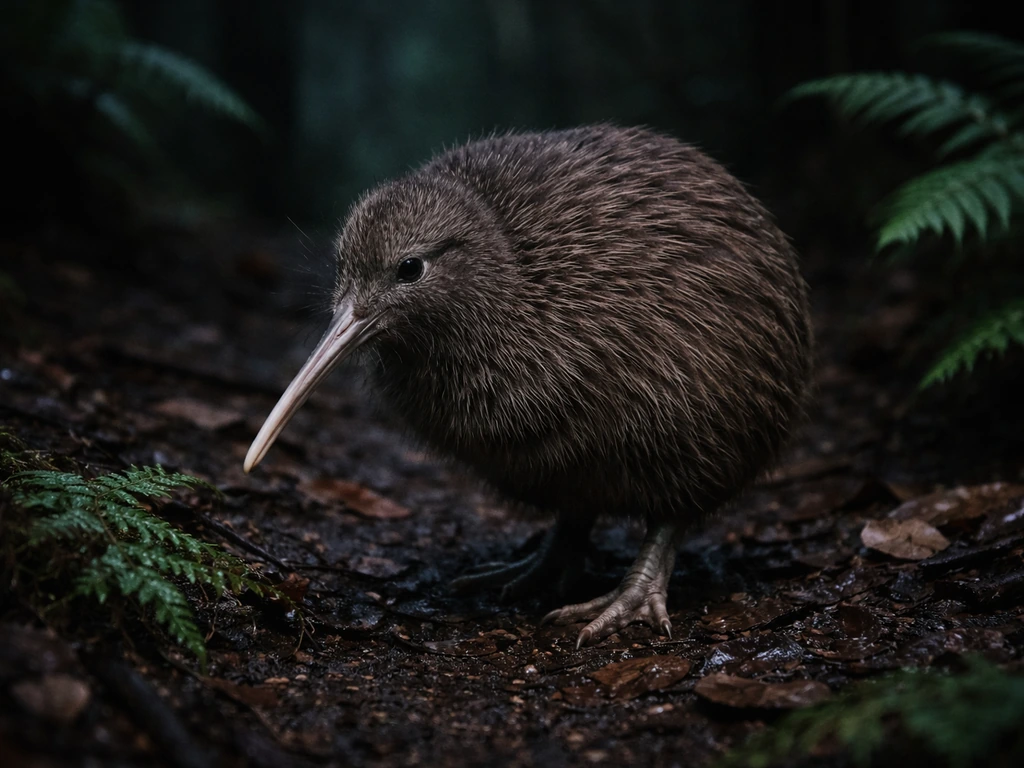
Which national bird can't fly: the kiwi confirmed
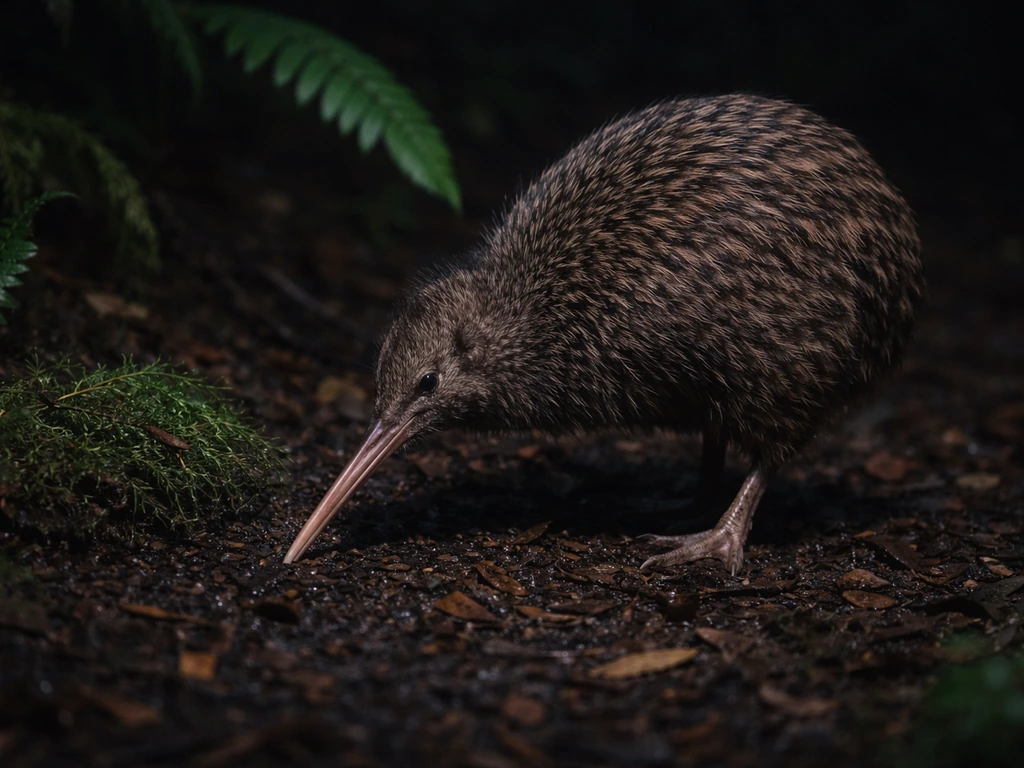
New Zealand's national bird is the kiwi (genus Apteryx), and DOC states plainly: "it cannot fly." Te Papa labels it "the national bird of Aotearoa New Zealand." There's no ambiguity here. While many countries have striking, soaring birds as their national emblems (think the bald eagle of the United States or the quetzal of Guatemala), New Zealand chose a small, round, ground-dwelling bird that has no interest in the sky whatsoever. That choice actually says a lot about New Zealand's identity, which we'll get to shortly.
There are five recognised species of kiwi, all native to New Zealand. The North Island brown kiwi is the most commonly encountered, but you'll also find the great spotted kiwi (roroa), the little spotted kiwi, the rowi (Okarito kiwi), and the Haast tokoeka. All five species are flightless.
Why the kiwi can't fly
The kiwi didn't just forget how to fly. It evolved away from flight over millions of years, adapting completely to life on the forest floor. New Zealand had no land mammals (other than bats) for a very long time, so there were few ground-based predators to escape from. Flying became unnecessary, and the kiwi's body reflects that in almost every detail.
The physical adaptations that make flight impossible
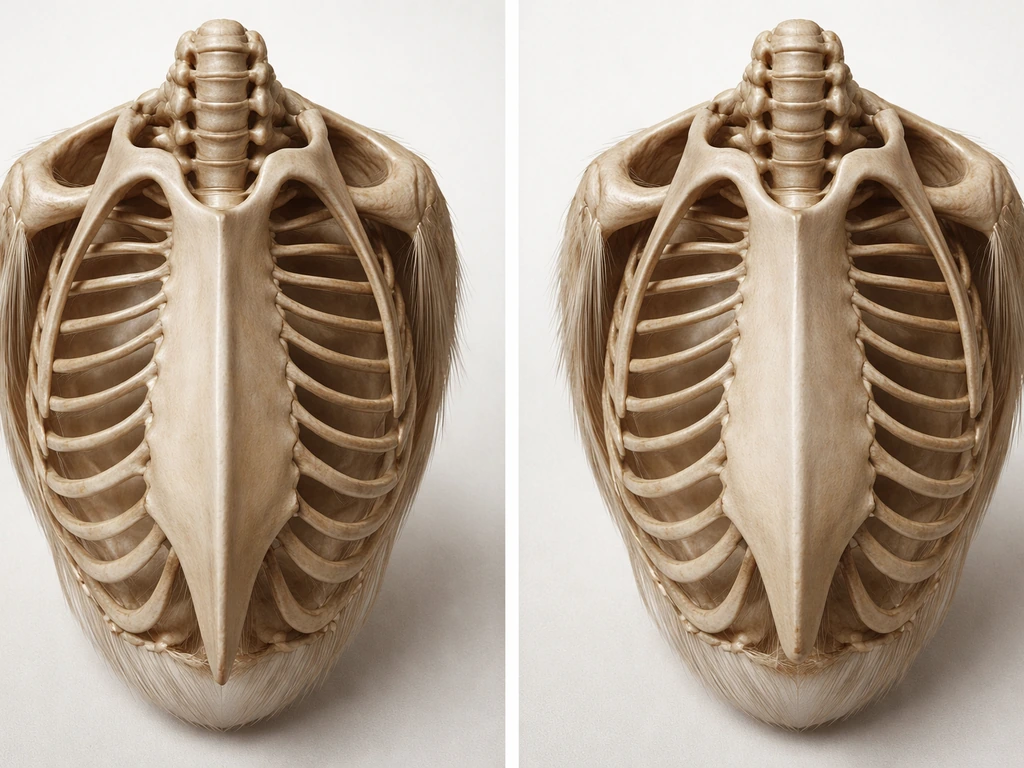
- No keel: Birds that fly have a prominent keel on their breastbone, which anchors the powerful flight muscles. Kiwi, like all ratites (the group that includes ostriches and emus), lack this structure entirely. Without a keel, there's nowhere for flight muscles to attach, so the muscles themselves never develop for powered flight.
- Tiny, vestigial wings: Kiwi have wings, but they're reduced to small stubs hidden under their feathers. They're roughly the size of a human hand and serve no flight function whatsoever.
- Hair-like feathers: Instead of the stiff, aerodynamic feathers that give most birds lift, kiwi have loose, shaggy, almost fur-like plumage. DOC describes them as "loose, hair-like feathers." These are great for insulation and camouflage, not for generating lift.
- Strong, powerful legs: Kiwi legs are built for walking, running, and digging. They make up a significant portion of the bird's body weight and are the kiwi's primary means of moving around and finding food.
- No tail: Kiwi have no tail at all, which removes another structure that birds typically use for steering and stabilising in flight.
Te Papa frames this story well with its "How the kiwi lost its wings" explainer: the bird's body plan is so thoroughly adapted to ground life that flight isn't just impractical, it's anatomically off the table. The kiwi is built from the ground up, literally.
What the kiwi means to New Zealand
The kiwi isn't just a famous flightless bird. Because of this cultural and ecological significance, the kiwi has become important to New Zealanders as a national icon and as a conservation priority. It's one of the most loaded national symbols of any country in the world. Understanding why requires a quick look at both Māori culture and New Zealand's broader national identity.
A taonga (treasure) in Māori culture
DOC is explicit on this: kiwi are a "taonga (treasure)" to Māori, with strong cultural, spiritual, and historic associations. Kiwi feathers were woven into prestigious cloaks called kahu kiwi, worn by chiefs and people of high status. The bird held spiritual significance and was closely tied to Tane, the god of forests and birds in Māori tradition. This deep cultural relationship with kiwi long predates the bird's adoption as a modern national symbol.
From cartoons to national icon
The kiwi's emergence as the national emblem of New Zealand in a modern, popular sense has a fairly traceable history. NZ History (Manatū Taonga) records that by 1908, the kiwi had become the dominant symbol used in cartoons to represent New Zealand and New Zealanders, replacing earlier imagery. Te Ara confirms that by that same year, cartoonists were regularly drawing the kiwi as a stand-in for the country. From there, the association only deepened. New Zealanders themselves came to be called "Kiwis" as a nickname, a label that's now worn with genuine pride.
It's a fascinating contrast to many other national birds. Countries like Israel chose the hoopoe through a public vote in the 2000s, while New Zealand's choice evolved organically over more than a century of cultural identity-building. If you're wondering why that choice was made, the answer comes down to the hoopoe's cultural symbolism and national recognition in Israel why is the hoopoe the national bird of israel. If you are comparing national birds by country, Israel’s national bird is the hoopoe. The kiwi wasn't appointed so much as it was simply recognised as what New Zealand already was.
Why the kiwi fits New Zealand so well
The kiwi is unique to New Zealand, found nowhere else on Earth in the wild. It's nocturnal, quietly industrious, tough despite its small size, and deeply connected to the land. It doesn't perform or show off. For a country that values practicality, independence, and a close connection to its natural environment, the kiwi is a genuinely fitting symbol. The fact that it can't fly doesn't diminish it. If anything, it makes the bird more distinctly and unapologetically New Zealand.
How to identify a kiwi at a glance
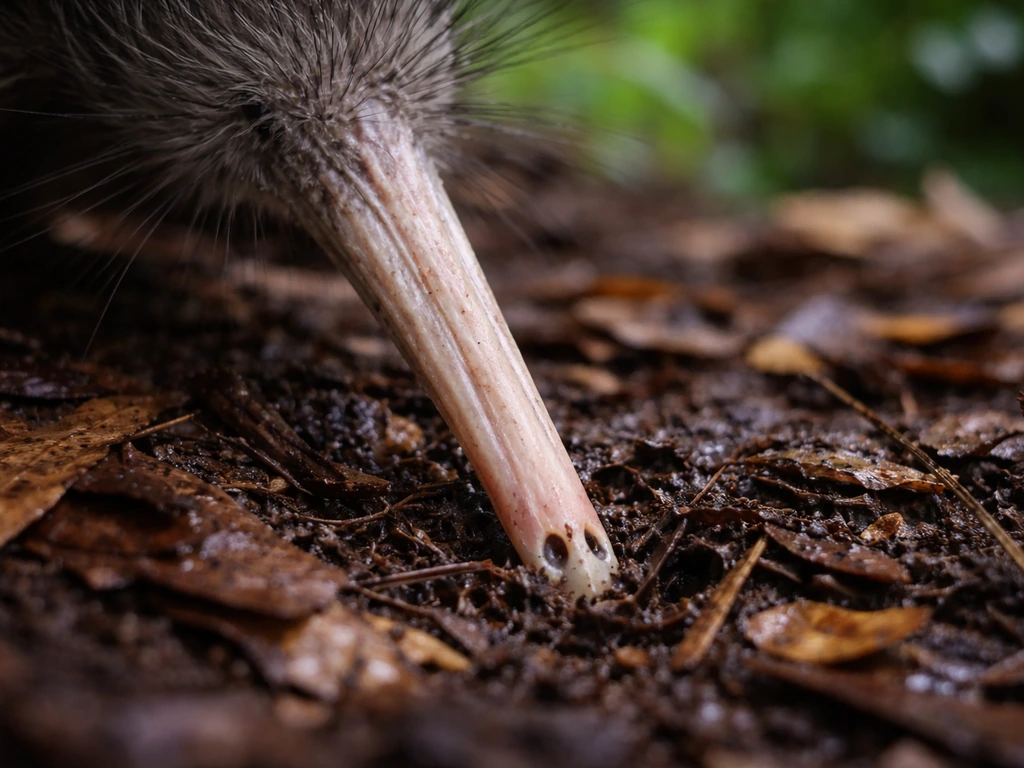
If you're looking at a photo or illustration and want to confirm it's a kiwi, these are the features to check for.
| Feature | What to look for |
|---|---|
| Size | About a foot (30 cm) high, roughly the size of a domestic chicken |
| Bill | Long, tapering, and flexible, with nostrils at the very tip (unique among birds) |
| Feathers | Loose, shaggy, and almost hair-like in appearance, not smooth or sleek |
| Wings | Not visible externally, completely hidden under the feathers |
| Legs | Stout and strong, scaled, used for walking and digging |
| Tail | None |
| Colour | Varies by species: brown, grey-brown, or spotted patterns |
The nostrils at the tip of the beak are one of the kiwi's most unusual features. Most birds have nostrils near the base of their bill. The kiwi uses its beak to probe the ground for insects, worms, and grubs, and that nose placement helps it smell out food underground. It's one of the very few birds that relies heavily on smell rather than sight.
Where to see kiwi in New Zealand (and how to learn more)
Kiwi are nocturnal and naturally secretive, so spotting one in the wild without some planning is genuinely difficult. But there are reliable options.
Kapiti Island
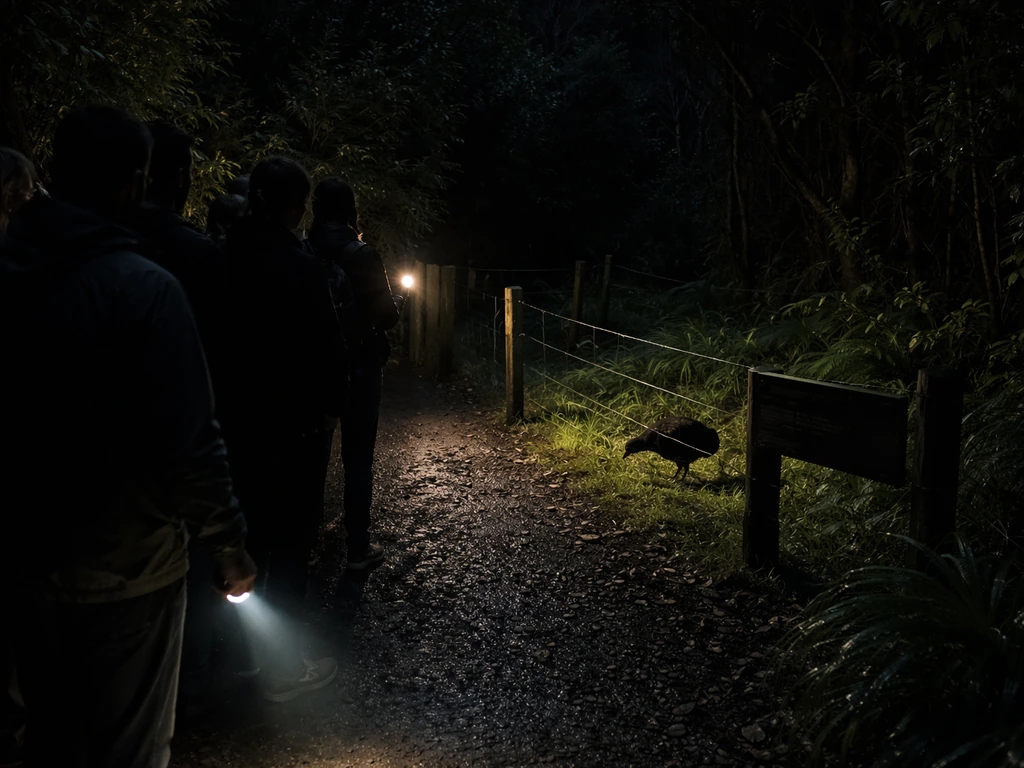
Kapiti Island, off the Kapiti Coast near Wellington, is one of the best places to encounter kiwi. DOC manages it as a nature reserve and bird sanctuary with strict predator control. The little spotted kiwi, which is actually extinct on the New Zealand mainland, thrives on Kapiti Island. Visiting requires a permit and advance booking through DOC, but it's considered one of the most rewarding wildlife experiences in the country.
Zealandia (Wellington)
Zealandia is an urban ecosanctuary in Wellington with a predator-proof fence enclosing over 225 hectares. It runs twilight and night tours specifically designed to give visitors a realistic chance of seeing kiwi in a natural setting. If you're based in Wellington or passing through, this is the most practical option for a kiwi encounter.
DOC kiwi sanctuaries
In 2000, DOC established five dedicated kiwi sanctuaries across New Zealand with the goal of increasing chick survival through intensive predator control. Without that control, only about 5% of wild kiwi chicks survive to adulthood. With it, survival can reach 60%. These sanctuaries are spread across both the North and South Islands and represent the best conservation outcomes for kiwi populations in the wild.
A note on conservation status
It's worth knowing that kiwi are under real pressure. Conservation status varies by species, ranging from Recovering to Nationally Critical. The North Island brown kiwi is listed as Endangered on the IUCN Red List, with predation by dogs, ferrets, and stoats as primary threats, along with habitat loss. Only about a quarter of wild kiwi currently live in habitat protected by predator control. If you want to support kiwi beyond just learning about them, DOC's Save Our Iconic Kiwi program is the most direct way to get involved.
Want to go deeper?
- DOC's kiwi pages cover all five species with distribution maps, conservation status, and biology facts
- Te Papa's national bird explainer connects the kiwi's physical traits to its deeper cultural role in Aotearoa New Zealand
- Te Ara (Encyclopedia of New Zealand) has detailed entries on kiwi history, Māori relationships with the bird, and its evolution into a national symbol
- If you're exploring how other countries chose their national birds, New Zealand's story makes for a great comparison point alongside deliberate selections like Israel's hoopoe, which was chosen through a national public vote
FAQ
Are kiwis the only national birds of a country that cannot fly?
Not necessarily. Kiwi are the national bird of New Zealand and they are flightless, but other countries also select flightless birds (for different reasons). If you need a quick check, confirm both the national emblem status and flight ability for each country, since “emblem” and “national bird” can be used differently in trivia and school materials.
Do all kiwi species have wings, and if so, can they fly at all?
Kiwis do have small, nonfunctional wings, but they cannot fly. The wings are vestigial and the body is built for ground movement and probing. For most people, the key point is behavioral and anatomical, not whether the wing bones exist.
Why do kiwis look different from most birds if they are a bird?
Their nostrils are at the tip of the beak, which they use heavily for smell while foraging underground. They are also nocturnal and rely on stealth rather than visual display, so their overall shape, posture, and feeding style differ from typical day-active birds.
Can you see a kiwi in the wild without a tour or permit?
Sometimes, but it is unreliable because kiwi are secretive and nocturnal, and sightings depend heavily on predator-free habitat and time of year. If you want the highest chance, plan around managed reserves, wildlife tours, or DOC-sanctioned night encounters, since those areas use predator control and improve viewing safety.
What is the best place to see a kiwi if I am not in Wellington?
Kapiti Island is a strong option because DOC runs it as a sanctuary with strict predator control, but visits require permits and advance booking. The best choice outside Wellington depends on which island or sanctuary has the species you want to see and what access rules apply that season.
Are kiwi chicks really much more likely to survive in sanctuaries?
Yes, predator control makes a major difference. DOC reports survival can rise from around 5% without intensive control to about 60% with it, because reduced dog, stoat, ferret, and other predator pressure prevents early deaths.
What are the main threats to kiwi besides losing habitat?
Predation is the biggest driver in many areas, especially from invasive mammals such as dogs, ferrets, and stoats. Habitat loss contributes too, but predator pressure is often the deciding factor for whether chicks survive to adulthood.
Is the kiwi always “a national icon,” or did it become one only recently?
It has both cultural roots and modern public-symbol history. Kiwi imagery became common in cartoons by about 1908, and the national association strengthened from there, while Māori cultural significance predates this modern emblem status by a very long time.
If someone shows me a photo and says it is a kiwi, what quick checks confirm it?
Look for the beak with nostrils at the very tip, a long probing bill, and a low, ground-foraging posture. If the image shows a bird that is clearly flying or soaring, it is very unlikely to be a kiwi, since kiwis are anatomically adapted to ground life.
How can I help kiwi conservation in a practical way?
Consider supporting DOC initiatives like the Save Our Iconic Kiwi program, since it targets predator control and conservation actions directly rather than only awareness. Also, if you visit sanctuaries, follow access rules and guidance, since disturbance can affect animal behavior and stress vulnerable chicks.
Next Articles
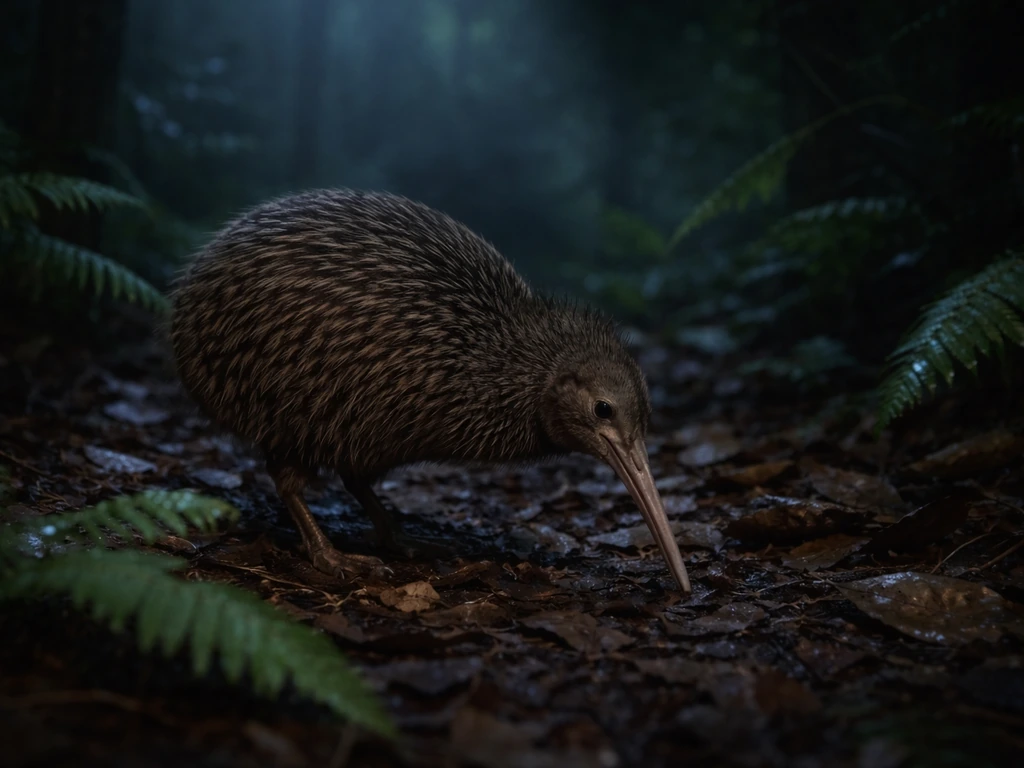
Why Is the Kiwi Bird Important to New Zealand?
Why the kiwi is New Zealand’s national bird: endemic symbol, national identity, and conservation importance explained.
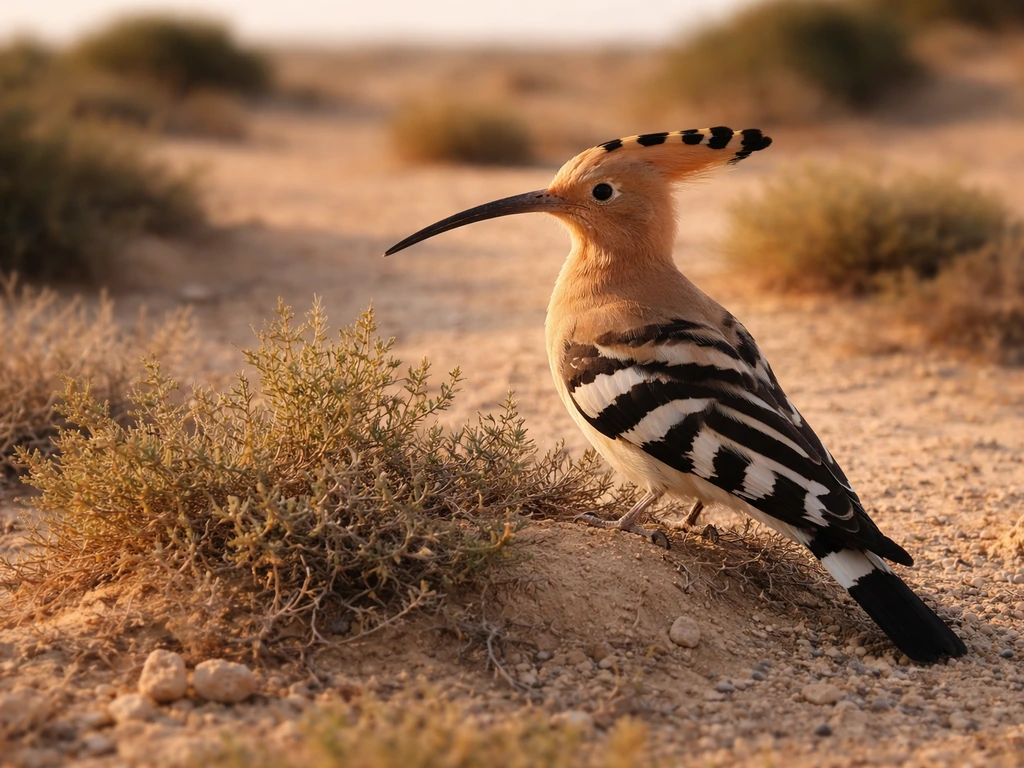
What Is the National Bird of Israel? Official Answer
Find Israel’s official national bird claim, the commonly cited symbol history, and key facts to verify conflicting answe
What Is the National Bird of New Zealand? Species, Facts
Discover New Zealand’s national bird, why it was chosen, its history, and key facts like where to find it.