Costa Rica's national bird: the clay-colored thrush
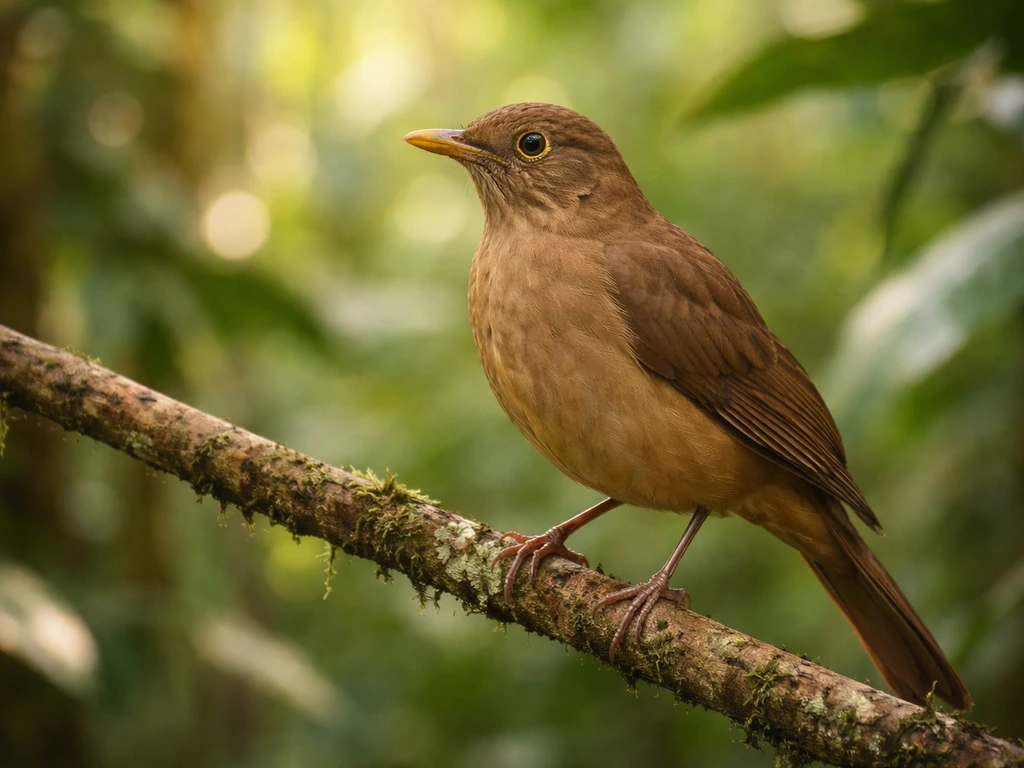
Costa Rica's national bird is the clay-colored thrush, known locally as the yigüirro (pronounced roughly "yee-GWEE-ro"). Its scientific name is Turdus grayi. This is the official answer, confirmed by national law and repeated across every credible Costa Rican government and cultural source you'll find. If you came here just for that confirmation, you have it. But the story behind why this particular bird was chosen is genuinely worth knowing.
Where the official designation comes from
The yigüirro's status as national bird is not just tradition or custom. It is written into Costa Rican law. The specific legislation is Ley 6031, titled "Declara al Yigüirro como Ave Nacional" (Declares the Yigüirro as the National Bird), passed on January 3, 1977. The original document is publicly hosted on the Costa Rican Asamblea Legislativa's official website (asamblea.go.cr), so if you ever need a primary source for school, research, or simple curiosity, that is where to look.
Costa Rica's official tourism and culture portal also confirms the clay-colored thrush (Turdus grayi) as the country's designated national bird, listing January 1977 as the adoption date. Between the legal text and the government portal, the designation is about as official as it gets.
Why the yigüirro? The symbolism behind the choice
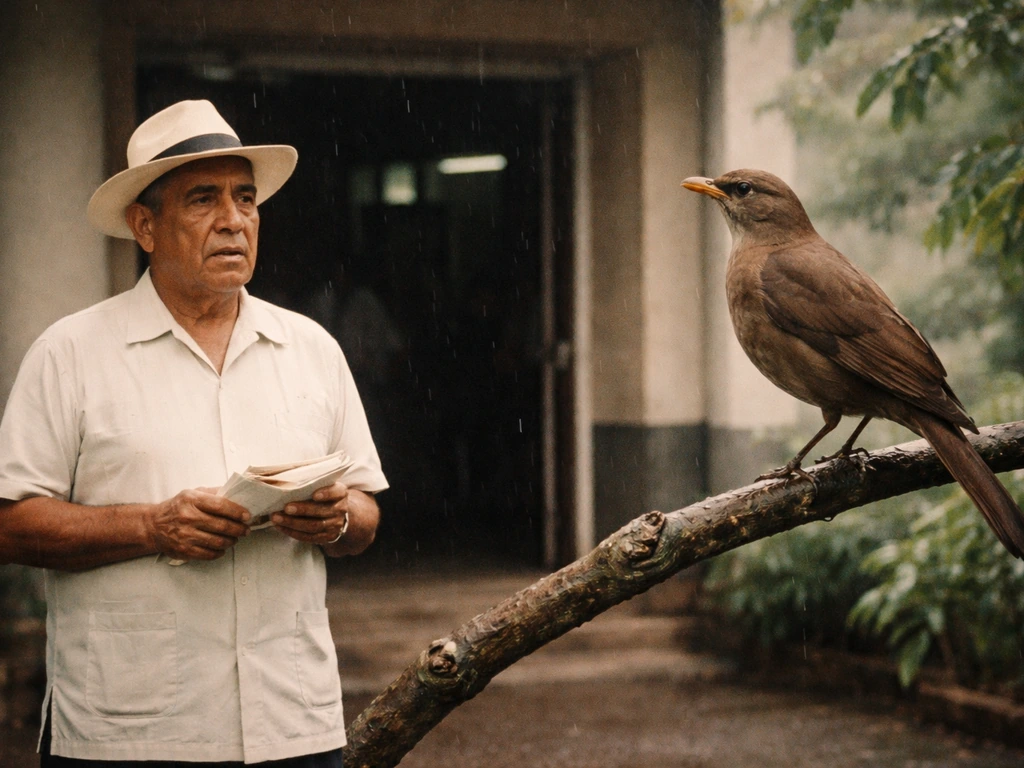
At first glance, the yigüirro seems like an unlikely pick. It is not colorful. It does not have dramatic plumage. It is, honestly, a plain-looking brown bird. But Costa Ricans did not choose it for looks. They chose it for its song.
The clay-colored thrush has a rich, musical, caroling call that the Cornell Lab of Ornithology describes as a "cherished sound in Costa Rica." That song is woven into the country's seasonal identity in a very specific way: the yigüirro is said to "call the rains." Its singing intensifies right before the start of the rainy season, which for Costa Rican farmers and communities has historically been one of the most important moments of the agricultural year. That connection between the bird's voice and the arrival of the rains gave the yigüirro a kind of cultural importance that flashier birds simply did not have.
There is also something deliberately humble about the choice. The yigüirro is a common bird found across the country, not a rare exotic species. Choosing it as the national symbol carries a message: this is a bird that belongs to everyone, not just to the cloud forests or the wealthy estates. It shows up in backyards, farmlands, and city parks just as readily as it does in wild areas.
How it became official: the history of the selection
The push to designate a national bird came in the mid-1970s during the presidency of Daniel Oduber Quirós. The initiative is associated with two key figures: poet Eliseo Gamboa and deputy Deseado Barboza. The pairing of a poet and a lawmaker behind the designation says something about the intent. This was not purely a bureaucratic act. The yigüirro was being recognized as a cultural and artistic symbol, not just a zoological one.
Ley 6031 was signed into effect on January 3, 1977, making the designation formally part of Costa Rican national identity. Some educational materials, including content produced by Costa Rica's own public broadcasting (Sinart Didáctico), cite January 14, 1977 as the operative decree date, which reflects different points in the legislative process. Either way, early January 1977 is the period when the yigüirro officially became the country's avian emblem.
It is worth noting that Costa Rica occupies a fascinating spot in Central American birding geography. Countries nearby have made very different choices for their national birds. For example, Panama's national bird is the harpy eagle, one of the largest and most powerful raptors in the Americas. Costa Rica's choice of a modest thrush over a majestic eagle or a brilliant tropical species reflects a distinct cultural personality.
Fun facts and cultural stories tied to the yigüirro
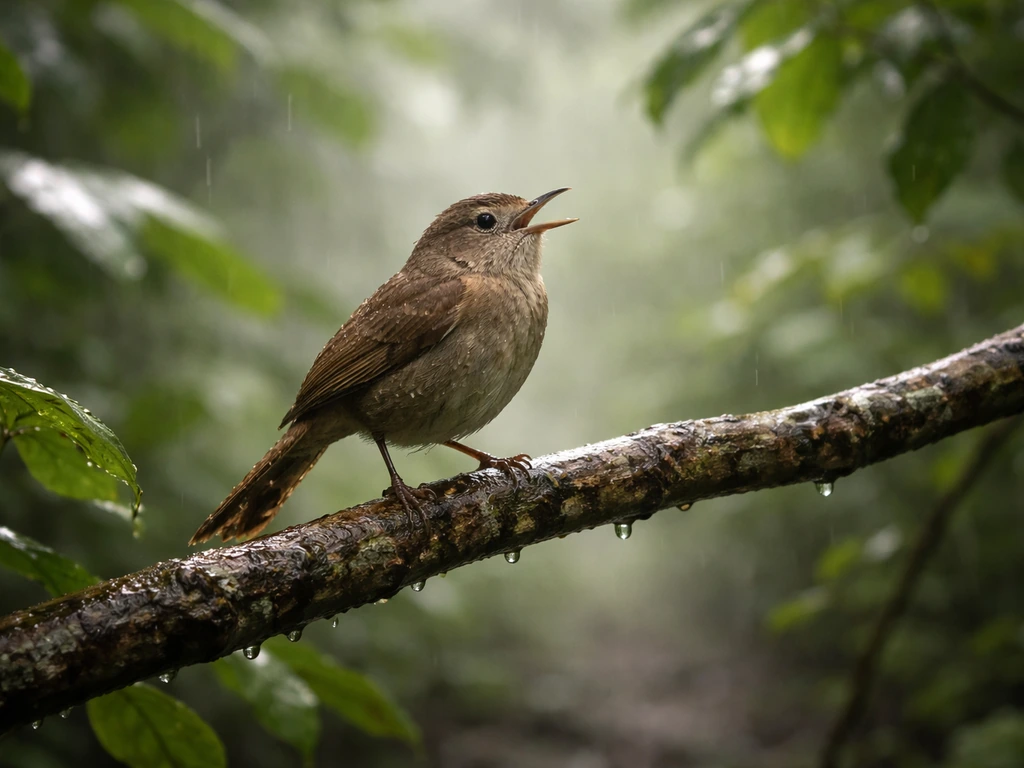
The "calls the rains" belief is the most repeated piece of yigüirro folklore, and it holds up behaviorally. The bird genuinely does sing more actively as temperatures and humidity shift ahead of the wet season. Whether you interpret that as prediction or coincidence, farmers noticed it for generations before any law was written.
- The yigüirro is resident throughout Costa Rica from the lowlands up to about 2,450 meters elevation, making it one of the most widely distributed birds in the country.
- Despite looking plain brown, the clay-colored thrush produces one of the most complex and sustained songs of any common Central American species.
- It belongs to the same family (Turdidae) as the American robin, which is why visitors from North America often recognize the general shape and movement style immediately.
- The species is common across Middle America, but Costa Rica is the country most strongly associated with it culturally.
- The yigüirro is frequently used in Costa Rican school curricula and national symbol lessons, with the song and the rain-calling story being the central teaching points.
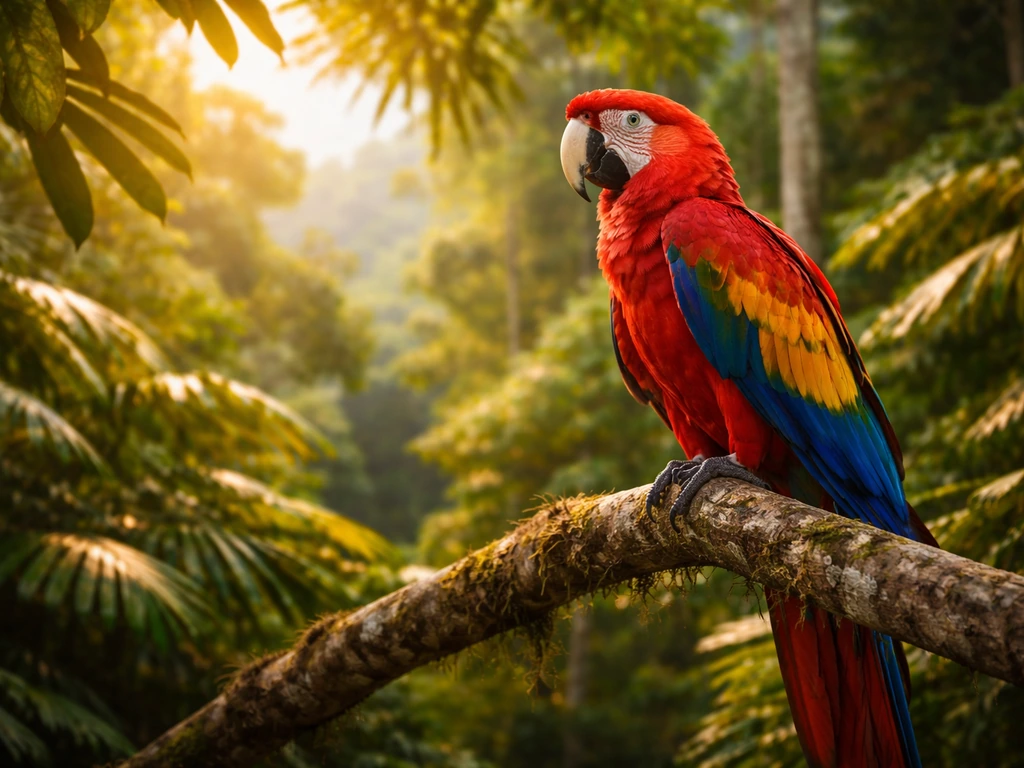
If you are interested in how neighboring nations approach this kind of symbolism, it is worth comparing choices across the region. Honduras's national bird, the scarlet macaw, represents a very different set of values: brilliance, tropical grandeur, and visual drama. The yigüirro is almost the philosophical opposite, chosen for its voice and its ordinariness.
What to expect if you go looking for one
Finding the yigüirro in Costa Rica is genuinely easy, which is part of its charm as a national symbol. You do not need to hike deep into a reserve or hire a specialist guide. The bird is common in gardens, agricultural areas, forest edges, and urban green spaces across a huge elevation range, from sea level all the way up to around 2,450 meters.
If you are planning a broader birding trip, general resources suggest that the December-through-June window covers peak birdwatching conditions for many Costa Rican species. For the yigüirro specifically, the most rewarding time to listen for its song is in the weeks leading up to the start of the rainy season, typically April and May, when the birds are most vocally active. Hearing it in full song is a genuinely memorable experience, even if you are not a birder.
When you spot one, look for a medium-sized, uniformly brown thrush with slightly paler underparts and a faint streaking on the throat. The bill is yellowish-green. It forages on the ground a lot, flipping through leaf litter in a way that again calls to mind the familiar American robin. The Macaulay Library at Cornell has an extensive photo and audio archive for Turdus grayi with records from Costa Rica specifically, which makes it a great resource for getting your eye and ear in before you travel.
How the yigüirro fits into the bigger picture of Central American national birds
Part of what makes national birds interesting is comparing the logic behind each country's choice. Costa Rica went with a common, songful bird tied to agriculture and the seasons. Other Central American nations took different paths entirely. El Salvador's national bird, the turquoise-browed motmot, was chosen for its beauty and its presence in pre-Columbian art. Nicaragua's national bird, the turquoise-browed motmot as well, shares the same logic of visual distinctiveness over cultural familiarity.
Costa Rica's choice stands out precisely because it bucked the trend toward exotic, colorful species. The yigüirro is the kind of bird that rewards patience and listening over photography and spectacle. For a country that has built much of its identity around ecological care and pura vida, that seems like a very deliberate fit.
A quick reference summary
| Detail | Information |
|---|
| Common name | Clay-colored thrush |
| Local name | Yigüirro |
| Scientific name | Turdus grayi |
| Official law | Ley 6031 |
| Date designated | January 3, 1977 |
| Administration | President Daniel Oduber Quirós |
| Key figures | Poet Eliseo Gamboa, Deputy Deseado Barboza |
| Primary symbolism | Song, arrival of the rainy season, common identity |
| Elevation range in Costa Rica | Lowlands to ~2,450 m |
The yigüirro is a bird that rewards knowing the story. Walk through almost any part of Costa Rica during the dry-to-wet transition and you will likely hear it before you see it. That song, the one that has been calling the rains for as long as anyone can remember, is exactly why it is on the flag of Costa Rican national identity, even if it is not on the flag itself.