Grenada's national bird is the Grenada Dove, known scientifically as Leptotila wellsi. That name is locked in by law: Grenada's National Emblems and National Anthem of Grenada (Regulation) Act (Chapter 203A) explicitly defines the "National Bird" as the "Grenada Dove." So if you've seen different names floating around on generic lists, the Grenada Dove is the one that counts.
What Is the Name of Grenada National Bird? Facts

Marcus Chen
13 May 2026
Why the Grenada Dove was chosen
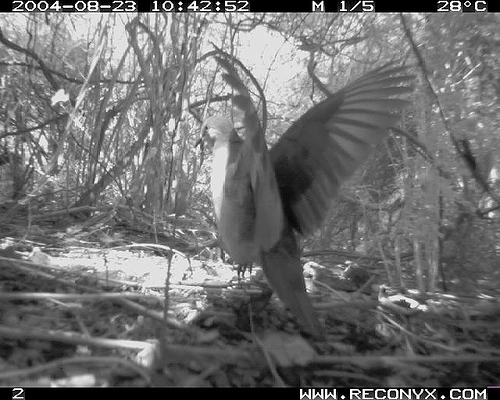
The Grenada Dove isn't just a pretty bird that happened to be nearby when someone needed a symbol. It exists nowhere else on Earth. The species is entirely endemic to the island of Grenada, which makes it a genuinely unique representative of the nation. Choosing a bird that you literally cannot find anywhere else in the world is a strong statement: this is ours, it belongs here, and it stands for Grenada alone.
The dove also carries the kind of symbolism that works well for a national emblem. Doves broadly represent peace and gentleness, and the Grenada Dove specifically carries an added layer of meaning because of how rare and fragile it is. Protecting it has become a national conservation mission, turning the bird into a living symbol of environmental responsibility alongside its ceremonial role.
You can even find the bird worked into the country's coat of arms, where a Grenada Dove appears in the heraldic shield design. That kind of formal heraldic inclusion signals how deeply embedded it is in Grenada's official identity, well beyond just being listed on a national symbols page.
The bird's history and how it became a national symbol
Before it became the Grenada Dove, this species had two older common names: the Pea Dove and Well's Dove (the latter a nod to its scientific name, Leptotila wellsi). The Government of Grenada's own National Symbols page acknowledges this naming history directly, noting it was "originally known as the Pea Dove or Well's Dove" before becoming the national bird.
The species has a tough conservation history tied to Grenada's land use. Researchers from Bird Conservation International have documented that much of the dove's original forest habitat was cleared historically for sugarcane production, which pushed the population down sharply. By the time the bird gained official recognition as a national symbol, it was already critically rare, and that designation came with a real conservation mission attached.
Hartman National Park was established in part specifically to protect the Grenada Dove's remaining habitat. The Government of Grenada identifies the park as a key protected area for this endemic species, showing that the national-bird status isn't just symbolic decoration but is directly connected to active conservation policy.
What the Grenada Dove actually looks like and where it lives
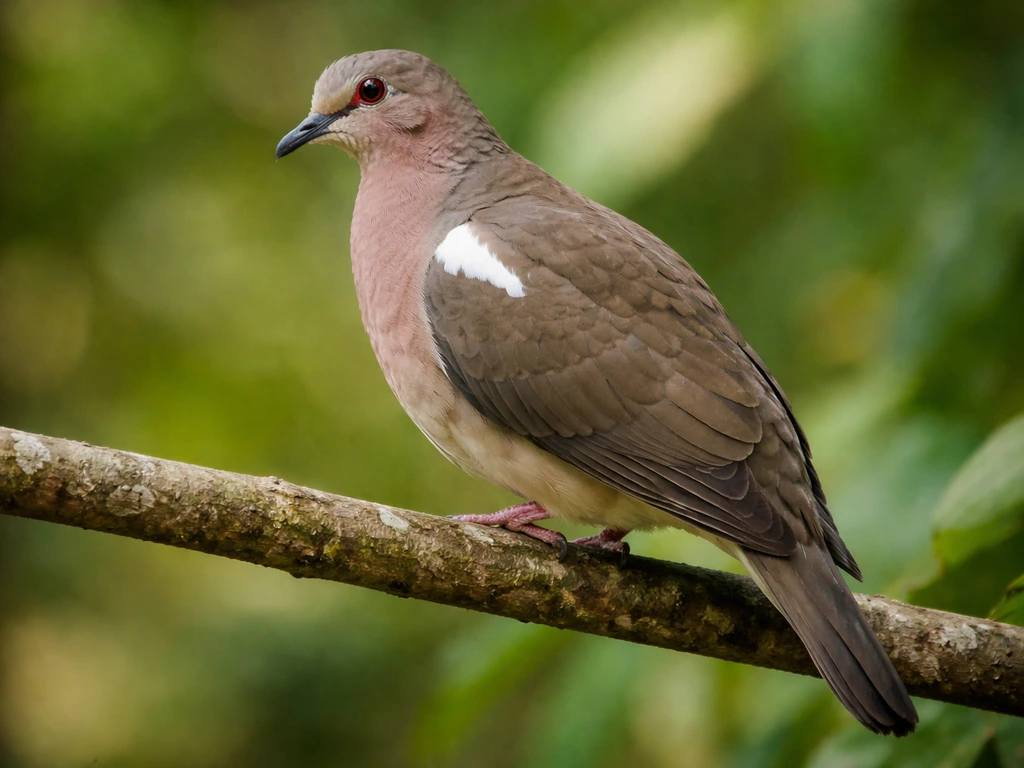
The Grenada Dove is a medium-sized bird, measuring roughly 26 to 31 cm in length and weighing around 200 grams. One of its most distinctive features is a white shoulder stripe that sets it apart visually from other Caribbean doves. If you're trying to identify it in the field, that stripe is the thing to look for.
In terms of habitat, the dove is highly specific in what it needs. It depends on dry coastal and mixed deciduous forest, particularly areas with thorny leguminous trees including Haematoxylum, Bursera, and Leucaena. BirdsCaribbean describes its preference for dry forest near the sea, which narrows its range down considerably even within Grenada itself.
The population numbers are genuinely alarming. BirdsCaribbean's species handout puts the total world population at only around 160 individuals. Because the bird exists only on Grenada, the entire global population is concentrated on one small island, making it one of the rarest doves on the planet and a flagship species for Caribbean conservation efforts.
A few standout facts worth knowing
- It is the only place on Earth you can find this species: the Grenada Dove is 100% endemic to Grenada.
- Its scientific name, Leptotila wellsi, honors the "Wells" in its older common name, Well's Dove.
- The dove is classified as Critically Endangered by BirdLife International, making it one of the world's most threatened doves.
- It appears in Grenada's coat of arms, giving it both legal and heraldic official status.
- Hartman National Park was established in part to preserve its remaining dry forest habitat.
- The white shoulder stripe is the easiest field identification marker to distinguish it from related Caribbean species.
How to verify this for yourself
Generic "national birds of the world" lists online are notoriously inconsistent. Wikipedia’s summary of Trinidad and Tobago’s national symbols lists national birds including the Scarlet Ibis and the Cocrico (described as the rufous-tailed chachalaca) blank" rel="noopener noreferrer">Generic "national birds of the world" lists online are notoriously inconsistent.. If you are also checking another country like Trinidad and Tobago, you can use the same approach for the national bird of Trinidad and Tobago by going to primary sources rather than generic lists. They mix up common names, use outdated taxonomy, or simply repeat errors from other lists. If you want to confirm Grenada's national bird with confidence, go straight to primary sources.
- The Government of Grenada's official National Symbols page names the Grenada Dove directly and provides conservation context.
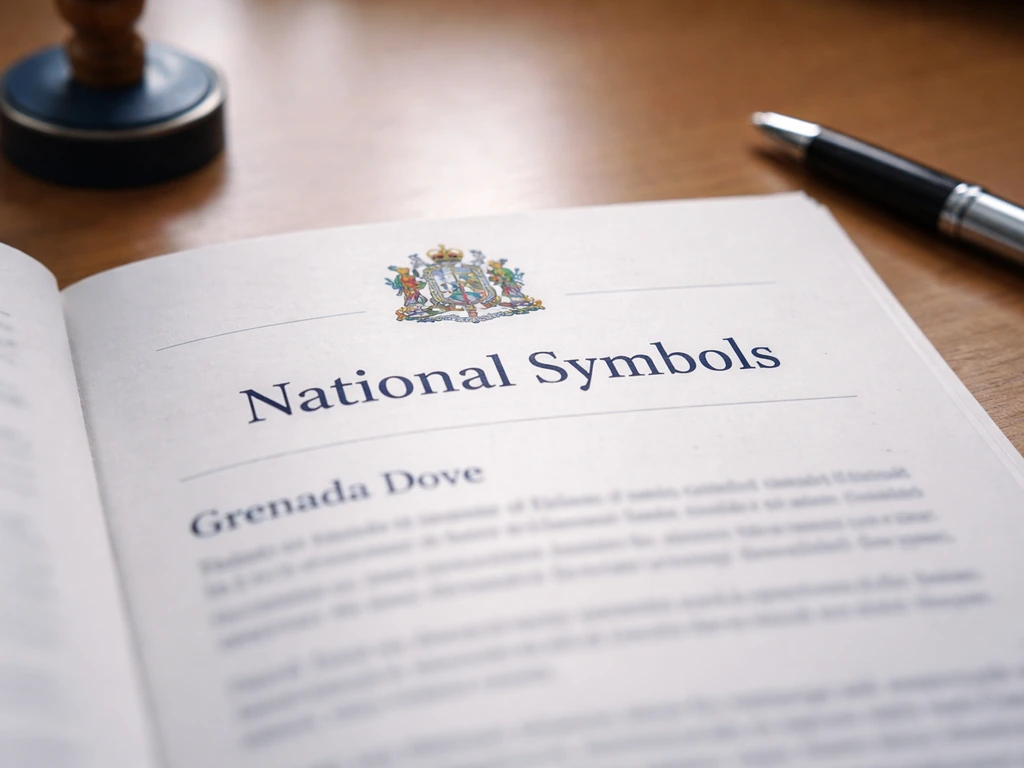
- Chapter 203A of Grenada's laws (the National Emblems and National Anthem of Grenada (Regulation) Act) legally defines the National Bird as the Grenada Dove. This is the most authoritative source possible.
- The U.S. Fish and Wildlife Service species profile uses the common name "Grenada Dove" and the scientific name Leptotila wellsi, giving you the internationally recognized taxonomy.
- BirdLife International's datazone, Cornell Lab of Ornithology's Birds of the World, and the Grenada Biodiversity Hub all use the same name consistently: Grenada Dove (Leptotila wellsi).
- GBIF lists Leptotila wellsi with any recorded synonyms, which helps if you've seen alternative naming in older literature.
The short version: if a list calls it something other than the Grenada Dove, it's either using an outdated name (Pea Dove or Well's Dove) or it's just wrong. Both the legal text and every major ornithological authority agree on "Grenada Dove" as the correct common name, with Leptotila wellsi as the scientific name.
How Grenada's national bird fits into the Caribbean picture
Caribbean nations tend to pick national birds that reflect something genuinely local and distinctive, and the Grenada Dove fits that pattern perfectly. Compare it with nearby nations: Trinidad and Tobago actually has two national birds, the Scarlet Ibis and the Cocrico (also known as the Rufous-tailed Chachalaca), which reflects the country's two-island makeup and biodiversity. The hummingbird is not the national bird of Trinidad and Tobago.
Saint Lucia went with the Saint Lucia Parrot (Amazona versicolor), declared the national bird in 1979 and enshrined in wildlife legislation by 1980, again an endemic species that exists nowhere outside that island. St Lucia's national bird is the St Lucia Parrot (Amazona versicolor). Guyana's national bird, the Canje Pheasant (Hoatzin), is equally distinctive and tied to a specific regional environment.
What stands out about the Grenada Dove compared to many of these is its critically endangered status. Most national birds are chosen partly because they're visible and recognizable to residents. The Grenada Dove is the opposite: most Grenadians will never see one in the wild. That rarity actually adds to its power as a symbol, turning every sighting into something meaningful and making conservation efforts feel genuinely urgent rather than routine.
Across the Caribbean, national birds serve as conservation anchors, giving governments and communities a flagship species to rally around. The Grenada Dove is one of the most compelling examples of that dynamic anywhere in the region.
FAQ
Why do some websites list a different name for Grenada’s national bird?
Many generic lists use older or informal common names, even after the country’s official designation. In Grenada’s case, the dove was previously called the Pea Dove or Well’s Dove, so mismatches often come from outdated naming rather than a different species.
Is the Grenada Dove the same as a “Well’s Dove” or “Pea Dove” I might see in bird guides?
They refer to older common names for the same bird species, Leptotila wellsi. If a guide uses Well’s Dove, it is usually using historical naming, not a different national-bird choice.
What is the official scientific name of Grenada’s national bird?
Leptotila wellsi. The national-bird designation focuses on the common name, but the scientific name helps confirm you are looking at the correct species, especially when common names vary across regions.
Is the Grenada Dove the only bird used on Grenada’s national coat of arms?
No. The dove appears in the heraldic shield design as part of the coat-of-arms imagery, but it is not the only element. The key point is that the dove is formally included in the heraldic shield, showing official status beyond a simple symbol list.
Where in Grenada is the Grenada Dove most likely to be found, if I’m trying to see one?
It is strongly tied to dry coastal and dry mixed deciduous forest, especially areas with thorny leguminous trees (such as Haematoxylum, Bursera, and Leucaena). That means many parts of the island are less likely to have suitable habitat even if they look “forest-like.”
Does the national bird status affect where conservation resources go?
Yes. Hartman National Park was established in part to protect the dove’s remaining habitat, so the emblem is directly connected to on-the-ground habitat protection rather than being purely ceremonial.
How rare is the Grenada Dove globally?
It is extremely rare, with estimates placing the world population at roughly 160 individuals. Because the species is endemic to Grenada, that entire global population is effectively concentrated on one island, which raises the stakes for habitat loss.
Why is the Grenada Dove such a powerful symbol if most people never see it in the wild?
Its scarcity makes it a high-impact emblem. When a species is rarely encountered, each sighting becomes a conservation event, and the symbolism naturally reinforces urgency for protecting the remaining habitat.
If I want to verify a national bird claim, what should I check first?
Start with primary, official materials for the country (law, government national symbols pages, and official heraldic references). Generic “national birds” collections often repeat errors, mix up common names, or rely on outdated taxonomy.
Can the Grenada Dove be confused with other Caribbean doves?
Yes, visually it can be mistaken for other dove species unless you look for distinctive traits. A key field marker is the white shoulder stripe, which helps separate it from other Caribbean doves with similar overall shapes.
Next Articles
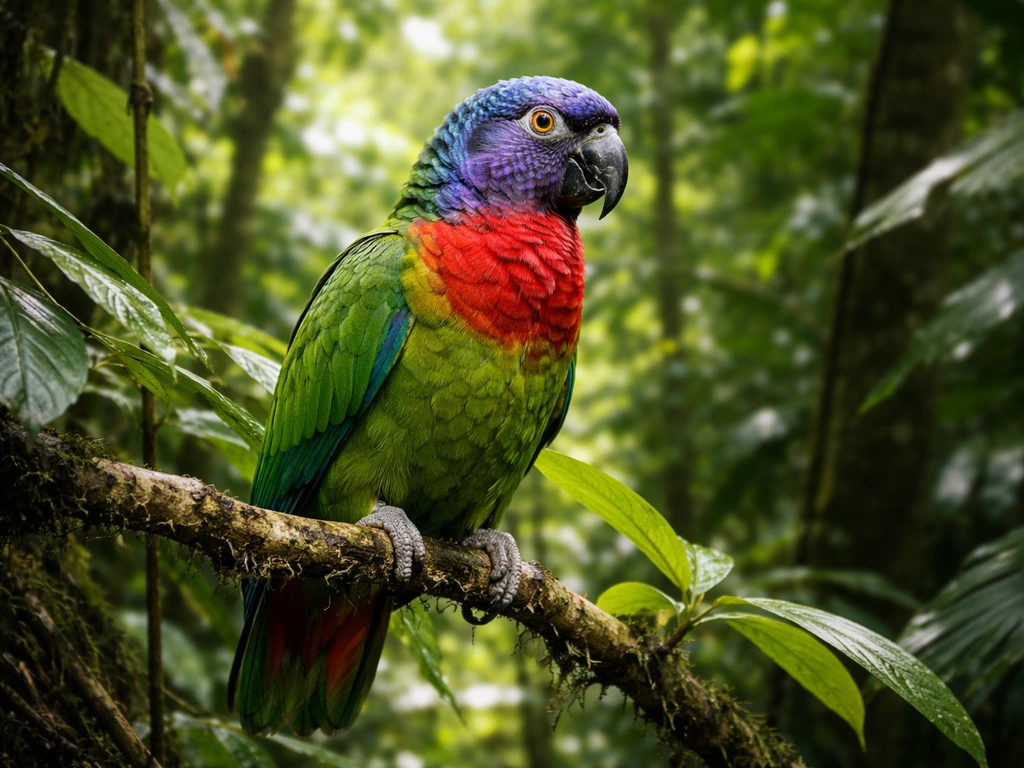
What Is the National Bird of St Lucia? Key Facts and Meaning
Discover St Lucia’s national bird, how to recognize it, and the symbolism behind the island’s official choice.
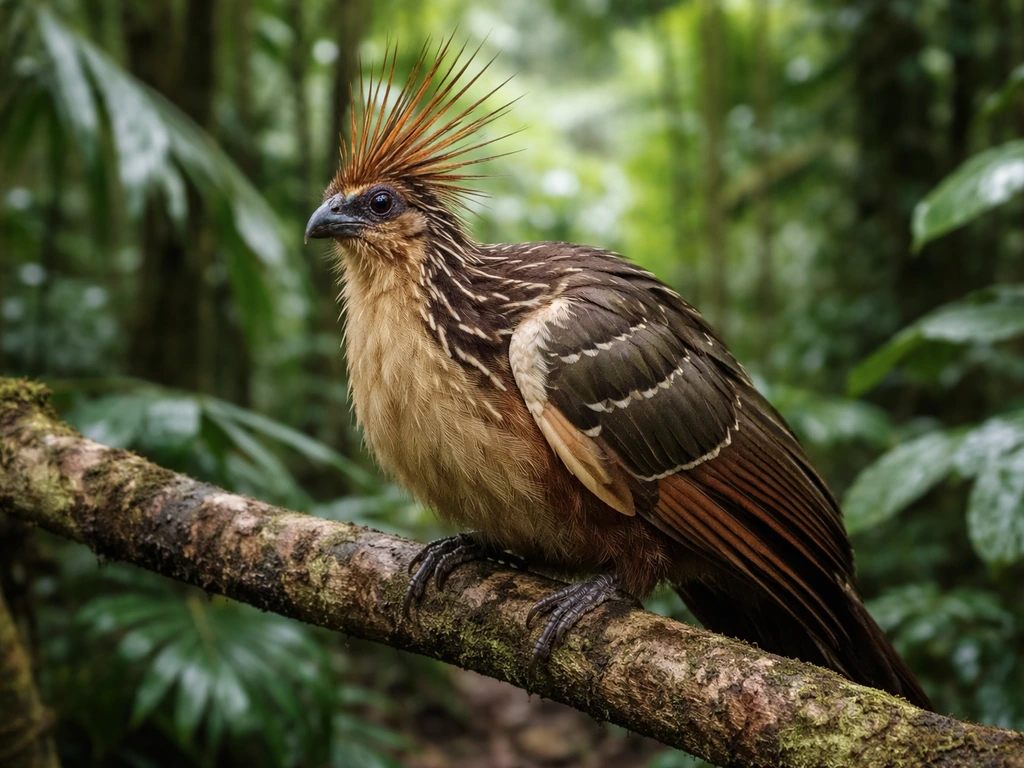
What Is the National Bird of Guyana? Meaning and Facts
Find Guyana’s national bird, the Hoatzin, plus its emblem meaning, history, traits, and how to verify the claim.
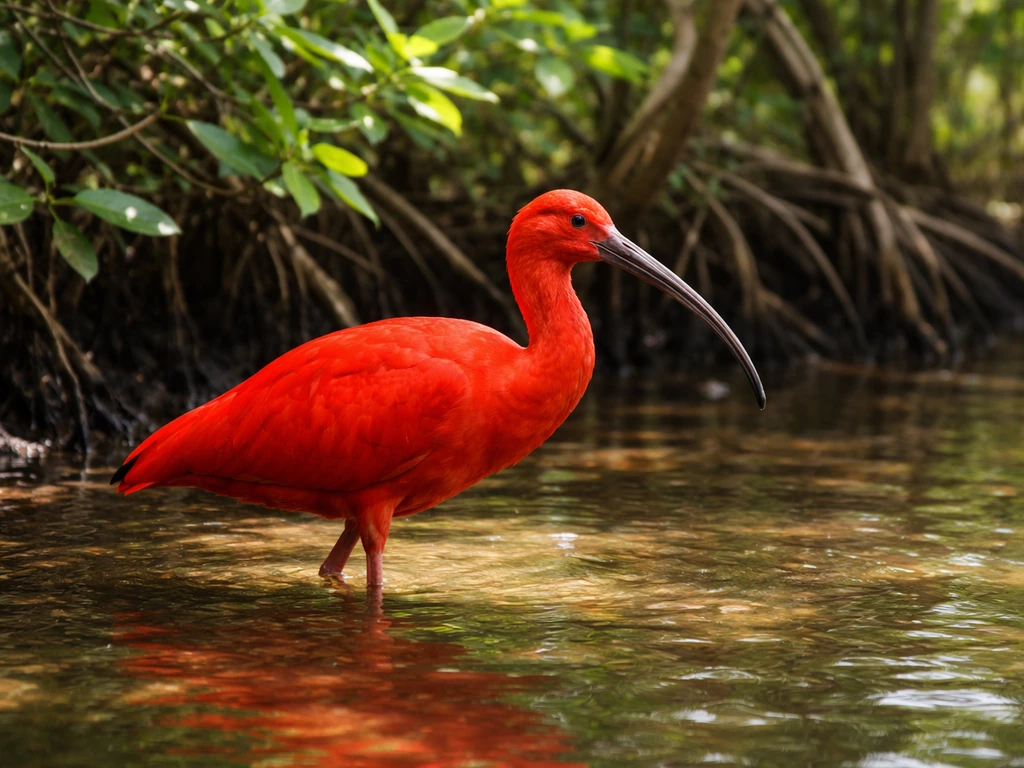
What Is the National Bird of Trinidad and Tobago?
Discover Trinidad and Tobago’s national bird, the Scarlet Ibis, plus its symbolism, history, and cultural significance.