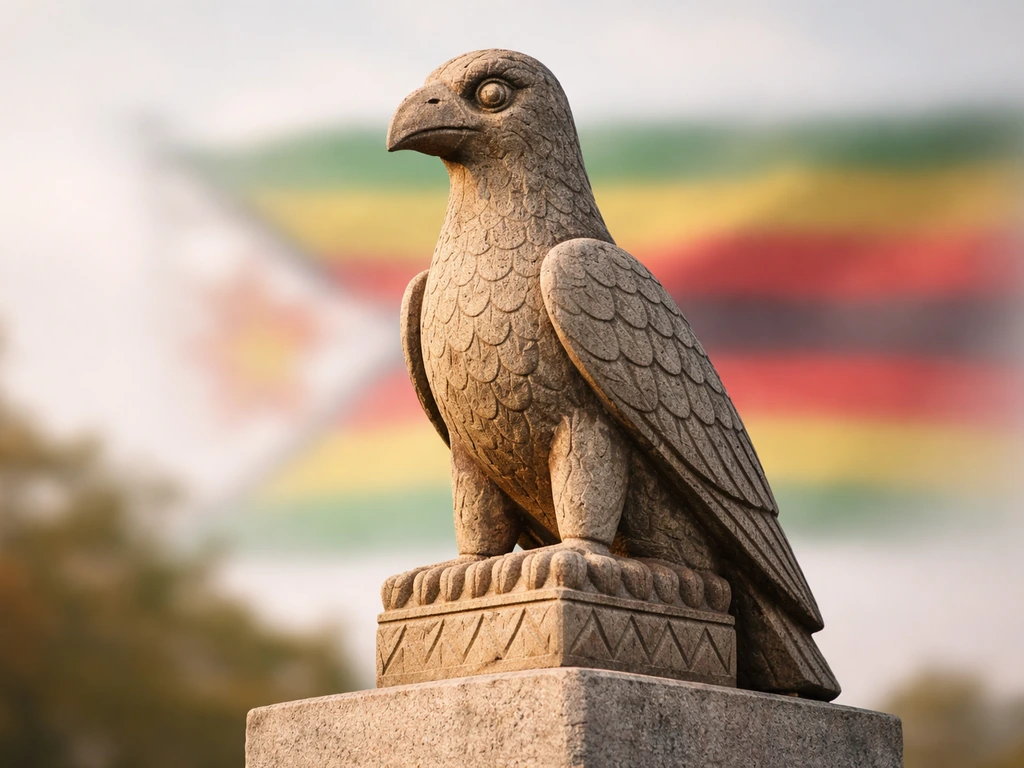
Denmark's national bird is the mute swan
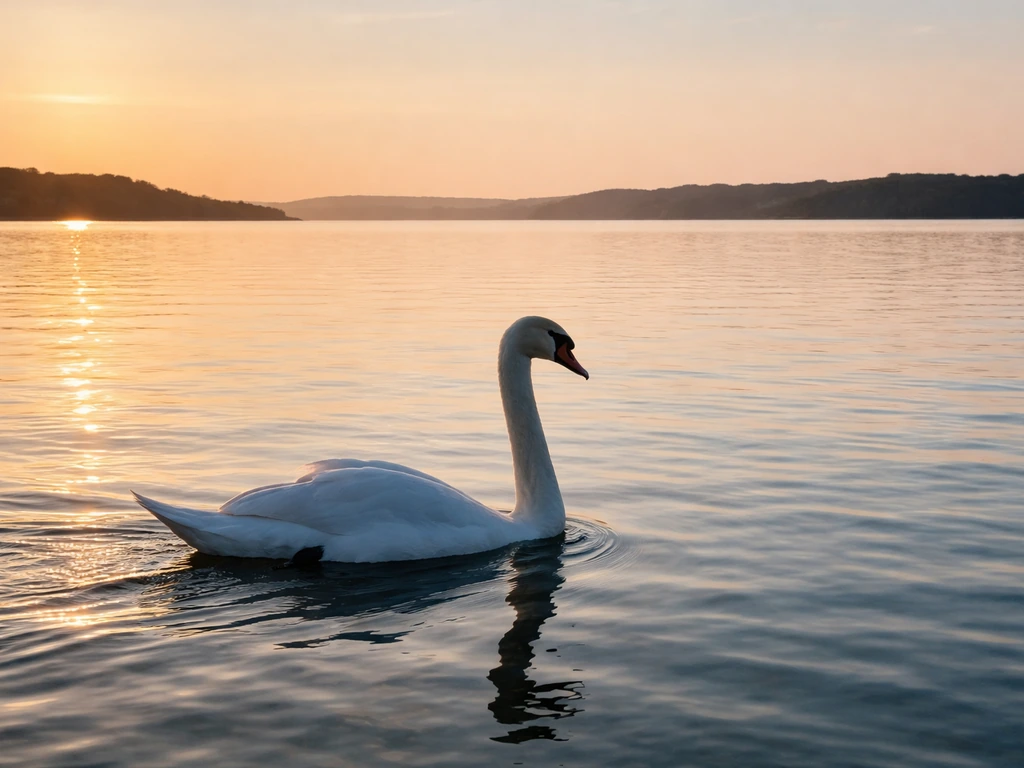
The national bird of Denmark is the mute swan, known in Danish as blank" rel="noopener noreferrer">knopsvanen and scientifically as Cygnus olor. Naturporten states that the knopsvane, the mute swan, is Denmark’s national bird blank" rel="noopener noreferrer">knopsvanen er Danmarks nationalfugl. It has held this title since 1984, when it replaced the skylark (sanglærken, Alauda arvensis), which had been Denmark's national bird since 1960. So if you've seen different answers floating around online, that's why: both birds have a legitimate claim to the title at different points in history. The mute swan is the current and correct answer. The national bird of Scotland is different from Denmark’s, so it is worth checking a reliable source for the specific designation.
Official designation or cultural symbol? What 'national bird' actually means here
It's worth clearing something up before going further. Denmark's national bird is not enshrined in constitutional law the way a coat of arms or national flag would be. The designation comes from an educational and cultural process rather than formal state legislation. The original 1960 designation was made by the Danish Ministry of Education, which gives it genuine official weight. The 1984 switch came through a public vote aired on Danish Radio television. That might sound informal, but the result is recognized and cited by Naturstyrelsen (Denmark's Environment Agency), which is the country's authoritative environmental body, making the mute swan a widely accepted and institutionally acknowledged national symbol.
Think of it the way many countries treat their national birds: it's a culturally embedded symbol used in education, nature communication, and national identity rather than a legal emblem. Denmark's mute swan sits firmly in that category, and you'll find it described as the national bird in Danish encyclopedias, government FAQ pages, and school resources without any serious dispute.
Getting to know the mute swan (Cygnus olor)
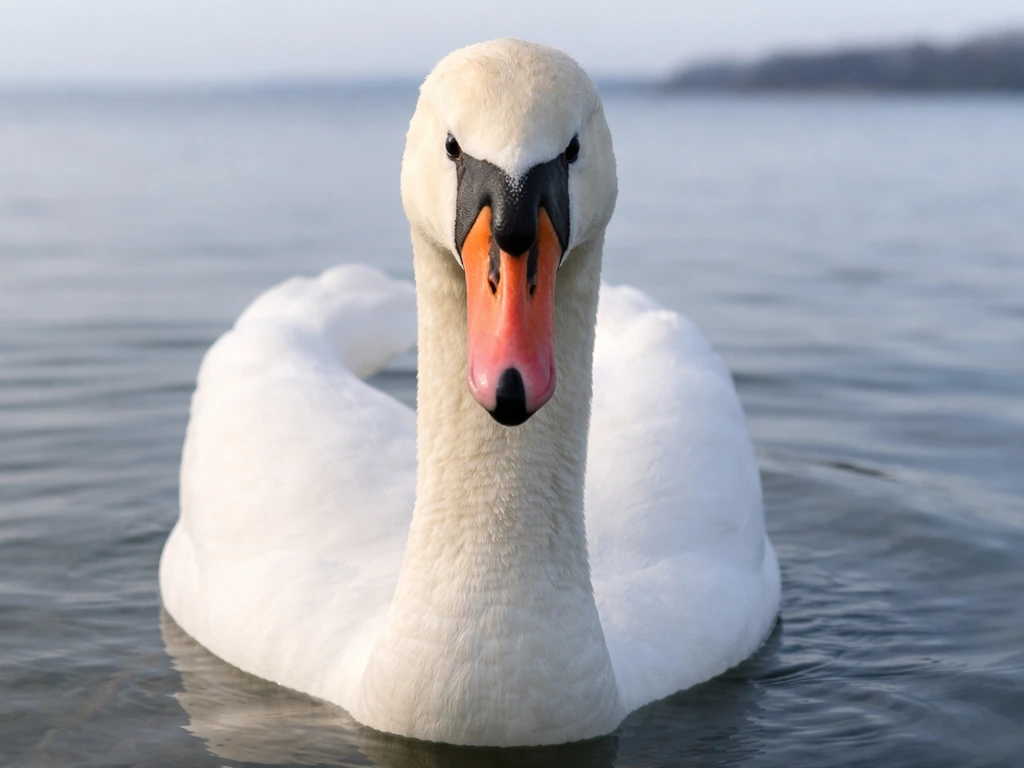
The mute swan is Denmark's largest bird. If you've ever seen a large, all-white bird gliding across a lake or fjord with a distinctive orange-red bill, this is almost certainly it. The bill has a characteristic black knob at its base, which is one of the easiest field marks to look for and distinguishes it from other swan species.
- Scientific name: Cygnus olor
- Danish name: Knopsvane (meaning 'knob swan', referring to the bill knob)
- Size: Denmark's largest bird species
- Plumage: Almost entirely white in adults
- Bill: Orange with a prominent black knob at the base
- Sound: Despite the name 'mute', the wingbeats produce a loud, rhythmic sound audible from far away
- Habitat: Lakes, fjords, coastal areas, and inland waterways across Denmark
- Seasonality: Present year-round, with numbers swelling in winter as birds arrive from northern and eastern Europe to overwinter along Denmark's low-lying coastal areas
One thing that often surprises people is the 'mute' label. The bird does make some hissing and grunting sounds, but what really announces its presence is the deep, throbbing pulse of its wingbeats. You can hear a mute swan flying toward you well before you see it. That combination of visual grace and audible power fits well with Denmark's landscape of open water and coastline.
How Denmark ended up with two national birds
In 1960, the Danish Ministry of Education designated the skylark (Alauda arvensis) as Denmark's national bird. The skylark is a small, brown, ground-nesting bird famous for its soaring song flights. It had strong cultural ties to the Danish countryside and featured in literature and folk tradition, so the choice made sense at the time.
Then, in 1984, Danish Radio ran a public vote as part of the popular TV nature program 'Dus med dyrene' (roughly translating to 'Familiar with the Animals'), presented by Poul Thomsen. Viewers were asked to choose a new national bird, and the response was massive. The mute swan won the vote with 123,336 votes, comfortably ahead of other contenders. That level of public participation gave the result real democratic legitimacy, and the mute swan has been recognized as Denmark's national bird ever since.
Naturstyrelsen, Denmark's Environment Agency, records this vote and its result on their official FAQ page about national plants and animals, which is as close to an authoritative state record as this kind of designation gets in Denmark.
What the mute swan means to Denmark
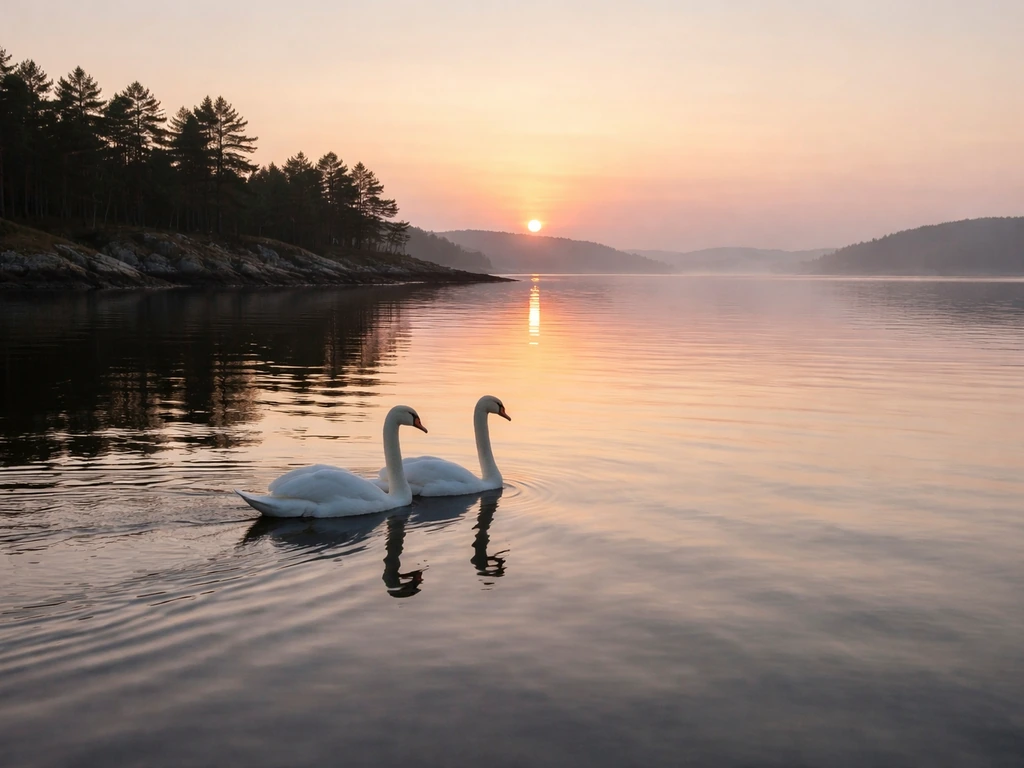
The mute swan is deeply woven into Danish culture and landscape. Denmark's geography, a peninsula and over 400 islands surrounded by the sea with countless lakes, fjords, and river mouths, makes it prime swan habitat. The bird isn't just present in nature; it's a recurring image in Danish art, literature, and daily life.
The most famous connection is Hans Christian Andersen's fairy tale 'The Ugly Duckling', where the central character is ultimately revealed to be a swan. Andersen was Danish, and the story is widely interpreted as a reflection on transformation, belonging, and finding one's true nature. The swan became a symbol of beauty, grace, and national pride long before the 1984 vote made it official.
Beyond folklore, the mute swan represents something practical about Danish identity too. It's a bird that thrives in Denmark's specific environment, visible to ordinary people in parks, harbors, and countryside waterways every day. It's not an exotic or rare creature chosen for dramatic effect; it's genuinely embedded in the everyday Danish landscape. That accessibility is part of what gave the public vote such strong participation and why the result has stuck.
How this compares to other Scandinavian and European national birds
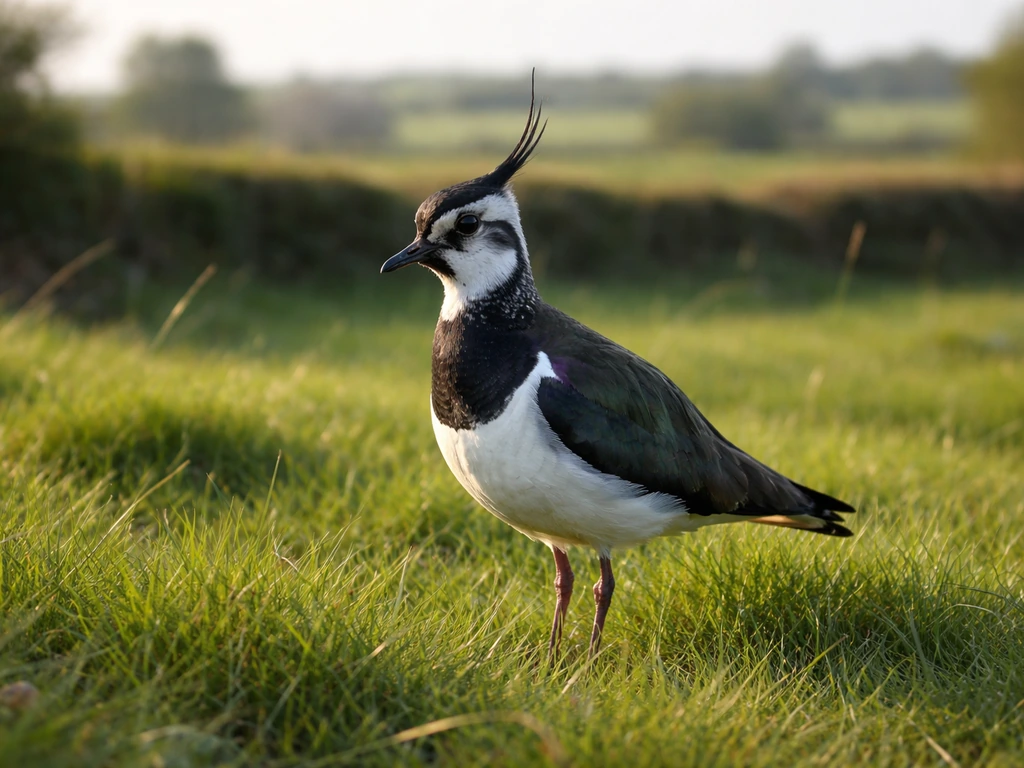
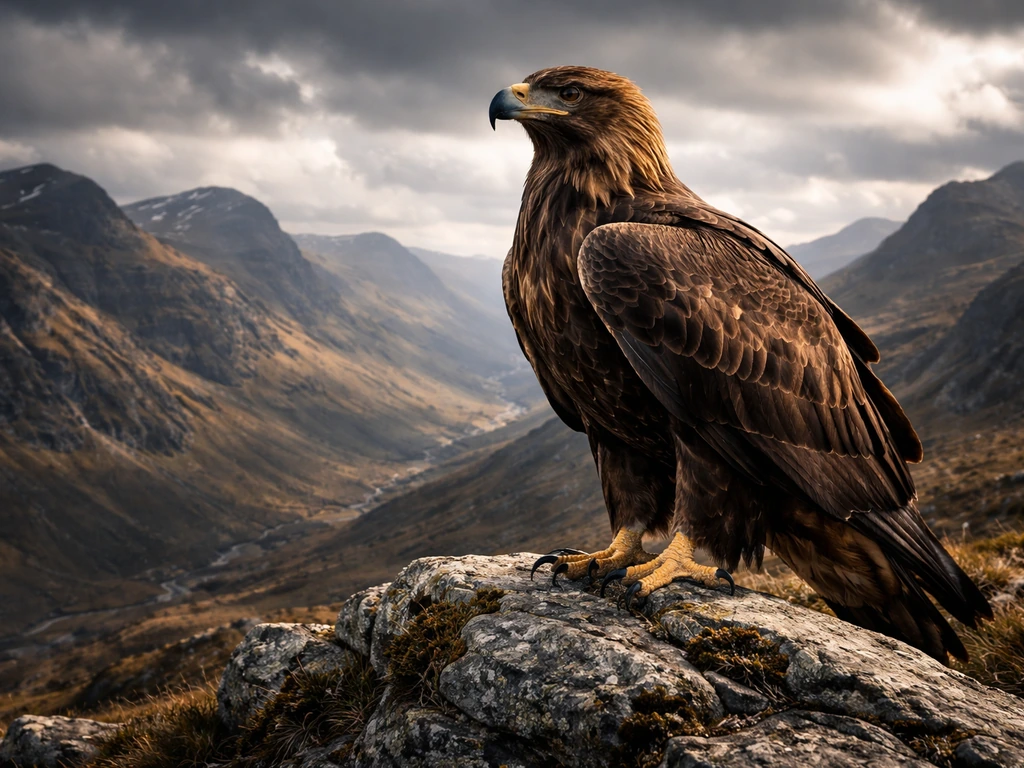
Denmark's choice of a large, iconic waterbird fits a broader European pattern of nations choosing birds that reflect their natural environment and cultural heritage. Iceland's national bird, for example, is the gyrfalcon, a bird tied to Norse mythology and Arctic wilderness. Ireland's national bird is the northern lapwing, a farmland species tied to the Irish countryside. Scotland's is the golden eagle, chosen for its power and connection to the Scottish Highlands. Switzerland leans toward alpine species in its cultural imagery. If you are wondering what is the national bird of switzerland, the answer is another example of how a country's landscape shapes its cultural choices.
What makes Denmark's process stand out is the democratic element: a public TV vote with over 120,000 participants deciding the winner. That's unusual in the world of national bird designations, most of which are decided by government committees or simply inherited through tradition.
Fun facts worth knowing
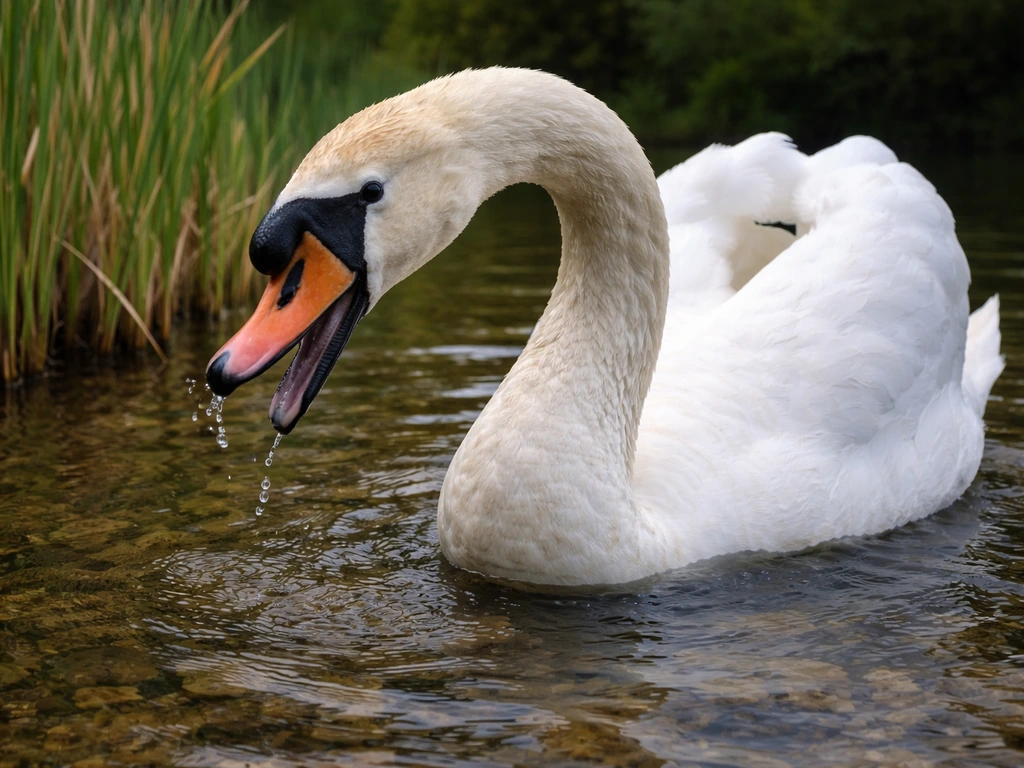
- The mute swan (Cygnus olor) is not actually mute: it hisses, grunts, and makes a loud honking sound when threatened, plus its wingbeats are audible from a long distance.
- Denmark's first national bird, the skylark, held the title from 1960 to 1984, meaning it had the designation for 24 years before the mute swan took over.
- The 1984 public vote on 'Dus med dyrene' drew 123,336 votes for the mute swan, making it one of the more democratically decided national bird selections in the world.
- The Danish name 'knopsvane' directly refers to the distinctive black knob on the bird's bill, making it one of the more descriptively accurate common names for any national bird.
- Hans Christian Andersen's 'The Ugly Duckling' (1843) features a swan as the hero, connecting Denmark's most famous author to its national bird well over a century before the official vote.
- Mute swans are year-round residents in Denmark, but winter populations increase significantly as birds from further north and east arrive along the coasts.
- Denmark is one of the few countries whose national bird was chosen through a live, nationally broadcast public television vote.
Where to verify and keep learning
If you want to confirm everything here with primary Danish sources, Naturstyrelsen's FAQ page on national plants and animals (Nationalplanter og -dyr) is the best starting point. It records the 1984 vote, the program name, and the vote totals. Lex.dk, Denmark's national encyclopedia, covers both the 1960 skylark designation and the 1984 mute swan replacement in a clear timeline under the entries for 'nationalfugl' and 'knopsvane'. For species identification, Naturbasen lists Cygnus olor under 'knopsvane' with photos and seasonal data, and Fuglelex.dk provides practical field identification notes including the bill knob and audible wingbeats.
For anyone exploring national birds more broadly, Denmark's mute swan is a useful case study in how national symbols are chosen, changed, and embedded in a country's identity. If you're wondering about Switzerland's national bird, the answer is the golden eagle. The combination of a formal 1960 government designation, a democratic 1984 public vote, and a cultural backstory rooted in Hans Christian Andersen gives it more layers than most.