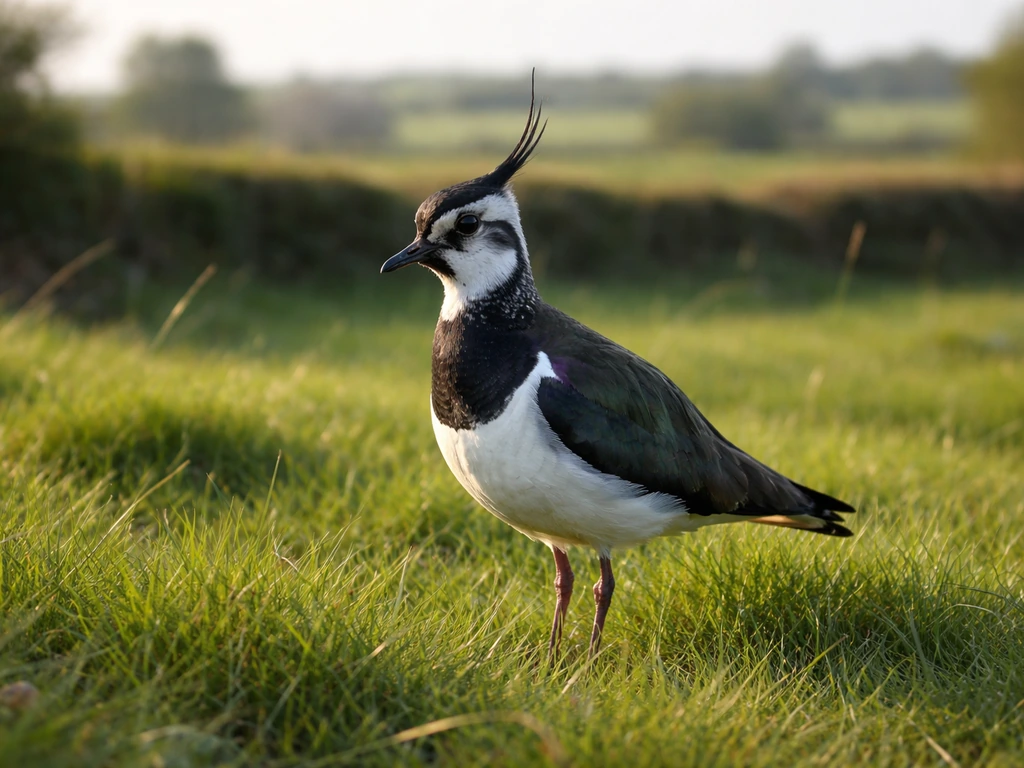
Ireland's national bird is the Northern Lapwing
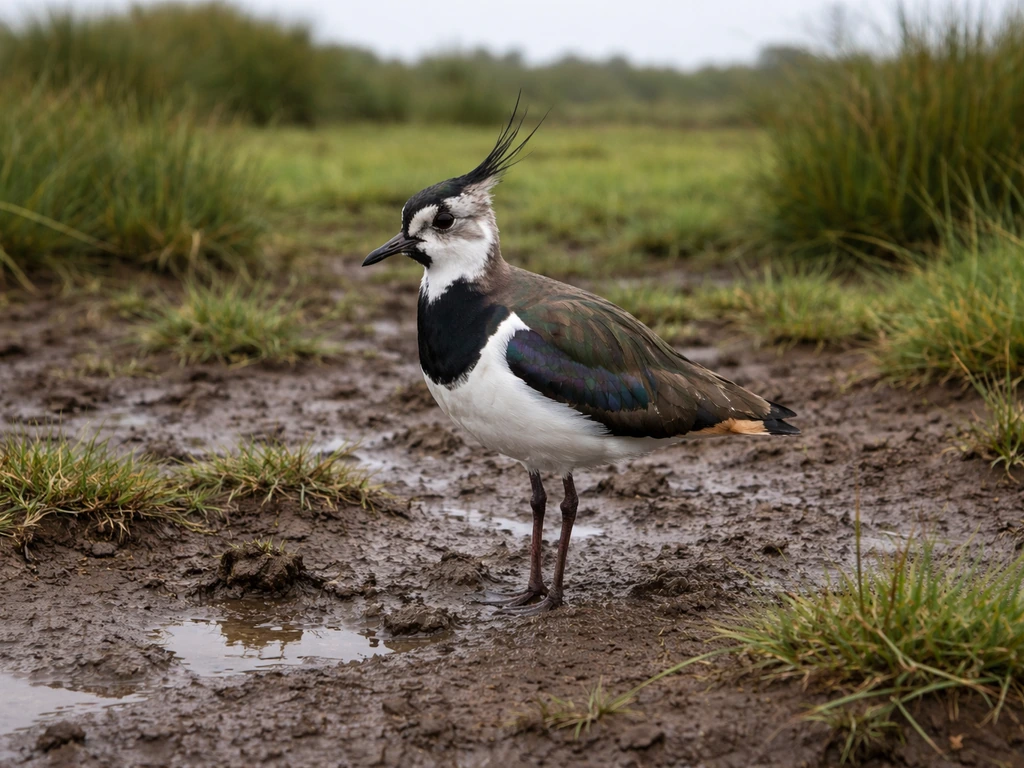
The national bird of Ireland is the Northern Lapwing, known in Irish as the "Pilibín" (also written "Pilibín Glas"). If you've seen different answers floating around online, that's understandable, but the lapwing is the bird that has been consistently recognised as Ireland's national bird across government agencies, conservation bodies, and cultural programmes. Here's what you need to know.
Official status vs. commonly cited claims
Here's the honest truth: Ireland does not have a national bird enshrined in law. There is no act of the Oireachtas or government decree that formally designates the lapwing as the national bird. What happened instead is that in 1990, a committee of the Irish Wildbird Conservancy (now known as BirdWatch Ireland) declared the Northern Lapwing the Republic of Ireland's national bird. That designation, while not legislated, has stuck firmly and is now widely cited by authoritative institutions.
Ireland's National Parks & Wildlife Service (NPWS), which is the state body responsible for wildlife, has openly stated: "Did you know that the Lapwing is Ireland's national bird?" Fáilte Ireland, the state tourism body, also lists the Northern Lapwing in institutional monitoring documents. The Creative Ireland Programme, a government cultural initiative, has even built arts programming around the lapwing as "Ireland's National Bird." So while the designation started with a conservation committee rather than a parliament, it has effectively become the accepted national bird.
This pattern of informal but widely adopted national bird designations is actually more common than you might think. Many countries have birds that were chosen through ornithological societies or cultural tradition rather than formal legislation. Ireland's situation is similar to several other European nations in this regard.
Why the lapwing? Symbolism and meaning
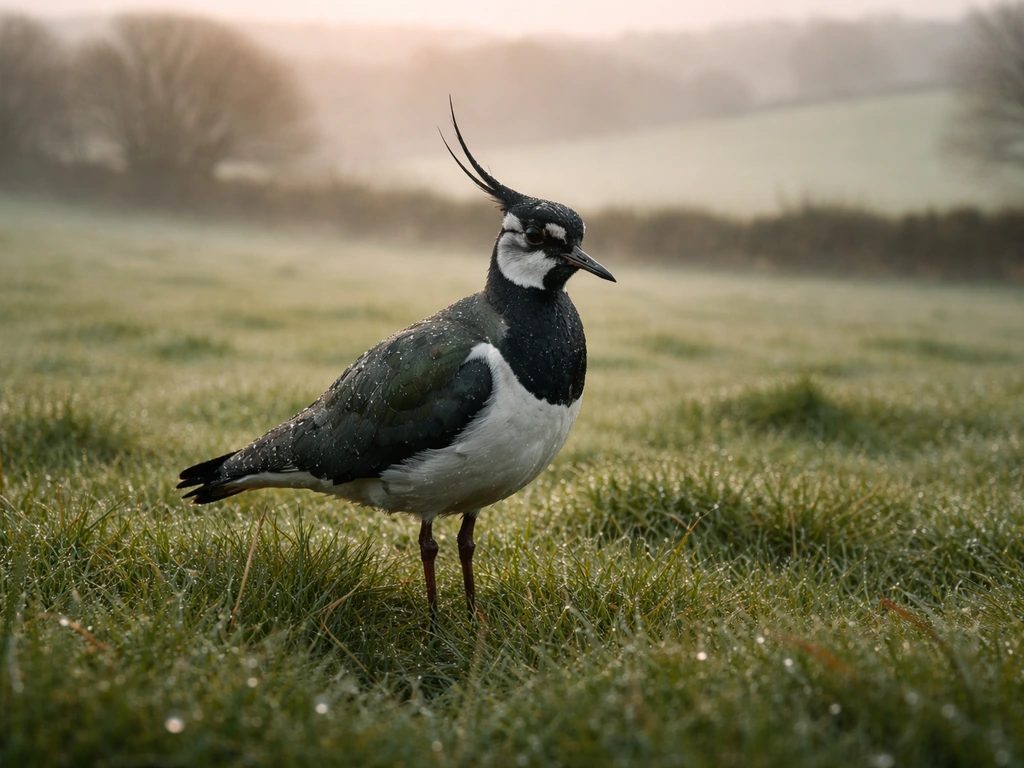
The lapwing is deeply woven into Irish rural life and folklore. Its Irish name "Pilibín" appears in traditional expressions, most notably "cleas an Philibín" which translates as "the Lapwing's trick." This phrase refers to the bird's famous distraction display, where it feigns injury to lead predators away from its nest. That clever, resilient behaviour made the lapwing a culturally resonant figure in Irish country life for centuries.
The bird is also a familiar sight across Irish farmland, wetlands, and coastal areas, which made it a natural representative of the Irish landscape. Unlike a rare or exotic species, the lapwing was something ordinary Irish people actually saw and knew, which gave it a grounded, authentic quality as a national symbol.
How the lapwing was selected in 1990
The selection process in 1990 was driven by the Irish Wildbird Conservancy, a volunteer-led organisation that later became BirdWatch Ireland. The committee assessed Irish birds for their cultural presence, ecological significance, and connection to the island's identity before settling on the lapwing. There was no national vote or public referendum, and the government was not directly involved. The choice was made within the conservation and ornithological community, but it gained broad acceptance over the following decades.
This mirrors how several other European national birds were chosen. Scotland's national bird, the golden eagle, also has a history of being adopted through cultural and conservation tradition rather than formal law. The process may feel less official than a parliamentary vote, but the result is the same: a bird that carries genuine national symbolism and is recognised by state institutions.
Key facts about the Northern Lapwing in Ireland
| Feature | Detail |
|---|
| Scientific name | Vanellus vanellus |
| Irish name | Pilibín (also Pilibín Glas) |
| Family | Charadriidae (plovers) |
| Size | Approx. 28–31 cm in length |
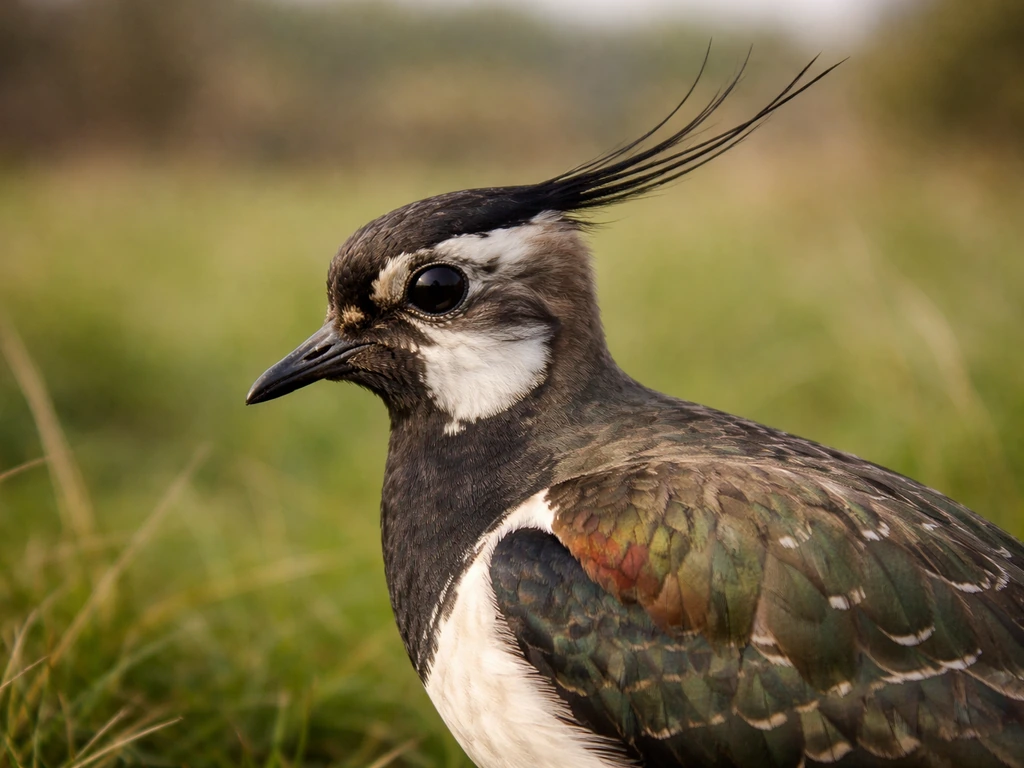
| Key appearance | Iridescent green-black back, distinctive crest, white underparts, orange-red undertail |
| Habitat in Ireland | Farmland, grasslands, wetlands, estuaries |
| Conservation status | Red List (Birds of Conservation Concern in Ireland) |
| Designated national bird | 1990, by Irish Wildbird Conservancy committee |
| Known by NPWS as | Ireland's national bird |
| Overwintering decline | 63% decline in numbers since 1994 (per NPWS I-WeBS data) |
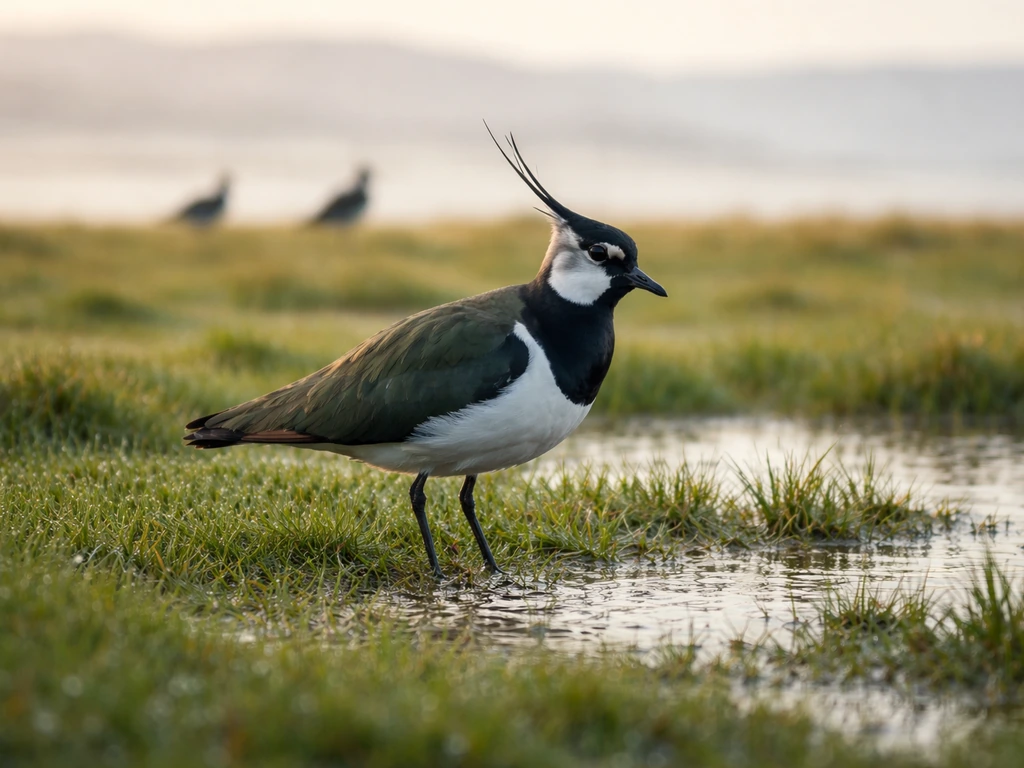
The lapwing's most recognisable feature is its thin, wispy crest and its rolling, tumbling flight display in spring. Its call, a distinctive "pee-wit" sound, is how it earned one of its common English nicknames. In Ireland, hearing lapwings over a damp field in late winter or early spring is one of those classic countryside sounds that many Irish people will recognise immediately.
Sadly, the lapwing is now on Ireland's Red List of Birds of Conservation Concern. Overwintering lapwing numbers have fallen by 63% since 1994, according to data from the Irish Wetland Bird Survey (I-WeBS). Intensification of agriculture, drainage of wetlands, and changes in land management are the main drivers. The NPWS has run dedicated breeding lapwing protection projects in areas like Cooldross specifically to stabilise populations.
The lapwing in Irish language and folklore
The word "pilibín" in Irish has a long documented history. Ó Dónaill's authoritative Foclóir Gaeilge-Béarla dictionary maps "pilibín" to the lapwing/peewit, confirming the species connection is not ambiguous. The bird appears in folk sayings and in placenames across Ireland. The expression "cleas an Philibín" (the lapwing's trick) is a good example of how the bird's behaviour entered everyday Irish speech, used to describe a clever feint or misdirection.
How to make sense of conflicting sources online
If you search for Ireland's national bird online, you may hit a few different claims. Some sites list the robin (a popular bird in many European countries) or even birds of prey like the golden eagle or red kite, particularly because Ireland has well-known bird of prey conservation centres. These references usually reflect enthusiasm for those species rather than any competing national bird designation. No credible source currently disputes the lapwing's status.
When you're checking any source, ask two questions: Does it cite who made the designation and when? And does it reference an Irish government body or established conservation organisation? If it does neither, treat it with caution. The most trustworthy confirmations come from the NPWS and BirdWatch Ireland.
It's also worth knowing that the lack of a legislative designation means different types of documents treat the claim differently. A planning consultation PDF might list the lapwing as a species of concern without calling it the national bird. A tourism monitoring document might list it in a biodiversity table without the "national bird" label. Neither of those contradicts the designation; they're just documents with different purposes. The national bird status is confirmed when you look at outright statements from NPWS and BirdWatch Ireland, not from every document that mentions the lapwing.
If you enjoy comparing national bird designations across countries, you'll notice similar naming debates elsewhere in Europe. Denmark's national bird, the mute swan, was chosen through a popular vote rather than legislation, yet no one disputes its status. The method of selection matters less than the consistency of recognition by authoritative bodies over time.
A quick verification checklist
- Check the NPWS website directly: search for "lapwing" and you will find the agency's own statement confirming it as Ireland's national bird.
- Check BirdWatch Ireland (formerly the Irish Wildbird Conservancy): as the body that made the 1990 designation, their resources are the primary source.
- If a competing claim mentions a different bird, check whether it provides a source with a year and a named organisation. Most won't.
- Look for the Irish name "Pilibín" as a secondary confirmation: if a source refers to the Pilibín as the national bird, it is referring to the same species.
- Treat raptor centre pages or general wildlife websites with caution: they discuss many Irish birds but rarely address national bird status formally.
How Ireland compares to its neighbours
Ireland's national bird story fits a broader European pattern. Several countries chose their national birds through conservation societies or popular tradition rather than law. Switzerland's national bird carries its own interesting selection history, and even Iceland's national bird, the gyrfalcon, reflects how a country's geography and cultural identity shape these choices in very different ways. In each case, the bird chosen tells you something real about the land and the people.
For Ireland, the lapwing is a bird of damp pastures, drumlin country, and Atlantic coast wetlands. It is a Red Listed species under serious conservation pressure, which gives it an added urgency as a national symbol. Choosing it was not just a nod to tradition, it was also a way of drawing attention to a bird that represents exactly the kind of habitat Ireland needs to protect.
Where to go from here
If you want to dig deeper, the best starting points are the NPWS website (npws.ie), BirdWatch Ireland (birdwatchireland.ie), and the Irish Wetland Bird Survey reports, which document long-term lapwing population trends. BirdWatch Ireland runs annual garden bird surveys and breeding bird atlases where the lapwing features prominently, and their educational materials give the fullest picture of the bird's place in Ireland's wildlife.
For the Irish-language angle, Ó Dónaill's dictionary (available through Teanglann.ie) confirms the "Pilibín" name and its lapwing/peewit association, which is useful if you want to trace the folk and linguistic roots of the bird's place in Irish culture.
The short answer you came here for: Ireland's national bird is the Northern Lapwing (Vanellus vanellus), designated in 1990 by the Irish Wildbird Conservancy, recognised by the NPWS, and backed by decades of cultural, linguistic, and institutional use. It is not a legal designation, but it is as close to official as Ireland gets, and no serious source disputes it.