Norway's national bird is the white-throated dipper, known in Norwegian as fossekall. Its scientific name is Cinclus cinclus, and it has blank" rel="noopener noreferrer">held the title of Norway's national bird since May 4, 1963. Many people also ask what the national bird of Wales is, and the answer is quite different from Norway’s choice what is the national bird of wales. The national bird of the Netherlands is the barn swallow.
What Is the National Bird of Norway? Meaning and History

Marcus Chen
25 Apr 2026
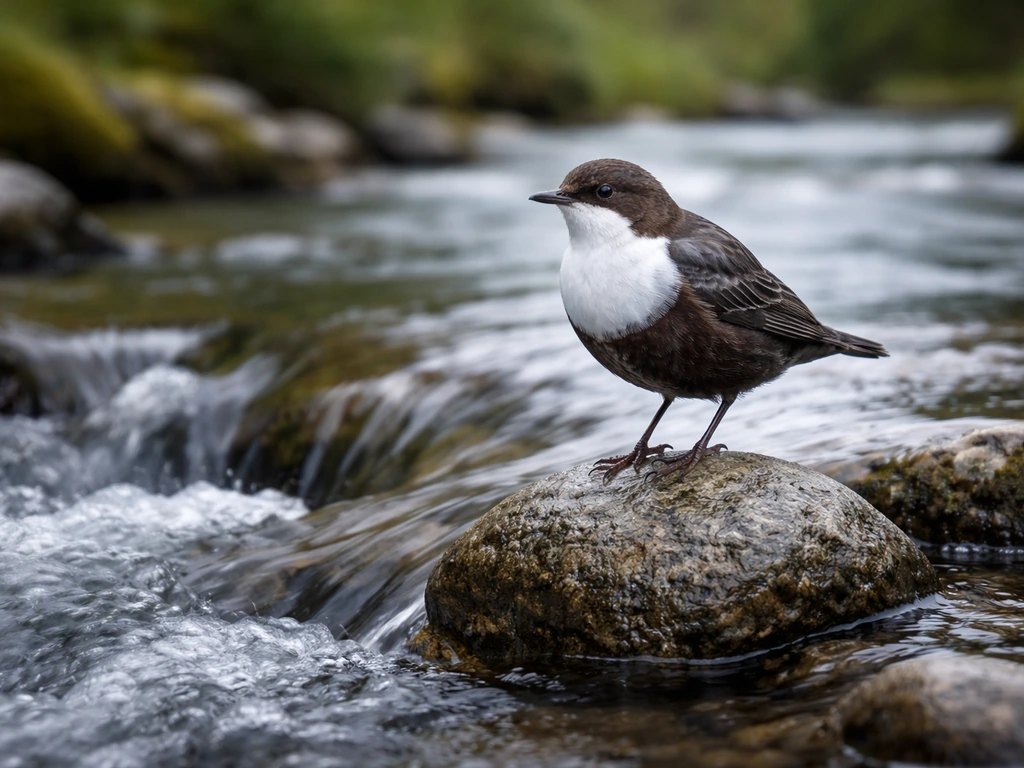
Norway's National Bird: The White-Throated Dipper
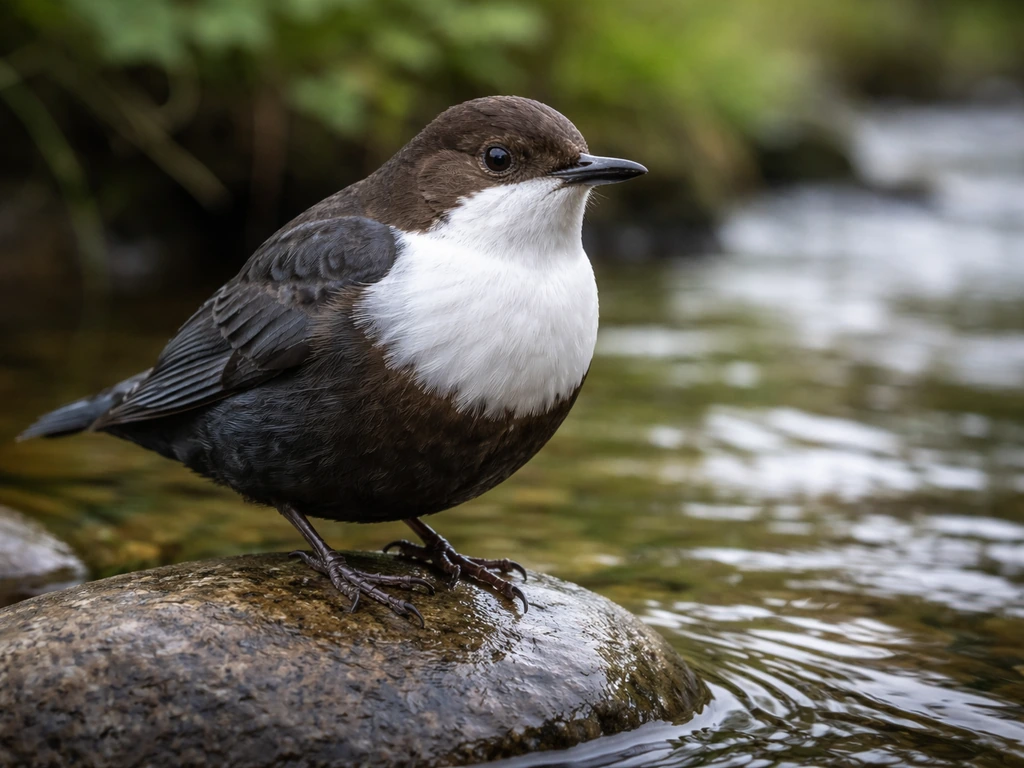
The white-throated dipper is a small, stocky bird instantly recognizable by the bright white patch on its throat and chest that contrasts sharply with its dark brown and slate-gray body. It is the only truly aquatic songbird in Europe, built specifically for life in and around fast-moving rivers and streams. If you've ever seen a small, round bird bobbing up and down on a rock in the middle of a Norwegian river, that's the fossekall.
Common Name, Norwegian Name, and Scientific Name
Getting the naming straight is useful if you're researching this bird across different sources. Here's a quick breakdown:
| Name Type | Name |
|---|---|
| English common name | White-throated dipper |
| Norwegian name | Fossekall |
| Scientific (binomial) name | Cinclus cinclus |
The Norwegian word fossekall literally translates to something like 'waterfall man' or 'waterfall fellow,' which perfectly captures where you'll find this bird: clinging to rocks at the edge of rapids, waterfalls, and rushing streams. Both BirdLife Norway and Store norske leksikon (SNL) use the binomial Cinclus cinclus, so you can be confident in that scientific name across credible Norwegian sources.
Why the Fossekall Was Chosen
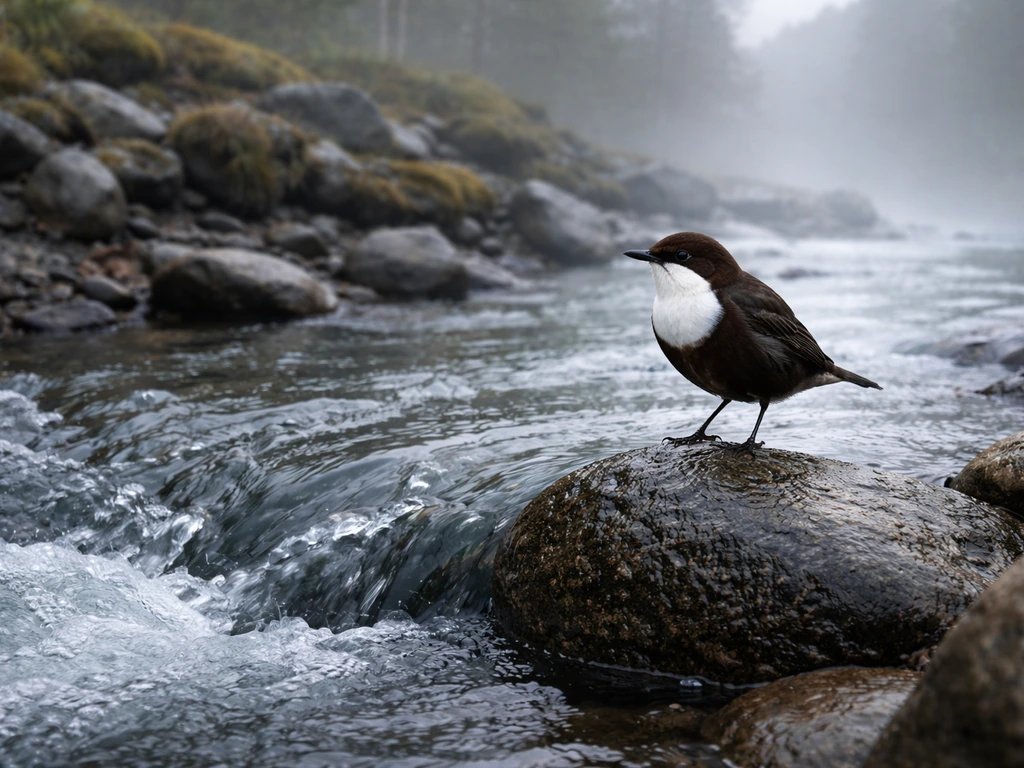
The white-throated dipper wasn't chosen arbitrarily. According to SNL's entry on national birds, the fossekall was linked to Norway's skiftende natur, meaning its varied and ever-changing natural landscape. Norway is defined by its rivers, fjords, waterfalls, and mountain streams, and the fossekall is inseparable from all of those environments. It lives where most birds simply can't, diving into cold, fast-moving water to hunt aquatic insects and larvae on the riverbed.
In that sense, the bird reflects qualities that Norwegians have long associated with their homeland: resilience, adaptability, and a deep connection to wild, dramatic nature. A bird that thrives in roaring rapids feels like a natural fit for a country shaped by its rivers and coastline.
How It Became Official: The 1963 NRK Radio Vote
The selection process is a genuinely interesting piece of Norwegian cultural history. In early 1963, NRK Radio (Norway's national broadcaster) collaborated with the ornithological community to produce a series of programs presenting candidates for a national bird. Listeners were then invited to vote for their favorite. The vote took place, and on May 4, 1963, the fossekall was officially designated as Norway's national bird.
According to Lokalhistoriewiki.no, blank" rel="noopener noreferrer">the skylark (sanglerka) came in second place, though it's largely been forgotten as a contender since then. The listener-vote format made the selection a public and participatory process rather than a bureaucratic decree, which gives the choice a certain democratic charm.
For context, several of Norway's Nordic neighbors went through similar national-bird designation processes around the same era. Sweden, Finland, and other European countries like France and Portugal each have their own national bird stories with their own distinct selection histories. Finland’s national bird is the whooper swan. France and Portugal each have their own national bird traditions, with Portugal having a national bird of its own national bird of portugal. Sweden's national bird is also something people often ask about when comparing different countries' bird symbols what is sweden's national bird. Spain's national bird is the great bustard. France's national bird is also designated as a symbol of the country.
Interesting Facts About the White-Throated Dipper in Norway
Beyond its symbolic role, the fossekall is a genuinely fascinating bird. Here are some facts worth knowing:
- The white-throated dipper is the only songbird in the world that can walk underwater. It uses its wings to 'fly' along riverbeds in search of invertebrates and insect larvae.
- It is a year-round resident in Norway, staying active through the harsh Scandinavian winter by relying on rivers and streams that remain unfrozen.
- According to BirdLife Norway's Norsk Fugleatlas, the species depends on small rivers and streams with rapids for nesting and feeding, making Norway's river-rich landscape ideal habitat.
- The fossekall is highly sensitive to water quality. As Dagsavisen has reported, it cannot forage on land like other waterfowl, which makes it especially vulnerable to pollution and environmental damage in its river habitat.
- Its characteristic 'bobbing' motion, where it repeatedly dips its whole body up and down while standing on a rock, is a behavior unique to dippers and has long caught the eye of anyone spending time near Norwegian waterways.
- BirdLife Norway commemorated the 50th anniversary of the fossekall's designation in 2013, reflecting how seriously the bird is regarded as a national symbol in Norway.
How to Verify This and Explore Further
If you want to confirm this information or go deeper, here's exactly where to look and what to check:
- Search Store norske leksikon (SNL) for both 'nasjonalfugl' (national bird) and 'fossekall.' SNL is Norway's authoritative encyclopedia and explicitly ties Cinclus cinclus to the national bird designation, including the 1963 date.
- Check BirdLife Norway's website (BirdLife Norge) for their species account on fossekall. Their Norsk Fugleatlas PDF confirms the scientific name and frames the fossekall as 'norsk nasjonalfugl sidan 1963.'
- For the specific date and selection process, look up Aftenposten Innsikt's coverage, which reports the exact date of May 4, 1963, and describes how NRK Radio ran candidate programs before the public vote.
- Lokalhistoriewiki.no also has a dedicated entry on the fossekall as Norway's national bird, including the detail that sanglerka (skylark) came second in the listener vote.
- If you're interested in comparing Norway's choice to similar designations across Europe, exploring the national birds of Sweden, Finland, the Netherlands, and other Nordic and European countries reveals a range of different selection stories and symbolic meanings.
The white-throated dipper is one of those national symbols that actually makes sense once you understand it. It's not a grand eagle or a brightly colored exotic bird. It's a small, tough, waterfall-loving creature that has made its home in some of Norway's most dramatic and challenging landscapes, and that connection to the land is exactly why it was chosen.
FAQ
Is the white-throated dipper the same bird as the fossekall?
Yes. Fossekall is the Norwegian name for the white-throated dipper (Cinclus cinclus). In English bird guides, it is typically listed under “white-throated dipper,” but older or local sources may use “fossekall.”
Are there any other Norwegian birds that are sometimes confused with the national bird?
Common confusion comes from Norway’s other well-known stream birds. If a source describes a bird for “fast rivers” but uses a different scientific name, double-check the species. The national bird designation specifically refers to Cinclus cinclus, not a similar-looking river songbird.
What is the national bird of Norway in Norwegian, and how do people pronounce it?
The name is fossekall. Pronunciation can vary by region, but the key is that it is the Norwegian term that corresponds to the white-throated dipper, not a separate species.
Where in Norway would you most likely spot the fossekall?
Look for rivers and streams with fast, clean water, especially near rapids, waterfalls, and rocky stream edges. The species is adapted to cling to stones in strong current and often stays close to aquatic insect feeding zones.
Is the fossekall found across all of Norway or only certain regions?
It is most strongly associated with suitable fast-flowing waterways. If you are searching for it, plan around river systems that have rapids or turbulent sections, because habitat quality matters more than proximity to the coast.
What does it mean that it is “the only truly aquatic songbird in Europe”?
It means this passerine songbird is specialized for life along water, not just near water. Its behavior includes hunting underwater on the riverbed and using the current, rather than merely drinking or foraging at the shoreline like many other birds.
How can I verify the bird’s scientific name in Norwegian sources?
Search for Cinclus cinclus and the Norwegian common name fossekall. Credible Norwegian references typically provide both names, so if you only see one of them, confirm the species matches the white-throated dipper.
Did the national bird vote change from earlier candidates, like the skylark, after 1963?
The official designation remained the fossekall after the May 4, 1963 vote. Other candidates, such as the skylark (sanglerka), are now mostly remembered as part of the selection history rather than as an alternative official symbol.
Does Norway’s national bird play any official role beyond symbolism?
Typically it functions as a national symbol rather than a bird protected specifically because of its status alone. If you are asking about conservation, you will need to rely on the country’s wildlife regulations and species status, not just the national-bird label.
If I’m writing for kids or beginners, what’s the simplest way to describe why it was chosen?
A good beginner framing is that it fits Norway’s landscape, it lives in fast rivers and waterfalls where it has specialized skills, and it represents resilience in wild, changing nature.
Next Articles
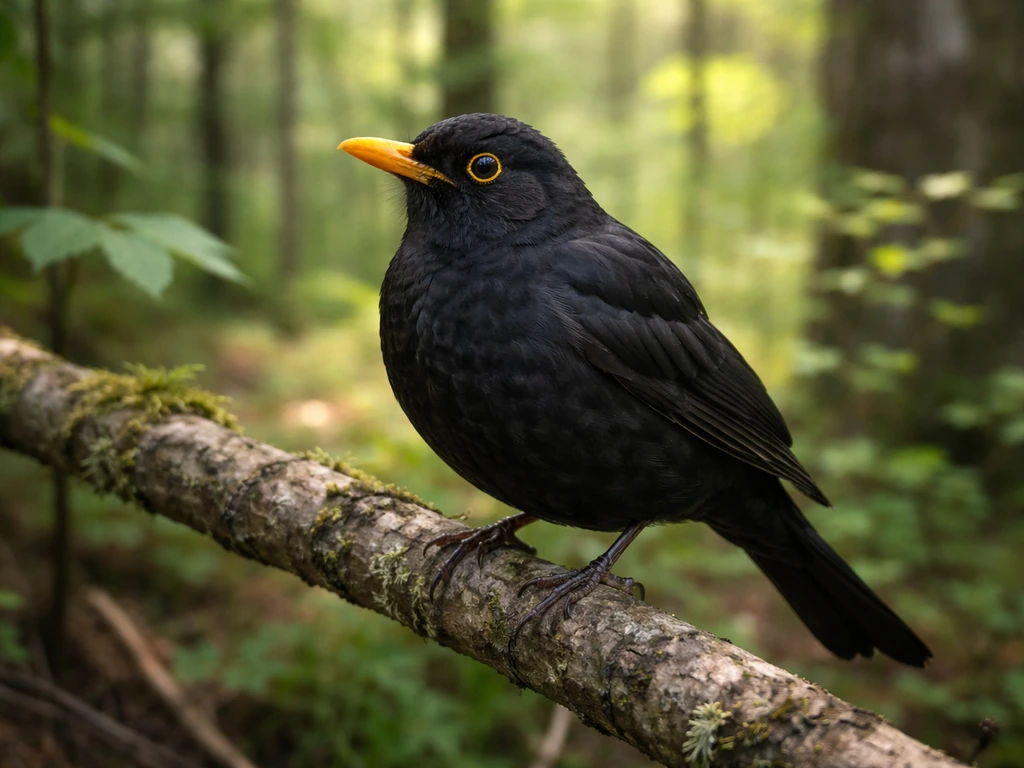
What Is Sweden’s National Bird? Eagle Symbol and History
Find Sweden’s national bird, its eagle symbolism in Swedish culture, and the history behind choosing it, plus key facts.
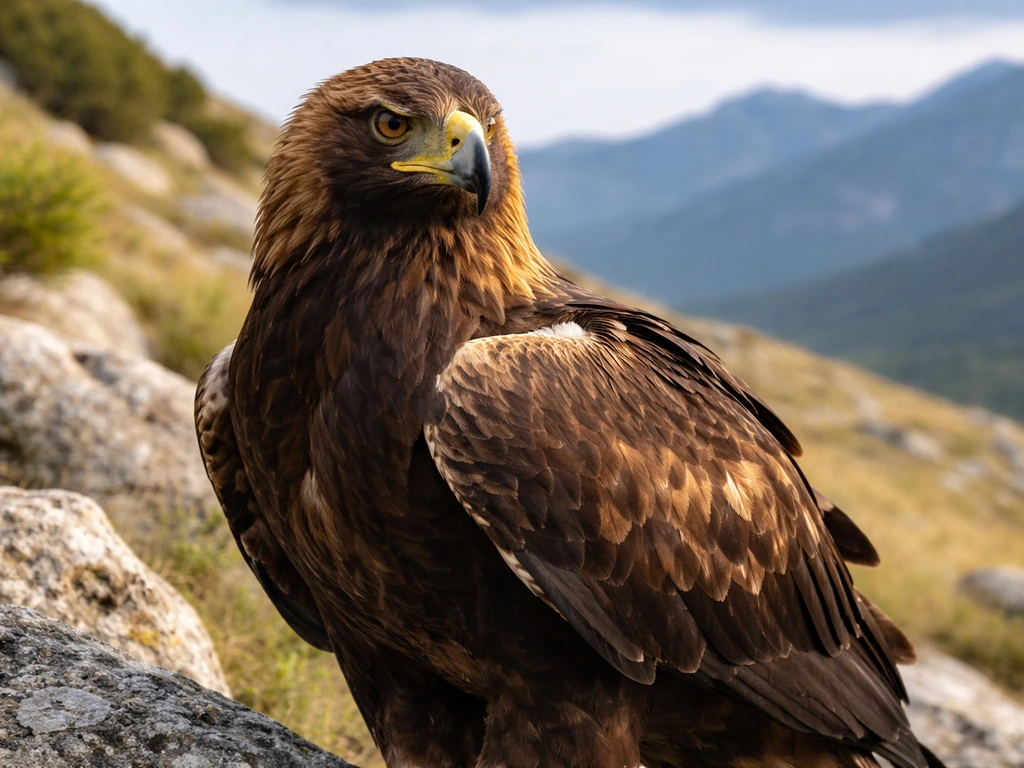
What Is Spain’s National Bird and Why It Matters
Spain’s national bird is the golden eagle, tied to history and symbolism, with tips to verify official status fast.
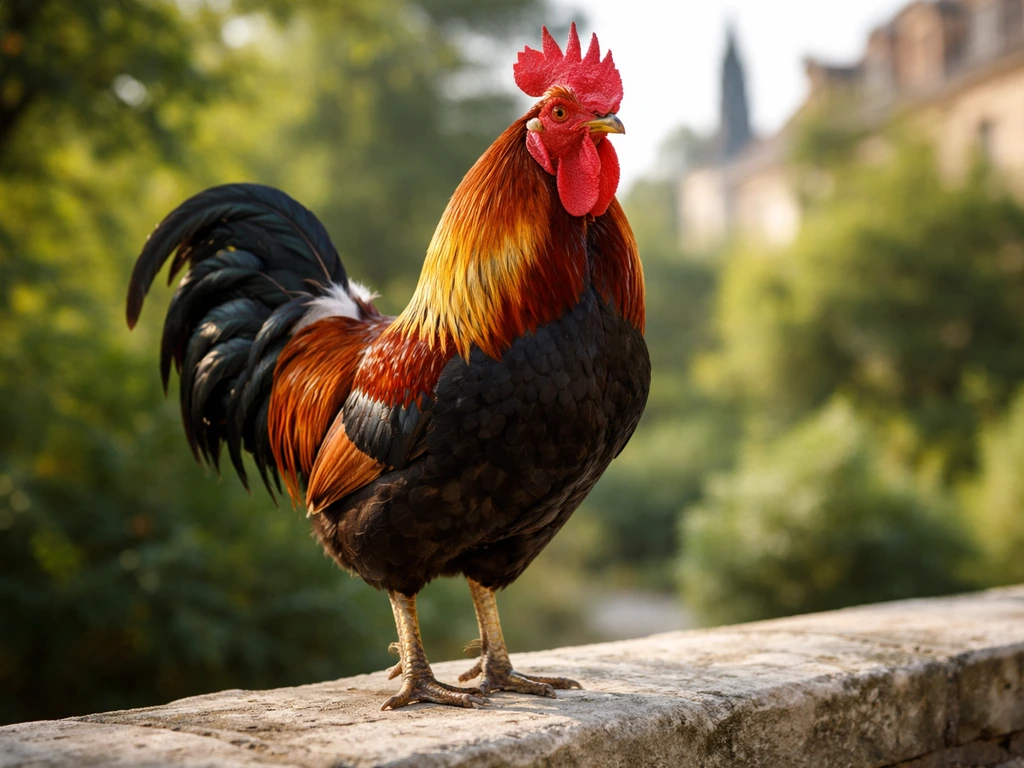
What Is France’s National Bird and Why It’s Cited
Answer what France’s national or state bird is, plus history, symbolism, looks, and where to spot the bird.