Aruba has an owl as its national bird. Specifically, it's the Shoco, or Aruban burrowing owl (Athene cunicularia arubensis), which was officially designated as a national symbol of Aruba on March 18, 2012. If that's the answer you were looking for, you're done. But if you're not sure whether you meant owl or crow, or you want to verify the source yourself, keep reading.
Owl National Bird of Which Country: How to Verify

Marcus Chen
14 May 2026
What 'national bird' actually means and how countries pick one
A national bird is an officially recognized avian symbol of a country or territory, chosen to represent its culture, identity, or natural heritage. The process varies widely. Some countries pass formal legislation or issue government decrees. Others adopt national birds through cultural tradition, presidential proclamation, or even public vote. A few simply end up with a bird so deeply embedded in their national imagery that it becomes the de facto symbol without any formal announcement.
Not every country has one, and even among those that do, the designation isn't always uniformly documented. That inconsistency is exactly why searches for 'owl national bird of which country' can return contradictory results depending on the source. The most reliable confirmation always comes from the country's own official government website or department of culture.
The owl country answer, confirmed
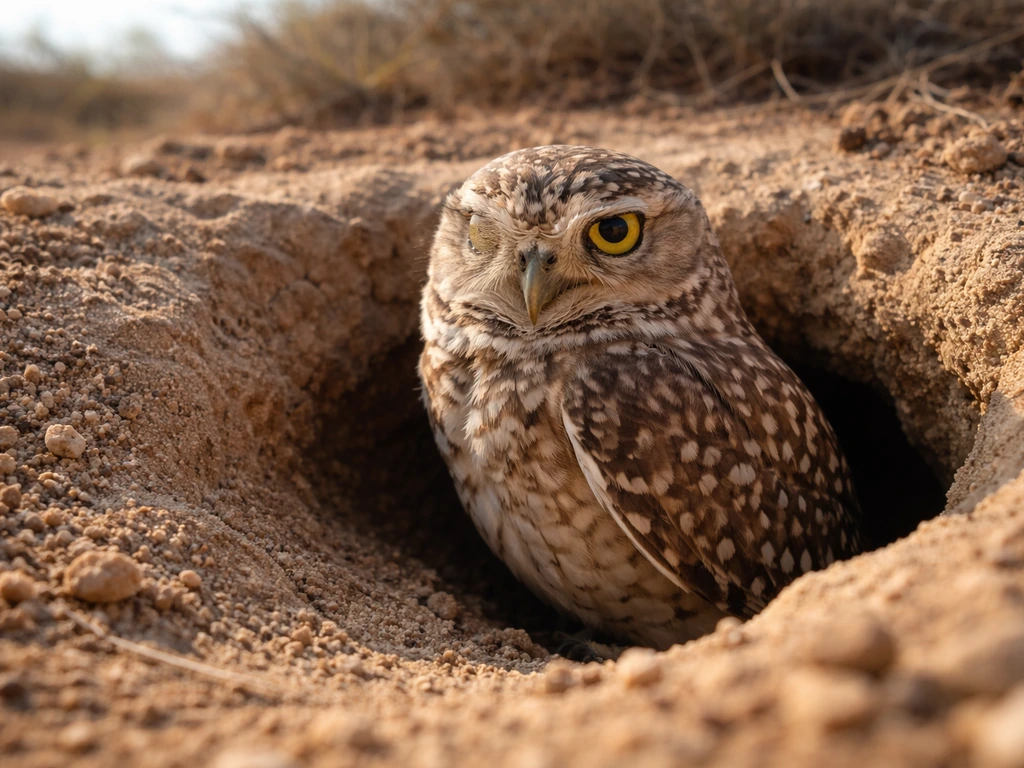
blank" rel="noopener noreferrer">Aruba's national bird is the Shoco, a small subspecies of burrowing owl found only on the island. The official confirmation comes from two sources: Aruba's Departamento di Cultura (Department of Culture), which states the Shoco was officially introduced as a national symbol on March 18, 2012, and blank" rel="noopener noreferrer">the Gobierno di Aruba (Government of Aruba) national symbols page, which lists the Shoco among Aruba's official national symbols since 2012.
The Shoco is a tiny, ground-nesting owl that lives in burrows in the dry, rocky terrain of Aruba. It's distinctive enough to be instantly recognizable on the island and appears on local signage, tourism materials, and conservation campaigns. If you see a cute wide-eyed owl associated with Aruba, that's the Shoco.
How to verify this yourself today
- Search 'Aruba national bird' or 'Shoco Aruba national symbol' in your browser.
- Go directly to gobierno.aw and navigate to 'Simbolo nacional' (national symbols) for the official list.
- Cross-check with Aruba's Departamento di Cultura, which documents the March 18, 2012 official introduction.
- If you see a source that isn't a government site, treat it as secondary. Bird encyclopedias and travel blogs sometimes lag behind official changes.
Wait, did you mean crow? Here's how to sort that out
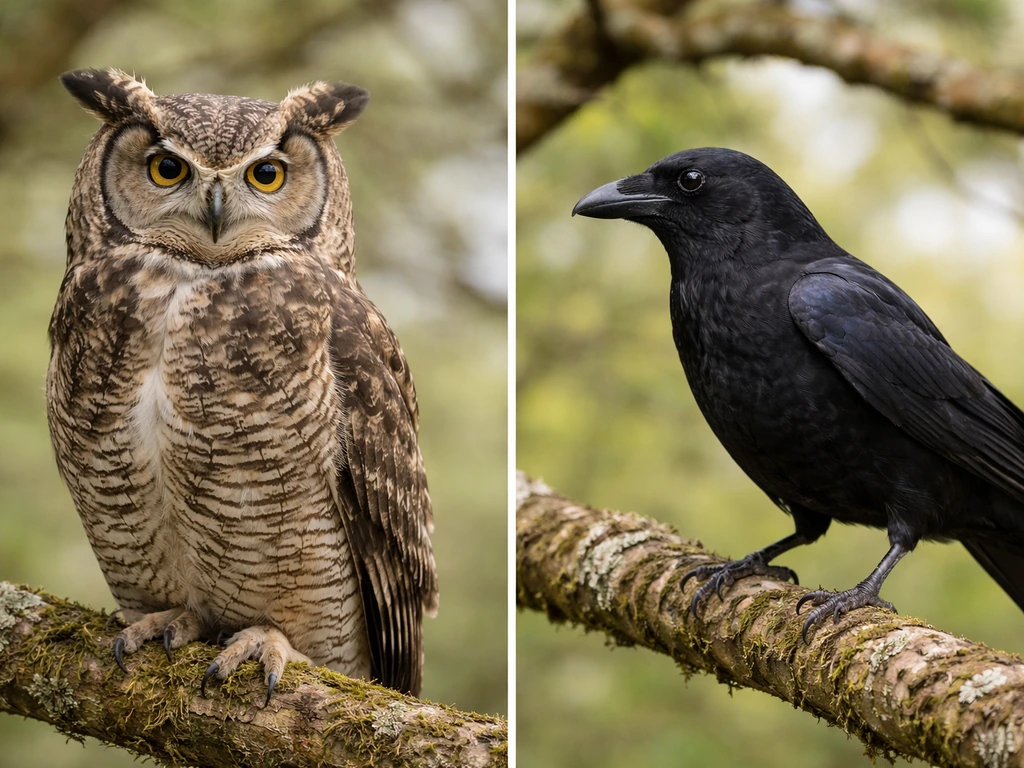
A lot of people searching for 'owl national bird of which country' are actually mixing up owl and crow, or they're not sure which bird they saw referenced somewhere. It happens easily because both are dark, intelligent birds with strong symbolic associations. So let's clear this up directly.
No major sovereign country officially lists the crow as its national bird in a widely recognized, government-verified designation. If you are trying to answer which country the crow is national bird of, this kind of widely recognized, government-verified listing is what you need to look for crow is national bird of which country. The crow appears frequently in national folklore, coats of arms, and regional symbolism, but pinning down an official government decree for crow as a national bird is surprisingly difficult. Some sources claim certain countries in the Middle East or South Asia associate the crow with national identity, but these are often informal or disputed claims rather than formal government designations.
The confusion also comes from naming. 'Crow' is a common name applied loosely to several corvid species including ravens, rooks, and jackdaws. A bird officially designated in one language might translate roughly to 'crow' in English even if it's technically a different species. If you're seeing 'crow national bird' claims, always check the scientific name of the bird in question before drawing conclusions.
Owl vs. crow at a glance
| Bird | Country | Official status | Key source |
|---|---|---|---|
| Shoco (Aruban burrowing owl) | Aruba | Official national symbol since March 18, 2012 | Gobierno di Aruba / Departamento di Cultura |
| Crow (generic) | None confirmed | No verified official national bird designation | N/A |
Steps to confirm any 'which country national bird' question

This method works whether you're looking up owl, crow, dove, emu, or any other bird. This kind of question comes up just as often with the dove: the official answer depends on each country’s own government or cultural authority. For example, when you look up which country lists the emu as its national bird, the key is still the official government or culture authority source. It takes about two minutes and saves you from relying on unreliable list articles.
- Start with the bird's name and 'national bird' as your search terms, for example: 'burrowing owl national bird country'.
- Look at the top results and note which countries are mentioned. If multiple countries appear, note all of them before deciding.
- Go to the official government website of the most likely country. Look for a section on national symbols, national identity, or culture and heritage.
- Find the scientific name of the bird. This eliminates ambiguity when common names vary by region or language.
- If the government site isn't in English, use your browser's built-in translation. The facts will be there even if the language isn't.
- When in doubt, check the year of designation. An older date on a government decree carries more weight than a Wikipedia edit or travel blog.
Why the Shoco matters to Aruba
The Shoco isn't just a government checkbox. It's genuinely woven into Aruban culture and daily life. The owl is endemic to the island, meaning it exists nowhere else on Earth in this exact subspecies form. That uniqueness made it a natural choice as a symbol of Aruban identity, separate from the Netherlands (Aruba is a constituent country of the Kingdom of the Netherlands but governs itself internally).
Historically, the Shoco's population declined significantly due to habitat loss, road traffic, and the introduction of non-native species. Designating it as a national symbol in 2012 was partly a conservation signal, drawing public attention to the owl's vulnerability and the need to protect the dry shrubland habitat it depends on. The Shoco became a rallying point for environmental awareness on the island.
Culturally, owls in general carry associations with wisdom and watchfulness across many traditions, and Aruba's version fits that pattern well. The Shoco's wide, alert eyes and its habit of standing guard at the entrance to its burrow have made it an endearing and recognizable figure. It appears on conservation road signs, tourism campaigns, and educational materials aimed at schoolchildren.
Edge cases that cause this kind of confusion
Several things make 'which country has X as its national bird' searches unreliable, and the owl question is a good example of all of them.
Some countries have more than one national bird
A small number of countries designate more than one bird, sometimes with different birds representing different aspects of national identity (for example, a 'national bird' and a 'national animal' that both happen to be birds, or separate birds for different territories within a country). Aruba's national symbol list includes multiple symbols, the Shoco being just one of them. When a list article omits this nuance, results can look contradictory.
Unofficial and locally used national bird claims
Some birds are popularly called a country's national bird in tourist brochures or cultural writing without ever being officially gazetted. This is especially common for birds associated with national legends or folktales. If a source doesn't point back to a government decree or official cultural authority, it's worth treating the claim as informal until you can verify it.
Naming variations and species confusion
The word 'owl' covers over 200 species globally. When you search for 'owl national bird,' you need to know whether the source means a great horned owl, a barn owl, a burrowing owl, or something else entirely. The same applies to 'crow,' which loosely covers ravens, rooks, jackdaws, and true crows. Always trace back to the scientific name to be certain you're comparing the same bird. In Aruba's case, the scientific name Athene cunicularia arubensis makes the identification unambiguous.
This same principle applies to other birds that come up in similar searches. The emu, the dodo, the dove, and the ostrich each have their own national bird stories with their own layers of official vs. For the answer to “ostrich which country national bird,” look up the bird’s scientific name and then verify it on the country’s official government or culture authority page. If you are wondering which country the dodo is linked to as a national bird, you should verify it against an official government or cultural authority. informal designation. The best habit to build is: find the scientific name, find the government source, and check the date of designation. Those three steps will give you a reliable answer almost every time.
FAQ
If I search “owl national bird,” why do I sometimes get different countries in the results?
Because many pages use “owl” generically, they fail to distinguish specific owl species or subspecies, and they often mix official national birds with informal tourism or folklore claims. The fix is to use the scientific name of the owl you saw referenced, then verify it on that territory’s government or culture authority page (and check the designation date).
Does Aruba count as a “country” for national bird purposes, or is it only a territory?
Aruba is a constituent country within the Kingdom of the Netherlands, but it has its own internal government and issues its own national symbols. For national-bird style questions, you should treat Aruba as the relevant jurisdiction because its Department of Culture and government symbols listings are where the official designation comes from.
What should I do if a page says “owl” is the national bird but does not mention the scientific name?
Treat it as unverified until you can match the owl to a named species or subspecies. “Owl” can refer to many different species, so without a scientific name (or a clear photo and locality match), you cannot reliably confirm whether the claim corresponds to the same bird.
How can I confirm whether the claim is official, not just a cultural or tourist association?
Look for an official publication path, such as a government symbols page or a culture department statement, and check whether it includes an official designation date. If the source cannot be traced to a government or formal cultural authority, it is safer to classify the claim as informal.
Can a country have more than one “national bird,” and how does that affect the answer to “owl national bird of which country”?
Yes. Some places designate multiple birds or symbols, sometimes separating “national bird,” “national symbol,” or different birds for different territories or identities. If a list site simplifies this into a single “national bird,” it can create contradictions, so you should match the exact wording used by the official authority.
What if I think I saw a different kind of owl than the Shoco, does that change which country the national bird claim refers to?
Yes. The Shoco is a specific subspecies (Aruban burrowing owl), and owl species vary visually. If the claim you encountered does not tie to the Shoco or provide a scientific name, it may be referring to another owl species associated with a different country or a non-official symbol.
Are there any common “crow vs owl” mistakes that affect national bird searches?
Crow-related results often come from two issues: loose language (crow used for multiple corvids like rooks or ravens) and unofficial symbolism in folklore. If the claim involves “crow,” confirm the scientific name and ensure the designation is tied to a government or official culture source, not just national imagery.
If a country does not have an official national bird, what should I look for instead?
Search for other official symbol categories that may include birds, such as national symbols lists, national emblems, or cultural heritage symbols. In some places there is no single “national bird,” but there is still an officially recognized bird used as a symbol within a broader national identity framework.
Is the designation date important when verifying “national bird” claims?
Yes, it helps confirm the claim is not outdated or based on a later change. When you find a government or culture authority listing, note the year of designation, then compare it with other sources. If another site mentions a different date without explaining why, prioritize the official listing.