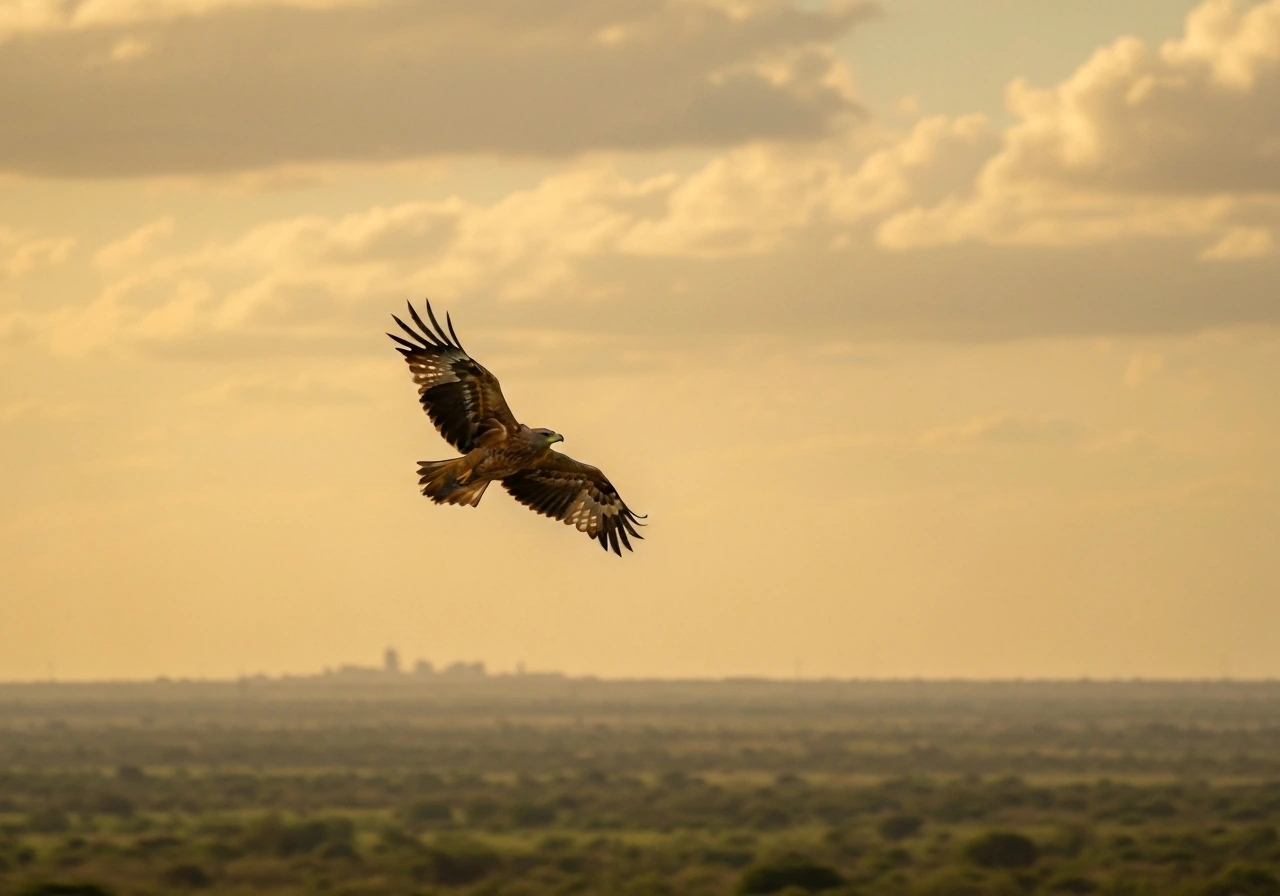
There is no single national bird of Africa. Africa is a continent of 54 countries, and each country has its own national bird (or in some cases, none officially designated). The African Union, which is the continent's main political body, does not recognize a continent-wide national bird the way an individual country would. So if you're trying to find the national bird of a specific African country, the right move is to look up that country directly.
What Is the National Bird of Africa? Official Answers by Country

Marcus Chen
24 May 2026
What people usually mean when they ask this
The confusion is completely understandable. People often think of continents the way they think of countries, and naturally assume there must be one official representative bird for Africa as a whole. But Africa isn't governed as a single nation. The African Union has official symbols like a flag, an emblem, and an anthem, but a continental national bird isn't among them.
Most people asking this question actually want one of two things: either they're curious about a specific African country's national bird, or they want a broad overview of the most well-known examples across the continent. Both are totally reasonable starting points, and this article covers both.
National birds from key African countries
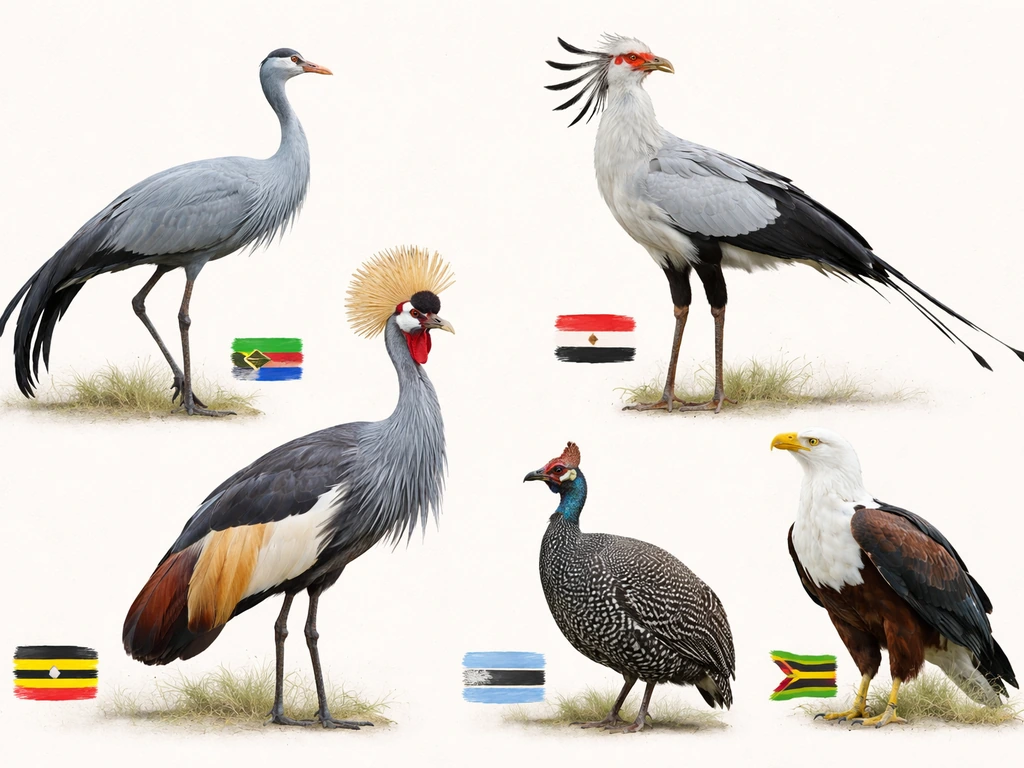
Here's a selection of some of the most recognized national birds across Africa. These come from official government sources and well-documented national symbol designations.
| Country | National Bird | Scientific Name |
|---|---|---|
| South Africa | Blue Crane | Anthropoides paradisia |
| Uganda | Grey Crowned Crane | Balearica regulorum |
| Botswana | Kori Bustard | Ardeotis kori |
| Sudan | Secretary Bird | Sagittarius serpentarius |
| Ethiopia | Thick-billed Raven | Corvus crassirostris |
| Tanzania | Grey Crowned Crane | Balearica regulorum |
| Ghana | Tawny Eagle | Aquila rapax |
| Nigeria | Black Crowned Crane | Balearica pavonina |
| Kenya | Lilac-breasted Roller | Coracias caudatus |
| Zimbabwe | African Fish Eagle | Haliaeetus vocifer |
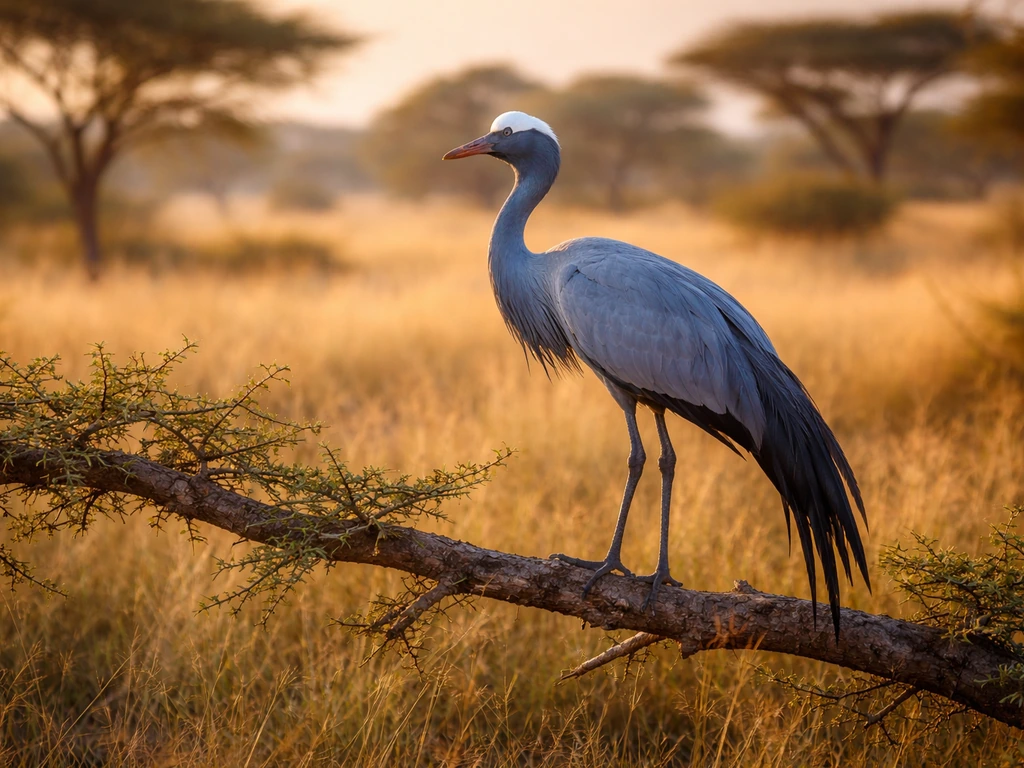
A few things stand out in that list. The Grey Crowned Crane appears as the national bird for both Uganda and Tanzania, which shows that different nations can independently choose the same species. Uganda's connection to the crane runs especially deep: the bird features prominently on the country's national flag and coat of arms, making it one of the most visually embedded national bird symbols on the continent. South Africa's Blue Crane is another strong example, with the South African Department of Sport, Arts and Culture explicitly naming it as the country's official national bird.
Why countries choose the birds they do
National birds aren't picked randomly. There's usually a meaningful reason a country lands on a particular species, and the selection process tends to reflect one or more of the following factors.
- Cultural and historical significance: The bird may appear in traditional stories, ceremonies, or art that predates the modern nation-state. Uganda's Grey Crowned Crane, for example, was already a revered symbol before independence.
- Appearance on national symbols: Many birds earn official status because they were already depicted on a flag, coat of arms, or currency. The process often formalizes what was already culturally true.
- Uniqueness to the region: Countries often prefer birds that are native or endemic to their territory, making the species a natural emblem of the land itself.
- Conservation significance: Some countries choose birds that are threatened or endangered, using national bird status to draw attention to protection efforts. South Africa's Blue Crane is a vulnerable species, and its designation as national bird brings it visibility.
- Formal government proclamation: In some countries, a specific law, presidential decree, or government department statement officially designates the bird. In others, the designation is traditional and widely recognized without a single formal document.
The history behind these choices is often just as interesting as the birds themselves. When African nations gained independence in the mid-20th century, many went through deliberate processes of defining national identity, and choosing symbols like flags, anthems, and national animals or birds was a big part of that. The birds chosen during those periods carry that historical weight.
The continent doesn't have one bird, and here's why that matters

It's worth being direct about the misconception, because it comes up a lot. When people search for the national bird of Africa, they're often expecting a single clean answer like they'd get for the United States (Bald Eagle) or India (Indian Peacock). But Africa is home to 54 sovereign nations, each with its own government, its own history, and its own set of national symbols. There is no African federal government that could designate a national bird the way a single country does.
The African Union operates more like the European Union than like a country. It coordinates policy and provides shared institutions, but its official symbols are institutional emblems, not national symbols in the traditional sense. Nothing on the AU's symbol pages references a continental bird.
Some websites do list a single bird as the national bird of Africa, usually citing the African Fish Eagle or the Secretary Bird. These are beloved and iconic African species, but neither holds any official continent-wide designation. They may be the national bird of a specific country (the African Fish Eagle is associated with several Southern and East African nations), but calling either the national bird of Africa as a whole is inaccurate.
How to find the national bird for a specific African country
Once you know which country you're actually interested in, the process of verifying the national bird becomes much more straightforward. Here's how to approach it reliably.
- Start with the country's official government website or embassy page. Uganda's embassy page, for instance, explicitly lists national symbols including the Grey Crowned Crane. South Africa's Department of Sport, Arts and Culture has a dedicated national symbols page naming the Blue Crane.
- Check if the bird appears on the country's flag, coat of arms, or currency. This is a strong indicator of official recognition, even when a formal proclamation is hard to locate.
- Cross-reference with reputable reference lists, but treat them as a starting point rather than a final authority. Aggregated lists can include errors or outdated information.
- Look for the scientific name alongside the common name. Official designations almost always include the Latin species name, which helps avoid confusion when common names vary by region.
- Use this site's dedicated country pages for African nations. Each entry documents the national bird along with the symbolism, history, and context behind the choice.
Exploring more African national birds
If you want to go deeper, some of the most fascinating stories on this continent involve birds that are deeply tied to national identity and history. Tanzania and Uganda both claim the Grey Crowned Crane, and comparing those two stories reveals very different cultural relationships with the same species. Ethiopia's choice of the Thick-billed Raven reflects the unique highland ecology of the country and its long imperial history. Ghana's Tawny Eagle connects to themes of strength and vision that run through the country's independence narrative. Ghana's national bird is the Tawny Eagle Ghana's Tawny Eagle. Sudan's Secretary Bird is a striking choice given the bird's hunting behavior and upright posture, qualities that map onto ideas of vigilance and power.
Each of these countries has its own page on this site with the full story. If you came here looking for a specific country, the best next step is to navigate directly to that country's entry, where you'll find the official bird, its scientific classification, how and when it was designated, and what it represents culturally. That's where the real detail lives.
FAQ
Is there really no official national bird for all of Africa?
No. Because Africa is not a single sovereign state, there is no official, continent-wide national bird. Any single answer you see online (for example, “African Fish Eagle” or “Secretary Bird”) is usually based on popularity, not an AU or official pan-African designation.
How can I verify the national bird for a specific African country?
The most reliable approach is to look up the national symbols of the specific country in question, then cross-check whether the bird is listed as an official “national bird” versus a “national animal” or an informal emblem. Some countries use birds in flags or coats of arms without making them an official national bird.
Can two African countries have the same national bird species?
Multiple countries can designate the same species. A key example is the Grey Crowned Crane, which is claimed by both Uganda and Tanzania, showing that shared species choices do not require a continent-wide single designation.
What if a country does not list a national bird?
Yes, some countries may have no official national bird at all, or they may use different types of symbols (for instance, a national animal, flower, or emblem) instead. If you cannot find an official designation, assume “no official national bird” rather than switching to an unofficial or commonly suggested species.
Why do some websites give different answers for the same country’s national bird?
Be careful with “national bird” claims that come from non-government sources or from outdated pages. When verifying, prioritize official government references or established national symbol listings, and confirm whether the designation includes the bird’s name, scientific classification, and the date or context of the decision.
What’s the best way to avoid confusion between similar-looking birds?
Look for the bird’s specific species name, not a general label like “eagle” or “crane.” Common names can overlap across countries and languages, so the scientific name or a detailed description helps avoid mixing similar species.
How do I compare the meaning of the same national bird across countries?
If you are comparing “who chose what,” check whether both countries link the bird to national identity elements like flags, coats of arms, or historical narratives. The same species can be used in different ways culturally, even when it is the national bird for multiple nations.
If I still want one bird that represents Africa, what should I do without using an incorrect official claim?
If your goal is a single bird “representing Africa,” it will be unofficial, but you can still create a valid comparison by focusing on birds that appear as national birds in multiple countries or as symbols in AU-adjacent contexts. Just treat those as thematic representatives, not official national birds of the continent.
Next Article
What Is the National Bird of Ghana? Meaning and Facts
Learn Ghana’s national bird, its origins and symbolism, plus clear traits to spot it and how to verify claims.