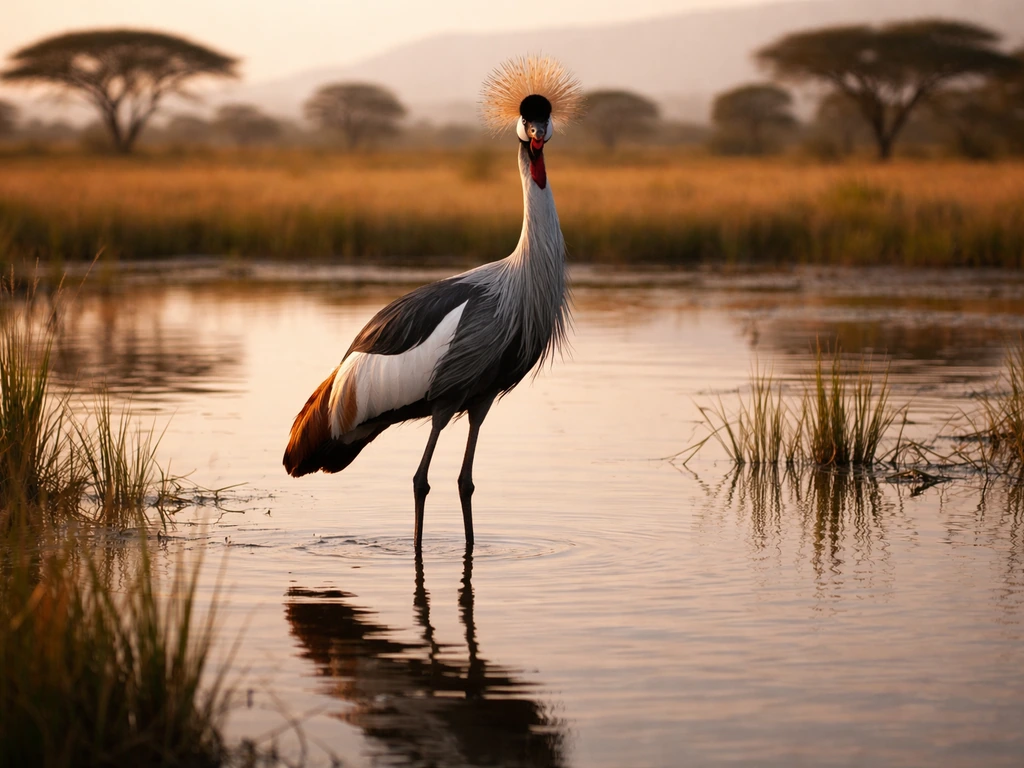
Ethiopia's national bird is the Wattled Crane, known scientifically as blank" rel="noopener noreferrer">Bugeranus carunculatus (sometimes written as Grus carunculata in older references). This tall, striking bird is widely cited across reputable bird and cultural reference sources as Ethiopia's avian emblem, and it's the name you'll consistently find when researching Ethiopia's national symbols.
What Is the National Bird of Ethiopia? Meaning and Facts

Marcus Chen
15 Jun 2026
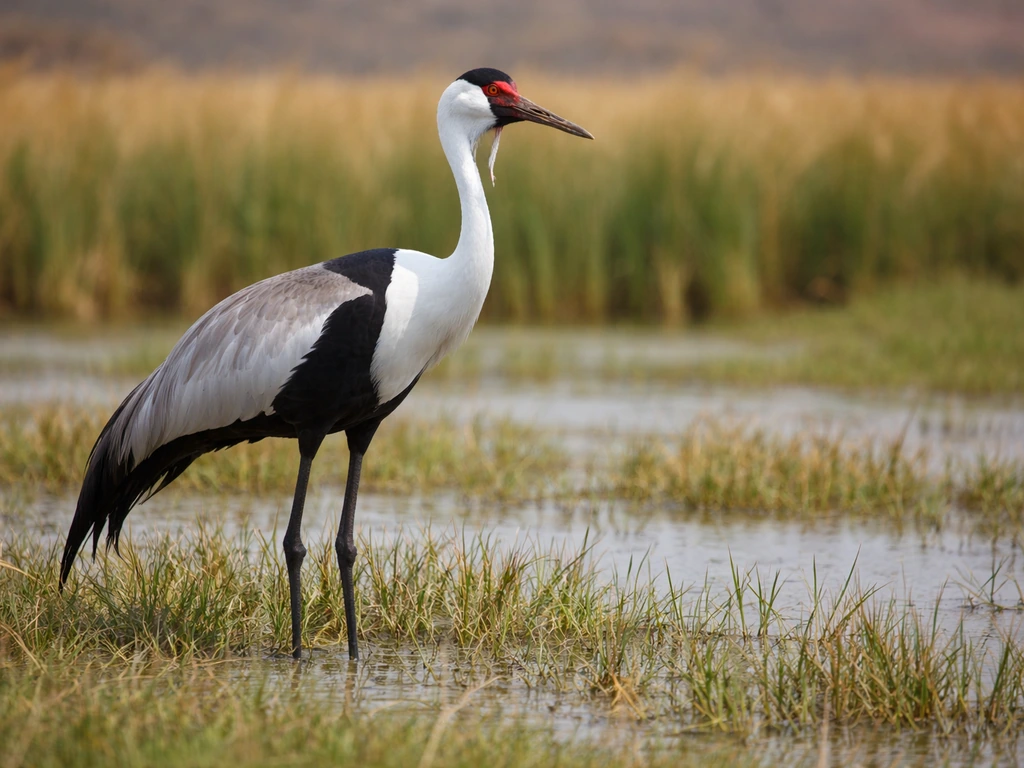
What the Wattled Crane means to Ethiopia
The Wattled Crane isn't just a bird Ethiopia happens to have in its borders. It carries real symbolic weight in the Ethiopian context. Cranes across many African cultures represent longevity, grace, and good fortune, and the Wattled Crane in particular stands out physically: it's one of Africa's largest birds, reaching up to 175 cm in height, and its regal posture gives it a natural dignity that maps well onto national pride.
Ethiopia is one of the few countries in Africa where Wattled Cranes still breed in meaningful numbers, particularly around the wetlands of the Ethiopian Highlands, including the Bale Mountains and areas near Lake Tana. That ecological connection matters. The bird isn't just symbolic in the abstract; it's genuinely native to Ethiopia's landscape in a way that reinforces the association between the species and the nation's identity.
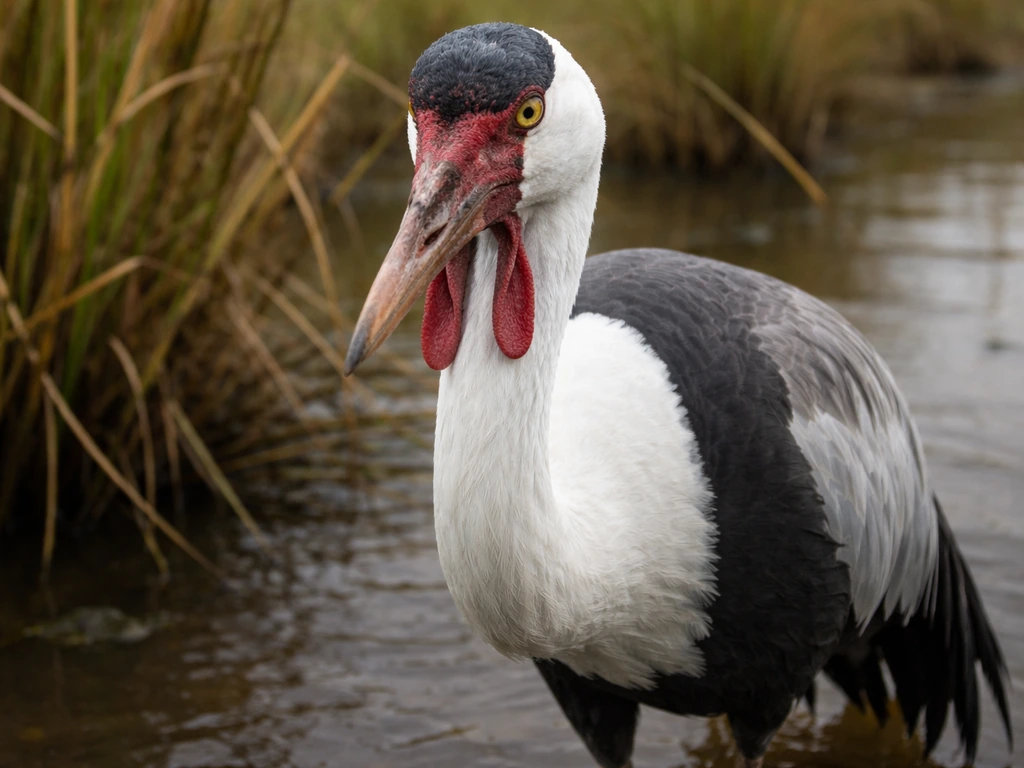
In broader Ethiopian cultural life, birds have long held spiritual and symbolic roles, woven into folklore, religious imagery, and everyday language. The Wattled Crane fits this tradition. Its size, rarity, and distinctive appearance, including the red facial skin and dangling white wattles, make it visually memorable and easy to understand as a national emblem.
How the Wattled Crane became Ethiopia's national bird
Here's where things get a little murky, and it's worth being honest about it. Unlike some countries that have a clear constitutional or legislative moment when a national bird was formally declared, Ethiopia's designation of the Wattled Crane doesn't appear to be tied to a single well-documented blank" rel="noopener noreferrer">government decree or legal text. Most references to it as Ethiopia's national bird come from wildlife organizations, cultural encyclopedias, and bird reference sites rather than an official Ethiopian government publication.
That said, the designation has been consistently repeated across credible sources for decades, and it's the version recognized by international bodies interested in conservation and national symbols. The pattern isn't unusual. Many countries' national bird designations evolved informally through cultural consensus and wildlife tradition before ever appearing in any official document. Ethiopia's case appears to follow that path.
The conservation dimension likely played a role in cementing the Wattled Crane's status. As the species has come under pressure across sub-Saharan Africa due to wetland loss and agricultural expansion, Ethiopia's population became increasingly significant, drawing international conservation attention to the country's wetlands. That attention reinforced the bird's profile as a symbol of Ethiopian natural heritage.
Clearing up common confusion
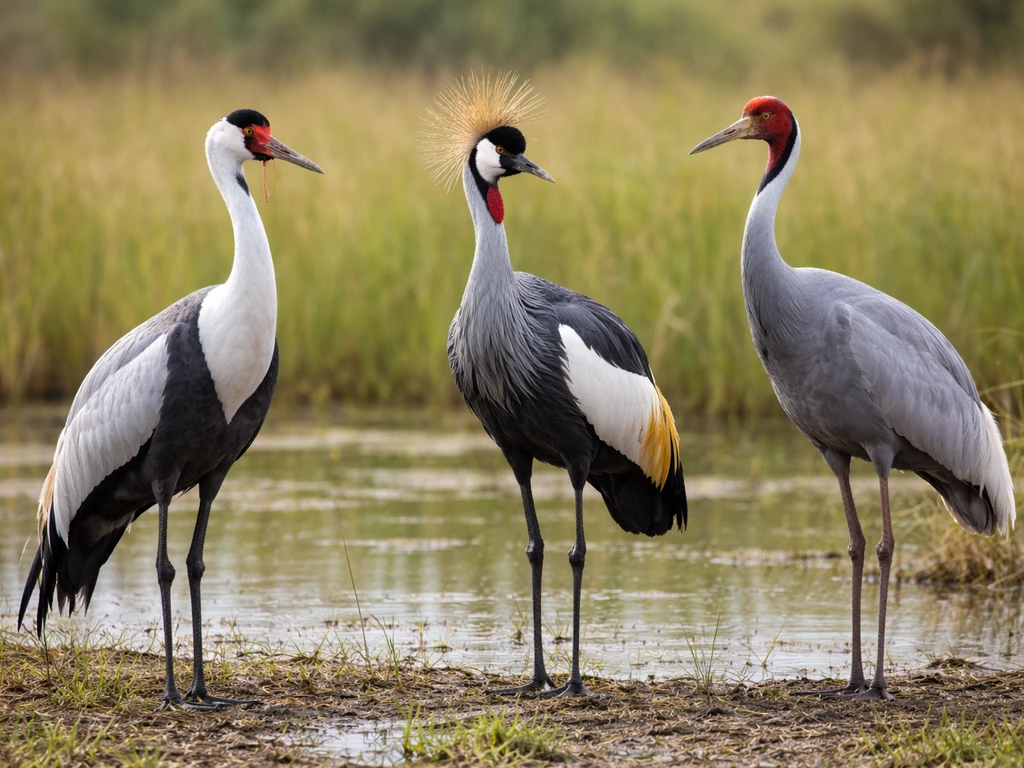
If you've searched around and found different answers, you're not alone. Some people also look for the national bird of Sudan, which is a separate country with its own national symbol different answers. If you're wondering what the national bird of Ghana is, the same idea of checking reliable sources applies different answers. The national bird of Africa varies by country, but Ethiopia’s official emblem is the Wattled Crane If you've searched around and found different answers, you're not alone.. A few different birds get associated with Ethiopia depending on the source and the context. Here's what's actually going on: If you also want to know Tanzania's national bird, you can look for the country's official or widely cited wildlife references to confirm the correct species national bird of Tanzania.
- Some sources mix up 'national bird' with 'most iconic bird' or 'bird most associated with Ethiopia,' which can surface species like the Blue-winged Goose, another Ethiopian endemic, without clarifying it isn't the national bird.
- Regional confusion sometimes occurs because crane species vary across East Africa. Tanzania, Sudan, and other neighboring countries have their own avian symbols, and crane species overlap geographically, which can lead to cross-referencing errors online.
- Older scientific nomenclature calls the Wattled Crane Grus carunculata, while newer taxonomy uses Bugeranus carunculatus. Both refer to the same bird, so if you see either name, you're looking at the right species.
The most reliable way to verify the Wattled Crane's status is to cross-check sources like the International Crane Foundation, the African Bird Club, or established ornithological reference works. These organizations track national bird designations alongside conservation data, giving you both the symbolic and scientific context in one place.
Facts about the Wattled Crane that make it a great national symbol
The more you learn about the Wattled Crane, the more the choice makes sense. This isn't a generic, everywhere-you-look bird. It's genuinely rare and special, which gives it the gravitas a national symbol needs.
| Fact | Detail |
|---|---|
| Scientific name | Bugeranus carunculatus (formerly Grus carunculata) |
| Height | Up to 175 cm, making it one of Africa's tallest birds |
| Weight | Approximately 7 to 9 kg |
| Lifespan | Up to 30 years in the wild |
| Conservation status | Vulnerable (IUCN Red List) |
| Ethiopian population | One of the largest remaining breeding populations in Africa |
| Habitat in Ethiopia | Highland wetlands, including Bale Mountains and Lake Tana region |
| Distinctive features | Red facial skin, white wattles, gray and white plumage |
The Wattled Crane is famously monogamous and pairs for life, a trait that resonates symbolically with ideas of loyalty and endurance. Its elaborate courtship dances, which involve bowing, leaping, and wing-spreading, are visually spectacular and have made the bird a subject of local fascination wherever it lives. In Ethiopia's wetland communities, sightings of these cranes are genuinely notable events.
The bird's vulnerability as a species also adds a layer of meaning to its national symbol role. Ethiopia hosting one of the healthiest remaining populations is both a point of national pride and a conservation responsibility. That combination of natural heritage and ecological duty is exactly the kind of story a national symbol can carry.
Where to go next if you want to dig deeper
If Ethiopia's national bird has sparked your curiosity about the country's broader natural and cultural identity, there are a few good directions to take it:
- Check the International Crane Foundation's website for detailed conservation data on the Wattled Crane, including population estimates and habitat maps specific to Ethiopia.
- Explore the Ethiopian Wildlife Conservation Authority for official information on Ethiopia's protected species and the wetlands where Wattled Cranes breed.
- Look into Ethiopia's national symbols more broadly: the country's flag, coat of arms, and national motto each carry distinct historical meaning that connects to the same themes of strength and heritage the crane represents.
- If you're interested in how Ethiopia's choice compares regionally, it's worth exploring the national birds of neighboring countries like Tanzania and Sudan, which have their own fascinating stories behind their avian emblems.
- For bird enthusiasts planning a trip, the Bale Mountains National Park and Lake Tana Biosphere Reserve are two of the best places in Ethiopia to observe Wattled Cranes in their natural habitat.
National birds are always more interesting once you see the full picture: not just the name, but the ecology, the culture, and the history behind why one species ends up representing an entire nation. Ethiopia's Wattled Crane is a strong example of a symbol that earns its place through genuine connection to the land and the people who share it.
FAQ
Is the Wattled Crane definitively Ethiopia’s national bird, or are there competing national-bird answers?
Most reputable wildlife and national-symbol listings point to the Wattled Crane, but a few sources may mention other birds depending on local tradition or outdated listings. If you want a “most accepted” answer, cross-check multiple ornithology and conservation references rather than relying on a single website.
Why do older references sometimes use a different scientific name for the Wattled Crane?
Scientific names can change when taxonomists revise species classification. That is why you may see alternate genus or species spellings in older catalogs, but it should still refer to the same bird described by the common name Wattled Crane (with the distinctive red face and white wattles).
What does “national bird” mean in Ethiopia, is it an official government symbol?
Ethiopia’s designation is widely repeated, but it is not clearly tied to one easily identifiable legal document or constitutional moment. In practice, it functions more like a consensus national symbol established through cultural and conservation recognition than something you can always trace to a single decree.
Where in Ethiopia is the Wattled Crane most likely to be found?
It is associated with wetlands of the Ethiopian Highlands, including areas around the Bale Mountains and near Lake Tana. If you are planning birdwatching, focus on wetland habitats and seasonal water availability rather than searching random lowlands or dry grassland.
When do Wattled Cranes breed in Ethiopia, and when might I see them court?
Courtship displays occur during the breeding season, which typically aligns with wet periods when wetlands are most stable. Exact timing can vary year to year by rainfall, so checking local ornithology updates for the specific region you will visit improves your odds.
Are Wattled Cranes rare in Ethiopia, or are there healthy populations there?
Ethiopia is considered one of the strongerholds for breeding in meaningful numbers in Africa. However, “healthy” is relative, because wetland loss and agricultural expansion still affect many crane habitats, so sightings can be limited to good wetland sites.
How can I distinguish a Wattled Crane from similar-looking cranes?
The combination of a tall, crane-like build with a striking red face and dangling white wattles is the key field cue. If you only see a crane silhouette at a distance, wait for a closer view or look for those facial and wattle features before confirming an identification.
Is Ethiopia’s national bird different from Ethiopia’s national animal or national symbols more broadly?
Yes. National birds, national animals, and national emblems can refer to different designations, and they may be tracked by different organizations or conventions. If your goal is “all national symbols,” confirm each category separately rather than assuming they all match the same species.
If I’m doing research, what is the fastest reliable way to confirm the national-bird claim?
Search for agreement across multiple independent references, ideally those connected to bird taxonomy and conservation. Agreement between conservation-focused organizations and established ornithological works is a strong sign you have the widely accepted national-bird identification.
What should I do if I find a different “national bird of Ethiopia” answer from a random site?
Treat it as a lead, not a conclusion. Verify whether the bird’s identification matches Ethiopia-specific context (native habitat and Ethiopia-based breeding) and check whether the claim is repeated by credible ornithology or conservation references, not only by general listicles.
Next Article
What Is the National Bird of Tanzania? Meaning and Facts
Learn Tanzania’s national bird, how to identify it by name and features, and why it became a national emblem.