
The answer depends on which country's 10-cent coin you're holding. The most commonly searched one is Australia's 10-cent coin, which features a superb lyrebird (Menura novaehollandiae) on the reverse. If you have a New Zealand 10-cent coin, there is no bird on it at all: the reverse shows a Māori carved mask called a koruru. Other countries, like the UK, have issued 10-pence coins with birds on special designs, but those are specific to certain years or series. So the first step is simply figuring out which coin you actually have.
What Bird Is on the 10 Cent Coin? Identify the Bird

Marcus Chen
27 May 2026
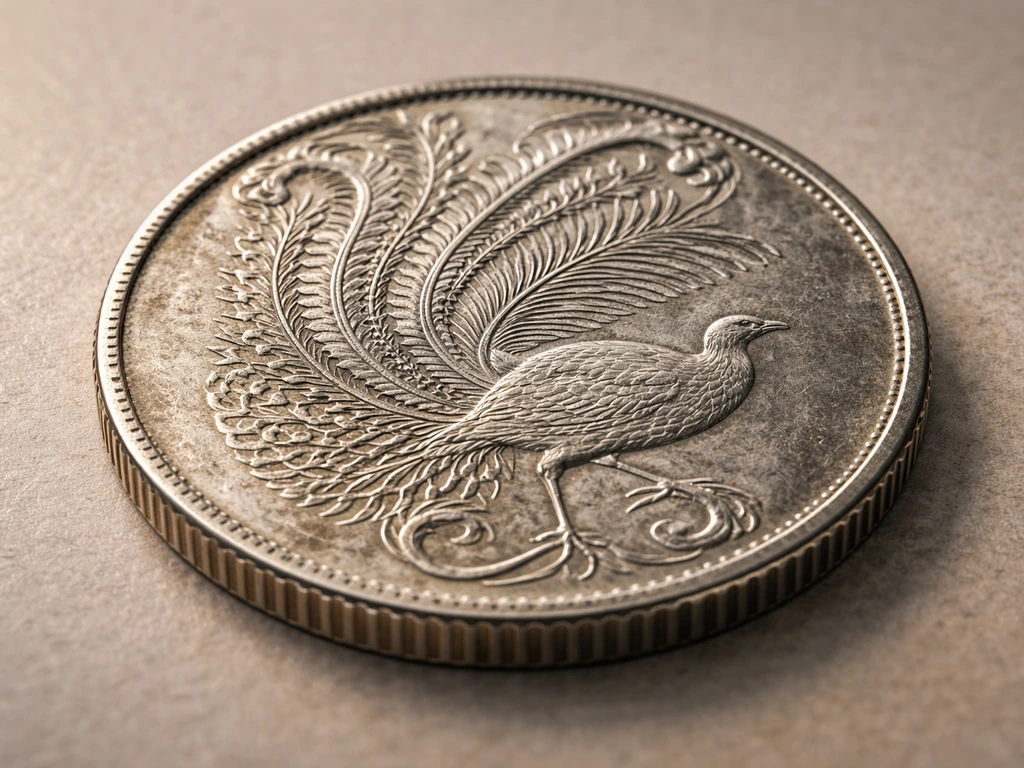
Which 10-cent coin are you looking at?
The phrase "10 cent coin" covers a lot of ground. Australia, New Zealand, the United States, Canada, Hong Kong, and many other nations all issue 10-cent (or 10-pence) denominations, and the designs vary widely. To nail down which bird you're looking at, start with the country name printed on the coin. Most coins state the issuing nation clearly, usually on the obverse (the side with the portrait or national symbol).
The year also matters. Designs can change over time, and even within the same country, different eras produce different reverses. For example, New Zealand shifted to smaller, plated-steel 10-cent coins in 2006, replacing the older cupronickel versions introduced with decimal currency in 1967. The Reserve Bank of New Zealand describes how its 10-cent coins were designed and made, including the shift to plated-steel coins in 2006 shifted to smaller, plated-steel 10-cent coins in 2006. If your coin looks copper-toned or feels noticeably lighter, that date context helps confirm which version you're holding.
| Country / Issuer | 10-cent Reverse Design | Bird? |
|---|---|---|
| Australia | Superb lyrebird (male) | Yes: Menura novaehollandiae |
| New Zealand | Koruru (Māori carved mask) | No bird: Māori carving |
| United Kingdom (10p) | Varies by year/series (e.g., robin on 2018 'R' coin) | Only on select special issues |
| United States (dime) | Torch, olive branch, oak branch | No bird |
The most likely bird candidates and how to match the design
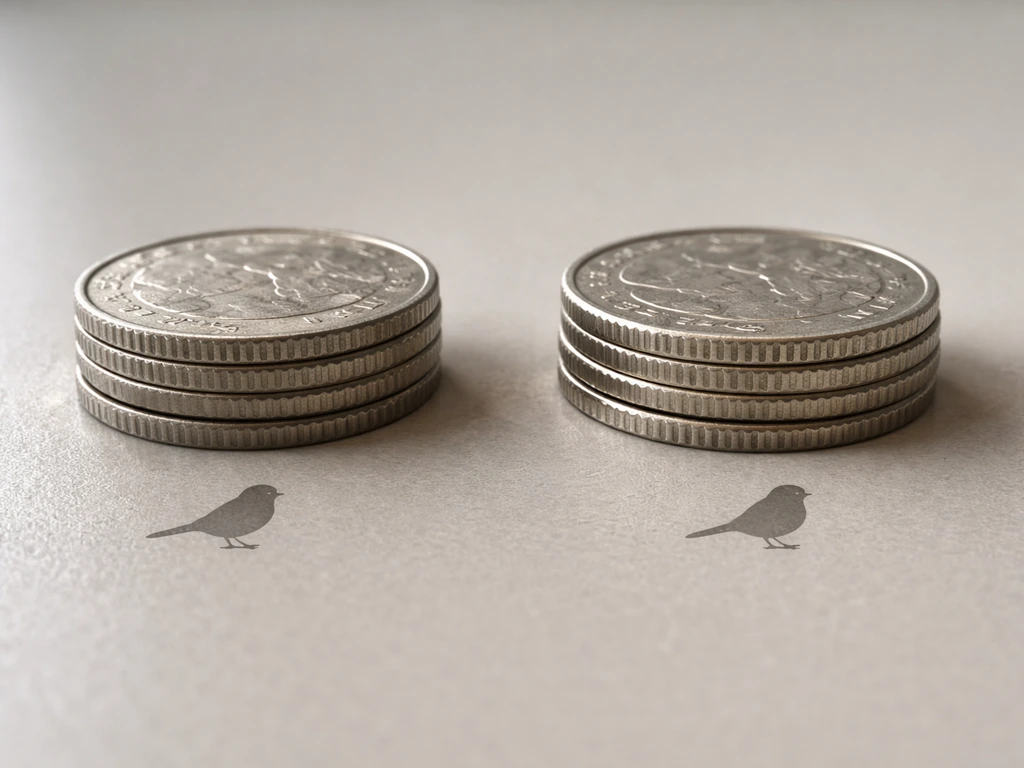
If your coin is Australian, you're looking at the superb lyrebird, and the design has been the same since decimal currency was introduced on 14 February 1966. That's a strong clue: no matter which year your Australian 10-cent coin was minted, the reverse shows the same lyrebird design. The Royal Australian Mint has never changed it.
For UK 10-pence coins, bird images appear only on themed series. The 2018 'Great British Coins' alphabet series included a red robin on the 'R' coin, described by the Royal Mint as the UK's favourite bird. These are usually clearly marked as part of a special series, so you'll see additional text or design elements beyond just a denomination.
New Zealand's 10-cent coin is a common source of confusion because people sometimes expect a kiwi (New Zealand's iconic national bird) to appear on it. It doesn't. The kiwi actually features on other New Zealand currency denominations and broader national imagery, but the 10-cent coin's reverse is the koruru, a traditional Māori carved head design first specified in New Zealand's Coinage Regulations 1967.
Visual cues to quickly identify the Australian lyrebird design
- A large bird with an extraordinarily long, fan-shaped tail curving upward and outward
- The tail feathers form a distinctive lyre shape (like the musical instrument), which is where the bird gets its name
- The bird is shown in a side-on or slightly angled stance
- Background is plain, with the denomination '10 CENTS' and 'AUSTRALIA' printed around the edge
- The design is detailed and realistic, not stylised or abstract
What the lyrebird means to Australia

The superb lyrebird is not Australia's official national bird (that honour goes to the emu), but it holds enormous cultural and natural significance. It is one of the world's greatest vocal mimics, capable of reproducing the calls of dozens of other bird species as well as mechanical sounds. It's native to the southeastern forests of Australia, and its presence on the 10-cent coin reflects the broader Australian tradition of celebrating unique native wildlife on currency.
Australia's coinage designers deliberately chose distinct native species for each denomination when decimal currency launched in 1966. The platypus, echidna, and lyrebird all appear across the coin series. The lyrebird's striking visual silhouette (particularly that iconic tail) made it an obvious choice: it's instantly recognisable and uniquely Australian, the kind of animal that exists nowhere else on Earth in its natural habitat.
Several Australian states also use the lyrebird as a faunal emblem. Victoria, for instance, has designated the superb lyrebird as its bird emblem. This layered symbolic status, appearing on state-level emblems and national currency alike, reflects just how deeply embedded the lyrebird is in Australian identity.
Why the lyrebird became an emblem in the first place
The lyrebird's symbolism comes from a combination of uniqueness, beauty, and rarity. It is found only in Australia, it lives in ancient temperate rainforests, and its mimicry is extraordinary even by bird standards. Early European naturalists were fascinated by it, and it became one of the defining images of Australian wildlife in scientific literature from the 1800s onward.
When Australia introduced decimal currency in 1966, the brief for coin designers was to capture native species that were both visually striking and distinctly Australian. The lyrebird ticked every box. Its elaborate tail display, which males perform during courtship, gave designers a ready-made visual that was both dramatic and unmistakable on a small coin face.
This is quite different from how New Zealand approached its coin symbolism around the same period. New Zealand's 1967 decimal coins drew on Māori cultural heritage for several denominations, including the koruru on the 10-cent piece, while reserving native birds like the kiwi for other contexts. The kiwi has since become New Zealand's unofficial national bird and a national icon described by the Department of Conservation as a symbol of the uniqueness of New Zealand wildlife, but it does not appear on the 10-cent coin specifically.
Checklist to confirm exactly what's on your coin
Use this quick checklist to verify the species and design before drawing any conclusions:
- Find the country name: check the obverse (portrait side) for the issuing nation, printed clearly around the edge or beneath the portrait
- Check the denomination text: it should say '10 CENTS', '10C', '10 PENCE', or similar, depending on the country
- Look for a date: this helps you cross-reference which design series was in circulation that year
- Identify the reverse image type: is it a bird, a carved face, a torch, or something else?
- If it looks like a bird, check the tail: a long, elaborate, fan-shaped tail means you're almost certainly looking at Australia's lyrebird
- Look for 'AUSTRALIA' on the reverse as confirmation alongside '10 CENTS'
- If the coin is from New Zealand and has a stylised face or mask-like carving, that is the koruru, not a bird
- If the coin is from the UK and shows a small perched bird with red colouring on the breast, check for 'R' or series marking indicating it is part of the 2018 alphabet series
- When in doubt, search the coin's country name plus '10 cent coin reverse' on the issuing mint's official website for a high-resolution image to compare
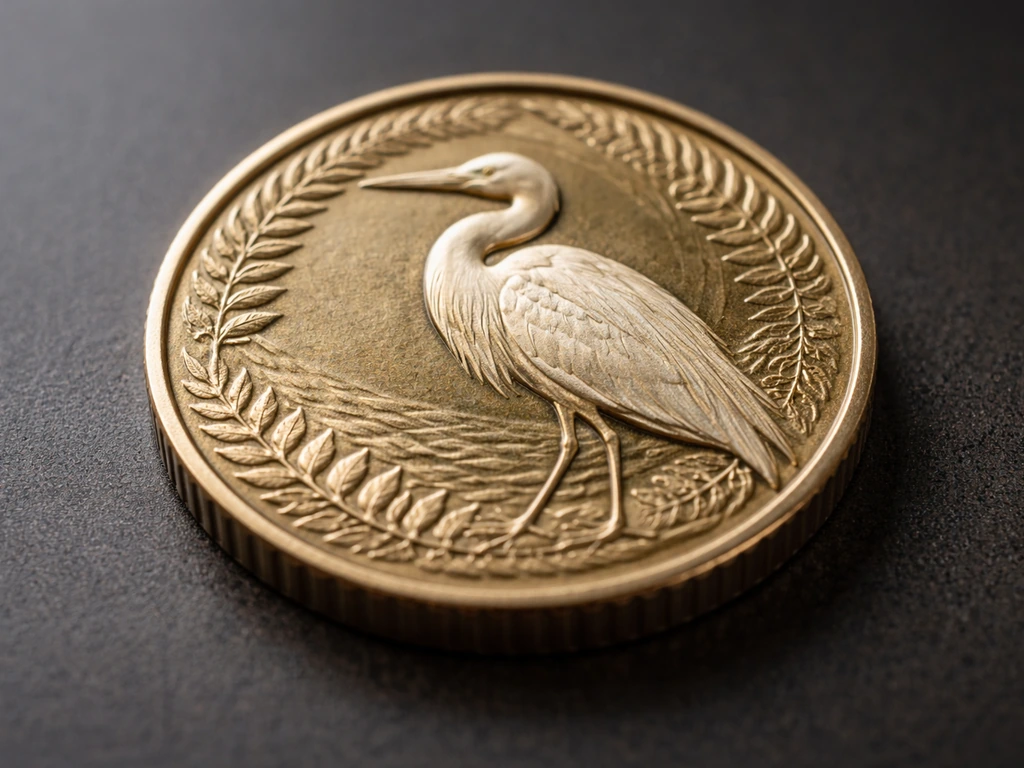
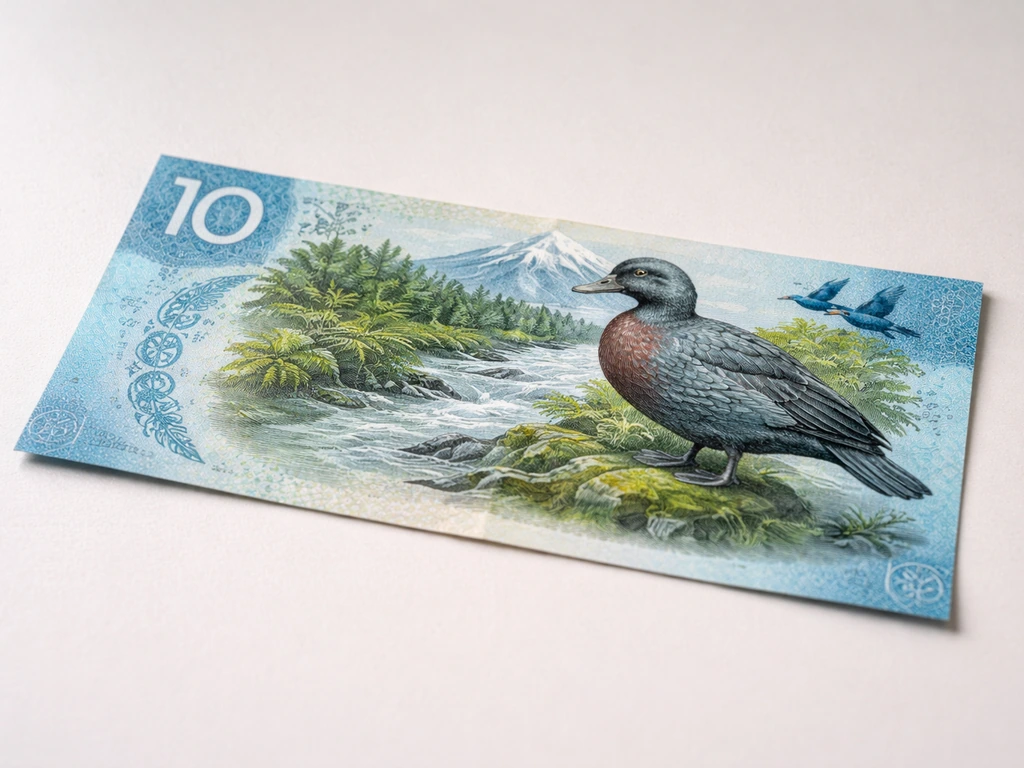
If you're exploring bird symbolism on currency more broadly, it's worth knowing that New Zealand has several denominations where native birds do appear. The kiwi, the kingfisher, the yellow-eyed penguin, and the falcon all feature across New Zealand's notes and coins, just not on the 10-cent piece specifically. The $10 note, the $20 note, and the $50 note each carry their own bird stories, and the $2 coin also has a bird design worth looking into if you're building a full picture of how New Zealand honours its native wildlife through currency. For the $20 note, the bird shown is the kōkako. On New Zealand's $10 note, the bird featured is the whio The $10 note. On the NZ 50 dollar note, you can find the bird shown on the note’s native-wildlife imagery. For the specific $2 New Zealand coin, the bird featured is the tui what bird features on a $2 new zealand coin.
FAQ
How can I tell which country’s coin I have if the denomination is written the same way (10 cents vs 10 pence)?
Look for the country name or recognizable mint markings on the obverse, then confirm the currency style. Australia typically shows Australian-specific wording and portrait design elements, while New Zealand often uses its own national inscriptions. If you still cannot identify it, check the coin’s size and metal look, because New Zealand changed the 10-cent planchets in 2006, making later coins often feel lighter and look more plated.
My coin is Australian but the lyrebird doesn’t look exactly like what I expected. Is there more than one 10-cent lyrebird design?
In Australia, the 10-cent reverse has stayed consistent since decimal currency began, so a drastically different image usually means you are holding a different denomination or a different series coin. Double-check the face value and year on the edge or obverse, and be careful with commemorative or removed-counterfeit items that may imitate the lyrebird layout.
Does the New Zealand 10-cent coin ever include a bird like a kiwi?
No, the reverse is the koruru, a Māori carved mask design. If you see a kiwi-like bird on a coin labeled 10 cents, it is almost certainly not the standard New Zealand 10-cent reverse, or it might be another denomination, a souvenir, or misidentified artwork.
What if my coin is old or has worn details, and I cannot read the year or the country name?
Use a combination of cues: metal color (copper-toned versus silver-toned), overall weight, and diameter measurements compared with known coin specs. If you have access to both sides, the reverse artwork style helps too (koruru mask versus lyrebird tail silhouette).
Are there any UK 10-pence coins with birds besides the red robin from 2018?
Birds do appear on some UK-themed issues, but they are not constant across all years. The quickest method is to identify whether your coin belongs to a themed series by looking for extra text, design framing, or lettering that signals a specific promotion rather than the standard reverse.
Could a “10 cent” coin from another country feature a bird even if it is not Australia or New Zealand?
Yes, many countries use 10-cent (or 10-pence) denominations and vary the reverse artwork. For accuracy, do not rely only on the number “10” or the word “cent,” use the country inscription and the year to match the correct reverse design for that specific minting period.
Does the denomination side or the portrait side tell me what bird is shown?
The bird or artwork is on the reverse, while the obverse usually carries the portrait and the issuing country or symbol. However, the obverse is still useful for identification, because it typically makes it easier to confirm country and year before you interpret the reverse.
How can I verify the coin quickly without a catalog, especially when searching online?
Search using both the country name and the exact year printed on the coin, then include key visual descriptors like “koruru” for New Zealand or “superb lyrebird tail” for Australia. If your coin has a matte versus glossy finish or looks plated, mention that too, because plating changes can help distinguish editions.
Next Articles
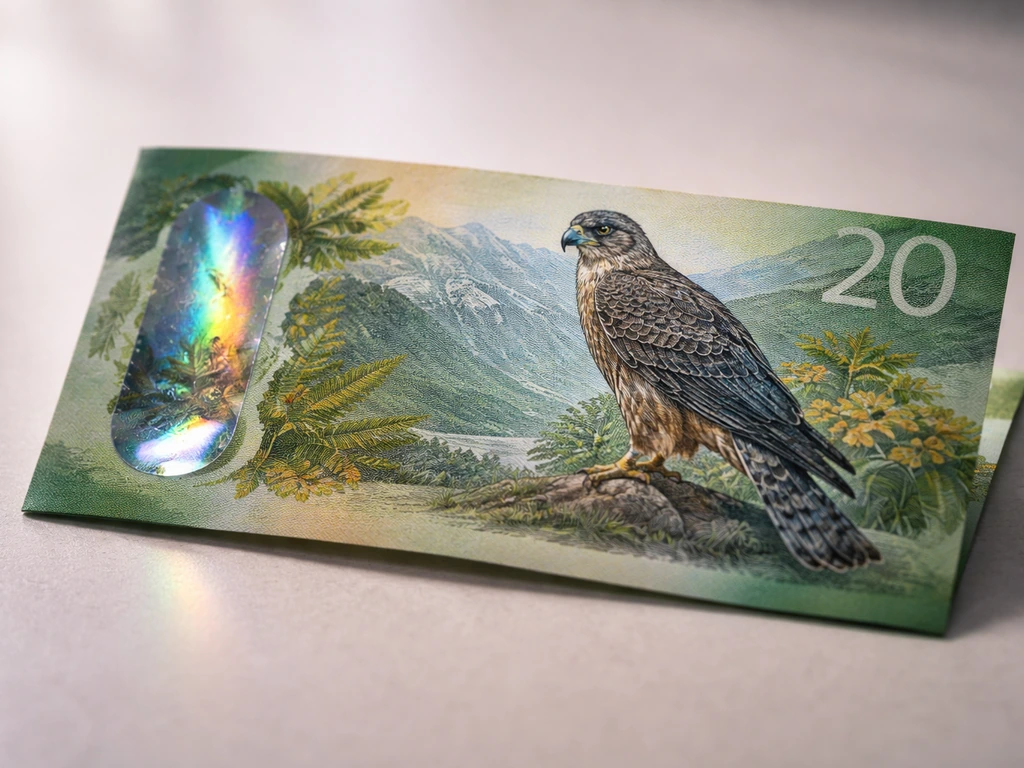
What Bird Is on the NZ 20 Dollar Note? How to Verify
Find the bird on the NZ 20 dollar note, where to look, key features to check, and why it was chosen.
What Bird Features on a $2 New Zealand Coin?
Identify the bird on a $2 New Zealand coin and confirm the exact design, with symbolism behind the national emblem.
What bird is on the NZ 10 dollar note? Identify it fast
Identify the bird on the NZ 10 dollar note, including species and where it appears on the banknote design.