Italy's national bird: the direct answer
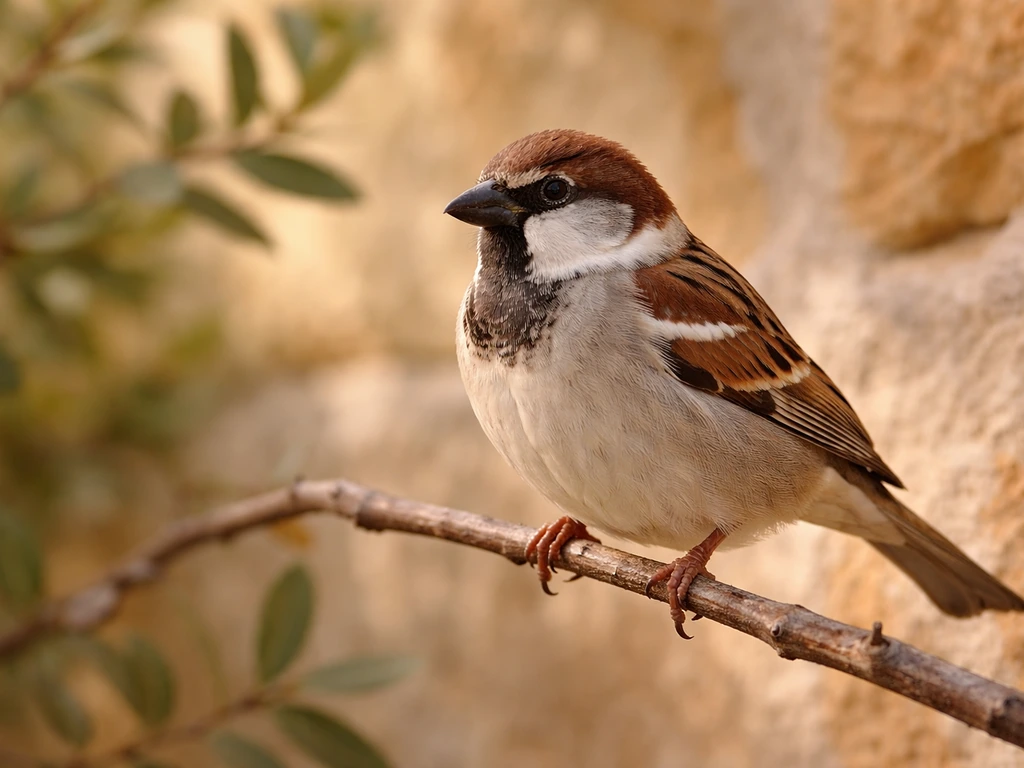
Italy's national bird is the Italian sparrow (Passer italiae). There is one important caveat worth knowing upfront: this is an unofficial designation, not a legal one. The Italian government has never passed a law or issued a decree naming any bird as the national bird of the Republic. What you're dealing with here is a widely recognized symbolic title that emerged from a birdwatcher consultation rather than a government declaration. Still, the Italian sparrow is the bird most consistently cited in reference sources, ornithological organizations, and national symbols lists as representing Italy, and it's the answer you can confidently go with.
What 'national bird' actually means in Italy's case
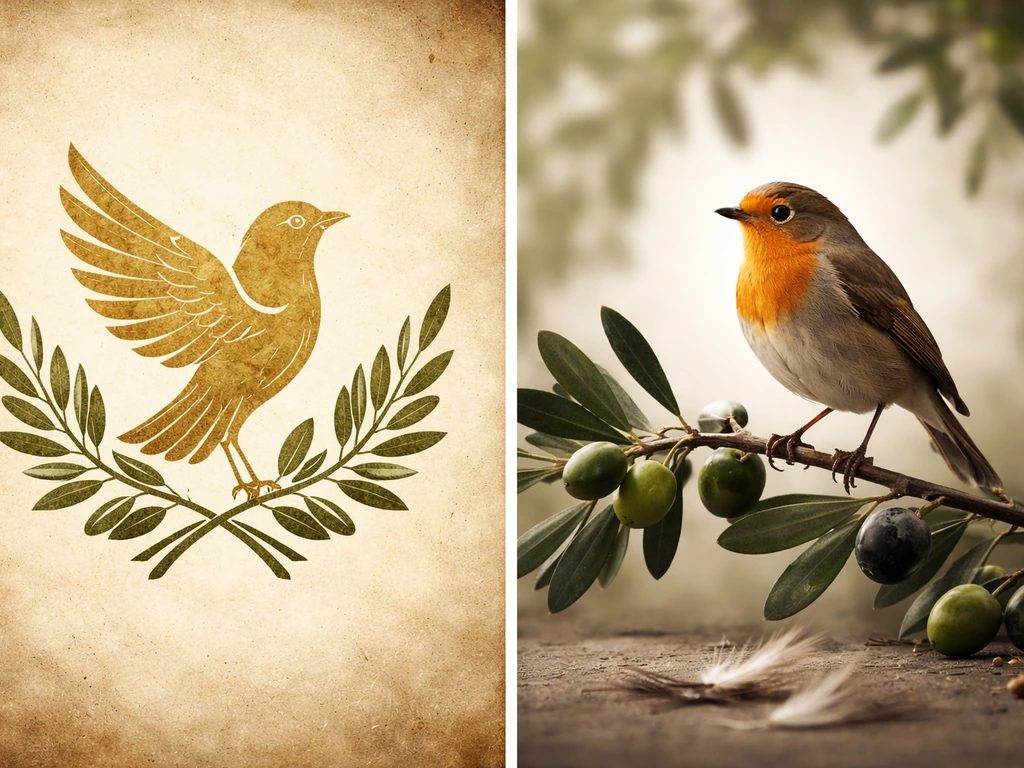
This is where Italy is a bit different from countries like the United States or India, where a specific bird has been officially designated through government channels. Italy's official national symbols are described on the Presidency of the Republic's website (quirinale.it), under the section on the Simboli della Repubblica. Those symbols include the Stella d'Italia (Star of Italy), a gear wheel representing labor, and branches of olive and oak. No bird species appears anywhere in that official list. So if you're looking for a national bird backed by legislation, Italy simply doesn't have one.
What Italy does have is a commonly accepted symbolic bird that earned its status through a cultural and ornithological process. This is actually more common than you might think across Europe. Several neighboring countries have similarly informal or semi-official arrangements around their national birds, and the national bird of Greece is another example where the line between official government decree and popular tradition can get blurry.
How the Italian sparrow became Italy's symbolic bird
The Italian sparrow's association with national identity came from a specific public consultation organized by EBN (European Birdwatching Network) Italia, a birdwatcher association. The process involved a shortlist of finalist species, with a vote held among EBN members and bird enthusiasts. A key date in the timeline is May 7, followed by a runoff (ballottaggio) among the top candidates. The Italian sparrow ultimately won with 68% of the vote, and the result was reported in Italian media as the bird being "eletto uccello simbolo del Belpaese" (elected symbol bird of the beautiful country). It's a community-driven title, but it has stuck.
The selection process wasn't arbitrary. Organizers framed the Italian sparrow as the ideal choice because it is the only bird species considered truly endemic to the Italian peninsula, meaning it evolved and exists there and essentially nowhere else as a distinct species. That combination of uniqueness to the country and recognizability to ordinary Italians made it a natural fit for a symbolic role.
Why this particular bird? The symbolism explained
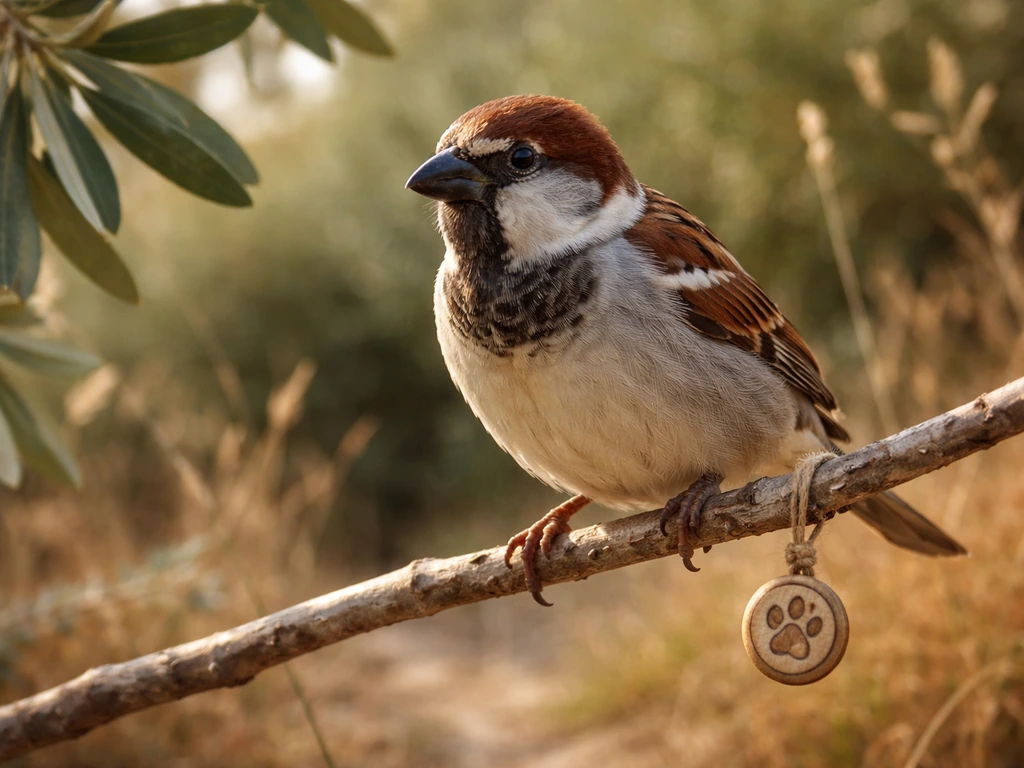
The Italian sparrow hits a symbolic sweet spot. It's not exotic or rare in the way that might make it feel disconnected from everyday Italian life, but it is genuinely threatened. LIPU (Lega Italiana Protezione Uccelli, Italy's main bird protection organization) classifies the Passer italiae's conservation status as "cattivo" (poor), citing habitat degradation and a contraction of both its range and overall population. So the bird represents Italy in two directions at once: it's deeply familiar and tied to the landscape, and it's vulnerable in a way that asks Italians to pay attention.
That identity-plus-conservation framing was central to the EBN consultation's justification. The idea was to pick a bird that could serve as a conservation ambassador precisely because it isn't some distant, spectacular species most people never see. It's a bird that historically lived alongside humans in towns and farmlands across Italy, and its decline reflects broader environmental pressures that affect everyone. Compare this to the national bird of Hungary, the great bustard, which was chosen partly for its endangered status and connection to the Hungarian plains. There's a recurring theme across European countries of choosing symbols that double as conservation calls to action.
Facts worth knowing about the Italian sparrow
The Italian sparrow (Passer italiae) is genuinely fascinating from a biological standpoint. It's believed to have originated as a hybrid species between the house sparrow (Passer domesticus) and the Spanish sparrow (Passer hispaniolensis), which then stabilized into a distinct species over time. That hybrid origin is itself a kind of metaphor for Italy's layered cultural history. Taxonomically, it has been a point of debate among ornithologists for years, with some treating it as a subspecies and others as a full species, but the full species designation is now the mainstream scientific position.
Visually, the male Italian sparrow is distinguished by a chestnut crown, white cheeks, and a black bib, setting it apart from the common house sparrow. It prefers human-modified environments like villages, agricultural land, and urban edges, which is part of why it became so closely linked to Italian rural and town life historically. You'll find it referenced in Italian birdwatching literature, LIPU educational materials, and ornithological atlases published by ISPRA (Italy's Institute for Environmental Protection and Research).
If you're exploring national bird symbolism across Italy's region, it's worth knowing how neighboring countries approach this. Austria's national bird is the barn swallow, another species tied to rural European landscapes, and Romania's national bird is the white pelican, chosen partly to highlight the Danube Delta's biodiversity. Each country brings its own logic to the choice, and Italy's sparrow fits squarely into a pattern of selecting birds that feel genuinely native to the land.
Italy's regional and cultural diversity also shapes how people relate to bird symbolism. The country's connection to birds goes back to ancient Roman augury, where birds were read as omens and messengers of the gods. While the Italian sparrow isn't a direct heir to that tradition, the cultural weight placed on birds in Italian history makes the symbolic choice feel natural rather than arbitrary. And if you're curious about a country with deep ancient connections to bird symbolism right in the same region, Iran's national bird, the common nightingale, carries centuries of poetic and cultural meaning that echoes a similar depth.
Italy vs its neighbors: how the sparrow compares
| Country | National Bird | Official or Unofficial | Key Reason for Selection |
|---|
| Italy | Italian sparrow (Passer italiae) | Unofficial (birdwatcher vote) | Only endemic bird species of the Italian peninsula |
| Greece | Little owl (Athena noctua) | Unofficial/traditional | Ancient symbol of Athena and wisdom |
| Albania | Golden eagle | Official | Appears on the national flag and coat of arms |
| Turkey | Redwing (Turdus iliacus) | Unofficial/commonly cited | Associated with Anatolian landscape and culture |
| Hungary | Great bustard (Otis tarda) | Official | Native to Hungarian plains; endangered status |
Italy's informal route to a national bird is actually the norm rather than the exception in Europe. As the table shows, official legal designations are rarer than you'd think. What matters for most practical purposes (school projects, trivia, cultural research) is the commonly accepted answer, and for Italy that's firmly the Italian sparrow. If you want to dig deeper into how the eagle plays into national identity for one of Italy's closest geographical and historical neighbors, the article on Albania's national bird is a good read, since the two-headed eagle on Albania's flag has a very different kind of official status.
How to verify this for yourself
If you want to check this answer independently, here's the most reliable path. Start with the Quirinale website (quirinale.it), specifically the "Simboli della Repubblica" section. You'll see the official emblem described in detail: the star, the gear wheel, the olive branch, the oak branch. No bird is listed. That confirms there's no official government-designated national bird.
From there, check the Wikipedia article for "Italian sparrow." You'll find the exact phrase: "unofficially considered the national bird of Italy." That wording is important because it's precise. It's not saying the designation doesn't exist, just that it's not a legal one. blank" rel="noopener noreferrer">The "National symbols of Italy" Wikipedia page lists the Italian sparrow in the same way, as the recognized national bird without claiming it's backed by legislation.
For the selection story, the Focus.it article (sourcing ADN Kronos) is the clearest account of the EBN consultation, the finalists, the vote share (68%), and the announcement that Passera d'Italia was elected as Italy's symbolic bird. LIPU's species page for Passer italiae adds the conservation angle and confirms the bird's status as a species of concern in Italy.
One more thing worth doing: for context on how other countries in the region handle this, reading about the national bird of Turkey shows how a country with a similarly rich bird culture approaches the concept. And for a deeper dive specifically into the story behind Italy's choice, the article on why the Italian sparrow is the national bird of Italy covers the selection process and cultural meaning in much more detail.