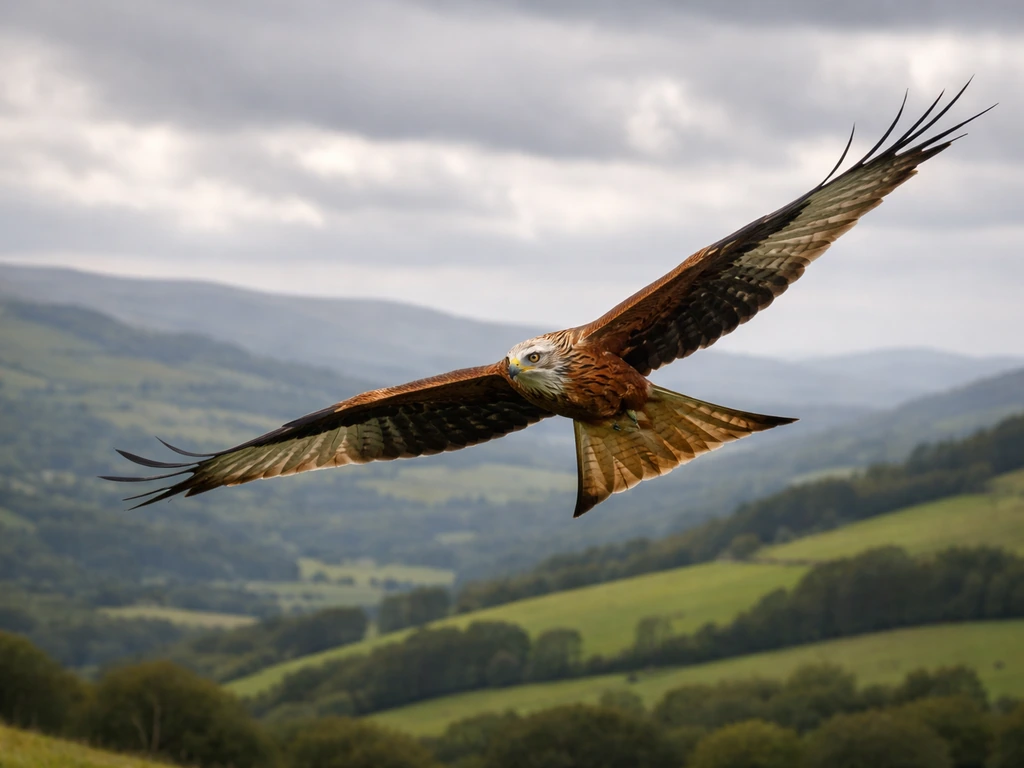
Wales's national bird is the red kite (Milvus milvus), a striking copper-and-russet raptor with a forked tail that's hard to mistake once you've seen one. blank" rel="noopener noreferrer">In 2007, the Welsh people voted it the nation's favourite bird, and it's widely recognised as the country's avian emblem ever since.
What Is the National Bird of Wales? Meaning and Facts

Marcus Chen
4 May 2026
Is It an Official Designation or Just Commonly Recognised?
This is the one thing worth clarifying upfront: the red kite is not enshrined in Welsh law as an official national bird the way a flag or anthem is formally adopted. It's what you might call a popular emblem rather than a legal one. The Welsh Government itself describes it as a bird "often considered the national bird of Wales," and Wikipedia's national symbols of Wales page notes it is "sometimes named as the national symbol of wildlife in Wales." Wales.com, the country's official tourism site, lists it among Welsh national symbols and points to the 2007 public vote as the clearest moment of formalisation.
So if you're writing an essay, filling in a quiz, or just settling an argument, the answer is firmly the red kite. Just know that its status rests on popular recognition and cultural consensus rather than an act of the Senedd. That's actually quite common across Europe: France, Spain, and several other nations treat their national birds as matters of tradition rather than legislation. In France, the national bird is the European goldfinch France, Spain, and several other nations treat their national birds as matters of tradition rather than legislation..
Why the Red Kite Became Wales's Bird
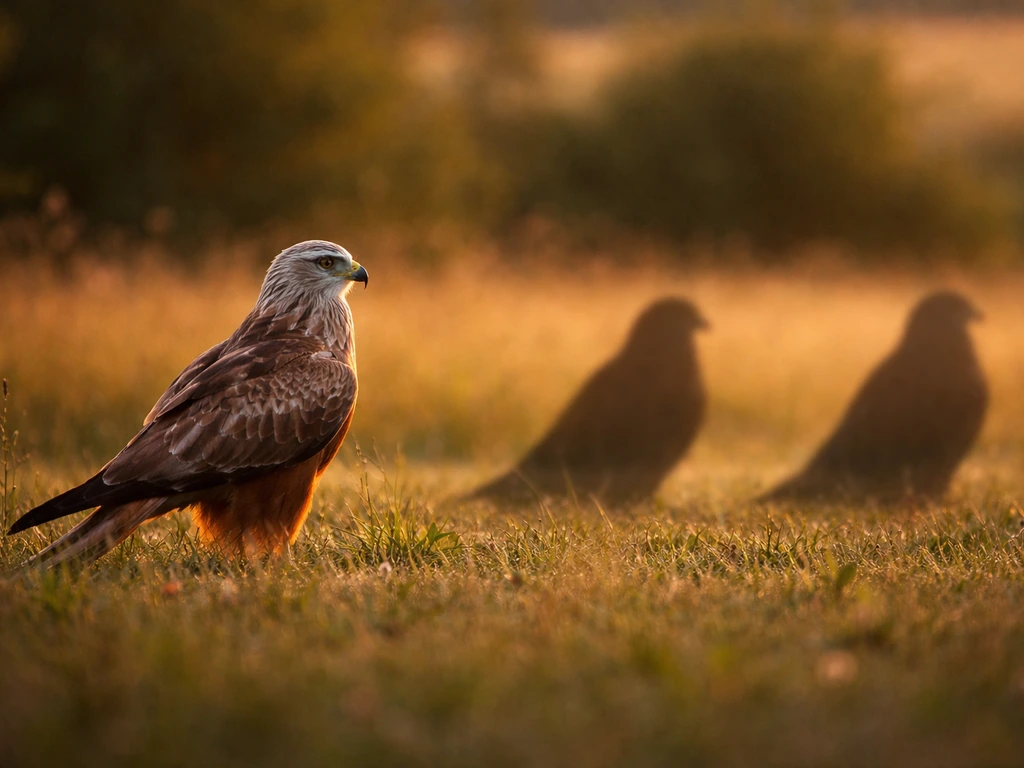
The history here is remarkable, and it goes a long way toward explaining why this particular bird carries so much weight in Welsh identity. By the early 20th century, the red kite had been hunted, poisoned, and persecuted almost entirely out of existence across Britain. The only surviving population clung on in the remote valleys of mid-Wales, making Wales the literal last refuge of the species on the island.
That near-extinction story turned the red kite into something more than a bird. It became a conservation cause, a point of national pride, and eventually a symbol of Welsh resilience. Decades of protection work followed, supported by landowners, volunteers, and organisations including the Welsh Kite Trust, which was set up in 1996 specifically to maintain and build on conservation success in Wales. The Woodland Trust puts it plainly: the bird was once confined entirely to Wales before slowly returning to other parts of the UK through reintroduction programmes.
By the time the 2007 public vote came around, the red kite already felt like a Welsh bird to most people. The vote simply made that sentiment official in the eyes of the public.
What the Red Kite Means in Welsh Culture
The red kite appears across Welsh life in ways that go well beyond birdwatching. Powys County Council uses it as the symbol on their branding, which speaks to how deeply the bird is embedded in the identity of mid-Wales, the region most associated with its survival. Tourism in areas like the Cambrian Mountains leans heavily on red kite feeding stations as visitor attractions, turning the bird into an economic and cultural asset.
The Welsh Government has also connected the red kite to broader cultural diplomacy, using it in artwork that celebrates the shared cultural connections between Wales and Ireland. That's a good example of how a national bird can carry a country's identity outward into the world, acting as a kind of shorthand for Welsh values, particularly around conservation and the relationship between people and landscape.
Welsh Icons, a well-known catalogue of Welsh emblems and symbols, includes the red kite alongside the dragon, the daffodil, and the leek. That company it keeps tells you everything about how seriously the Welsh take it as a national emblem.
Red Kite Facts Worth Knowing
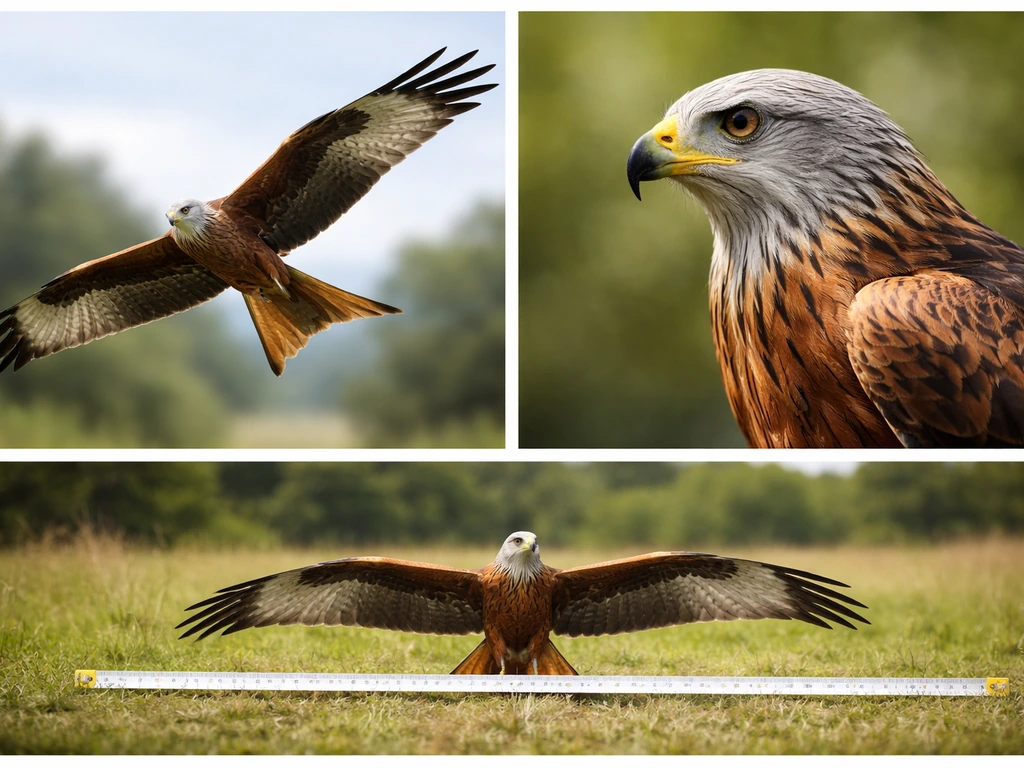
If you're a bird enthusiast (or just want to recognise one when you see it), here's what makes the red kite distinctive.
- Wingspan: up to 195 cm (around 6.4 feet), making it one of Britain's larger birds of prey.
- Colouring: rich chestnut-red body, pale grey head, and a deeply forked russet tail that's its most recognisable feature in flight.
- Flight style: buoyant and effortless, with constant subtle adjustments of that forked tail to steer, which gives it an almost acrobatic quality.
- Diet: primarily carrion and earthworms, but also small mammals and birds. Not the apex predator many assume.
- Calls: a high-pitched, mewing whistle often described as one of the most evocative sounds in the British countryside.
- Nesting: builds large nests in woodland trees, often decorating them with scraps of paper, plastic, and cloth, a habit noted by ornithologists and casual observers alike.
- Conservation status: red kite numbers in Wales have recovered significantly, though the species remains on the Amber List for UK birds of conservation concern according to the BTO and RSPB.
- Lifespan: typically around 4 years in the wild, though individuals can live considerably longer.
The RSPB and BTO both maintain detailed species pages for the red kite with current population data, identification guides, and range maps. These are the go-to sources if you want accurate, up-to-date natural history information rather than the cultural overview this article focuses on. The Wellbeing of Wales 2024: a resilient Wales content from GOV.WALES notes that bird numbers are up for the Red Kite in Wales, alongside several other species bird numbers are up for “Red Kite”.
Where to Verify This and Learn More
If you want to fact-check or dig deeper, these are the most reliable places to look.
- Wales.com (the official Welsh tourism and culture site): its national symbols page directly confirms the red kite and the 2007 vote.
- The Welsh Government's own news releases: searching for red kite on gov.wales turns up references to the bird as the commonly recognised national bird.
- Wikipedia's 'National symbols of Wales' article: a useful overview that contextualises the red kite alongside other Welsh emblems and is honest about the informal nature of its status.
- The Welsh Kite Trust (welshkitetrust.org): the specialist conservation organisation for red kites in Wales, with history, sightings data, and feeding station information.
- RSPB and BTO species pages: the authoritative sources for biology, identification, and conservation status of the red kite as a species.
- Welsh Icons: a cultural reference for the full set of Welsh emblems, useful for seeing how the red kite sits alongside other national symbols.
If you're exploring national birds more broadly across Europe, Wales makes for an interesting case study compared to countries like Norway, Finland, Sweden, Portugal, or the Netherlands, where national bird designations range from informal tradition to formally recognised status. The national bird of Norway is the white-tailed eagle. If you are wondering about Portugal specifically, its national bird is the goldfinch. Sweden's national bird is the white-tailed eagle, often associated with the country's wildlife and coastal regions. The red kite's story, grounded in near-extinction and remarkable recovery, gives Wales one of the more compelling bird-symbol narratives on the continent. The Netherlands, for example, is known for its national bird, the barnacle goose.
FAQ
Is the red kite officially designated in Welsh law as the national bird?
Yes, in practice many people use “national bird of Wales” to mean the red kite as a cultural emblem. However, it is not typically treated as a formally enacted state symbol in the way legislation would define. If you need a legally definitive answer (for an assignment rubric or official document), check for a formal statutory designation rather than relying on common usage.
What is the red kite’s scientific name, and are there lookalikes?
The red kite is scientifically Milvus milvus. If you are looking at photos online, be careful not to confuse it with similar raptors like the black kite (often bigger and darker overall) in regions where both occur.
How do I reliably recognize the red kite from a distance?
You can generally spot the red kite by its forked tail, broad wings, and the coppery or reddish-brown tone on the body, with paler underparts. In the air, its slow gliding style and deeply forked tail are usually what help most people confirm an ID at a distance.
Does the “national bird” label depend on the red kite being only found in Wales today?
The conservation story matters for why it became a symbol, but “national bird” is still about identity and recognition, not current survival status. The red kite is no longer considered confined to Wales, because reintroduction and protection efforts helped it return to other parts of the UK.
Why might I see other Wales bird symbols mentioned, yet the answer is still the red kite?
In Wales you may also hear references to other wildlife symbols, local council branding, or regional emblems. If your quiz question specifically says “national bird,” the expected answer is still the red kite, but if it says “national symbol of wildlife” or “Welsh emblem,” the wording can broaden what counts.
What if a source published before 2007 names a different bird for Wales?
If your source is an older book or a website created before the 2007 public vote, it might list another bird or describe competing candidates. For time-sensitive questions, treat 2007 public recognition as the key point for popular consensus, unless a source explicitly claims a legal designation.
What’s the best way to phrase the answer in an essay to avoid losing points?
For a school essay or quiz, keep the answer simple: the red kite is the national bird. If you want extra marks, add the key nuance that its status is based on public and cultural recognition rather than a formal legal act, then briefly mention the near-extinction and recovery story.
Where can visitors commonly see the red kite in Wales, and does that matter for its emblem status?
If you are asking as a tourist, there are often visitor points centered on red kite feeding stations in areas like the Cambrian Mountains, especially for viewing opportunities. That can help you connect the “symbol” to real-world experiences, but it is not the same as a government-run official designation.
Next Articles
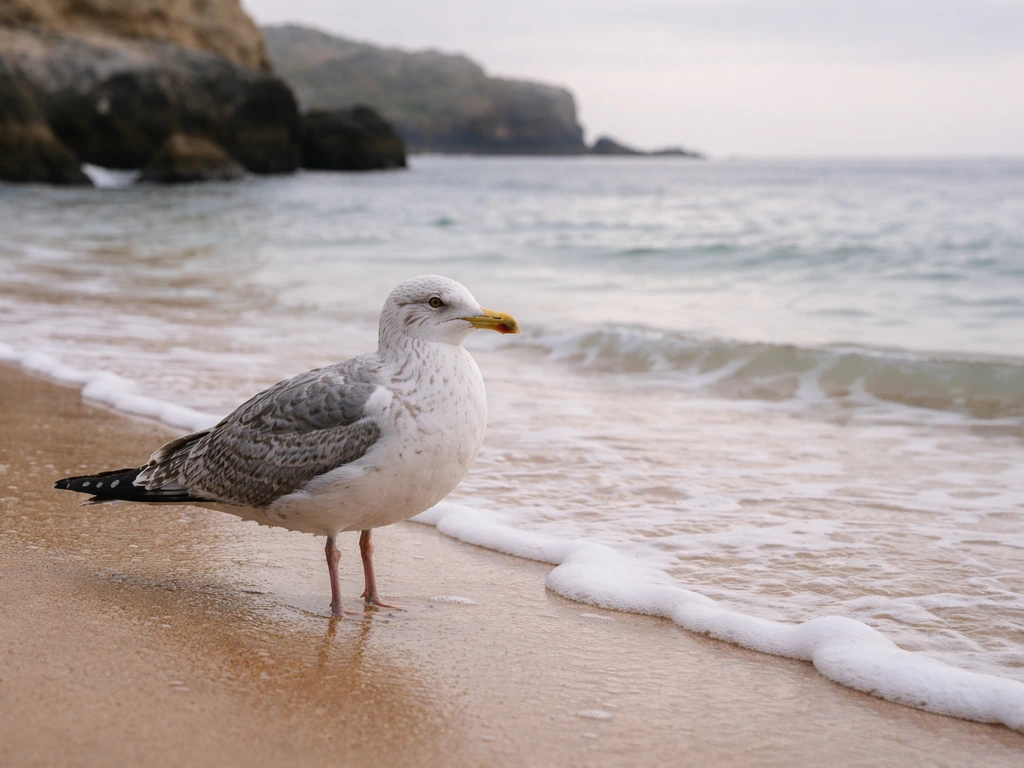
What Is the National Bird of Portugal? Symbol and Facts
National bird of Portugal is the common gull, a coastal symbol tied to maritime identity and national heritage.
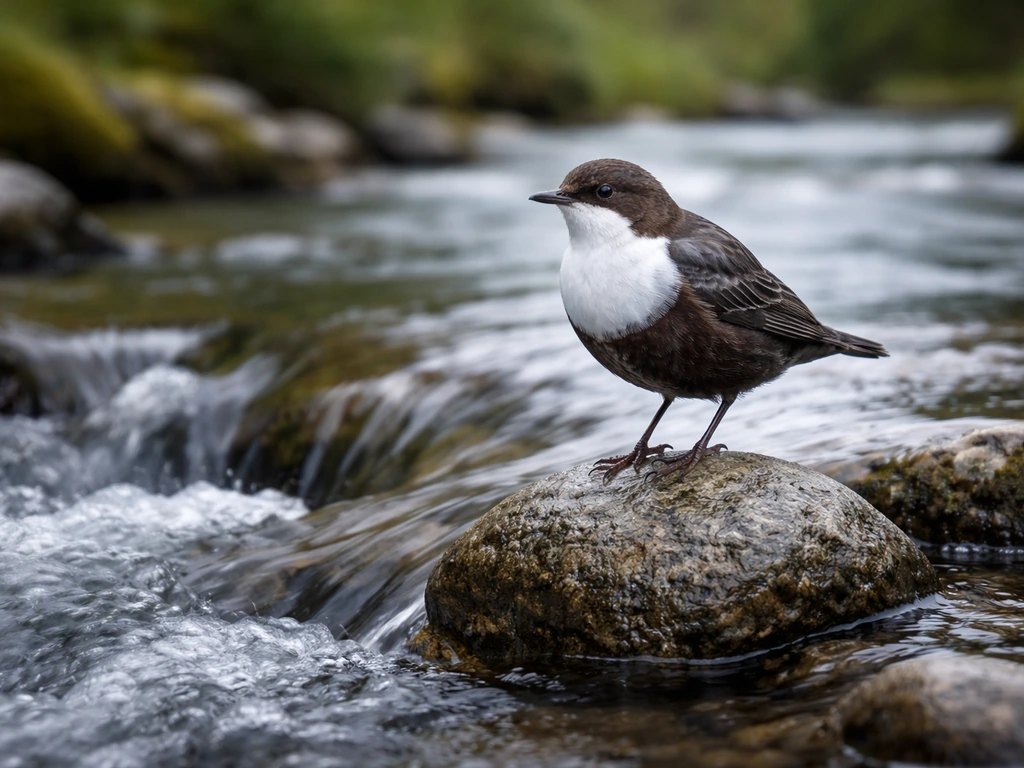
What Is the National Bird of Norway? Meaning and History
Learn what Norway’s national bird is and the history and symbolism behind why the chosen bird represents the nation.
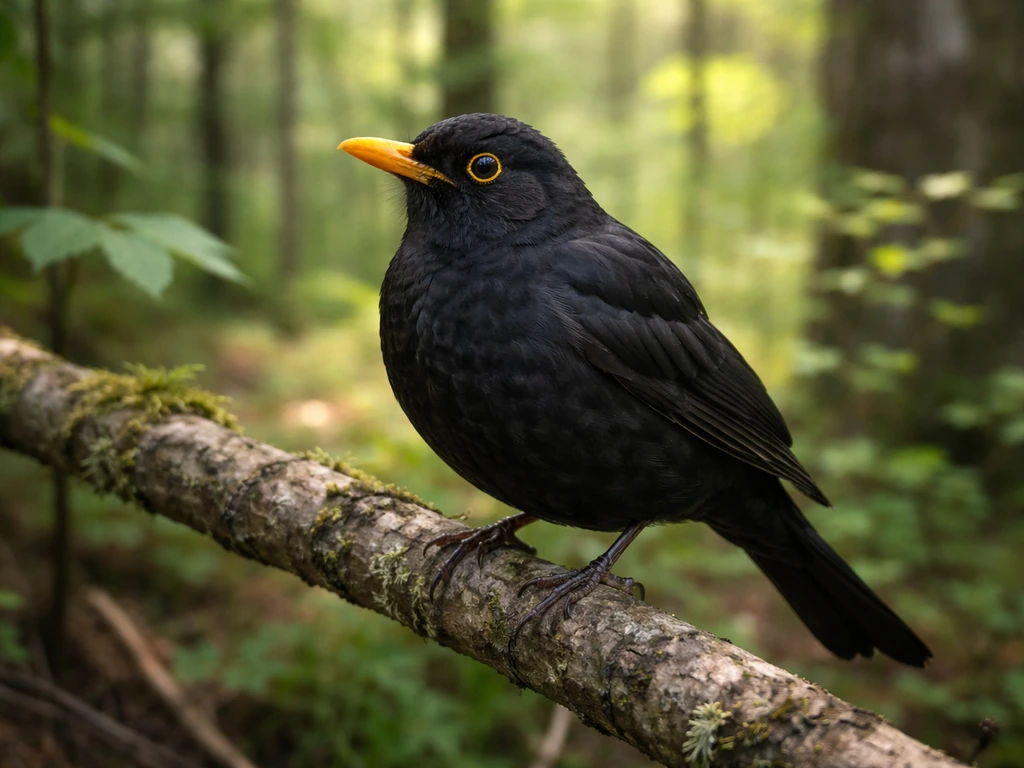
What Is Sweden’s National Bird? Eagle Symbol and History
Find Sweden’s national bird, its eagle symbolism in Swedish culture, and the history behind choosing it, plus key facts.