
Paraguay's national bird is the Pájaro Campana, known scientifically as Procnias nudicollis. It was officially declared the national bird by Law No. Law No. 2511 declares the Pájaro Campana (Procnias nudicollis) as Paraguay’s national bird, with Article 1 stating the declaration blank" rel="noopener noreferrer">officially declared the national bird by Law No.. 2511, whose Article 1 states plainly: 'Declárase como Ave Nacional al Pájaro Campana (Procnias Nudicollis).' That's the definitive answer, backed by legislation from Paraguay's own congress.
What Is the National Bird of Paraguay? Meaning and ID

Marcus Chen
5 Jun 2026
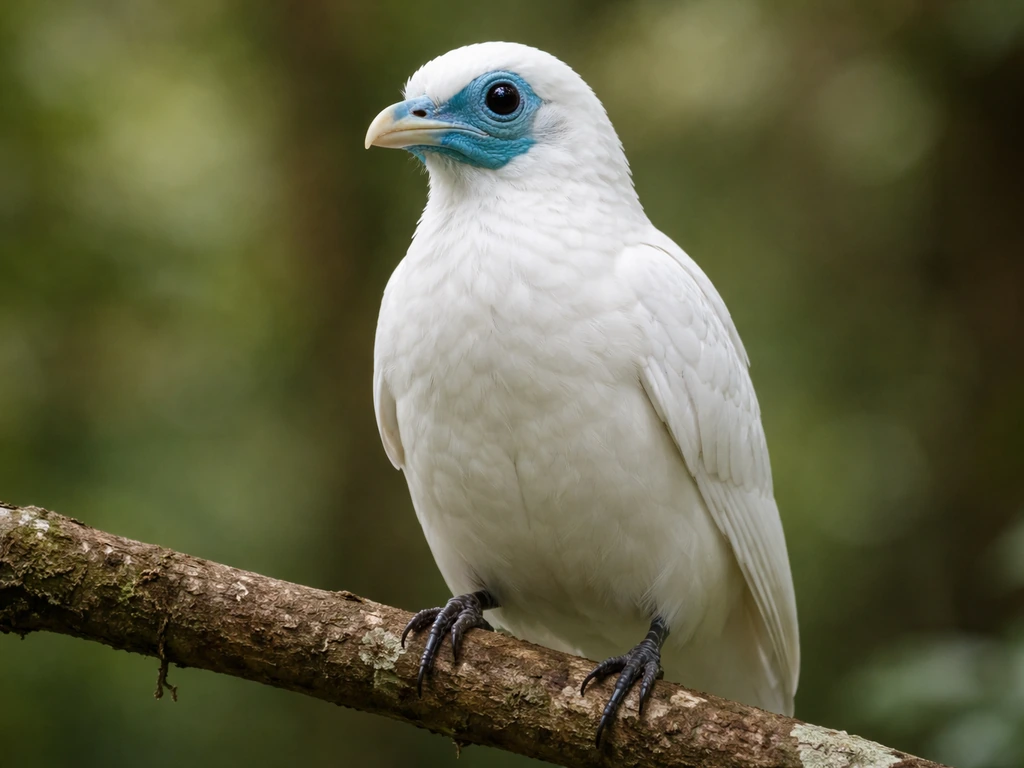
What the name means and what the bird symbolizes
Pájaro Campana translates directly as 'bell bird' in Spanish, and the name tells you everything about why this bird stands out. Its call is one of the loudest and most distinctive sounds in the South American forest, a clear, resonant tone that carries far through dense subtropical woodland. In Paraguayan culture, that ringing call has long been associated with the sounds of the natural landscape that defines the country's interior.
Symbolically, the Pájaro Campana represents the richness of Paraguay's native forests, particularly the Atlantic Forest region in the east of the country. Choosing a bird known for its voice rather than just its appearance says something about Paraguayan identity: this is a country that values its deep roots in nature and its unique ecological heritage. The bird's presence signals a healthy, intact forest, making it a living indicator of environmental wealth.
How Paraguay made it official
The formal designation came through Law No. 2511, passed by Paraguay's National Congress. The law's full title leaves no room for confusion: 'LEY N° 2511 QUE DECLARA COMO AVE NACIONAL AL PAJARO CAMPANA (PROCNIAS NUDICOLLIS).' Article 1 makes the declaration, and Article 2 is particularly interesting: it establishes a design-selection contest process, meaning Paraguay didn't just name the bird and move on. The legislation actively encouraged public and artistic engagement with the new national symbol. This kind of participatory process reflects how seriously Paraguayans took the designation, turning it into a cultural event rather than just a bureaucratic announcement.
The law is archived and searchable through the Biblioteca y Archivo del Congreso Nacional (BACN) and is also confirmed through Justia Paraguay, both of which display the original legislative text. If you ever want to verify the designation yourself, those are the two most reliable primary sources to check.
What the Pájaro Campana actually looks like
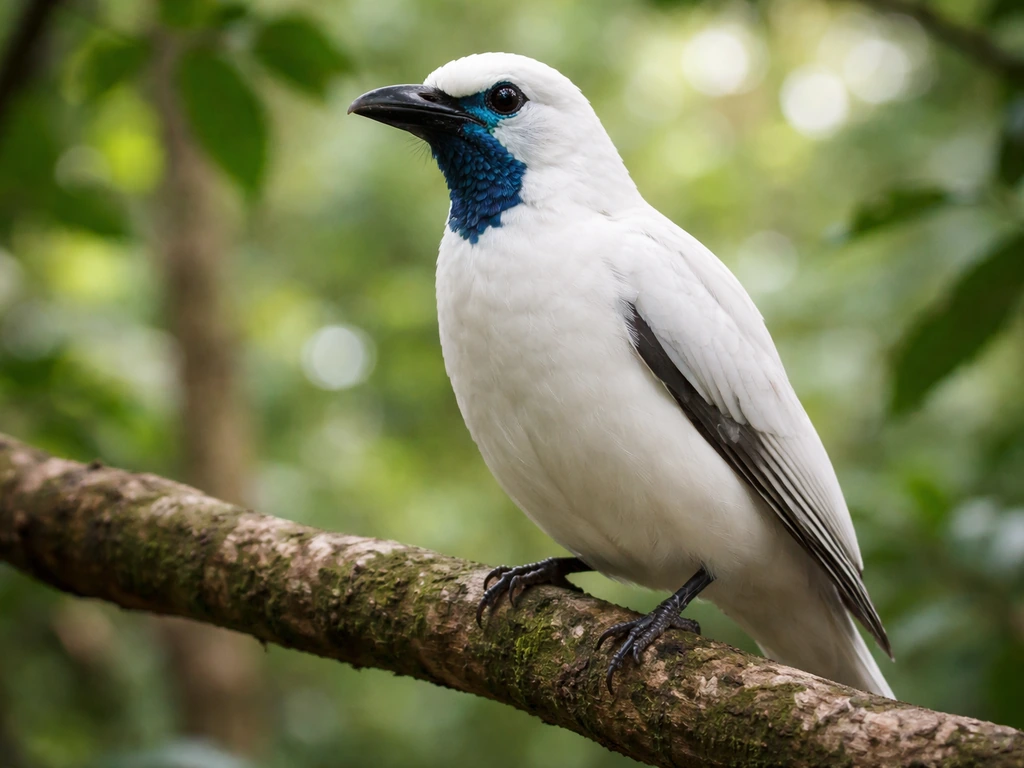
The bare-throated bellbird (the common English name for Procnias nudicollis) is a striking bird in the male form. Adult males are almost entirely white with a patch of bare, bright turquoise-blue skin around the face and throat, which gives the species its scientific species name 'nudicollis,' meaning bare-necked. That bare facial skin is the single most reliable identification feature. Females and immature birds look completely different, with olive-green and yellowish-streaked plumage that blends into forest canopy, which sometimes surprises people who only know the white male.
The bird belongs to the cotinga family (Cotingidae), a group known for dramatic plumage and remarkable vocalizations across South America. The Pájaro Campana sits in the mid-canopy and upper forest layers, often singing from exposed perches where its call can project as far as possible. The call itself is described as a loud, hammer-like metallic 'bonk' or bell tone, sometimes repeated persistently for long stretches. Once you've heard it, you won't confuse it with anything else in the forest.
Key identification at a glance
| Feature | Male | Female / Immature |
|---|---|---|
| Plumage | Mostly white | Olive-green with yellow streaks |
| Facial skin | Bare turquoise-blue patch | Normal feathered face |
| Size | Medium-large songbird, around 28 cm | Similar size |
| Voice | Loud, resonant metallic bell or 'bonk' call | Less vocal |
| Habitat | Atlantic Forest canopy, subtropical woodland | Same |
The bird's place in Paraguayan culture and stories
The Pájaro Campana has been woven into Paraguayan folklore and music long before it became an official national symbol. Its call is referenced in traditional Paraguayan songs and poetry as a sound tied to the forests of the east, a kind of acoustic marker of home for people from those regions. Guaraní-speaking communities, who form a foundational part of Paraguay's cultural identity, have their own name and stories associated with the bird, connecting it to the natural world that Guaraní oral tradition has documented for centuries.
The designation of the Pájaro Campana as national bird also carries a conservation message. Paraguay's Atlantic Forest is one of the most threatened ecosystems in South America, having lost a large portion of its original cover. Elevating this forest-dependent bird to national symbol status draws attention to that ecosystem's fragility and importance. In that sense, the bird serves as both a cultural emblem and a quiet call to protect what remains.
The design contest referenced in Article 2 of Law No. 2511 also meant the bird started appearing in officially commissioned artwork and imagery, giving it a presence in Paraguayan civic and educational materials. Schools, nature organizations, and environmental campaigns in Paraguay regularly use the Pájaro Campana as a recognizable symbol when promoting forest conservation.
How to verify this and explore further

If you want to confirm the official designation directly, here's exactly where to look. The Biblioteca y Archivo del Congreso Nacional (BACN) of Paraguay hosts the original legislative text of Law No. 2511. Justia Paraguay also displays Articles 1 through 3 of the same law. Both sources are free to access and show the Spanish-language text with the scientific name included, so there's no ambiguity about which species is meant.
One thing worth knowing: some older informal sources list the Rufous-bellied thrush or other local birds as candidates or popular favorites, but none of those have legislative backing. Law No. 2511 and the Pájaro Campana (Procnias nudicollis) are the definitive, official answer.
If you're curious how Paraguay's choice compares to its neighbors, it's an interesting regional conversation. If you meant the national bird of a specific country in South America, the answer varies, such as Paraguay's Pájaro Campana. Countries like Bolivia, Venezuela, and Ecuador have each chosen birds that reflect their own distinct landscapes and cultural identities, from Andean condors to tropical species unique to their ecosystems. The national bird of Bolivia is the Andean condor.
Venezuela's national bird is the carib ruinbird. If you want the exact answer for Ecuador, it has its own official national bird as well Ecuador have each chosen birds. Ecuador’s national bird is the one officially recognized for the country, and you can find it named in reliable government and reference sources what is ecuador's national bird. Paraguay's selection of a forest bellbird fits neatly into the South American pattern of choosing birds that speak to a country's specific natural environment rather than picking the most visually dramatic option.
Quick reference summary
- Official national bird: Pájaro Campana (Procnias nudicollis)
- Declared by: Law No. 2511, National Congress of Paraguay
- Key ID feature: White male plumage with bare turquoise-blue facial skin
- Habitat: Atlantic Forest and subtropical woodland in eastern Paraguay
- Symbolism: Paraguay's natural forest heritage, Guaraní cultural ties, and conservation awareness
- Verification sources: BACN (Biblioteca y Archivo del Congreso Nacional) and Justia Paraguay
FAQ
How can I be sure I am looking at the correct species (Procnias nudicollis), not a similar forest bird?
Focus on the male’s bare turquoise-blue throat and face skin (the most reliable field mark). Females and juveniles look very different, with olive and yellowish streaking, so don’t rely on “white” plumage alone if you only spot non-males.
Is the national bird name the same in Spanish and English, and does that cause confusion?
In Spanish it is Pájaro Campana, and in English it is commonly called the bare-throated bellbird. The shared “bell” idea usually ties to the same species, but avoid assuming an English nickname automatically means a different bird, confirm the scientific name Procnias nudicollis when possible.
Where in Paraguay is the Pájaro Campana most likely to be heard or seen?
It is most associated with forest areas, especially the Atlantic Forest region in the east. Because it sings from exposed perches in mid to upper canopy, you may hear it more often than you can spot it, particularly during times of active calling.
What does the “design-selection contest” in Law No. 2511 actually change for everyday people?
It affects how the bird appears in official civic and educational visuals, it helped drive commissioned artwork and public-facing materials rather than leaving the designation purely administrative. In practice, you may see the same bird used in campaigns, school projects, and conservation branding.
Are there any other birds commonly suggested as candidates before, or instead of, the Pájaro Campana?
Yes, some older informal lists mention other local birds, but the official designation comes from Law No. 2511 naming Procnias nudicollis. If a source does not match the law’s scientific name, treat it as speculation rather than the national symbol.
Can the Pájaro Campana’s call be used to confirm the bird?
Often, yes. The call is described as a loud metallic “bonk” or bell-like tone that can be repeated persistently. However, distant or partially heard calls can be misattributed in dense forest, so use voice plus key visual features (especially the male’s bare blue throat skin) when you can.
Does the national bird designation imply any conservation rules for the species itself?
The article emphasizes it as a conservation message and cultural emblem rather than a species-specific regulation. A national symbol can raise awareness, but you still need to rely on Paraguay’s broader environmental laws and protected-area policies for direct protection measures.
If I see a photo of a “bellbird,” how should I verify it is the national bird of Paraguay?
Check whether the caption or metadata states Procnias nudicollis (or at least refers to bare-throated bellbird/Pájaro Campana). If the bird shows a very different throat pattern or scientific name, it is likely a different species, since “bellbird” is a nickname used for multiple unrelated birds in different regions.
Next Articles
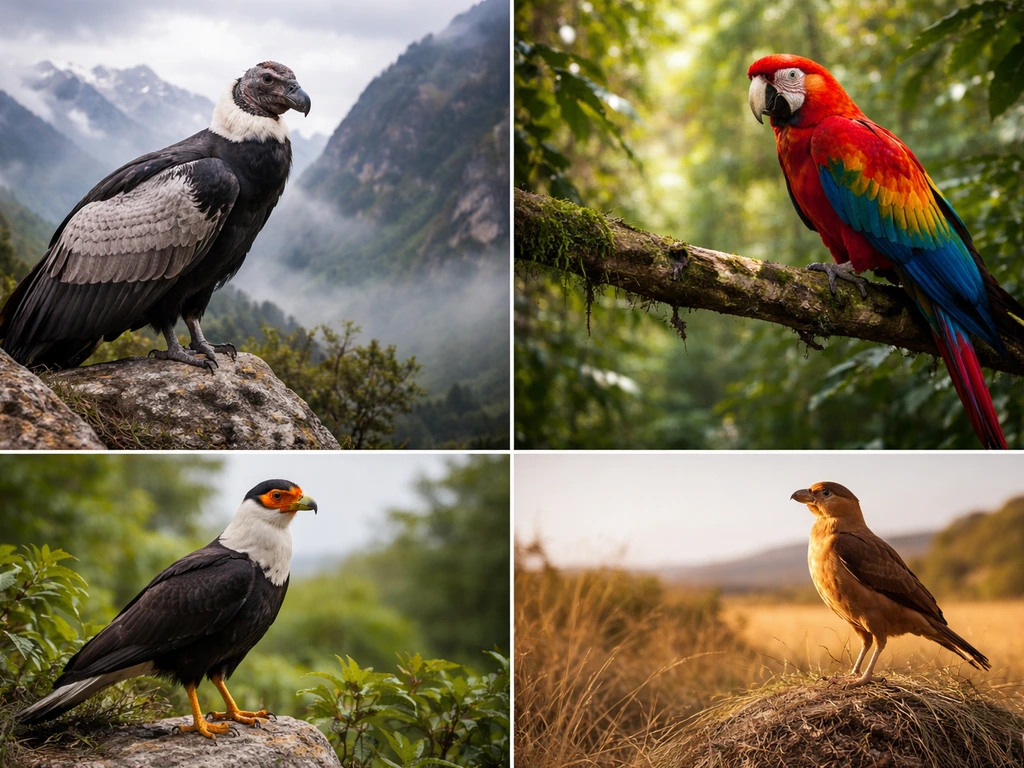
What Is the National Bird of South America? Answers by Country
Find the national bird by country across South America, with symbolism, history, and quick tips to verify official sourc
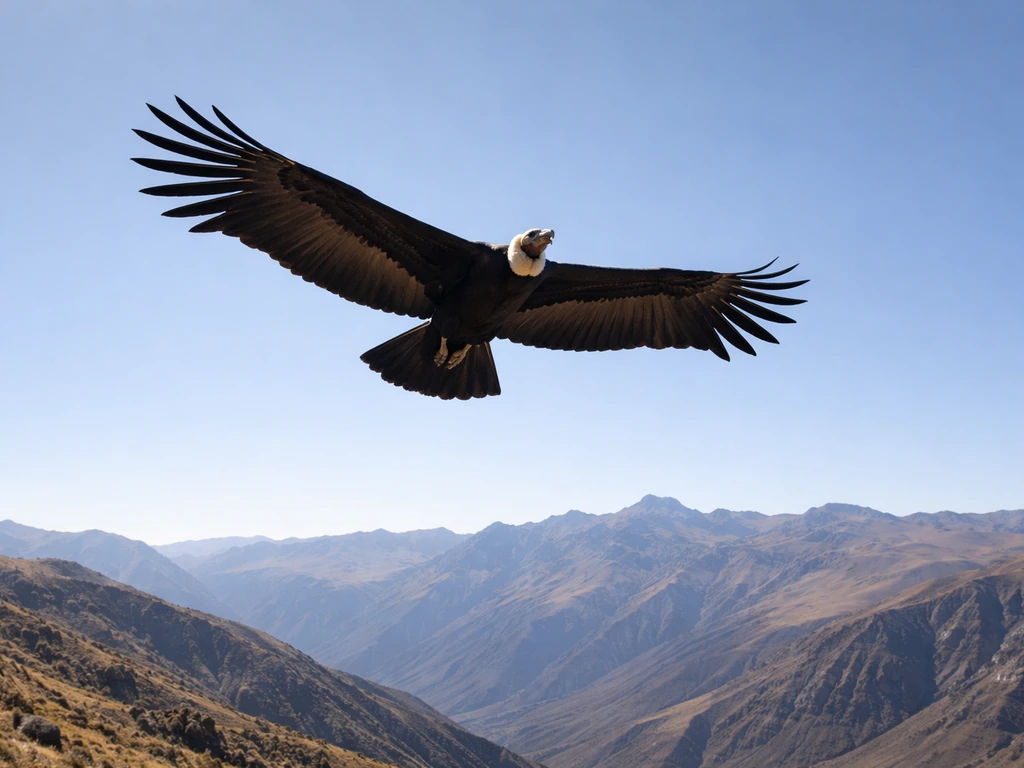
What Is the National Bird of Bolivia? Condor Meaning and Facts
Bolivia national bird is the Andean condor, with its emblem meaning, adoption history, and key facts on range and appear

What Is Ecuador’s National Bird? The Official Answer
Ecuador’s national bird is the Andean condor, with symbolism, where it lives, key traits, and observation tips.