Bhutan's national bird is the raven, specifically the Tibetan raven (Corvus corax tibetanus), a subspecies of the Common Raven. This is confirmed by official Bhutanese government publications, including a Bhutan Ministry of Energy and Natural Resources document that explicitly names the Common Raven (Corvus corax) as the national bird. Bhutan’s Ministry of Energy and Natural Resources states that the national bird is the Common Raven (Corvus corax).
What Is the National Bird of Bhutan? Meaning and Facts

Marcus Chen
15 Jun 2026
The official name and what it actually is
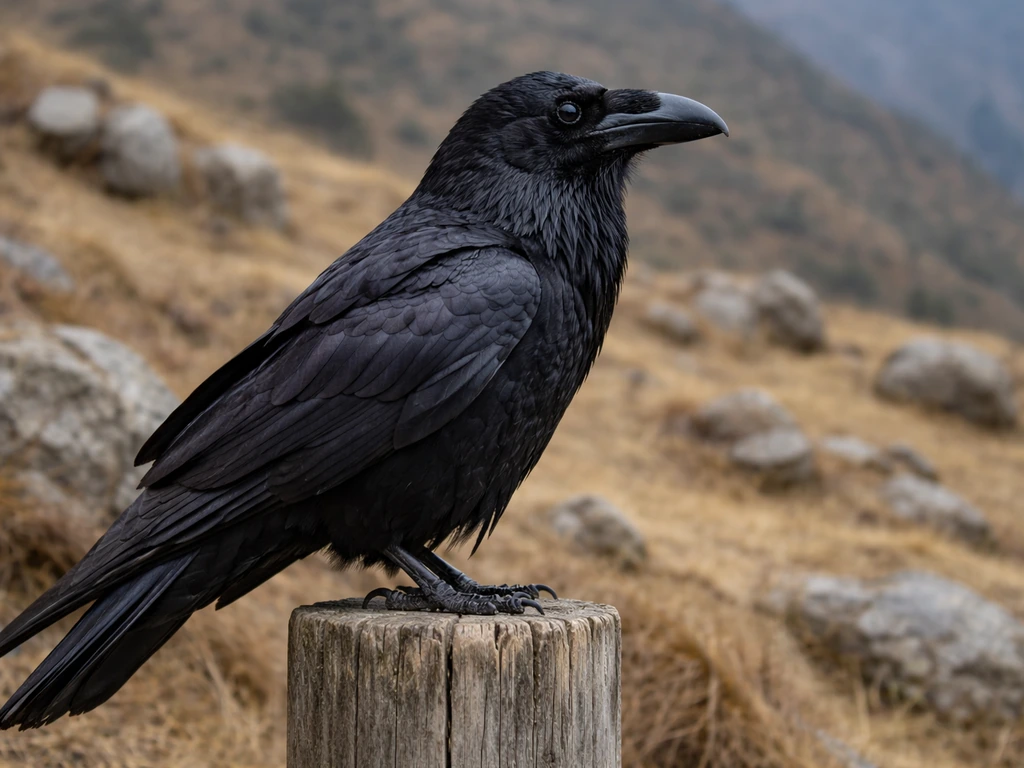
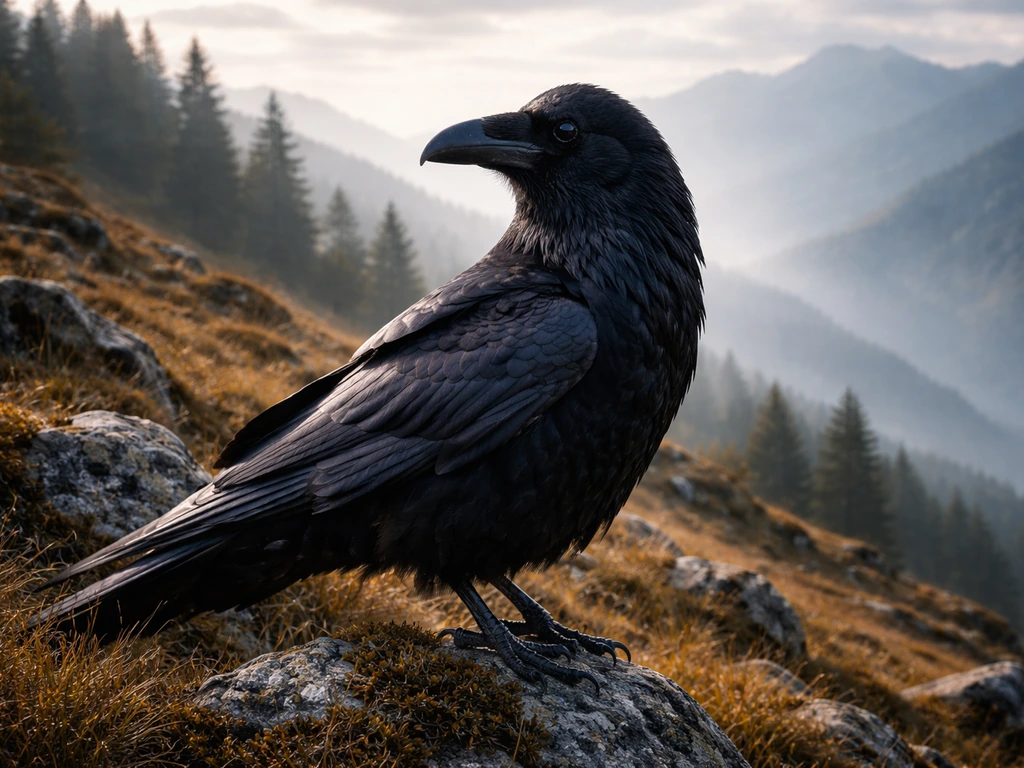
The national bird of Bhutan is the raven. The subspecies most closely associated with Bhutan is Corvus corax tibetanus, the Tibetan raven. Bhutan's biodiversity resources describe it this way: the national bird is a subspecies of the Common Raven (Corvus corax). So if you see it listed as either 'raven,' 'Common Raven,' or 'Tibetan raven' in Bhutanese national-symbol contexts, they are all referring to the same bird.
Why Bhutan chose the raven
The raven isn't just a bird that happens to live in Bhutan. It holds deep spiritual significance in Bhutanese culture. The raven represents Gonpo Jarodongchen, also written as Jarog Dongchen, which translates roughly as the 'Raven-headed Mahakala.' This is one of Bhutan's most important guardian deities, a protector figure in Vajrayana Buddhism who watches over the country and its people.
Choosing the raven as a national emblem is essentially a way of connecting the living natural world to this protective spiritual tradition. The raven isn't just admired for its looks or ecological role. It is seen as a living symbol of divine protection, and that meaning runs through Bhutanese religious and royal life in a way that few other symbols can match.
The Raven Crown connection
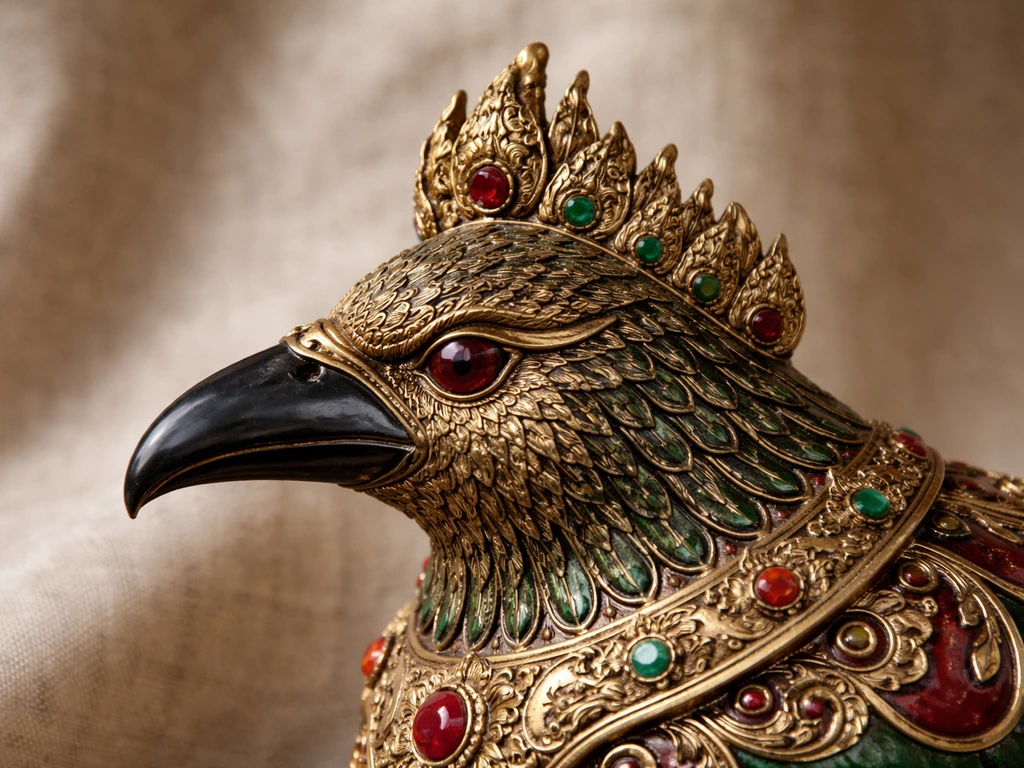
One of the strongest links between the raven and Bhutan's national identity is the famous Raven Crown worn by Bhutan's kings. The crown features a raven-head design, directly referencing the guardian deity Jarog Dongchen. This makes the raven not just a symbol of nature or wildlife, but a symbol woven into the fabric of Bhutanese monarchy and governance. The kings wearing the Raven Crown are, in a sense, placing themselves under the protection of the raven deity. That royal connection gives the bird a weight and gravitas that goes well beyond its role as a national animal emblem.
When was it officially designated?
The raven is widely cited as having been officially designated Bhutan's national bird in 2006. While the spiritual and royal symbolism connecting Bhutan to the raven predates any formal declaration by centuries, 2006 is the year most commonly referenced in Bhutanese cultural and travel sources as the point of official designation. Found Bhutan also notes that the raven was officially designated as Bhutan’s national bird in 2006 official designation in 2006.
Raven facts: what to know about the bird itself
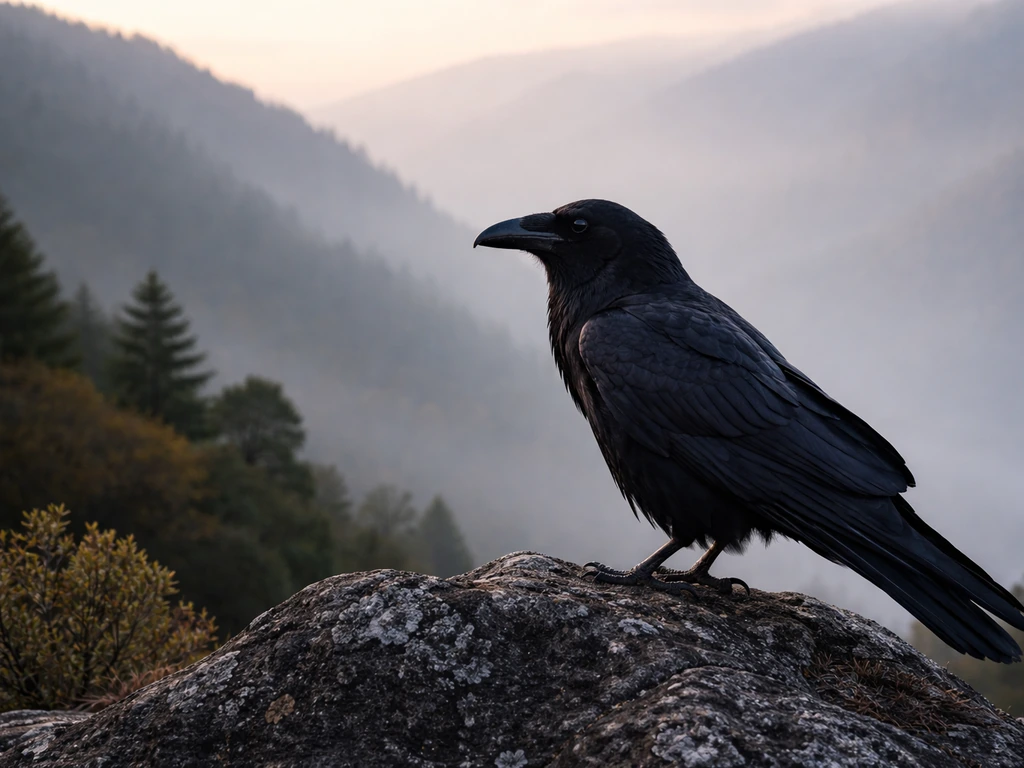
If you want to understand why the raven feels right as a national symbol for a country like Bhutan, a few key traits stand out. The Tibetan raven is a large, all-black bird with glossy plumage that can appear almost iridescent in good light. Younger birds are somewhat duller and can look slightly brownish, but adults are unmistakably deep black from beak to tail.
- Scientific name: Corvus corax tibetanus (Tibetan raven subspecies of the Common Raven)
- Appearance: Large all-black corvid, glossy plumage in adults, slightly duller in juveniles
- Intelligence: Ravens are widely recognized as among the most intelligent birds in the world, capable of problem-solving and tool use
- Diet: Omnivorous and adaptable, eating everything from carrion to small animals to plant material
- Habitat in the region: Found in high-altitude areas including the Tibetan Plateau and the southern slopes of the Himalayas, from Pakistan through to Bhutan, typically above 2,500 meters
- Conservation status: Least Concern on the IUCN Red List, meaning the species is not currently threatened globally
- Family: Corvidae (the crow and jay family)
The raven's intelligence and adaptability make it a fitting emblem for a country that has navigated its own identity between powerful neighbors with remarkable resilience. These aren't just appealing traits on paper. They reinforce why Bhutanese tradition elevated this bird to divine guardian status in the first place.
Don't confuse the raven with Bhutan's other national symbols
A common point of confusion in searches about Bhutan's national symbols is mixing up which symbol belongs to which category. Here's a quick breakdown so you don't end up citing the wrong one:
| Symbol Category | Bhutan's Choice |
|---|---|
| National Bird | Raven (Corvus corax tibetanus) |
| National Animal | Takin (Budorcas taxicolor whitei) |
| National Flower | Himalayan Blue Poppy (Meconopsis gakyidiana) |
| National Tree | Himalayan Cypress (Cupressus torulosa) |
The takin is probably the most commonly confused symbol. It's Bhutan's national animal, a large bovine-like creature that is also deeply tied to Bhutanese folklore. The raven is the national bird, not the national animal. Fiji, for example, has its own national bird that reflects the country's wildlife and heritage. The national bird of Mauritius is a different species entirely, so be sure you are looking at the correct country’s official symbol. These are entirely separate designations, and both are official. Some online sources muddle this, so it's worth being specific when referencing either one.
It's also worth noting that other Asian nations with strong Buddhist traditions have their own distinctive national bird choices. Countries like Sri Lanka, Cambodia, and Mongolia have each selected birds that reflect their own cultural and ecological landscapes. Mongolia’s national bird is the horsehead goose, a distinctive waterfowl found across the country Mongolia have each selected birds.
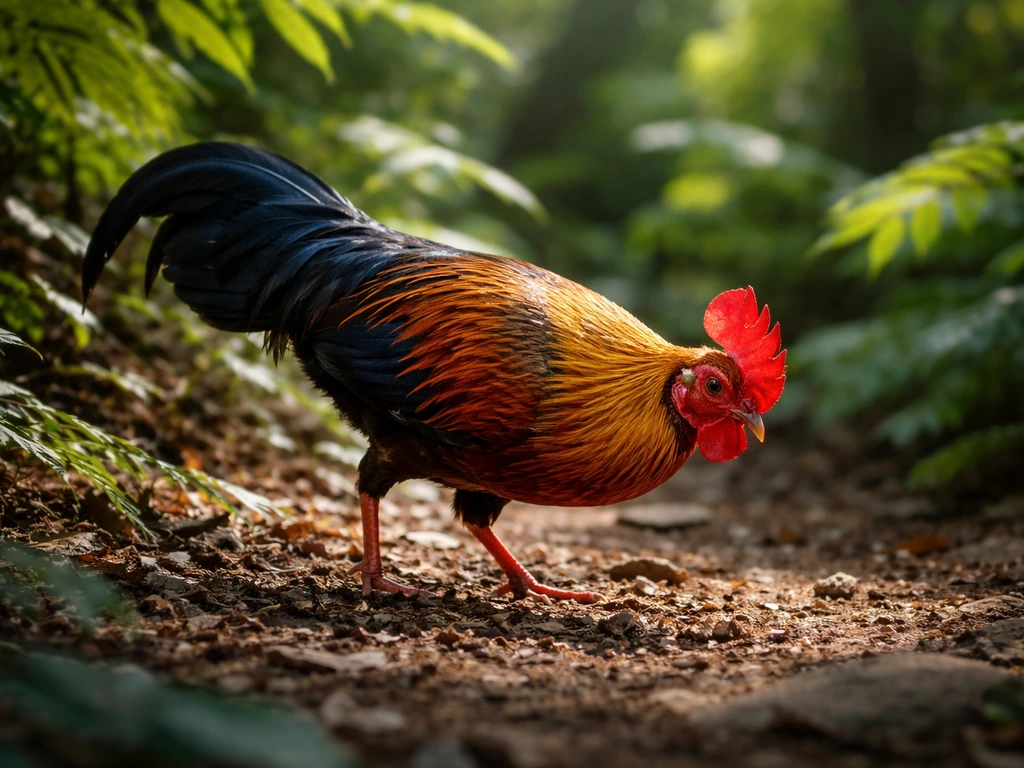
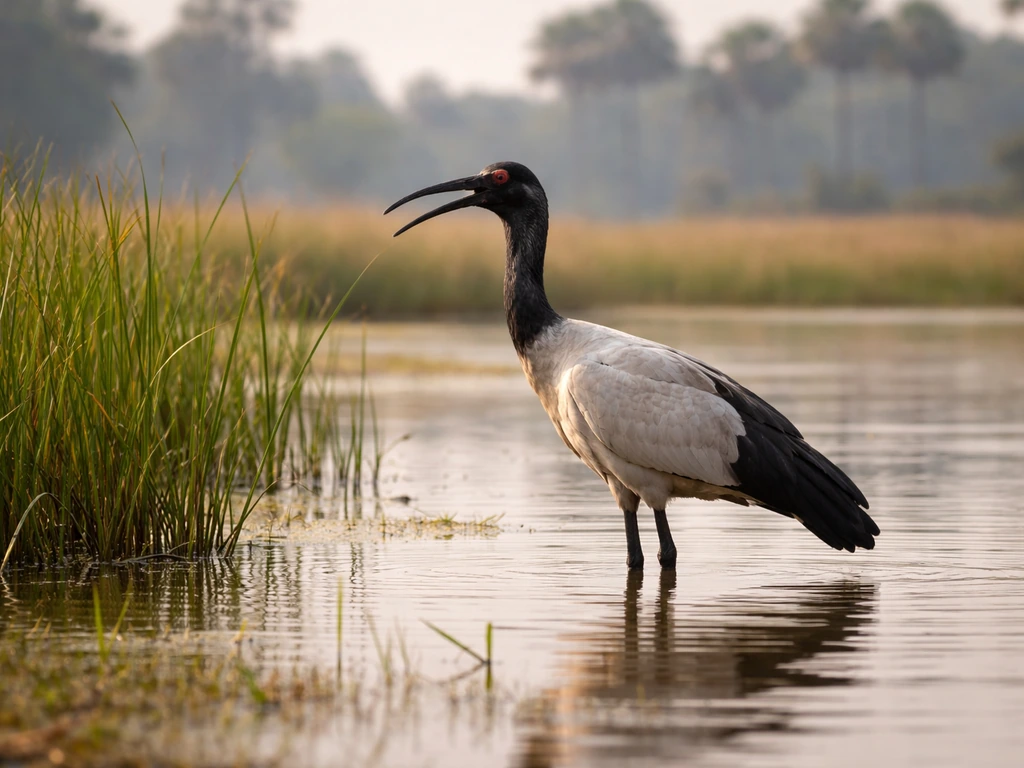
Cambodia, for example, has its own distinct national bird: the rare ibis, known for its distinctive appearance and cultural significance national bird of cambodia. For example, Sri Lanka's national bird is the junglefowl (specifically the Sri Lankan junglefowl). Bhutan's raven stands apart from those choices precisely because of the direct connection to a specific guardian deity and the royal crown tradition, which gives it an unusually rich symbolic layer.
How to verify this and keep learning
If you want to confirm the raven's status from authoritative sources or dig deeper into the symbolism, here are the most useful paths:
- Look up the Bhutan Ministry of Energy and Natural Resources publication 'Water: Securing Bhutan's Future,' which explicitly names the Common Raven (Corvus corax) as Bhutan's national bird. It's one of the clearest government-level confirmations available.
- Check the Bhutan Biodiversity Atlas (part of the Bhutan Biodiversity Portal network), which has a dedicated page titled 'Raven: the national bird' with subspecies details and the deity symbolism explained clearly.
- Bhutan.com's national symbols page lists all of Bhutan's national emblems by category and directly states the raven represents Gonpo Jarodongchen (Mahakala).
- For the royal connection, search for resources on the 'Raven Crown of Bhutan' to understand how the bird's symbolism is embedded in the monarchy itself.
- To learn about the ecology of Corvus corax tibetanus in its Himalayan habitat, the IUCN species account and ornithological references covering high-altitude Himalayan birds are solid starting points.
The raven is one of the more symbolically layered national birds you'll encounter anywhere. Sri Lanka’s national bird is typically given as the Ceylon junglefowl. Most countries choose their national bird for ecological, cultural, or aesthetic reasons. Bhutan's choice connects all three of those things and adds a direct line to a centuries-old spiritual and royal tradition. Once you know the Raven Crown context, the designation makes complete sense.
FAQ
Is Bhutan’s national bird always called the Tibetan raven, or is “raven” enough?
In Bhutanese national-symbol contexts, “raven,” “Common Raven,” and “Tibetan raven” are commonly used for the same subspecies group (Corvus corax, specifically Corvus corax tibetanus). When you need precision, use the subspecies name for the clearest identification.
What is the exact difference between Bhutan’s national bird and its national animal?
Bhutan’s national bird is the raven, while its national animal is the takin. These are separate designations, so avoid substituting one for the other when citing facts, especially in quizzes, school projects, or travel guides.
Was the raven official in 2006, or is that just when people started saying it?
Many sources point to 2006 as the formal designation date, but the cultural and royal associations are older. If you are writing a strict “year established” statement, phrase it carefully as “commonly cited as official in 2006,” rather than claiming that symbolism began that year.
Are there other raven species in Bhutan that people might mistake for the national bird?
Yes, ravens and other corvids can look similar at a distance, especially in flight or low light. The national-bird reference is specifically the Common Raven group associated with Bhutan (Corvus corax tibetanus), so species-level wording matters when accuracy is required.
Does the Raven Crown mean all ravens are treated as a divine symbol, or only the specific one tied to the deity?
The crown’s design points to the guardian-deity connection (Raven-headed Mahakala), which is why the raven is used as a state-level symbol. In practice, the emblem represents that tradition, while everyday reverence is associated with the broader cultural meaning of the raven, not a claim that only one individual bird is sacred.
How can I avoid mixing Bhutan’s raven with other countries’ national birds in research?
Double-check the country name and the category (bird vs animal) before using any symbol. A common error is copying text from other national-symbol articles, so confirm whether the source is discussing Bhutan’s bird or Bhutan’s animal, then match the species to the correct category.
If I want to cite Bhutan’s national bird correctly, what terms should I use in one sentence?
Use a single clear phrasing like: “Bhutan’s national bird is the raven, specifically the Tibetan raven (Corvus corax tibetanus), a subspecies of the Common Raven.” This reduces confusion caused by sources that shorten “Tibetan raven” to just “raven.”