Fiji's national bird is the Kula, known in English as the Collared Lory. Its current accepted scientific name is Vini solitaria (you'll also see the older name Phigys solitarius in many references, including some Fijian conservation sources). It's a small, brilliantly coloured parrot found only in Fiji, and it's one of the most visually striking birds in the Pacific.
What Is the National Bird of Fiji? Meaning and Facts

Marcus Chen
12 Jun 2026
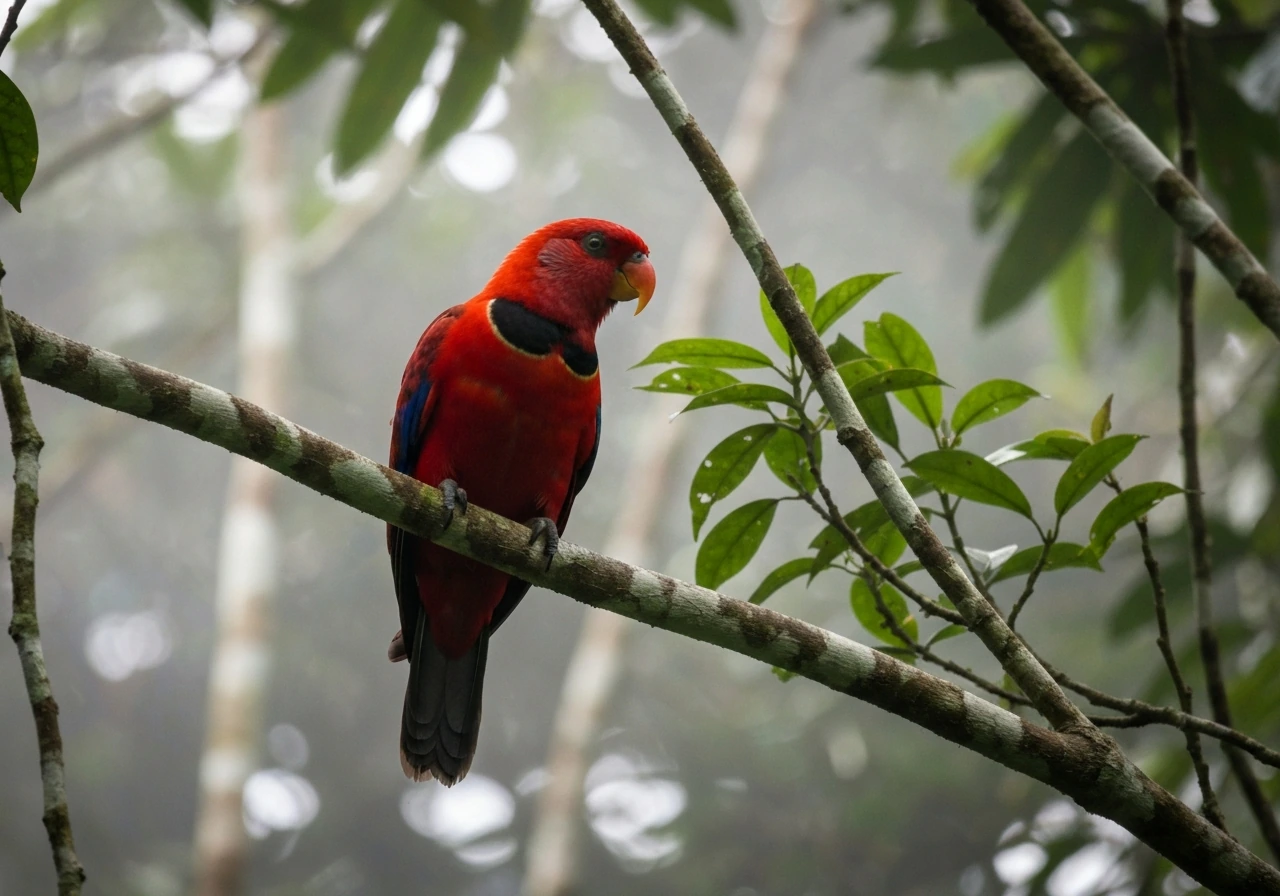
What exactly is the Collared Lory?
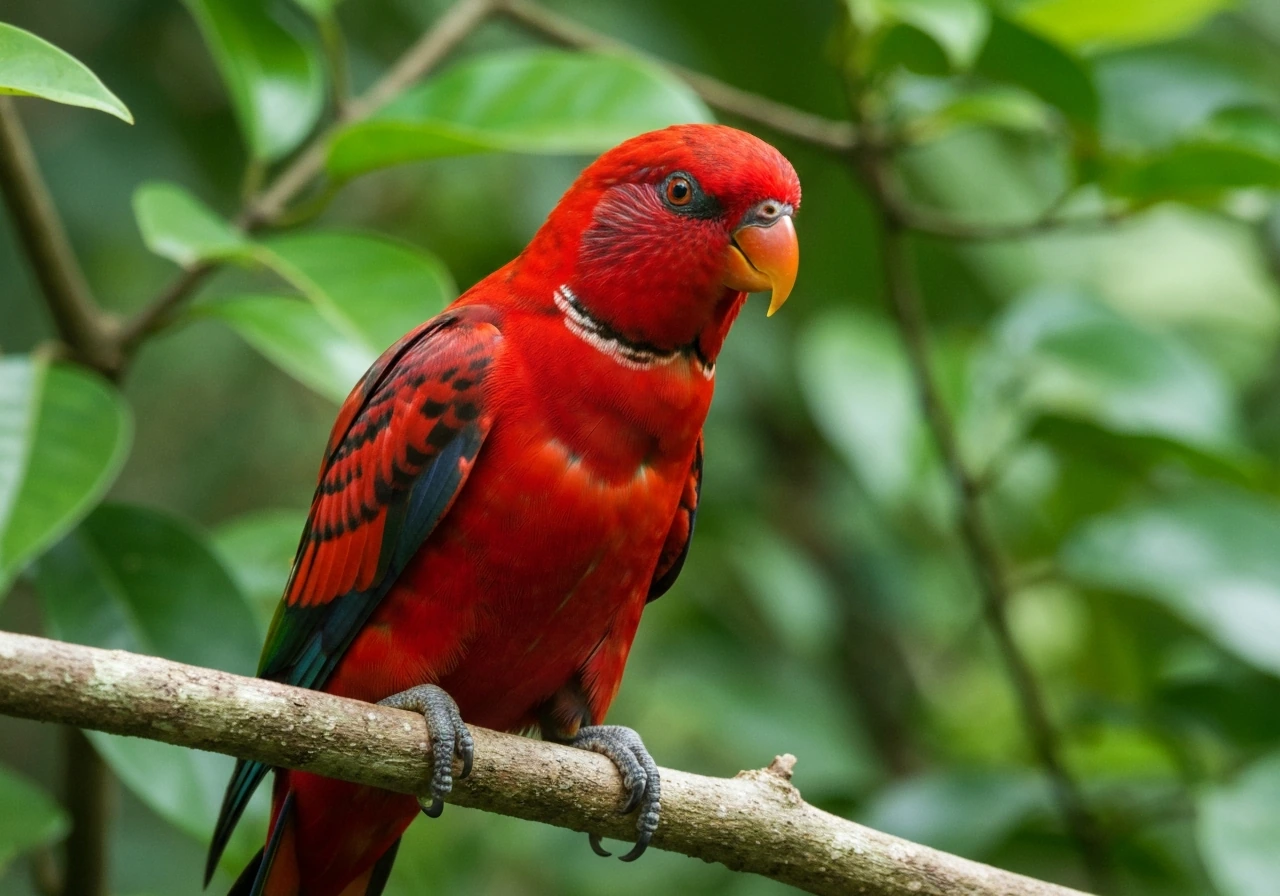
The Collared Lory is a compact parrot, roughly 20 cm long (about the size of a large smartphone). If you ever see one in the wild, the colours are unmistakable: brilliant scarlet on the cheeks, throat, breast, and upper abdomen; a dark purple crown; a lime-green nape with slightly elongated feathers that give it a ruffled collar look (which is where the "collared" name comes from); and greenish wings, back, and tail. The lower abdomen is also purple, the bill is yellow-orange, the feet are pink-orange, and the irises are a vivid orange-red. Females look nearly identical to males, just with a slightly paler crown.
In flight, it's fast and direct, usually seen in pairs or small groups. Its call is a high-pitched single or double shriek that carries well through forest. It feeds on nectar, blossoms, fruit, and seeds, and nests in tree hollows, including rotting coconut stumps still attached to the tree. It's endemic to Fiji, meaning it exists naturally nowhere else on Earth.
The species has adapted well to human-modified landscapes. You can find Collared Lories in urban Suva, not just in remote forest, which is part of why Fijians encounter and recognise the bird so readily.
Why Fiji chose the Kula: symbolism and meaning
The Kula isn't just a pretty bird; it carries deep cultural weight in Fiji. For generations, kula feathers were prized across Fiji and parts of western Polynesia, forming part of maritime trading networks. Academic research on indigenous Pacific material culture identifies the feathers used in traditional objects as coming specifically from the Kula (Collared Lory), which gives the bird a place in Fijian heritage that predates any formal national-symbol designation.
NatureFiji-MareqetiViti, Fiji's leading conservation organisation, frames the Kula as "one of Fiji's most special birds," both for its ecological role and its cultural resonance. NatureFiji-MareqetiViti also describes the Kula as “one of Fiji’s most special birds,” tying its ecological role to its cultural resonance. As the only parrot species of its kind endemic to Fiji, it represents the country's unique natural identity, something that's genuinely Fijian and found nowhere else.
That symbolism shows up in modern national identity too. Fiji's national women's under-20 football team is called the Young Kulas, a direct nod to the national bird. When a country names a sports team after a bird, it says something about how central that bird is to the national identity.
How and when was the Kula officially designated?
This is where things get a little murky. No publicly accessible Fijian legislation clearly states a specific year when the Kula was formally adopted as the national bird. Fiji's laws around national symbols, such as the Flag Oath of Fiji provisions, deal with the national flag and related matters rather than naming a national bird. So while the designation is widely accepted and repeated by Fijian conservation bodies and national symbol reference sites, a precise government adoption date isn't pinned down in any source currently accessible online.
What is consistent is institutional recognition. NatureFiji-MareqetiViti, which is the authoritative voice on Fijian biodiversity, names the Kula as the national bird without qualification. Fiji's Kula EcoPark at Korotogo, a conservation and education facility, is literally named after the bird and has successfully bred Collared Lories in captivity, showing how deeply the bird is embedded in Fiji's national conservation identity.
Common mix-ups and how to sort them out
The biggest source of confusion is the scientific name. The Collared Lory appears in older sources under Phigys solitarius and in more current taxonomy as Vini solitaria. NatureFiji-MareqetiViti itself uses "Phigys solitaries" (a slight spelling variation on the older name). The SPREP Species Identification Sheets list it under Phigys solitarius and also give alternative common names including Solitary Lory, Ruffed Lory, Fiji Lory, and Collared Lorikeet. All of these refer to the same bird. If you're cross-checking sources and see different names, that's taxonomy evolution, not a different species.
A second mix-up happens when general "national symbols" lists blur the national bird with other national emblems. Always confirm you're looking at the national bird specifically, not the national animal or national flower. Sites like SymbolEARN list Fiji's national bird as the Collared Lory, which is consistent with conservation sources, but those sites aren't government documents. Use them as a starting point and cross-check with NatureFiji-MareqetiViti or the World Parrot Trust for species confirmation.
A third point of confusion is the word "kula" itself. In some Pacific contexts, "kula" refers to a broader ceremonial exchange network, not specifically the bird. When Fijians refer to "the kula bird," they mean the Collared Lory. Context matters when you're reading about Pacific cultures.
Quick reference: names for the same bird
| Name type | Name |
|---|---|
| Fijian common name | Kula |
| English common name | Collared Lory |
| Current scientific name | Vini solitaria |
| Older scientific name (synonym) | Phigys solitarius |
| Other English names | Solitary Lory, Ruffed Lory, Fiji Lory, Collared Lorikeet |
How to verify you have the right bird
If you want to confirm the identification for a school project, research paper, or just personal curiosity, here's a practical cross-check method. Search for "Collared Lory" (or "Vini solitaria") on the Cornell Lab's Macaulay Library to see photos and hear recordings of the actual bird in Fiji. Then check the World Parrot Trust encyclopedia page for the Collared Lory, which lists "Kula (Fiji)" as a local common name and gives taxonomic context. The U.S. Fish and Wildlife Service also has a species profile under the older name Phigys solitarius, useful for confirming that the older and newer names refer to the same animal. BirdLife International covers the species with conservation status information, which is another authoritative cross-check.
Extra facts worth knowing
- The Collared Lory is restricted to Fiji's islands and is classified as a restricted-range species, making its conservation status directly tied to how Fiji manages its forests and habitats.
- The Kula EcoPark (Korotogo, Coral Coast) has successfully bred Collared Lories in captivity, one of the few places in the world where you can see this endemic species up close.
- Kula feathers were traded across parts of western Polynesia for centuries, making this bird a connecting thread in pre-colonial Pacific history.
- The species was first formally described by the German zoologist Georg Anton Suckow in 1800.
- Fiji's U-20 women's football team, the Young Kulas, takes its name directly from the national bird, showing how the Kula's symbolism stays alive in everyday national identity.
Where to dig deeper
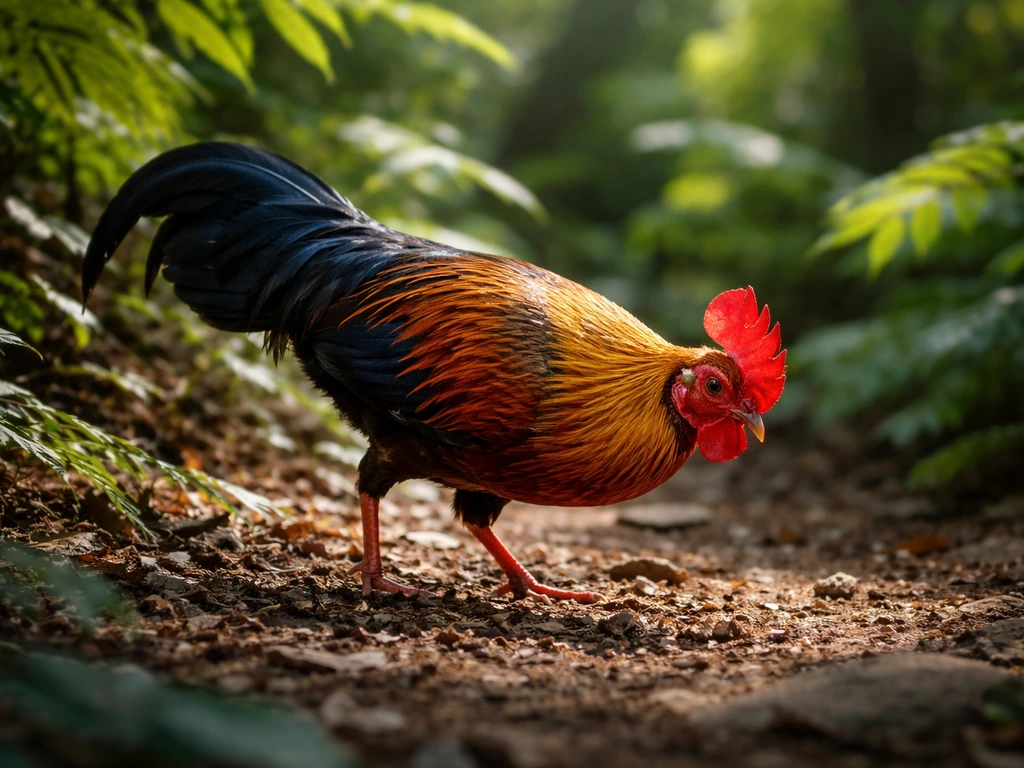
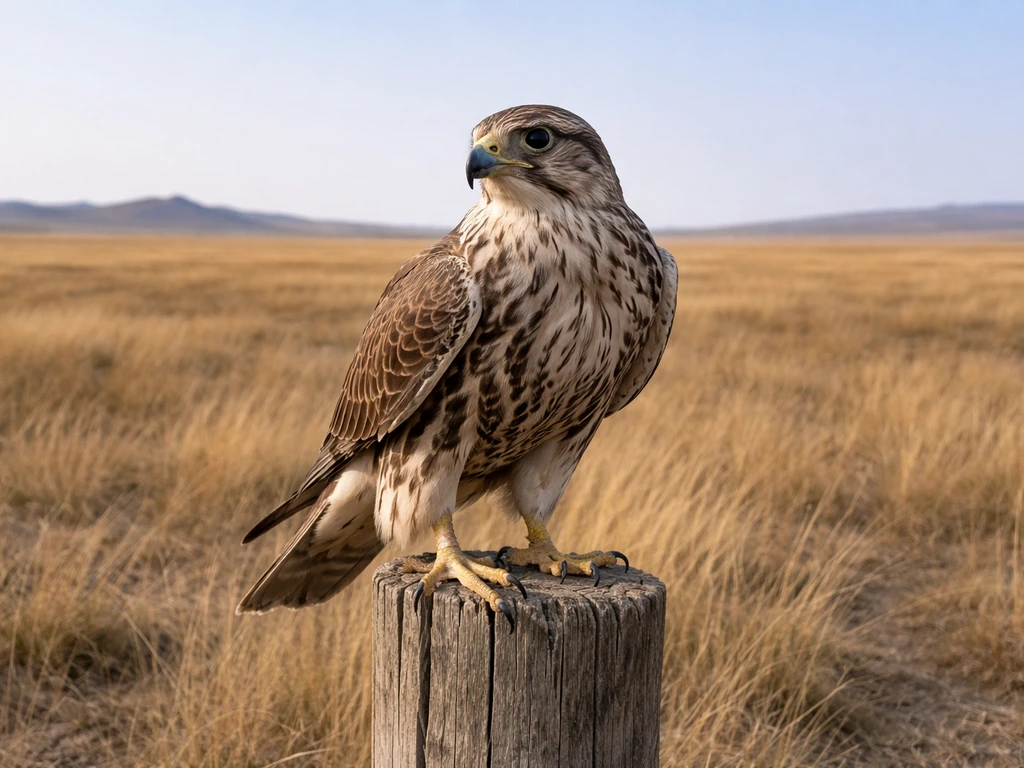
For the biology and field identification, the Cornell Lab's Birds of the World and the Macaulay Library photo and audio database are the most reliable starting points. For cultural and conservation context specific to Fiji, NatureFiji-MareqetiViti (naturefiji.org) is the best resource available online. The World Parrot Trust's encyclopedia covers the Collared Lory's restricted range and conservation situation clearly. If you're comparing Fiji's national bird to others in the Pacific and Southeast Asia region, it's worth looking at how other island nations have chosen their national birds. Countries like Sri Lanka (with the Sri Lanka Junglefowl), Mauritius (the Dodo, now extinct, and the echo parakeet), Bhutan (the Raven), and Mongolia (the Saker Falcon) all have similarly layered stories behind their chosen species, where culture, history, and ecology intertwine. Mongolia’s national bird is the Saker Falcon. Sri Lanka’s national bird is the Sri Lanka Junglefowl, a different species with its own cultural and ecological context.
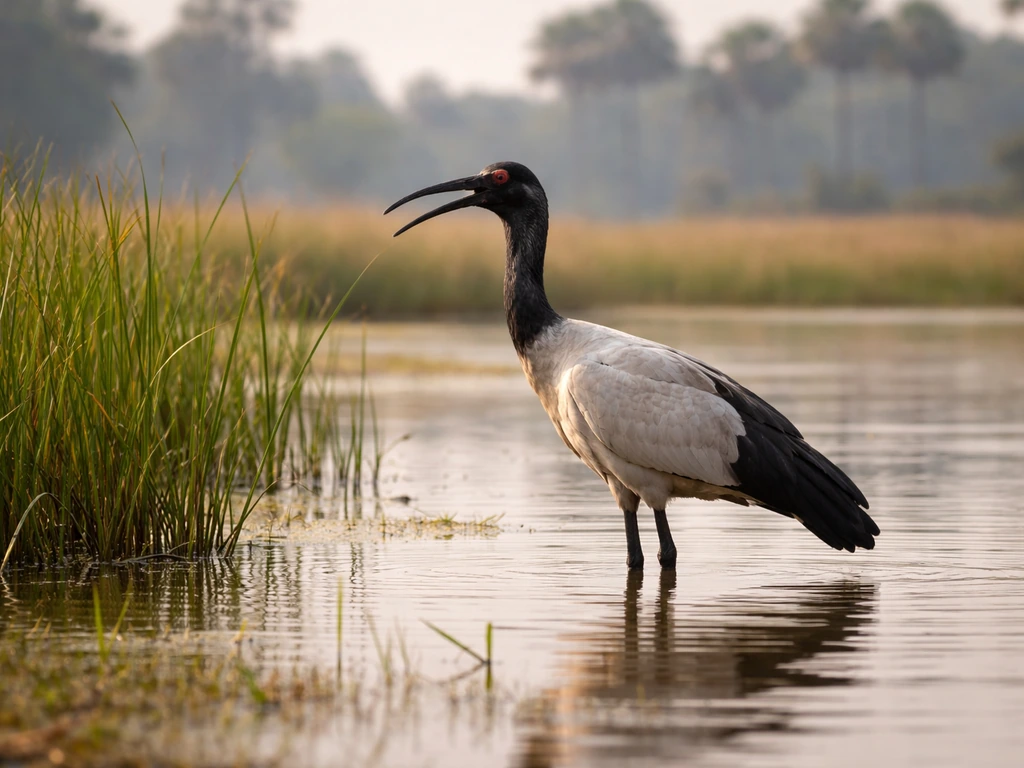
The bottom line: Fiji's national bird is the Kula, the Collared Lory (Vini solitaria). While this article focuses on Fiji’s national bird, Cambodia’s national bird is the ibis. It's endemic, culturally significant, visually spectacular, and one of the more memorable national birds in the Pacific. If you're comparing Fiji's national bird with other countries, you may also find out what is the national bird of mauritius. If you see "Phigys solitarius" in older sources, that's the same bird under an outdated name. Any source that names a different species as Fiji's national bird is almost certainly wrong.
FAQ
If a source says “Kula,” how do I know it is talking about the Collared Lory?
Yes. The common name “Kula” and the bird referred to as the “Collared Lory” are the same species. If a page says “Collared Lory” or “Kula (Fiji),” it is pointing to Vini solitaria (the national bird).
What’s the fastest way to confirm I’m looking at the right bird, not another “lory”?
Use the description in combination with the range. The Collared Lory is a small parrot with a dark purple crown and a lime-green “collar” effect, and it is endemic to Fiji. If the bird described is larger, lacks the ruffled collar look, or is listed as living naturally outside Fiji, it is likely a different species.
Why do some references list Phigys solitarius instead of Vini solitaria?
The older scientific name “Phigys solitarius” and the newer “Vini solitaria” refer to the same bird. A practical check is to treat taxonomy changes as “same species, different labels,” and only switch species if multiple independent fields disagree (range, size, and color traits).
How can I avoid confusing Fiji’s national bird with other national symbols?
You can treat the national bird as a species identity, and then confirm the category separately. Some sites mix national emblems, so if you see “bird” versus “animal,” “flower,” or “national symbol” listed together, verify the entry explicitly says it is Fiji’s national bird and not another national emblem.
Can “kula” mean something else besides the national bird?
If your reading is about Pacific ceremonial meaning, “kula” may describe a cultural exchange network, not the bird. To avoid mix-ups, look for nearby context terms like “Collared Lory,” “feathers,” or “parrot,” which link the word to the national bird.
What should I include in my sources to prove the national bird identification for a school project?
For an assignment, document your cross-check by matching at least two independent evidence types: (1) the national-bird claim, and (2) the species identity using photos, audio, or diagnostic traits. For example, verify that the bird in the media is the same one labeled “Kula” or “Collared Lory,” and that it matches the Fiji-only range.
Is there an official Fiji government adoption year for the Kula as the national bird?
No. Based on the article, there is no publicly accessible, clearly stated Fiji government adoption year in readily available sources. If you need an adoption date for research, frame it as “widely recognized but adoption year not clearly documented in accessible legislation,” or specify your source criteria (for example, only official government texts).
Can I tell male and female Kula birds apart by appearance?
The female and male Collared Lories look nearly identical, so you cannot reliably sex one by color alone. If you are doing observational notes, record behavior and location (urban Suva versus forest, or pairs versus small groups) rather than trying to identify sex from appearance.