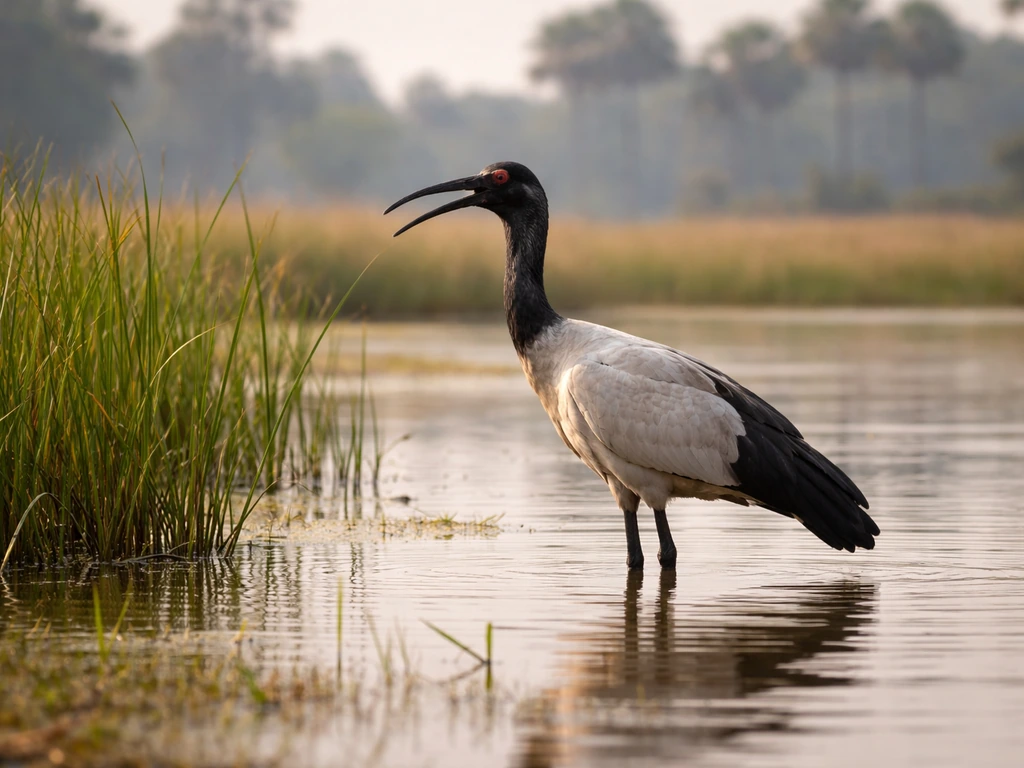
Cambodia's national bird is the Giant Ibis (Thaumatibis gigantea). It was officially designated by Royal Decree in 2005 and is formally listed as 'The National Bird of the Kingdom of Cambodia.' This is not a commonly repeated claim without backing, the designation is documented in Cambodian legal texts and confirmed by major conservation bodies including WWF, WCS, the Convention on Biological Diversity, and the U.S. Fish & Wildlife Service.
What Is the National Bird of Cambodia? Meaning and Facts

Marcus Chen
4 Jun 2026
Official status and what the bird is actually called
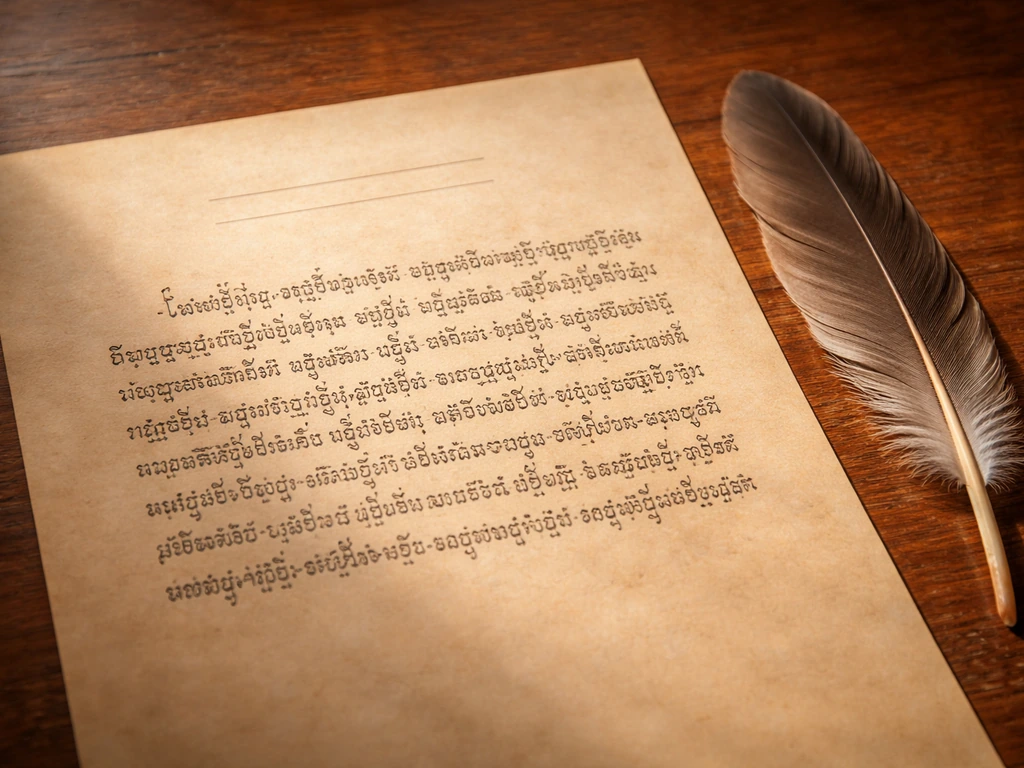
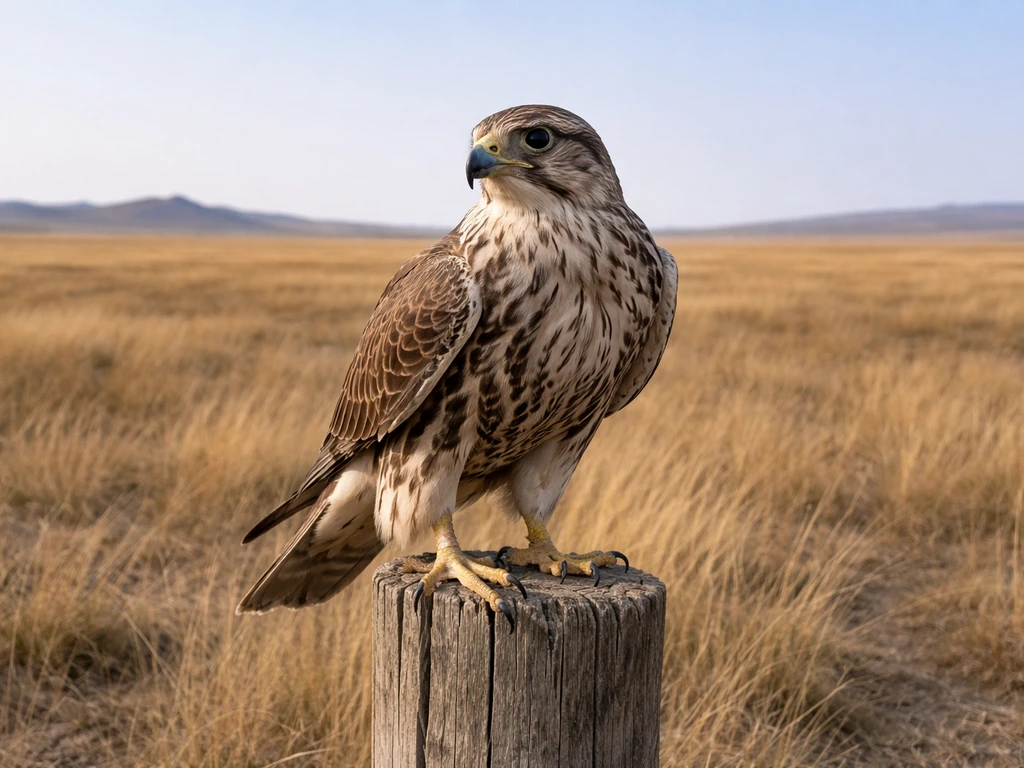
The official Royal Decree on the Designation of Animals and Plants as National Symbols of the Kingdom of Cambodia lists the bird entry as: '2- Bird: Giant Ibis (Pseudibis gigantea). If you are wondering about Mongolia instead, the national bird of Mongolia is the saker falcon Giant Ibis. ' You'll see two scientific names used in different sources, Pseudibis gigantea and Thaumatibis gigantea, which refer to the same species. Thaumatibis gigantea (Oustalet, 1877) is the name most widely used today in conservation literature, while Pseudibis gigantea appears in the original decree text and in some taxonomic records as an assessed synonym.
In Khmer, the bird is known as ត្រយ៉ងយក្ស (roughly 'Tror Yorng Yeak'), with ត្រយ៉ង (Tror Yorng) being the short common form used in everyday references. The Cambodia Bird Guide Association also records the name ឳលើក as a local variant. If you see any of these names alongside the Latin binomial, they're all pointing to the same animal.
Why Cambodia chose the Giant Ibis
The Giant Ibis carries deep symbolic weight that goes well beyond it being a large or visually striking bird. It is critically endangered and found almost nowhere else on earth in meaningful numbers, which makes it a direct reflection of Cambodia's unique natural heritage. Choosing it as a national symbol was a deliberate statement: this is a species that exists largely because Cambodia still has intact lowland forest and wetland habitat that the rest of mainland Southeast Asia has largely lost.
Conservation organizations like WWF frame it as an 'iconic' flagship species for biodiversity work in the region. When a country designates a critically endangered endemic bird as its national symbol, it signals a commitment, at least in principle, to protecting the landscapes that bird depends on. The Giant Ibis has become a rallying point for conservation funding, ecotourism development, and wildlife protection policy in Cambodia, which gives the choice ongoing practical significance.
There is also a cultural dimension rooted in the bird's size and presence. The Giant Ibis is the world's largest ibis, a slow-moving, impressive waterbird associated with the remote northern plains and forest pools that Cambodians have lived alongside for generations. Its Khmer name, incorporating 'Yeak' (meaning giant or spirit-giant in some Cambodian traditions), hints at the respect the creature has historically commanded.
How it became a national emblem
The formal designation happened in 2005, when the Royal Decree on National Symbols was issued. This decree covered multiple categories of national symbols, animals, plants, and others, and the Giant Ibis was named under the bird category. The Global Environment Facility and the U.S. Federal Register (a 2008 Fish & Wildlife Service document) both independently record this 2005 date, which gives the timeline solid cross-source confirmation.
Prior to the decree, the Giant Ibis had already been rediscovered as a surviving species in Cambodia after a period in which it was feared nearly extinct. Historical records from the 19th and early 20th centuries documented it across a wider range of mainland Southeast Asia, but habitat loss and hunting reduced populations dramatically. The rediscovery of a viable population in Cambodia's northern and eastern regions, particularly in Preah Vihear and Mondulkiri provinces, reframed Cambodia as the bird's last stronghold. The national symbol designation came in that context, formalizing a relationship that conservation groups had already been highlighting.
What the Giant Ibis actually looks like and where it lives
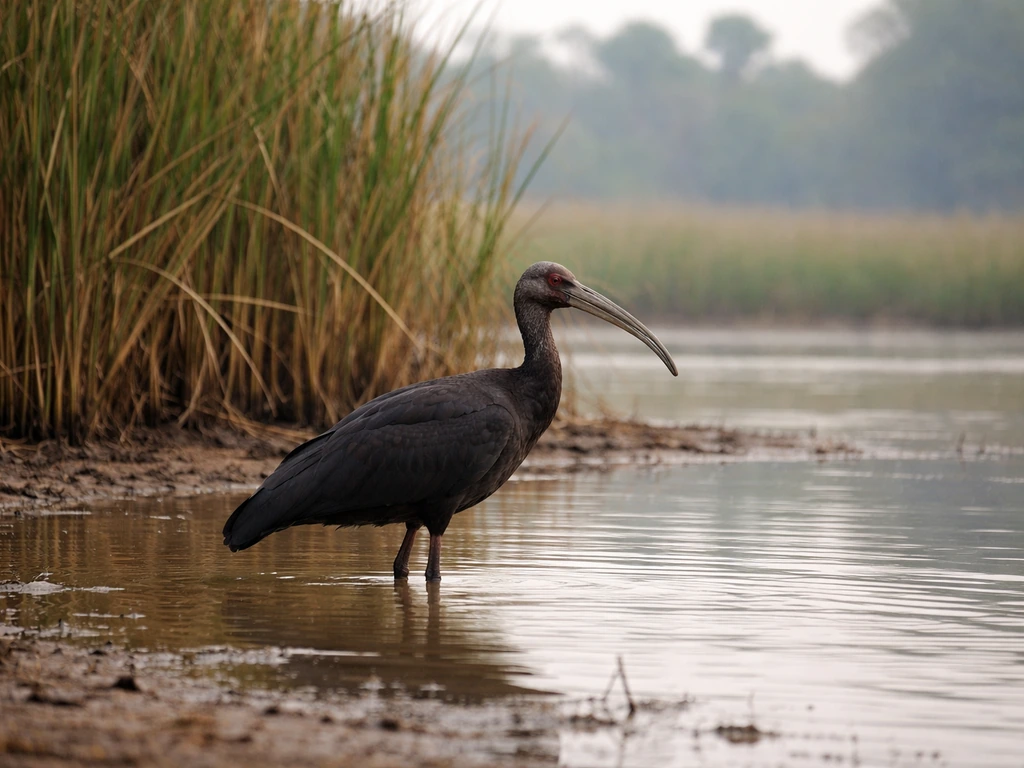
The Giant Ibis is a large, dark waterbird belonging to the family Threskiornithidae (the ibises and spoonbills). It stands noticeably taller than other ibis species, with a heavy downward-curving bill, bare grey-blue skin on the head and upper neck, and dark brownish-grey plumage. Adults have pale bars on the wing coverts. It is unmistakably large, 'giant' is not an exaggeration.
In Cambodia, the species is concentrated in the northern and eastern lowlands. Breeding populations persist mainly in Preah Vihear and Mondulkiri provinces. Its preferred habitats include swamps, marshes, seasonal water-meadows, flooded plains, wide rivers, lakes, paddy fields adjacent to forest, humid clearings, and dry forest watering holes within deciduous dipterocarp lowland forest. The Eastern Plains Landscape, a large block of lowland forest and wetland stretching across northeastern Cambodia, is considered its core range in the country.
Global population estimates sit in the range of 500 to 1,000 individuals, according to Cambodia's National Biodiversity Status Report. A small number of birds also survive in extreme southern Laos, with occasional records elsewhere, but Cambodia holds the vast majority of the world's population. This makes Cambodia's national bird designation genuinely meaningful from a conservation standpoint, the bird's survival is tied directly to what happens inside the country.
Where you can see it and how it appears in Cambodian symbols
Seeing the bird in the wild
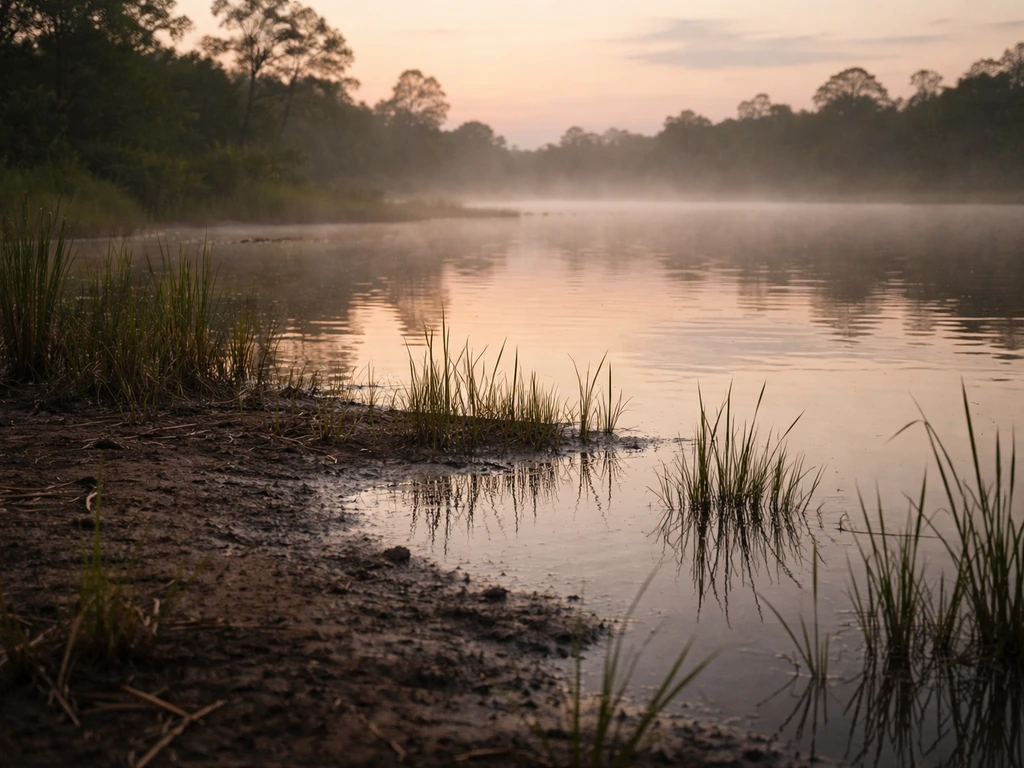
If you want to see a Giant Ibis in Cambodia, your best realistic options are the protected areas and conservation zones in Preah Vihear and Mondulkiri provinces. Keo Seima Wildlife Sanctuary in Mondulkiri has recorded the species and is an established destination for wildlife-focused visitors. WWF and WCS both run or support community-based ecotourism programs in these areas that are specifically built around seeing the Giant Ibis and other threatened species.
Wildlife Alliance survey notes describe hearing the bird's distant call before dawn, which is a reminder that this is a shy, low-density species in remote habitat. Guided tours with local birding experts, the Cambodia Bird Guide Association is the go-to resource for this, dramatically improve your chances. Going independently to these forests without local knowledge rarely results in a sighting.
National symbols and commercial references
The Giant Ibis appears in Cambodia's national imagery beyond just official documents. Air Cambodia's logo is directly inspired by the Giant Ibis, using the bird's silhouette as a design reference, a practical example of how the national bird symbol translates into everyday visible branding. Conservation campaigns, biodiversity reports issued by Cambodia's Ministry of Environment, and international funding documents for protected area work all routinely use the Giant Ibis as the face of Cambodian wildlife.
How Cambodia's choice compares to other regional national birds
Cambodia's choice of a critically endangered species as its national bird is notably different from many of its neighbors. Bhutan, for example, chose the Raven, a bird deeply embedded in Buddhist and royal symbolism but not under the same conservation pressure. Bhutan's national bird is the Raven Bhutan, for example, chose the Raven. Sri Lanka's national bird, the Jungle Fowl, is common and culturally widespread.
If you are curious about Sri Lanka, the national bird is the Jungle Fowl Sri Lanka's national bird. Mauritius chose the Dodo as a historical symbol (now extinct), while Fiji uses the Collared Lory. Fiji’s national bird is the Collared Lory, a colorful parrot native to the islands. Mauritius’ national bird is the Dodo, which is now extinct.
Mongolia's Saker Falcon carries its own powerful cultural symbolism tied to nomadic falconry traditions. In Mongolia, the national bird is the Saker Falcon, a species strongly tied to nomadic falconry traditions Mongolia's national bird. Cambodia's selection stands out because the Giant Ibis is both a living, present species and one whose continued existence directly depends on active habitat protection within the country. If you are comparing countries, you can also look up what the national bird of Fiji is.
Quick facts and where to verify
| Detail | Information |
|---|---|
| Common name | Giant Ibis |
| Scientific name | Thaumatibis gigantea (also listed as Pseudibis gigantea in the decree) |
| Khmer name | ត្រយ៉ងយក្ស (Tror Yorng Yeak); short form ត្រយ៉ង (Tror Yorng) |
| Family | Threskiornithidae |
| Designated | 2005, by Royal Decree of the Kingdom of Cambodia |
| IUCN status | Critically Endangered |
| Global population estimate | 500–1,000 individuals |
| Core range in Cambodia | Preah Vihear and Mondulkiri provinces; Eastern Plains Landscape |
| Key protected areas | Keo Seima Wildlife Sanctuary; dry forest zones in Preah Vihear |
For authoritative verification, the best starting points are the Royal Decree text itself (available via Cambodian government legal document repositories), WWF Cambodia's species pages, WCS Cambodia's conservation reports, and Cambodia's official National Biodiversity Status Report published by the Ministry of Environment. The Cambodia Bird Guide Association is the most practical on-the-ground resource if you are planning to see the bird or want identification help. The national bird of Mauritius is the pink pigeon, which is also known locally as the solitaire. The ITIS taxonomy database and the U.S. Fish & Wildlife Service species pages are useful for confirming the scientific name history and resolving the Pseudibis vs. Thaumatibis naming question.
FAQ
Is the national bird of Cambodia the same as the Giant Ibis, even if sources use different scientific names?
Yes. The Royal Decree text uses Pseudibis gigantea, while most modern conservation and field literature uses Thaumatibis gigantea. Treat both names as the same species, but verify the bird identity using key traits like its very large size, heavy downward-curving bill, and dark, waterbird-like stance.
What does it mean that the bird is “critically endangered” for someone planning a visit?
It means sightings are rare and the species is sensitive to disturbance. Plan to visit only in established protected areas or with licensed local guides, keep a long distance, and avoid playback or aggressive searching near water or nesting areas.
Where in Cambodia are the best chances of seeing the Giant Ibis?
Your highest realistic odds are in the northern and eastern lowlands, especially around Preah Vihear and Mondulkiri. In Mondulkiri, Keo Seima Wildlife Sanctuary is one of the more commonly documented places, but success still depends heavily on timing and weather.
When is the best time to look for the Giant Ibis?
For field conditions, early morning is often best because the bird is shy and may be active before dawn. Also pay attention to seasonal water levels, since the Giant Ibis relies on swamps, marshes, flooded plains, and adjacent feeding areas.
How do I avoid confusing the Giant Ibis with other large ibises or wading birds?
Focus on overall proportions and bill shape. The Giant Ibis is the world’s largest ibis, with a noticeably taller posture than typical ibises and a heavy, strongly downward-curving bill. Its head shows bare grey-blue skin, and it has dark brownish-grey plumage rather than the lighter, patterned look of many other waders.
Can I see the Giant Ibis from anywhere in Phnom Penh or central Cambodia?
It is highly unlikely. The article’s core range is concentrated in the northern and eastern lowlands, so central sightings are not a dependable expectation. If you are near central Cambodia, the most practical next step is to plan a trip specifically toward the protected areas in Preah Vihear and Mondulkiri.
Does Cambodia’s national bird status mean the government will always prioritize it for protection?
It signals national commitment, but implementation depends on funding, enforcement, and habitat condition. A useful decision aid is to check current protected-area management and community ecotourism rules locally, because conservation activities can change year to year.
What local names should I recognize in Khmer when asking about the bird?
Look for ត្រយ៉ងយក្ស (Tror Yorng Yeak) and the shorter form ត្រយ៉ង (Tror Yorng). Some materials also list ឳលើក as a variant. If you see any of these Khmer names paired with the Latin binomial, they should refer to the Giant Ibis.
Why is the Giant Ibis described as a flagship or “rallying point” species?
Because its survival depends on intact lowland wetland and forest habitats that support many other threatened organisms. When conservation groups focus on it, the work often overlaps with broader habitat protection, anti-poaching, and wetland management that benefit multiple species, not just one bird.
Next Article
What Is the National Bird of Mongolia? History and Facts
Learn Mongolia’s national bird identity, its symbolism and history, plus tips to recognize and verify the right species.