
Tasmania does not have an official bird emblem. It is the only Australian state or territory that has never formally declared one. The yellow wattlebird (Anthochaera paradoxa) is widely described as blank" rel="noopener noreferrer">Tasmania's unofficial bird emblem, and that's the bird you'll see referenced most often in this context, but it has no legal or government-recognised status the way, say, Queensland's brolga or the ACT's gang-gang cockatoo does. The bird on the Uganda flag is the grey crowned crane what is the bird on the uganda flag.
What Is the Bird Emblem of Tasmania? Meaning and History

Marcus Chen
22 May 2026
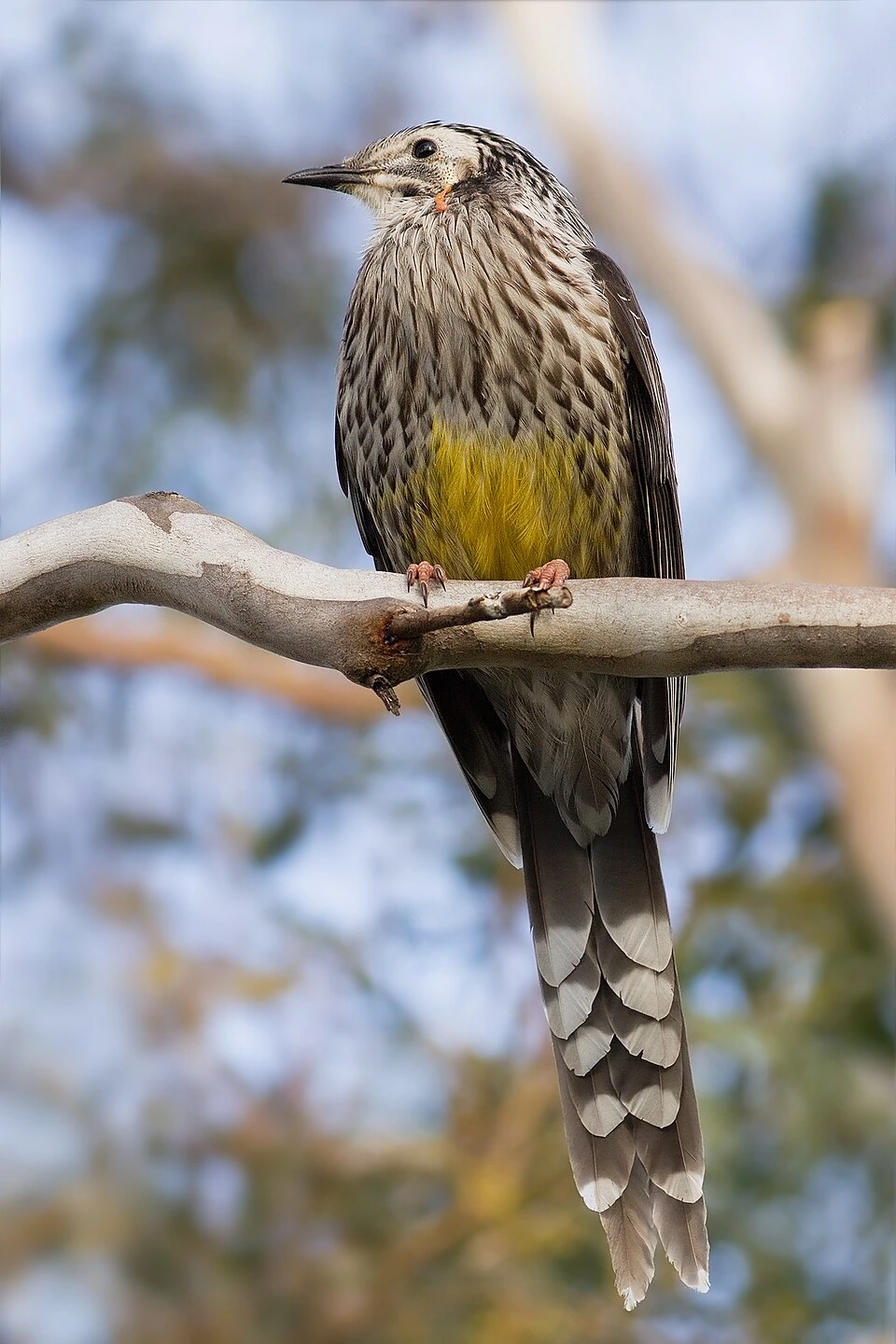
The Tasmanian bird emblem and how it's officially used
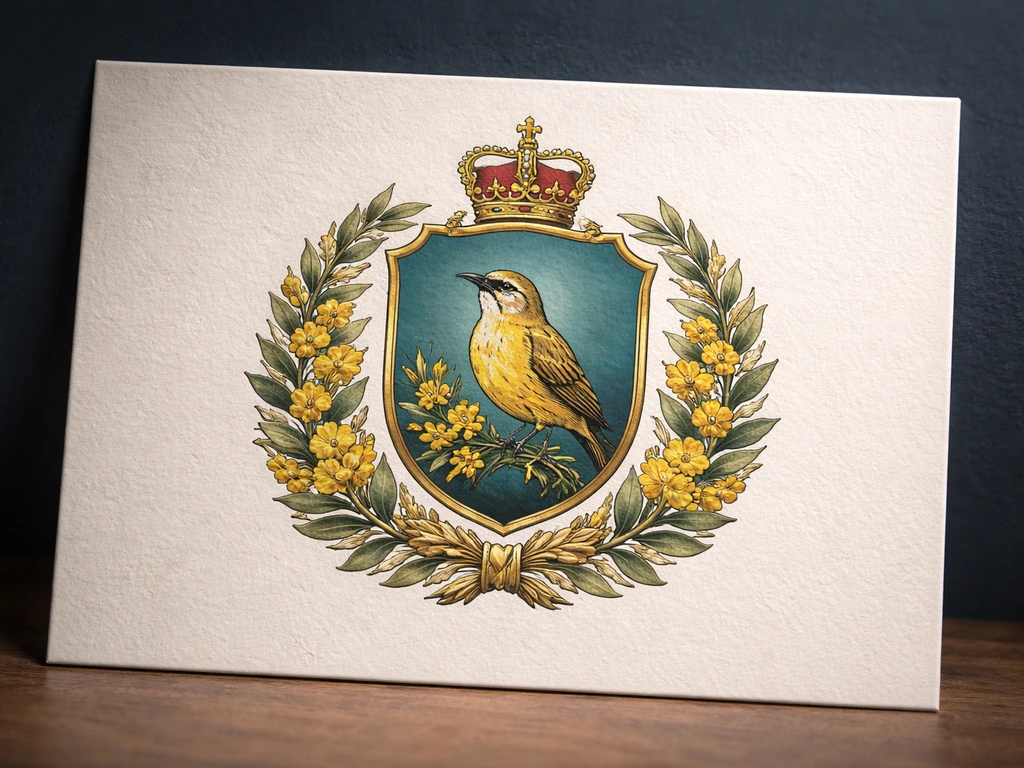
The Tasmanian Government's official state symbols list, maintained by the Department of Premier and Cabinet, includes a floral emblem (Tasmanian blue gum), a faunal emblem (Tasmanian devil, formalised as recently as 2015), and other recognised symbols like the coat of arms. A bird emblem is not on that list. Full stop.
The yellow wattlebird fills the gap in practice. Australian Geographic specifically names it Tasmania's unofficial bird emblem, and it shows up in Hobart birdwatching guides and nature education materials in that role. Some non-government bird references also discuss blank" rel="noopener noreferrer">currawongs and their Tasmania distribution, which can feed into online mix-ups about currawongs being “Tasmania’s emblem bird.”. But 'unofficial' is doing a lot of work in that sentence. You won't find the yellow wattlebird on any Tasmanian government flag, coat of arms, or official communications toolkit the way South Australia's piping shrike appears on that state's flag, police badge, and government buildings.
So the honest answer when someone asks 'what is the bird emblem of Tasmania' is: the yellow wattlebird is the bird most commonly associated with that role, but Tasmania has never officially designated any bird to that position.
What the yellow wattlebird actually is
The yellow wattlebird is the largest honeyeater in Australia. Its scientific name is Anthochaera paradoxa, and it is endemic to Tasmania, meaning it lives nowhere else in the world. That endemism is a big part of why it gets singled out as a symbol of the island state. It has a distinctive long tail, a yellow belly, and the dangling reddish wattles (fleshy lobes) on either side of its face that give the species its name.
You'll find them across Tasmania in dry sclerophyll forests, gardens, and parks. If you're visiting Hobart, they're genuinely not hard to spot, especially where banksias and grevilleas are flowering. Australian Geographic includes them in urban birdwatching guides for the city precisely because of how accessible they are.
The symbolism and meaning behind the yellow wattlebird
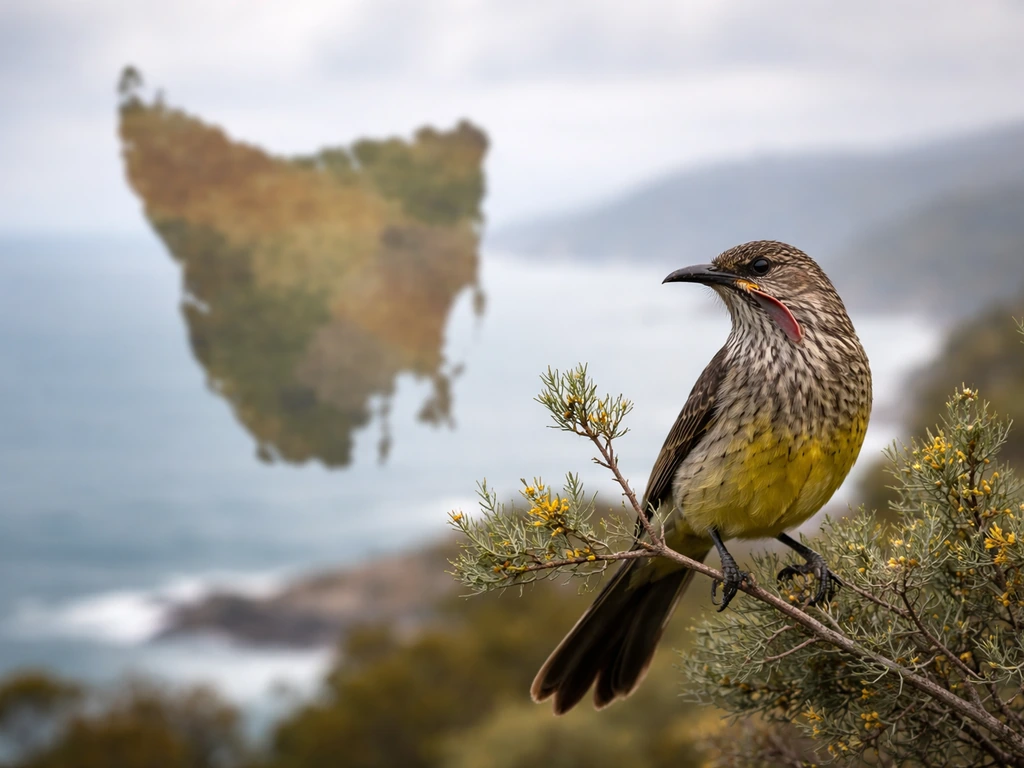
The case for the yellow wattlebird as Tasmania's symbolic bird rests almost entirely on endemism. A bird that exists only in one place is a natural symbol for that place. From a conservation and identity standpoint, it ties Tasmania to something irreplaceable and unique, in the same spirit as why island nations and regions so often choose endemic species as their emblems.
Honeyeaters as a family also carry a specifically Australian ecological identity. They are pollinators and seed dispersers that have co-evolved with Australian native plants over millions of years. The yellow wattlebird's role in Tasmania's bush ecology reinforces that connection to a landscape that exists nowhere else on earth.
There's also a practical symbolism in choosing a bird people can actually see. Unlike some emblematic animals that live only in remote wilderness, the yellow wattlebird is a loud, conspicuous bird in suburban Hobart gardens. It gives the emblem idea a grounded, everyday quality.
Why Tasmania never officially chose a bird emblem
Tasmania's slow path to formalising any wildlife emblems is part of the story here. The state was actually the last in Australia to officially adopt a faunal emblem at all. It wasn't until around 2015 that the Tasmanian devil was formally put forward as the official faunal emblem, after ABC News coverage highlighted that Tasmania was the only state still without one.
Compare that to Queensland, which declared the brolga its bird emblem in 1986 (though the brolga had featured on the coat of arms since 1977), or the ACT, which formally adopted the gang-gang cockatoo as its faunal emblem in 1997. These are formal government proclamations, not informal community preferences. Tasmania simply never went through that process for a bird.
There has been public discussion about which bird Tasmania should choose, including an ABC Hobart piece that directly addressed the gap and asked what the emblem should be. The yellow wattlebird is the most frequently nominated candidate in those conversations, but as of May 2026, no official declaration has been made.
How to verify this and avoid common mix-ups
If you want to confirm Tasmania's official symbols yourself, the most reliable first stop is the Tasmanian Department of Premier and Cabinet's state symbols page. It lists everything officially recognised. If a bird emblem existed, it would be there. Its absence from that page is itself the answer.
The Australian Government's Prime Minister and Cabinet department also publishes a symbols booklet covering all state and territory emblems, and it confirms no official bird emblem for Tasmania.
A few specific mix-ups worth knowing about:
- The pied currawong is sometimes wrongly linked to Tasmania online, but the Australian Museum confirms the pied currawong (Strepera graculina) doesn't actually occur in Tasmania at all.
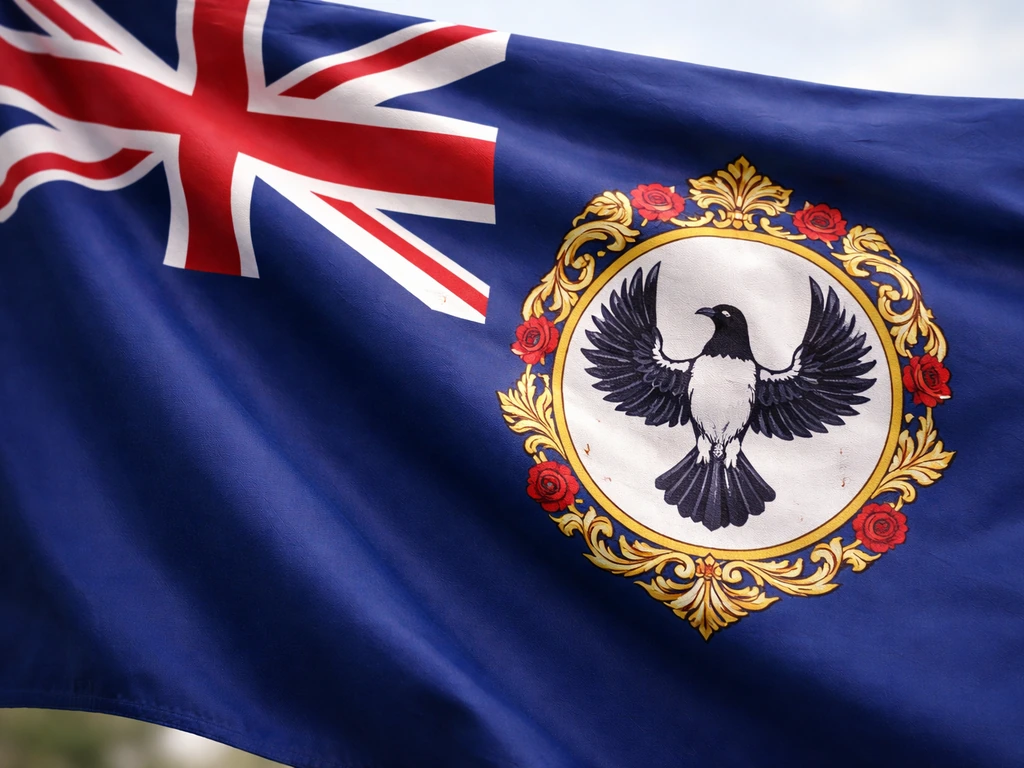
- South Australia's piping shrike (a stylised version of the white-backed magpie) appears on SA's state flag and government identifiers, which can cause confusion when people search for Australian state bird emblems. It has nothing to do with Tasmania.
- Some sites list the yellow wattlebird as Tasmania's 'state bird' without the 'unofficial' qualifier, which is technically inaccurate. Always check whether a source specifies official or unofficial status.
- Tasmania's official faunal emblem is the Tasmanian devil, not any bird. The two categories are separate.
For bird-specific verification, Australian Geographic and the Australian Museum are both solid references. Wikipedia's entry on the yellow wattlebird is also well-sourced if you want species details, though for emblem status you want government sources, not species profiles.
Facts and stories worth remembering
The yellow wattlebird is the largest honeyeater in Australia, and it's exclusively Tasmanian. That combination of 'biggest' and 'only found here' makes it genuinely memorable as an emblem candidate.
Its call is famously harsh and grating, described variously as a cough, a retch, or a series of loud chuckles. It's not exactly melodious, but it's unmistakable once you know it. If you're walking through a Tasmanian garden in winter when the banksias are in flower, you'll hear one before you see it.
The species name 'paradoxa' refers to how unusual the bird appeared to early European naturalists. It was formally described in the early 19th century, and the name stuck, which gives the bird a small slice of colonial natural history as well.
The fact that Tasmania still lacks an official bird emblem is itself a useful piece of trivia. In a region where almost every jurisdiction has formalised its avian symbol (including countries that choose national birds the way Australia's national bird is the emu), Tasmania stands out as an interesting omission. Australia's national bird is the emu, not a bird emblem for Tasmania. It also means that if an official bird emblem is ever proclaimed, it will likely be news worth following for anyone interested in bird symbolism and state identity.
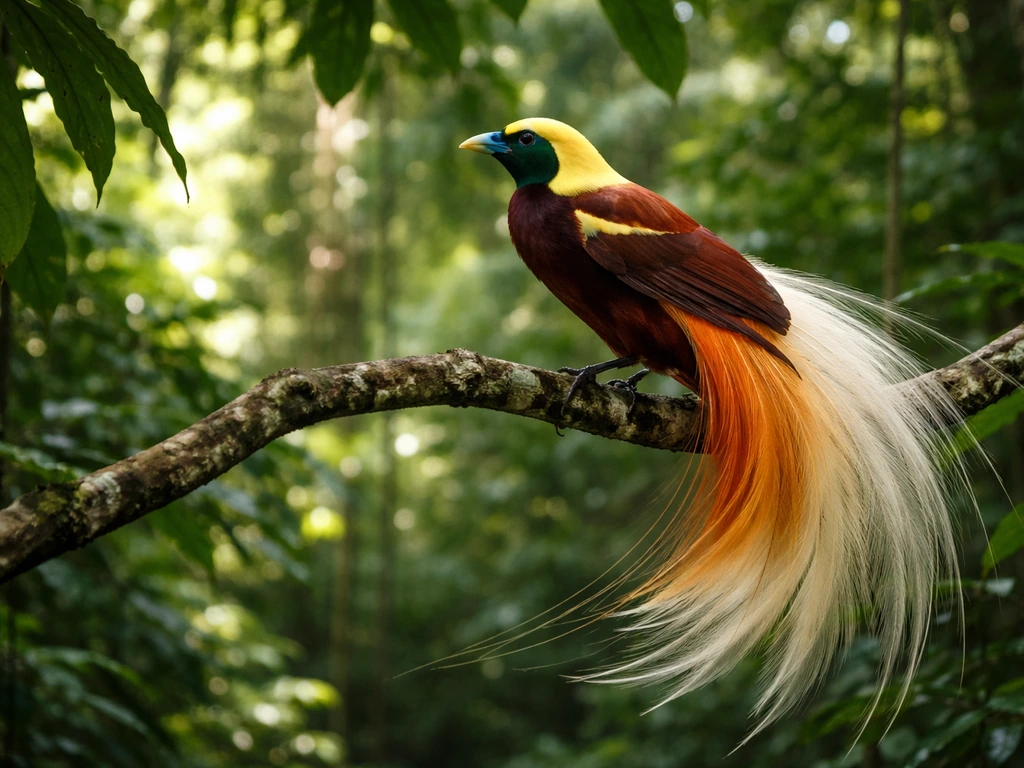
For context on how other parts of the region handle bird emblems, the national bird of Australia and the bird emblems of places like Papua New Guinea and South Australia offer useful comparisons. For comparison, you can also look up the national bird of papua New Guinea. Some central African countries also put native birds on their flags, and that choice is often tied to national identity.
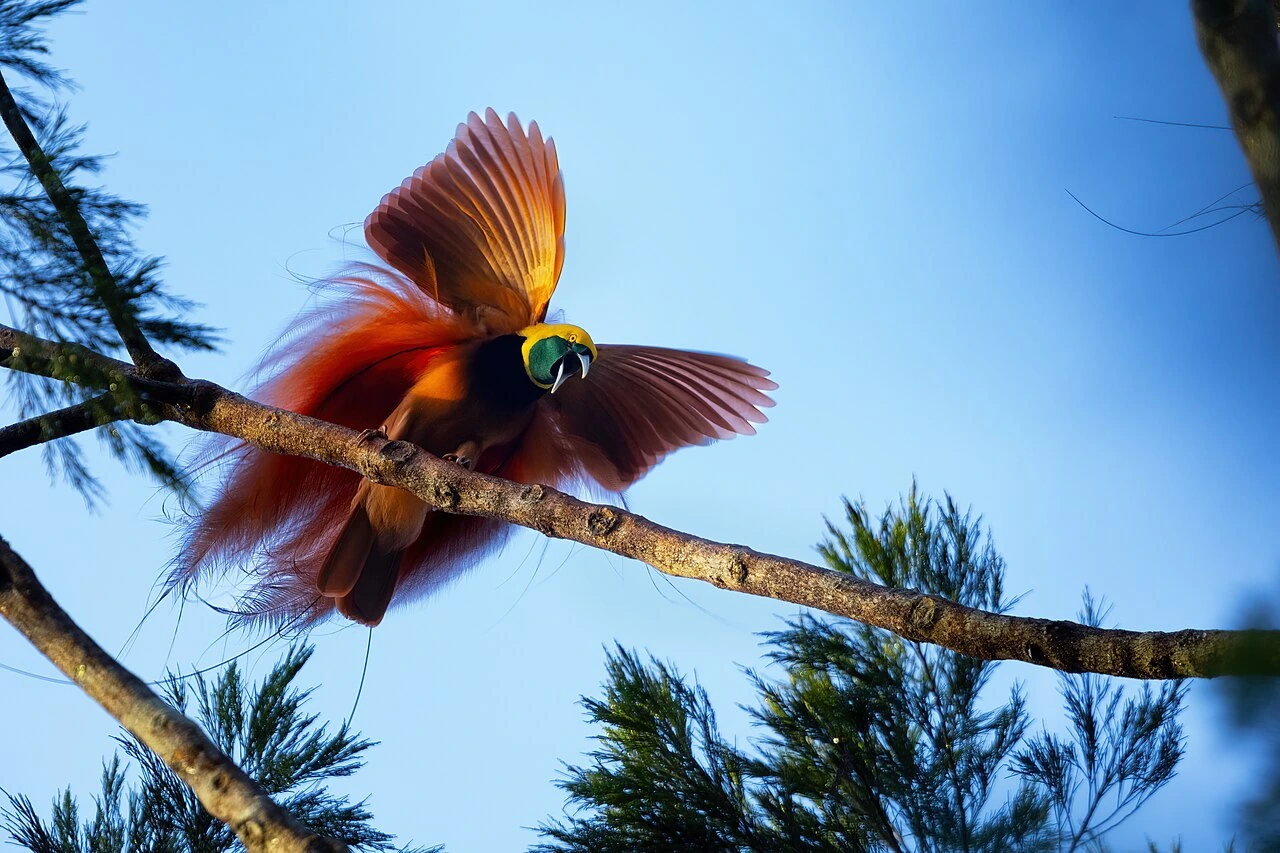
South Australia’s flag features the piping shrike, a bird symbol also shown on the state’s coat of arms. On the Papua New Guinea flag, the bird shown is the Raggiana bird-of-paradise (Lophorina superba). South Australia, for instance, has a bird (the piping shrike) embedded in its official flag and coat of arms, a formality that Tasmania's yellow wattlebird hasn't reached.
A quick comparison: official vs unofficial
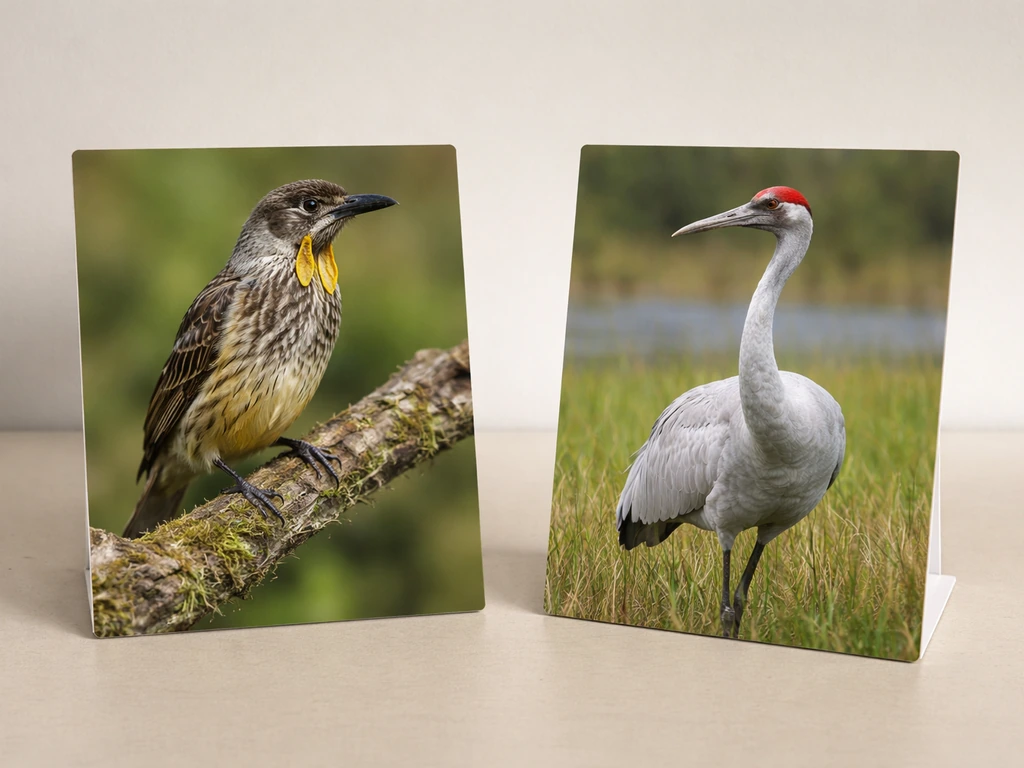
| Jurisdiction | Bird Emblem | Official Status | Year Formalised |
|---|---|---|---|
| Tasmania | Yellow wattlebird (Anthochaera paradoxa) | Unofficial only | Never declared |
| Queensland | Brolga | Official | 1986 |
| ACT | Gang-gang cockatoo | Official | 1997 |
| South Australia | Piping shrike (white-backed magpie) | Official | Long established |
The takeaway is straightforward: if someone asks you what Tasmania's bird emblem is, the most complete and accurate answer is that the yellow wattlebird is the recognised unofficial emblem, but Tasmania is unique among Australian states and territories in never having formally declared an official one. You might also be wondering what bird is on the Zambian flag, which is a separate official national symbol from Tasmania's emblem situation.
FAQ
Is the yellow wattlebird the official bird emblem of Tasmania?
No. It is the commonly cited unofficial emblem, but Tasmania has not formally designated a bird emblem through government proclamation. The official state symbols list does not include any bird emblem.
Where would an “official” Tasmania bird emblem show up if one existed?
In the Tasmanian Government’s published state symbols materials, typically maintained by the Department of Premier and Cabinet. You can use the presence of symbols on that list, not community usage, to confirm official status.
Can I use the yellow wattlebird on merchandise or events as “Tasmania’s emblem”?
You should be careful with wording. It is safer to say “widely associated with Tasmania” or “unofficial emblem” rather than claiming it is an official government emblem, especially for branding on official-looking materials.
Why do people say Tasmania has a bird emblem even though it is unofficial?
Because the yellow wattlebird is endemic, distinctive, and easy to observe, so it has been adopted informally in education resources and tourism guides. That repeated usage can look like official recognition, but it is not the same as formal legal status.
Does Tasmania have any official bird-related symbols even if it lacks a bird emblem?
Yes, Tasmania does have official fauna symbolism, but the recognized emblem example given is the Tasmanian devil, not a bird. Birds may appear in general civic imagery, but that does not equal an official bird emblem.
Are there any official government flags, badges, or communications that use the yellow wattlebird?
Not in the way some other jurisdictions do. The commonly referenced unofficial emblem is not shown on Tasmanian government flags or official communications toolkits as a formal bird emblem.
How sure can I be that the “bird emblem” claim is really about Tasmania and not another place with similar symbolism?
Check whether the source is talking about a formal emblem for Tasmania specifically, not a generic “wildlife symbol” or a separate context like a zoo, a local birdwatching group, or a national identity reference.
Could Tasmania still adopt an official bird emblem in the future?
It is possible, but until a government proclamation is made, the status stays unofficial. If that ever happens, it would be reflected in official state symbols publications and be treated as an update to the recognized emblem list.
Is the yellow wattlebird endemic to Tasmania, or does it occur elsewhere?
It is endemic to Tasmania, meaning it naturally occurs there and nowhere else in the world. That “only found here” feature is a major reason it is repeatedly proposed as a symbolic bird.
Next Articles
What Is the Bird on the PNG Flag? Identify the Symbol
Learn what bird appears on the PNG flag, verify the exact emblem, and discover its meaning and origin in Papua New Guine
What Is the National Bird of Papua New Guinea?
Learn the national bird of Papua New Guinea, why it was chosen, key traits, habitat, and how to verify the correct speci
What Bird Is on the South Australian Flag? Identification & Meaning
Identify the black swan on the South Australian flag, with symbolism, heraldic features, and how to verify the emblem.