blank" rel="noopener noreferrer">Bahrain's national bird is the White-eared Bulbul, a small, lively songbird known scientifically as Pycnonotus leucotis. If you're wondering about another country in the region, the national bird question for Dubai is often answered differently, so it's worth checking the exact local designation what is the national bird of dubai. It's a resident species across the Arabian Gulf region, and it genuinely lives in Bahrain rather than being a purely symbolic choice disconnected from the local landscape.
What Is the National Bird of Bahrain? Meaning and History

Marcus Chen
10 Jun 2026
How Bahrain ended up with the Bulbul
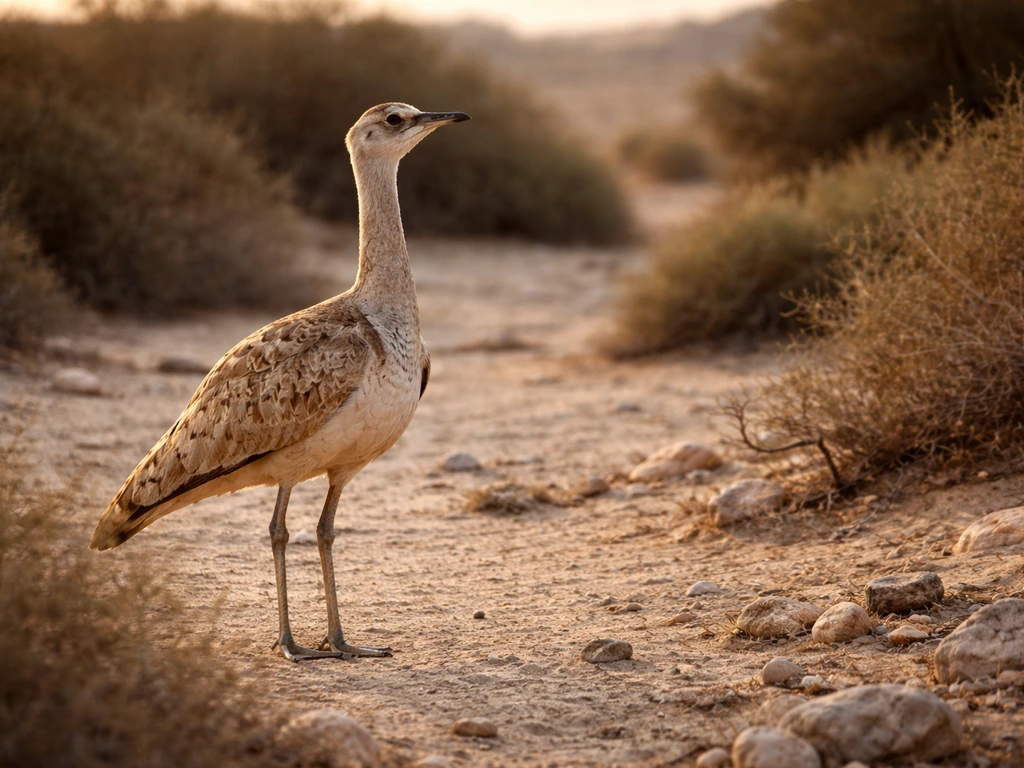
The honest truth is that no widely published government decree or specific date for the designation has made it into the public record in the way that, say, the UAE's falcon selection is documented. What you do find is consistent agreement across national-symbol references, Wikipedia's 'National symbols of Bahrain' entry, and multiple ornithological sources: the White-eared Bulbul is recognized as Bahrain's national bird. It sits alongside the Arabian oryx as a national animal, and the pearl as a national symbol, as part of Bahrain's broader set of official emblems. The designation reflects the bird's genuine presence on the island rather than an imported or exotic choice.
This pattern of recognition without a splashy public ceremony is fairly common across Gulf states. The bird was likely formalized as part of broader national-symbol legislation rather than through a standalone announcement, which explains why a specific year doesn't circulate widely online.
What the White-eared Bulbul represents
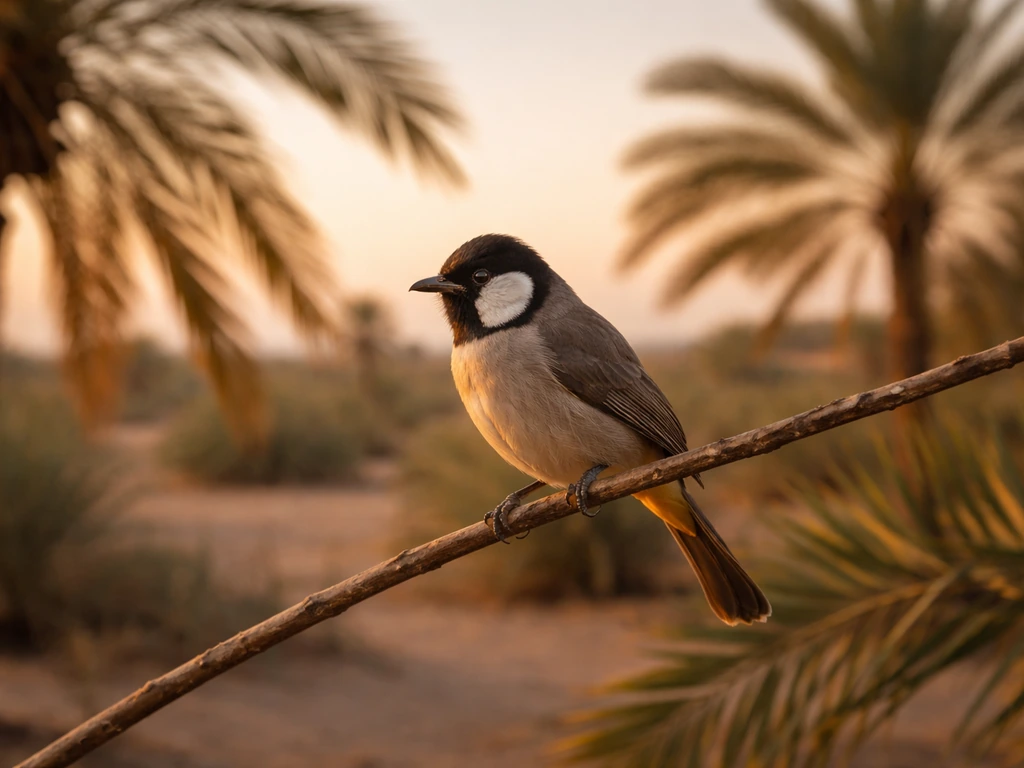
The bulbul carries centuries of meaning across Middle Eastern and South Asian cultures. In classical Persian and Arabic poetry, the bulbul (nightingale-type songbird) is a recurring symbol of love, longing, and beauty, famous for its melodious voice. Choosing a bulbul as a national bird ties Bahrain into that deep literary and artistic tradition shared across the region.
Beyond poetry, the bird represents resilience and adaptability. It thrives in the warm, arid conditions of the Gulf, managing to be cheerful and vocal even in a landscape that can be harsh. For an island nation that has historically survived and prospered through trade and resourcefulness, that quality reads as an apt reflection of national character.
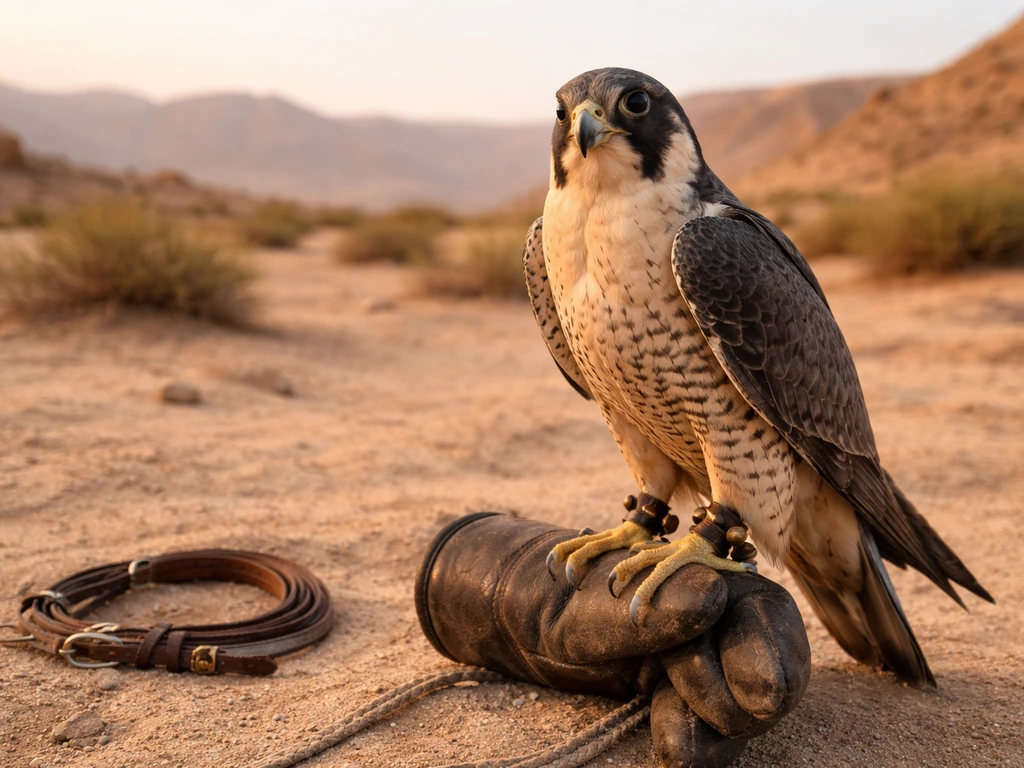
There's also something approachable about the bulbul. Unlike the falcon, which dominates the national symbolism of several Gulf neighbors including the UAE, Qatar, and Saudi Arabia, Bahrain's choice of a small songbird sets it apart. If you're comparing Qatar's national bird, note how several Gulf countries lean toward a more recognizable falcon-style symbol rather than a small songbird like the bulbul. It signals a different kind of pride: not martial strength, but grace, voice, and cultural richness.
What the bird actually looks like and where to find it
The White-eared Bulbul is a compact bird, roughly 17 to 18 cm long. Here's what makes it easy to recognize in the field:
- Black head and throat with a short crest
- Distinctive white ear patch (the white cheek/ear spot that gives it its name)
- Brown-grey upperparts blending to a whitish belly
- Yellow undertail coverts, which flash noticeably in flight
- Clear, melodious call: a fast, bubbling series of notes
In Bahrain, you're most likely to spot it in gardens, parks, palm groves, and scrubby vegetation around built-up areas. If you're also wondering what the national bird of Kuwait is, it helps to start with official or widely cited national-symbol sources rather than generic listings. It's a resident species, meaning it stays year-round rather than passing through on migration. It feeds mainly on fruit, berries, and insects, and it's not particularly shy, which is part of why it's so well-known locally. It's the kind of bird that sings from a fence post while you're drinking your morning coffee.
Its range extends well beyond Bahrain, covering parts of Iraq, Iran, Pakistan, Afghanistan, and the wider Gulf. If you're wondering about Iraq as well, you can also check what is the national bird of Iraq. That broad distribution confirms it's a genuinely native, naturally occurring species on the island rather than an introduced one.
The bulbul's place in Bahraini culture and history
The bulbul's cultural roots in the region run deep. In Arabic literature and music, the bird's song has been celebrated for generations. Bahrain, as one of the Gulf's oldest centers of trade, pearl diving, and cultural exchange, has long absorbed Persian and Arab poetic traditions where the bulbul features prominently. Selecting it as a national bird is partly an acknowledgment of that shared heritage.
On a more practical level, the bird is a familiar presence to anyone who has grown up or lived in Bahrain. It's one of those everyday species that locals recognize instantly, which gives the symbol a personal resonance that more exotic choices might lack. National symbols work best when people feel a genuine connection to them, and the bulbul earns that through simple familiarity.
It's worth noting that the falcon remains the dominant bird symbol across much of the Gulf. You might be wondering why the UAE chose a falcon, and that selection is widely documented through national-symbol announcements why is falcon the national bird of uae. Neighboring countries like the UAE, Qatar, Kuwait, Oman, and Saudi Arabia all have strong falcon associations in their national imagery.
If you're also curious about Oman, you can look up what is the national bird of oman to compare its symbolism with Bahrain's bulbul. If you're wondering about another Gulf country, Kuwait is known for a different national bird. Bahrain's choice of the bulbul is therefore a deliberate cultural distinction, leaning into the island's identity as a place of song, poetry, and arts rather than purely hunting and warfare traditions.
Common mix-ups and how to verify what you've found
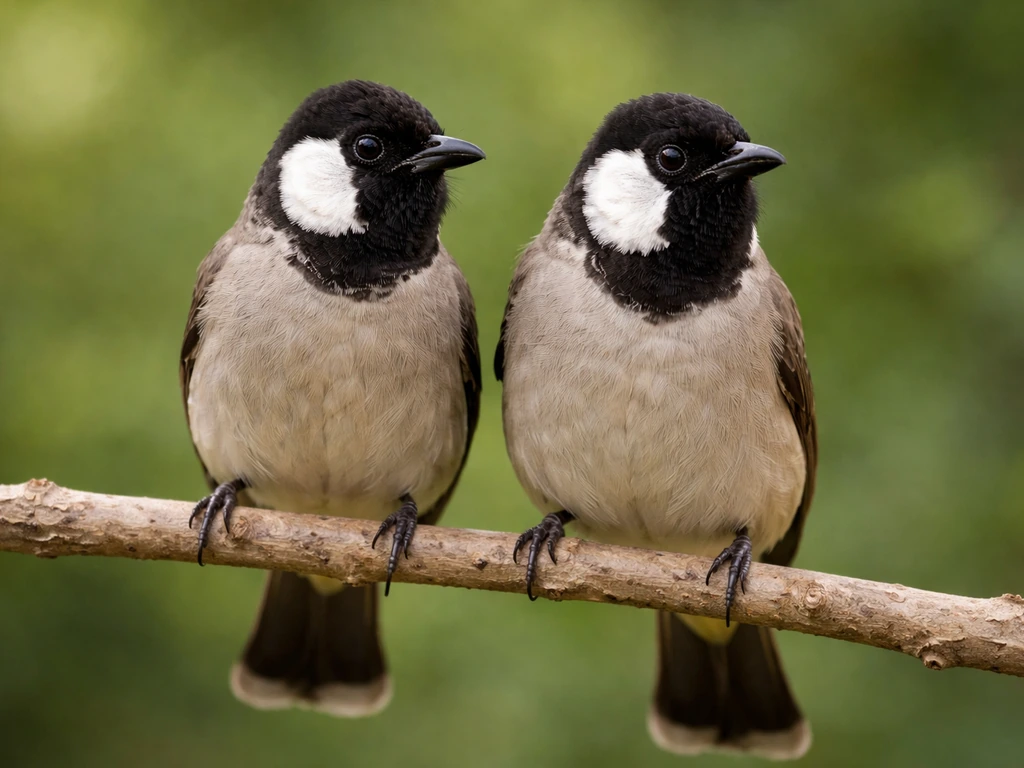
There's a genuine source of confusion worth flagging: the difference between the White-eared Bulbul (Pycnonotus leucotis) and the White-cheeked Bulbul (Pycnonotus leucogenys). These are two closely related but distinct species, and ornithological sources don't always agree on which one is technically present in Bahrain, or which one the national-bird designation was based on.
The Ornithological Society of the Middle East (OSME) specifically flagged this as an unresolved taxonomy question in their regional checklist, noting uncertainty about whether Bahrain's national bird taxon is leucotis, leucogenys, or possibly a hybrid population. OSME’s regional checklist flags that Bahrain’s “National Bird” entry (NB4) involves uncertainty over whether the taxon is Pycnonotus leucogenys, Pycnonotus leucotis, or possibly a hybrid [OSME specifically flagged this as an unresolved taxonomy question](https://www. osme. org/wp-content/uploads/2019/10/C_ORL-Pass-5.
1. pdf).
For most practical purposes, including school projects, travel curiosity, or general knowledge, 'White-eared Bulbul' and Pycnonotus leucotis is the widely accepted answer you'll find in national-symbol references and is the correct response to the question. Bahrain’s national bird is sometimes confused with other bulbuls, but the most widely accepted answer is the White-eared Bulbul. The national bird of Saudi Arabia is the falcon, often associated with the Arabian falcon. The taxonomy debate is a specialist concern, not a reason to doubt the bird family or common name.
Here are the clearest ways to verify Bahrain's national bird quickly:
- Check Wikipedia's 'National symbols of Bahrain' page: it lists the White-eared Bulbul directly alongside other official symbols
- Cross-reference the 'List of national birds' article on Wikipedia, which confirms Pycnonotus leucotis for Bahrain
- Look up the BirdLife International species factsheet for Pycnonotus leucotis, which confirms the bird's distribution includes Bahrain as a native resident
- If you need the scientific name confirmed, ornithological checklists for the Arabian Peninsula and Gulf region (such as the OSME regional list) include Bahrain-specific notes
- Be skeptical of any source that lists a completely different bird, like a falcon or eagle, as Bahrain's national bird: those are associated with the UAE, Qatar, and other Gulf neighbors, not Bahrain
One last thing to watch for: some general-purpose 'national symbols' websites copy data from each other without checking, and a few have inconsistent or misspelled scientific names for Bahrain's bird. If a source gives you a scientific name that doesn't match Pycnonotus leucotis (or the closely related leucogenys), treat it with some skepticism and check it against a dedicated ornithology database or BirdLife's records.
FAQ
Is Bahrain’s national bird definitely the White-eared Bulbul, or is there an official name dispute?
There is an unresolved taxonomy discussion between Pycnonotus leucotis (White-eared Bulbul) and Pycnonotus leucogenys (White-cheeked Bulbul). For everyday use, schoolwork, and most national-symbol references, the commonly accepted answer is White-eared Bulbul, but specialists note the identification may depend on how the local population is classified.
How can I tell the White-eared Bulbul from the White-cheeked Bulbul in Bahrain?
In the field, the differences can be subtle, and many bird guides rely on close markings and sometimes location-specific checklists. If you are not doing specialist observation, rely on the commonly cited national-bird label (White-eared Bulbul) and use an identification guide or local checklist to confirm which species name observers are using for your area.
Does Bahrain’s national bird live there year-round, or is it only a migrant?
It is described as a resident species, meaning it stays in the region rather than passing through only during migration seasons. If you notice bulbuls only at certain times, that usually reflects bird activity and weather, not that the bird is absent for part of the year.
Where in Bahrain is the national bird most likely to be seen?
You are most likely to spot it around gardens, parks, palm groves, and scrubby vegetation near built-up areas. Because it can be fairly comfortable near people, it is often seen vocalizing from fences or low perches in residential zones.
What does it eat, and does that affect where it shows up?
Its diet includes fruit, berries, and insects. That means it tends to appear where there are fruiting plants and insect-rich microhabitats, so areas with palms, garden trees, and landscaped vegetation often have more sightings.
Why doesn’t Bahrain’s national-bird designation have a clear announcement date like some other countries?
The public record appears to be less specific, likely because the symbol was formalized through broader national-symbol legislation rather than a standalone event. As a result, many summaries report the bird as the national choice without a widely circulated year or decree number.
I found a website listing a different scientific name, is that reliable?
Be cautious if the scientific name does not match Pycnonotus leucotis, or at least the closely related leucogenys. Some general “national symbols” pages copy each other and can introduce misspellings or mismatched taxa, so it helps to cross-check against an ornithology-focused database or a reputable bird reference.
Can I use “White-eared Bulbul” for a project even if there is a taxonomy debate?
Yes, it is the best practical choice for most purposes. The taxonomy uncertainty is primarily a specialist concern; for general knowledge and non-research projects, using the widely accepted White-eared Bulbul name is usually the correct response.
Next Article
What Is the National Bird of Oman? Official Answer and Meaning
Get the confirmed answer to Oman’s national bird, its symbolism, and the real species traits and habitat facts.