No, the blue jay is not Canada's national bird. The bird on the NZ 5 dollar note is a kiwi (New Zealand dollar notes feature the kiwi). In fact, Canada does not have an official national bird at all. No federal law or government designation formally assigns any bird to that role. The blue jay is often mixed up with Canadian identity, but its only official bird status in Canada is at the provincial level, as the official bird of Prince Edward Island since 1977.
Is the Blue Jay Canada’s National Bird? The Truth

Marcus Chen
4 Jun 2026
Canada's actual national bird situation
Here is the honest answer: Canada has no officially designated national bird. The Government of Canada's own symbols pages split Canadian symbols into two categories, official symbols (formally adopted through legislation or proclamation) and unofficial symbols (widely recognized through tradition or public perception but not formally enshrined). No bird appears in the official category.
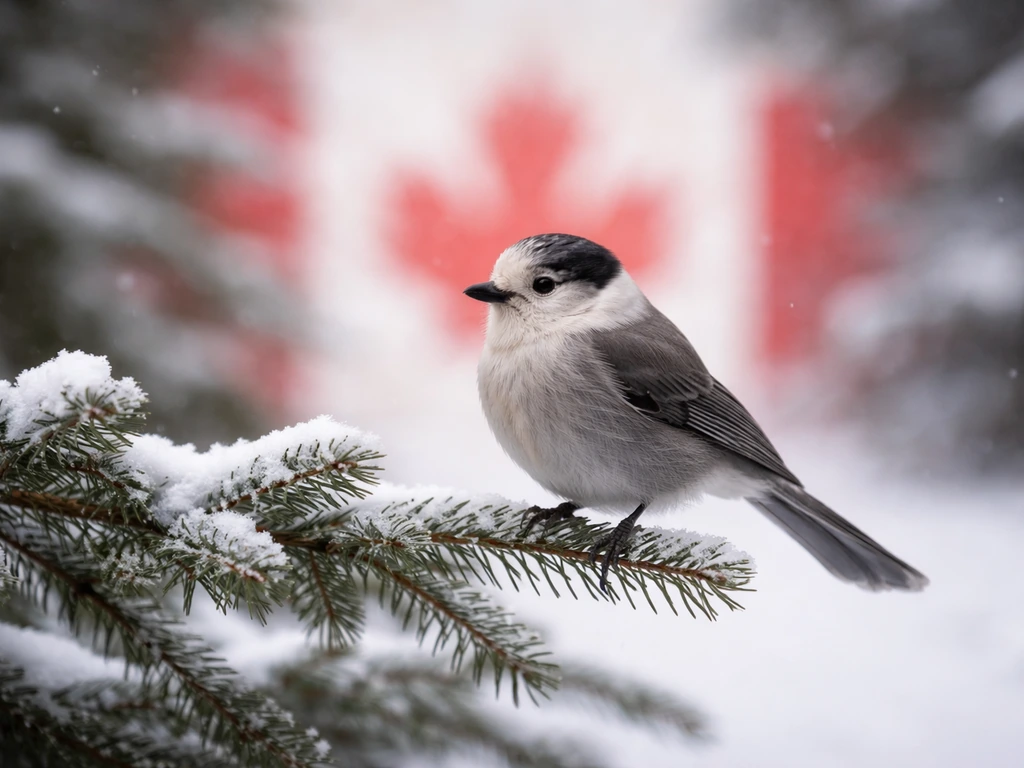
The closest thing Canada has to a national bird is the gray jay, also called the Canada jay or whiskey jack (Perisoreus canadensis). In 2016, Canadian Geographic and the Royal Canadian Geographical Society ran a nationwide public vote and expert panel to choose a recommended national bird. The gray jay won.
In 2016, RCINET reported on the campaign that “Cheeky” gray jay was “chosen” as Canada’s national bird in an unofficial, lobbying-for-official-recognition effort “chosen” as Canada’s national bird in an unofficial campaign. Canadian Geographic declared it Canada's national bird and began lobbying the federal government to make it official through an Act of Parliament.
A Senate bill called the National Bird of Canada Act was even introduced, its own text explicitly stating that 'Canada does not have an official bird. ' As of today, that legislation has not turned the gray jay into a formal national symbol, but it remains the most widely recognized candidate.
The gray jay is a strong symbol for Canada in many ways. It lives from coast to coast, across all thirteen provinces and territories, making it one of the few birds truly native to the entire country. It is hardy, surviving brutal winters by caching food under bark and lichen rather than migrating south. That resilience and adaptability resonates as a national trait. The species is also bold and friendly around campsites and trails, earning a reputation as a companion to Canadians who spend time outdoors.
Why people connect the blue jay with Canada
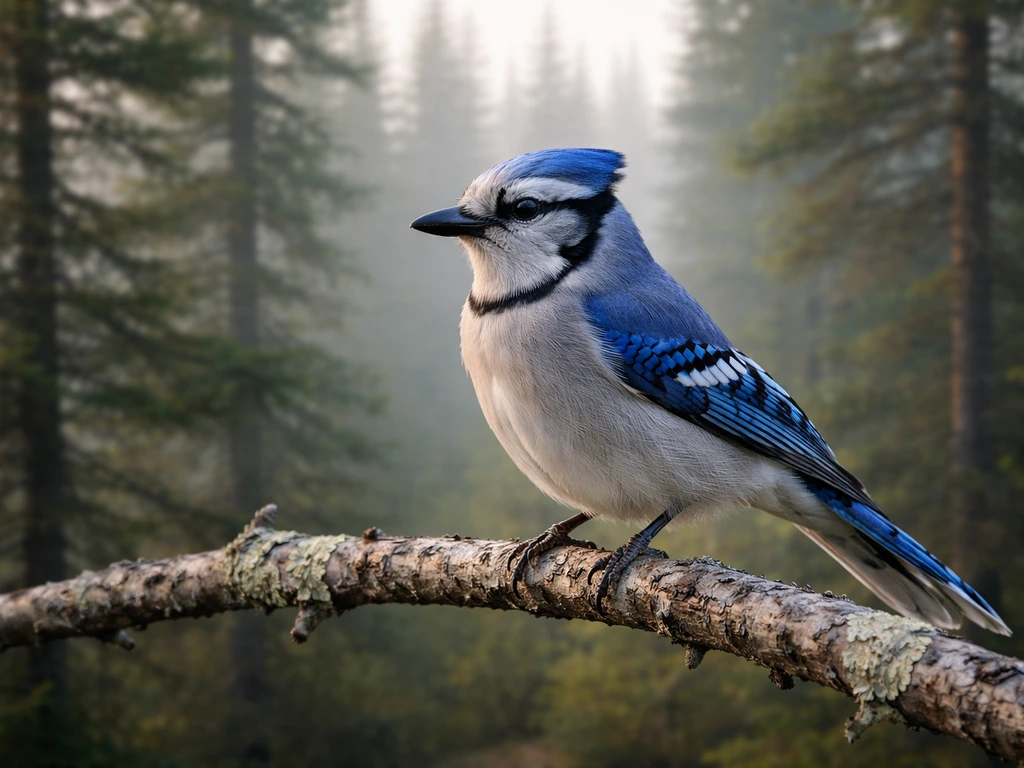
The confusion is understandable. The blue jay (Cyanocitta cristata) is a visually striking, unmistakable bird with bold blue and white plumage and a loud, assertive personality. It is common across much of eastern Canada and the United States, and it is the kind of bird most people can identify on sight. That familiarity breeds association.
The Toronto Blue Jays baseball team is probably the single biggest driver of this confusion. The team has been Canada's major league baseball franchise since 1977, and its name and logo have made the blue jay one of the most recognized bird symbols in Canadian popular culture. For millions of fans, 'Canada's bird' is simply the one on the baseball cap.
On top of that, the blue jay does have official bird status in Canada, just not at the national level. Prince Edward Island designated the blue jay as its provincial bird in 1977 following a province-wide public vote held the year before. So the blue jay is genuinely an official Canadian bird symbol, just for one province rather than the country as a whole.
There is also a general pattern of people assuming that well-known countries must have well-known, clearly designated national birds. Canada's situation, where the answer is effectively 'no official bird yet,' surprises a lot of people, so they fill in the gap with the most Canadian-seeming bird they already know.
How national bird symbols actually get chosen
National bird designations happen in different ways depending on the country. Some nations formalize a national bird through legislation. Others use government proclamations, while some simply allow a bird to become a de facto symbol through cultural tradition over decades. Canada has not gone through any of those routes at the federal level.
Canada's 2016 national bird project was citizen-driven and media-led rather than government-initiated. Canadian Geographic ran it as a campaign to raise awareness and push for a formal designation, not as the designation itself. Candidates included the common loon (already recognized on the one-dollar coin and a strong contender), the snowy owl, the Canada goose, and the gray jay. The gray jay emerged from a close race, supported by an expert panel and a plurality of public votes. That process showed there is real public appetite for a national bird, but the federal government has not acted on it with binding legislation.
This is worth knowing because it shapes how you interpret any 'Canada's national bird is...' claim you come across. If someone says it confidently, ask what they are basing it on. The answer might be the Toronto baseball team, a popular vote result, or a misremembered trivia fact rather than an official government source. The common loon is also often cited, but it is not an officially designated national bird of Canada Canada's actual national bird is.... If you are wondering what bird is on the $5 note, look for sources that match the specific currency reference instead of relying on generic national bird claims.
Blue jay vs the gray jay: how they stack up
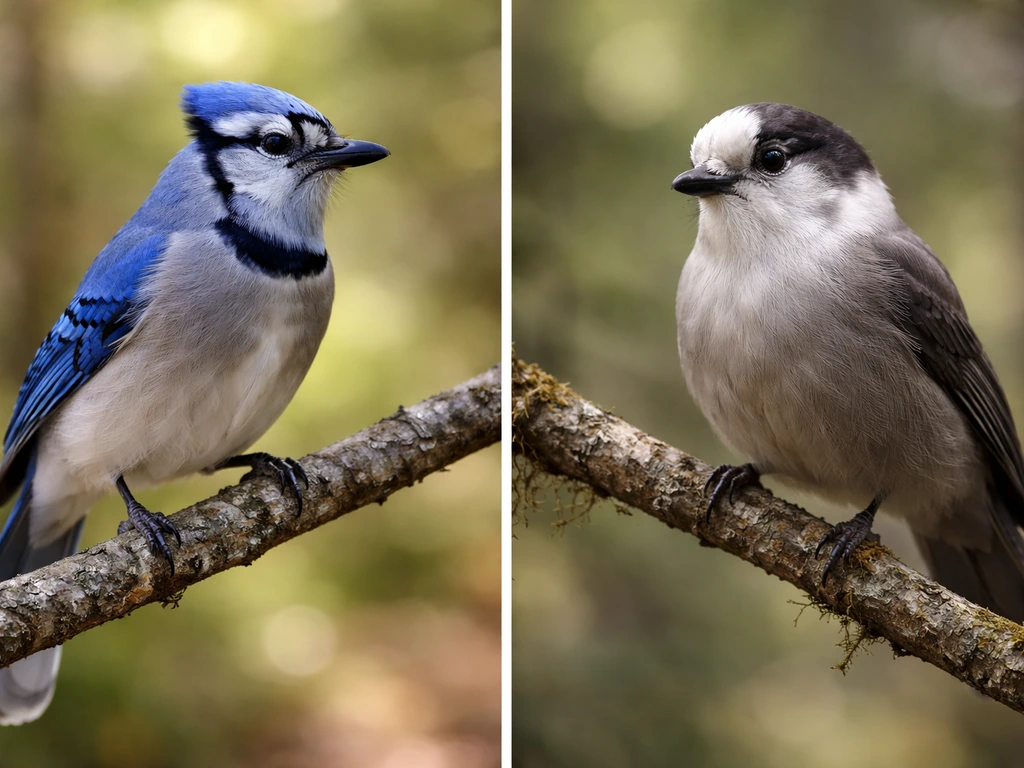
To make the difference concrete, here is a side-by-side look at the two birds most often discussed in the context of Canada's national bird identity.
| Feature | Blue Jay | Gray Jay (Canada Jay) |
|---|---|---|
| Scientific name | Cyanocitta cristata | Perisoreus canadensis |
| Official status in Canada | Provincial bird of Prince Edward Island (since 1977) | Unofficial national bird candidate (recommended by Canadian Geographic, 2016) |
| Range in Canada | Eastern and central Canada; does not reach all provinces and territories | Found coast to coast, all 13 provinces and territories |
| Appearance | Bold blue, white, and black plumage with a crest | Soft gray and white, no crest, smaller and rounder |
| Behaviour | Loud, raucous calls; caches food including acorns; bold and assertive | Quietly bold; caches food in cold climates; famously friendly around people |
| Migratory? | Largely non-migratory but some seasonal movement | Non-migratory; survives harsh Canadian winters year-round |
| National symbol? | No federal designation | No formal federal designation, but strongest candidate for national bird |
Both birds are genuinely interesting and both have a real connection to Canada. But if someone asks which one better represents the whole country, the gray jay has the stronger case: it lives everywhere in Canada, it stays through the winter, and it was specifically put forward as the national bird recommendation by a major national institution.
How to check national bird claims yourself
If you want to verify any claim about Canada's national symbols, the most reliable starting point is Canada.ca. The government maintains two pages worth bookmarking: one for official symbols of Canada (formally adopted) and one for unofficial symbols of Canada (widely recognized but not formally designated). Canada.ca explains that official symbols are formally adopted, while other symbols may be widely known but not formally designated official symbols (formally adopted). Checking those pages will tell you immediately whether a symbol has any legal or official standing.
For the blue jay specifically, the Government of Prince Edward Island's provincial bird page confirms its official designation and gives the history of the 1976 public vote and the 1977 adoption. That is the authoritative source for the blue jay's actual official status in Canada.
For the gray jay's national bird candidacy, Canadian Geographic's coverage of the 2016 project is the right place to look. Their articles on the selection process and the gray jay's characteristics explain how the bird was chosen and what the recommendation means, while being clear that it is not a formal government designation. The Hinterland Who's Who resource maintained by Environment and Climate Change Canada also provides solid factual information on the gray jay's range and ecology.
A useful habit: whenever you see a 'national bird of X' claim, look for whether the source is a government designation, a cultural institution's recommendation, a public vote result, or just popular usage. Canada's case is a good illustration of why that distinction matters.
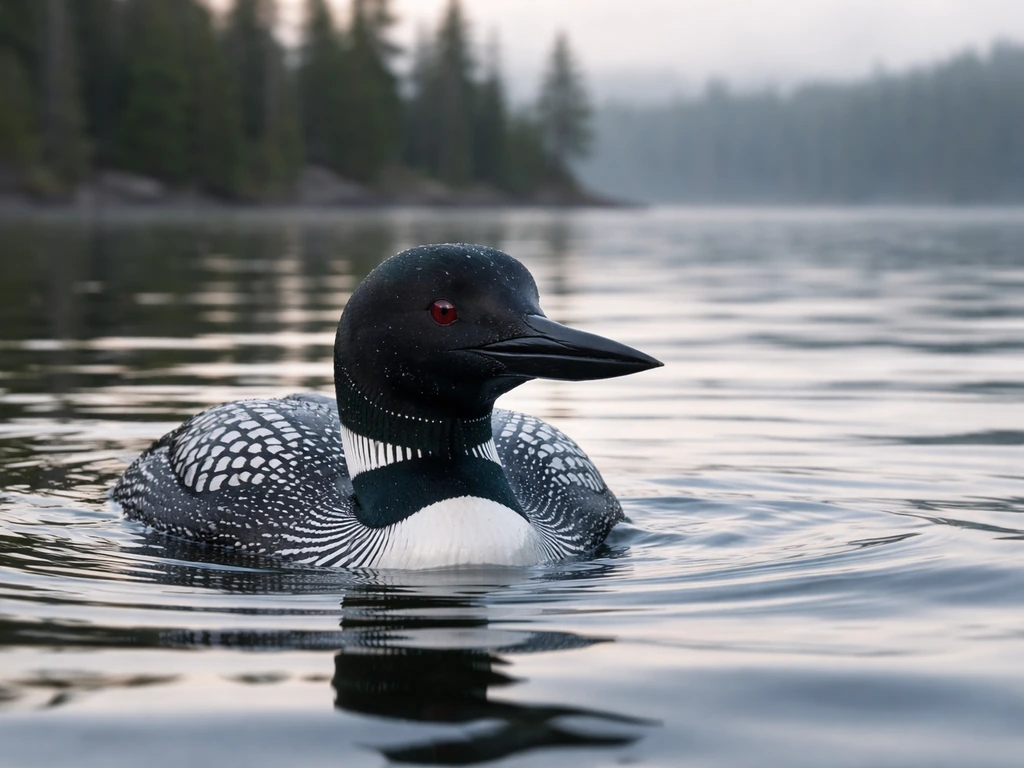
The common loon, which appears on the Canadian dollar coin, is another bird frequently cited in conversations about Canadian bird identity, and that coin connection is worth exploring separately if you are curious about how birds appear across Canadian symbols more broadly. The $2 coin is another place where people get confident about a bird name, even though it does not mean that bird is officially Canada's national bird.
The common loon, which is on the Canadian dollar coin, is often brought up when people ask what bird is on the Canadian dollar.
The bottom line
The blue jay is not Canada's national bird. You may also be wondering what bird appears on the New Zealand $100 note, which is a different question from Canada's national bird debate what bird is on the $100 note nz. If you are actually asking about New Zealand's $50 note design, the bird shown there is another common source of confusion, so it is worth checking the note's specific artwork what bird is on the $50 note nz.
Canada does not have an officially designated national bird at all. The blue jay's only formal bird-symbol status in Canada is as the provincial bird of Prince Edward Island. The gray jay is the strongest candidate for a future national bird, chosen by Canadian Geographic and the Royal Canadian Geographical Society in 2016, but that selection has not been turned into law.
Until Parliament formally passes something like the National Bird of Canada Act, Canada remains one of the few major countries without an official avian national symbol.
FAQ
If Canada has no official national bird, does that mean “national bird” claims are always wrong?
No. In Canada, “national bird” would require a federal designation (for example, through legislation or an official proclamation). Canada currently has no bird enshrined at the national level, so any answer you hear that treats a bird as official is likely based on tradition, a recommendation, or a different type of symbol.
What is the closest “Canada national bird” if it is not official?
Not necessarily wrong in a casual sense, but they should be treated as unofficial. The gray jay is the leading citizen-led candidate, chosen in 2016 by a public campaign and expert panel, but it has not been made a binding government symbol.
Is the gray jay the only Canadian bird people confuse with a national bird?
The gray jay. The blue jay is a strong Canadian-looking choice, but it is only officially designated at the provincial level, Prince Edward Island, and that does not make it the country’s national bird.
How can I quickly tell whether a “Canada national bird” claim is official or just a popular idea?
For Canada, yes, it is a helpful test. Check whether the claim points to the provincial bird list (for a provincial designation) or to federal symbols pages (for a national, official designation). If neither is cited, the statement is likely not an official status.
Does seeing a bird on a Canadian coin or banknote mean it is Canada’s official national bird?
No, and coin or bill imagery can mislead. For example, birds appearing on Canadian coins or banknotes are symbolic in a currency or design sense, they do not automatically equal an official national-bird designation.
Why does the blue jay seem to be everywhere when people talk about Canada’s national bird?
No. The Toronto Blue Jays are a major part of the blue jay’s popularity, but a sports team naming and branding is cultural usage, not a government designation of any bird.
If the blue jay is a provincial bird in Prince Edward Island, does that make it Canada’s national bird too?
It is not. The fact that the blue jay is officially the provincial bird of Prince Edward Island means the designation is real, but it is legally limited to that province, not Canada as a whole.
What should I do if I see a confident online claim that names a bird as Canada’s national bird?
If you see “Canada’s national bird is…” on social media or in an online quiz, look for whether the source is the Government of Canada’s symbols pages or a formal legislative/proclamation reference. Otherwise, treat it as either speculation or a recommendation rather than an official national status.
Next Article
Is the Loon the National Bird of Canada? Quick Answer
Find the real answer: whether the loon is Canadas national bird, why people think so, and how to verify it.