
Finland's national bird is the Whooper Swan, known in Finnish as the laulujoutsen. It was officially chosen through a public vote in 1981 and has held that title ever since, winning a repeat poll decades later by a wide margin.
What Is the National Bird of Finland? Facts and Meaning

Marcus Chen
31 May 2026
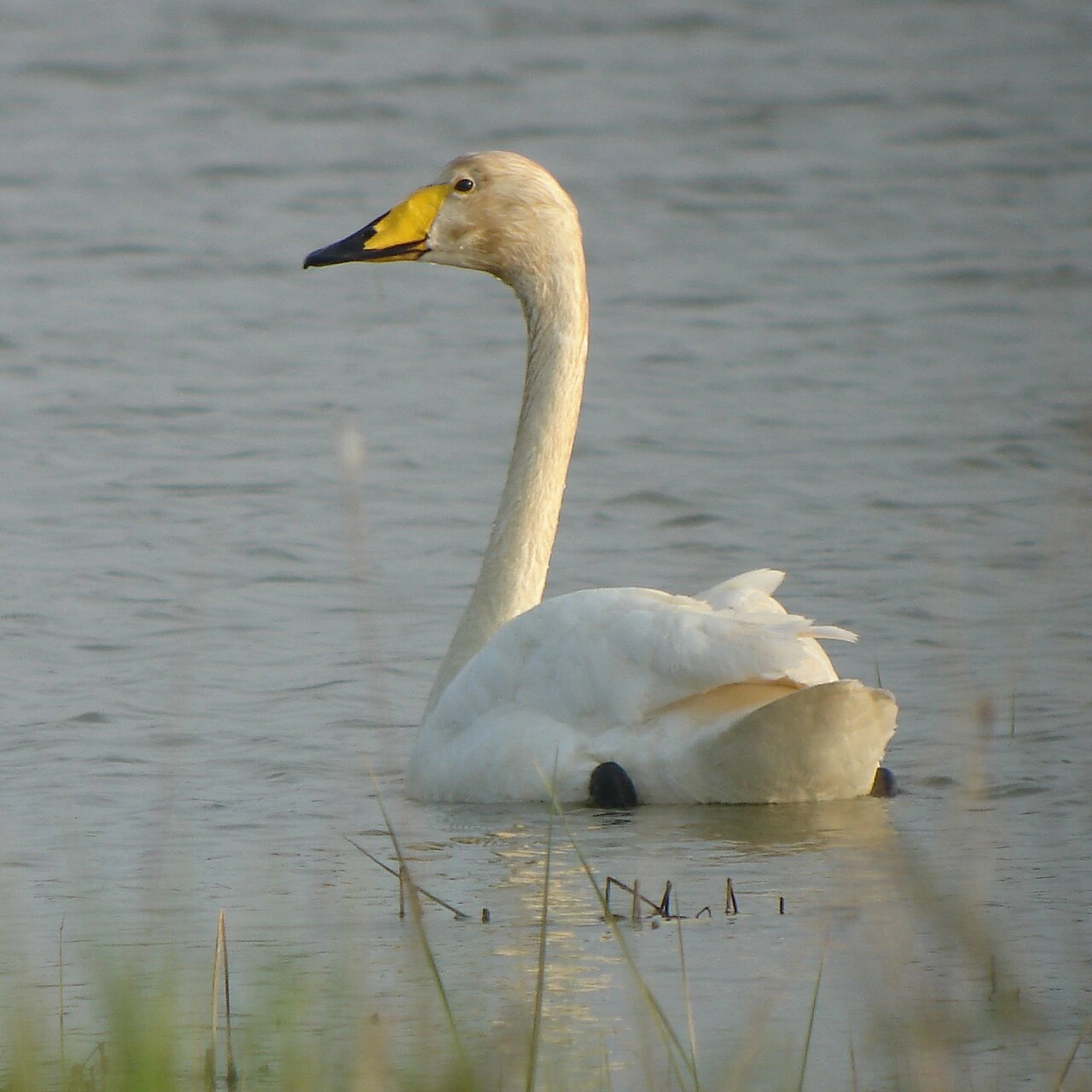
Why Finland chose the Whooper Swan
The 1981 vote wasn't just a popularity contest. The whooper swan carried real emotional weight in Finland by that point, partly because its story had become inseparable from the country's conservation awakening.
By the early 1900s, hunting and nest-raiding had devastated the population. By the 1940s, the whooper swan was largely confined to northern Lapland, with an estimated 15 nesting pairs left in all of Finland. It was on the edge of disappearing entirely.
Two things turned that around. In 1934, Finland granted the whooper swan full legal protection. Then in 1950, a naturalist named Yrjö Kokko published a book called Laulujoutsen: Ultima Thulen lintu, which translates roughly as 'The Whooper Swan: Bird of the Ultima Thule.' That book changed public attitudes dramatically. Kokko wrote about the birds with a depth and warmth that made Finns see them differently, and the conservation effort gained genuine popular support.
By the time of the 1981 national bird vote, the population had recovered enough that the whooper swan felt like a real success story, not just a distant symbol. BirdLife Suomi explicitly calls it a symbol of Finnish nature conservation, and that dual role as both natural emblem and conservation triumph is exactly why it resonated so strongly with voters.
What the Whooper Swan actually looks like
If you're trying to spot one or just want to picture it clearly, the whooper swan is a large, all-white bird with a long straight neck and a distinctive yellow-and-black bill. That bill pattern is the quickest way to tell it apart from the more widely known mute swan, which has a reddish-orange bill with a black knob at the base.
The neck posture is another useful clue. Whooper swans tend to hold their necks upright and straight, while mute swans often carry theirs in a slight S-curve, and mute swans also tend to hold their wings slightly raised when swimming. Suomen Luonto (Finnish Nature) also gives practical field marks to distinguish the whooper swan from the mute swan, including the bill and neck differences whooper swan vs. mute swan bill and posture. If you're in Finland and you see a swan, it's most likely a whooper swan rather than a mute swan, especially in wilder or more northern areas.
Whooper swans breed across Finland, but the highest density of nesting pairs is still in northern Finland. They're migratory, so the best time to see them in Finland is from spring through autumn. They typically return from their wintering grounds in March and April, which is when birdwatching groups like Luontoliitto track their arrival as part of spring monitoring programs.
| Feature | Whooper Swan (laulujoutsen) | Mute Swan (kyhmyjoutsen) |
|---|---|---|
| Bill color | Yellow and black | Reddish-orange with black knob |
| Neck posture | Straight and upright | Curved, slight S-shape |
| Wing position | Held flat | Slightly raised when swimming |
| Call | Loud, bugling whoops | Generally silent |
| Finland status | National bird, common breeder | Less common, mainly coastal |
What the swan means in Finnish culture
Beyond the official title, the whooper swan sits deep in Finnish cultural identity. The Finnish name laulujoutsen literally means 'singing swan,' which connects to the bird's loud, resonant call, a sound that carries across open lakes and wetlands in a way that feels genuinely Nordic.
The swan has long appeared in Finnish folklore and art. The image of swans on Finnish lakes is practically shorthand for the country's vast, quiet wilderness. For many Finns, seeing a whooper swan return in spring is a seasonal marker, the way some cultures treat the first swallow or the first robin.
Its conservation comeback also gave the bird a second layer of cultural meaning. The whooper swan is held up as proof that protection works, that a species reduced to 15 pairs can recover to over 10,000 breeding pairs within a few generations if people actually make the effort. That's not just a birding fact; it's a point of national pride.
Kokko's 1950 book remains in print and is still referenced when Finns talk about the swan's story. WSOY, its publisher, describes it as 'the story of Finland's national bird,' which tells you something about how embedded that narrative has become in Finnish cultural life.
Interesting facts and common mix-ups
- The whooper swan was so strongly associated with the national bird status that when BirdLife Suomi later organized regional bird elections for each Finnish province, the whooper swan was excluded from the voting because it was already the national bird.
- When Yrjö Kokko's book was first published in 1950, Finland had roughly 15 nesting pairs. Today there are approximately 8,500 to 10,000 breeding pairs. That recovery happened within a human lifetime.
- A repeat national bird vote was held years after 1981, and the whooper swan still came in first place by a clear margin, confirming it wasn't just a one-time result.
- Some people assume Finland's national bird might be the golden eagle or some other raptor, but every reliable Finnish source, including BirdLife Suomi and the official Suomi Finland 100 project, names the whooper swan unambiguously.
- The whooper swan's call is genuinely musical, a loud bugling sound produced in flight or on the water. The Finnish name laulujoutsen, meaning 'singing swan,' captures that quality directly.
- Legal protection began in 1934, but the population didn't start recovering meaningfully until public attitudes shifted, which is where Kokko's book made a real difference.
How to verify this and keep exploring national birds
If you want to double-check the answer independently, BirdLife Suomi is the most authoritative Finnish source. Their website states plainly that the whooper swan is Finland's national bird and explains its conservation significance. France's national bird is different, so it's worth checking a reliable source to see which species it honors the whooper swan is Finland's national bird. The Suomi Finland 100 project (Finland's centenary celebration) also named the whooper swan explicitly in its official content. For the historical 1981 vote and subsequent voting coverage, Yle, Finland's national public broadcaster, has reported on it directly.
For population history and the conservation timeline, the Arctic Centre provides a clear summary covering the 1934 protection law, the 1940s low of around 15 pairs, and the modern recovery to approximately 10,000 pairs.
If Finland's choice got you curious about the rest of Scandinavia and northern Europe, it's worth comparing across the region. Sweden, Norway, and the Netherlands have each made their own distinct choices for national bird, shaped by their own histories and landscapes. The national bird of the Netherlands is the Eurasian spoonbill.
If you're looking for Norway's pick specifically, the answer is the national bird of Norway Sweden, Norway, and the Netherlands have each made their own distinct choices for national bird. Sweden's national bird is the Eurasian siskin, a small songbird known for its bright, lively presence in the countryside. France and Spain went in very different directions too, reflecting the wide variety of ways countries connect their national identity to a single species.
Spain's national bird is a different symbol of the country's identity, and it's often discussed alongside other national bird choices across Europe what is spain's national bird. Portugal and Wales are also interesting cases where the choice carries strong historical and cultural weight. Portugal and Wales are also interesting cases where the choice carries strong historical and cultural weight national bird of Wales.
Portugal has its own national bird, which is recognized as an important national symbol national bird of portugal. Each story tends to reveal something genuinely specific about the country that chose it.
FAQ
Is “laulujoutsen” the national bird, and does it mean something different from “whooper swan”?
Laulujoutsen is Finnish for whooper swan (the same species), and the common English name is the whooper swan. “Whooper” refers to its loud call, which is one reason it became such a strong cultural symbol in Finland.
Does Finland’s national bird apply to all of Finland, or only northern regions?
The national-bird title is species-level, so it applies across Finland regardless of where you are in the country. However, the chance of seeing it is higher in the north because nesting density is greatest there.
What months are best to see Finland’s national bird?
In Finland, whooper swans arrive during spring migration, with many individuals returning around March and April. The best overall window for sightings is spring through autumn, but exact timing varies by year and weather conditions.
If I’m visiting southern Finland, will I still likely see the whooper swan?
They can still occur in southern areas, but the article notes the highest density of nesting pairs is in northern Finland. If you are visiting in spring, you may see them earlier in the north, then later farther south as migration progresses.
How can I tell a whooper swan from a mute swan quickly?
A common mistake is mixing up the whooper swan and mute swan. The quickest visual check is the bill, whooper swans have a more yellow-and-black pattern, while mute swans typically show a reddish-orange bill with a black knob at the base.
Are neck posture and wing position reliable ways to identify whooper swans?
Yes, posture helps, but it is not foolproof from far away. Whooper swans often keep the neck straight and upright, while mute swans tend to hold the neck in a more S-like curve, and mute swans often keep their wings slightly raised when swimming.
If I see a swan in Finland, is it always safe to assume it is a whooper swan?
No, mute swans are not “wrong” to see, but in Finland’s higher-latitude and wilder areas you are more likely to spot whooper swans. Using both bill pattern and posture together reduces misidentification.
Why did the whooper swan population recover after being near disappearance?
The recovery story is tied to protection measures and improved public support after the population crash. The article specifically mentions full legal protection starting in 1934 and a major influence from Yrjö Kokko’s 1950 book.
Has Finland’s national bird ever changed since 1981?
The whooper swan title remains official because it was set via the public vote in 1981 and the bird continued to be reaffirmed later through another public poll. So it is not a rotating title or a temporary campaign result.
Where can I verify the national bird answer from a Finnish authority?
If you want an independent check beyond general summaries, the article points to BirdLife Suomi as an authoritative Finnish reference. Using an official Finnish source helps avoid confusion caused by people listing different European national bird choices.
Next Articles
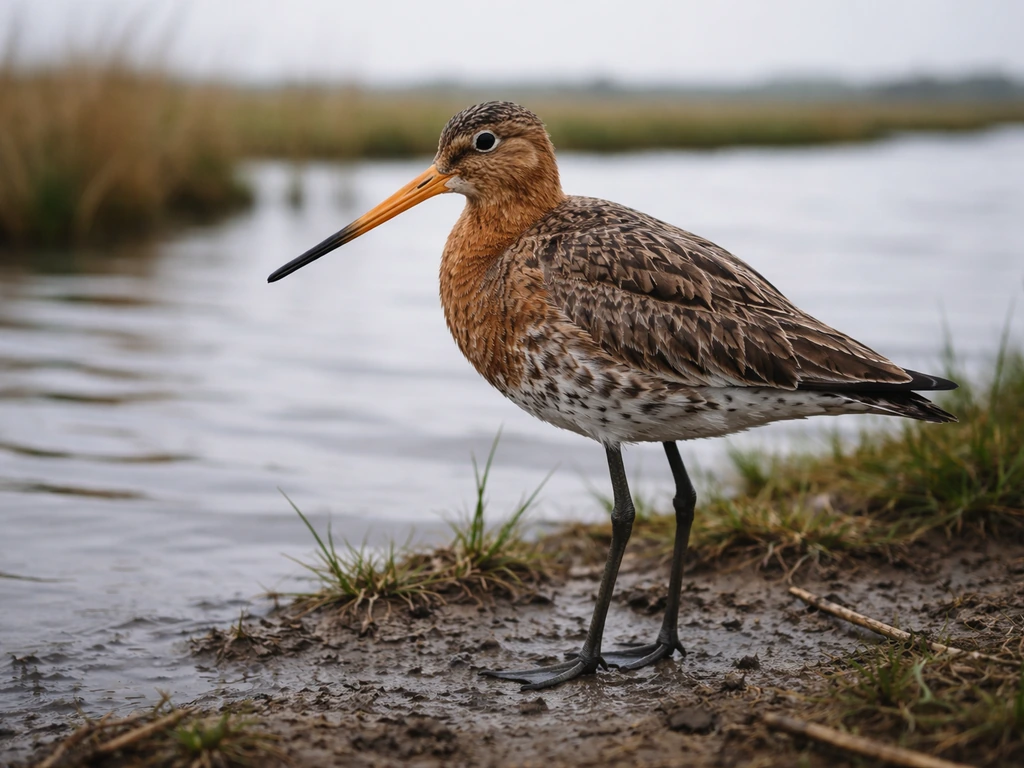
What Is the National Bird of the Netherlands?
Dutch national bird is the common kingfisher, symbolizing clear waters, national heritage, and how the emblem emerged in
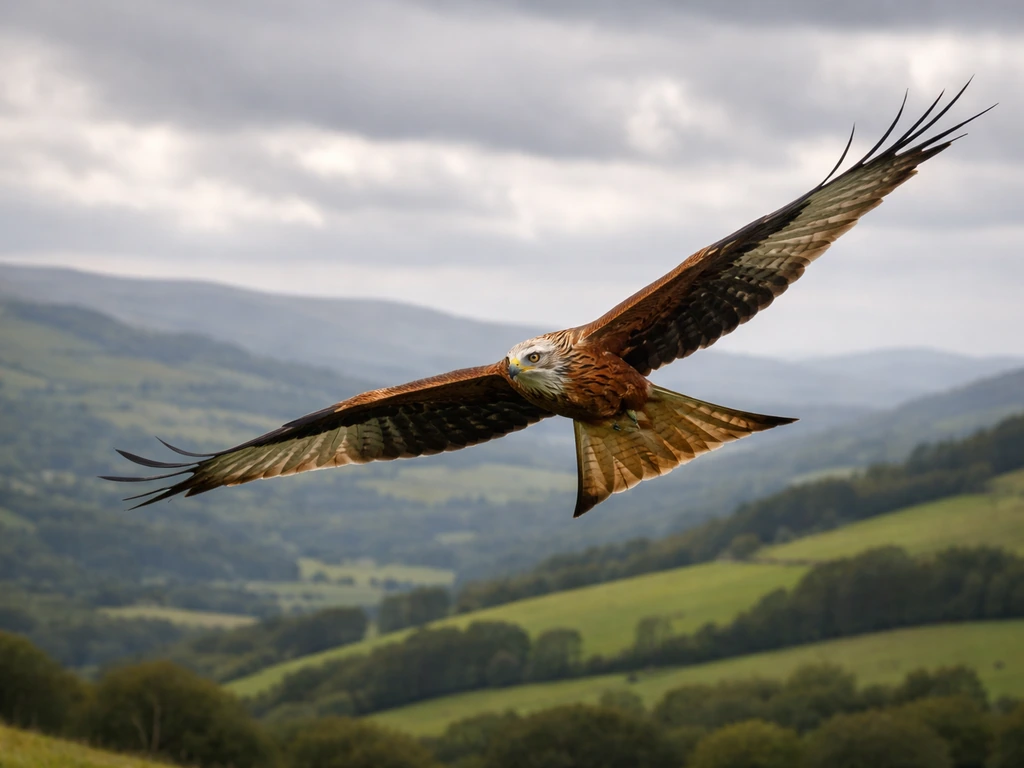
What Is the National Bird of Wales? Meaning and Facts
Discover Wales national bird meaning, history, and facts, plus key checks for common symbol mix-ups and misconceptions.
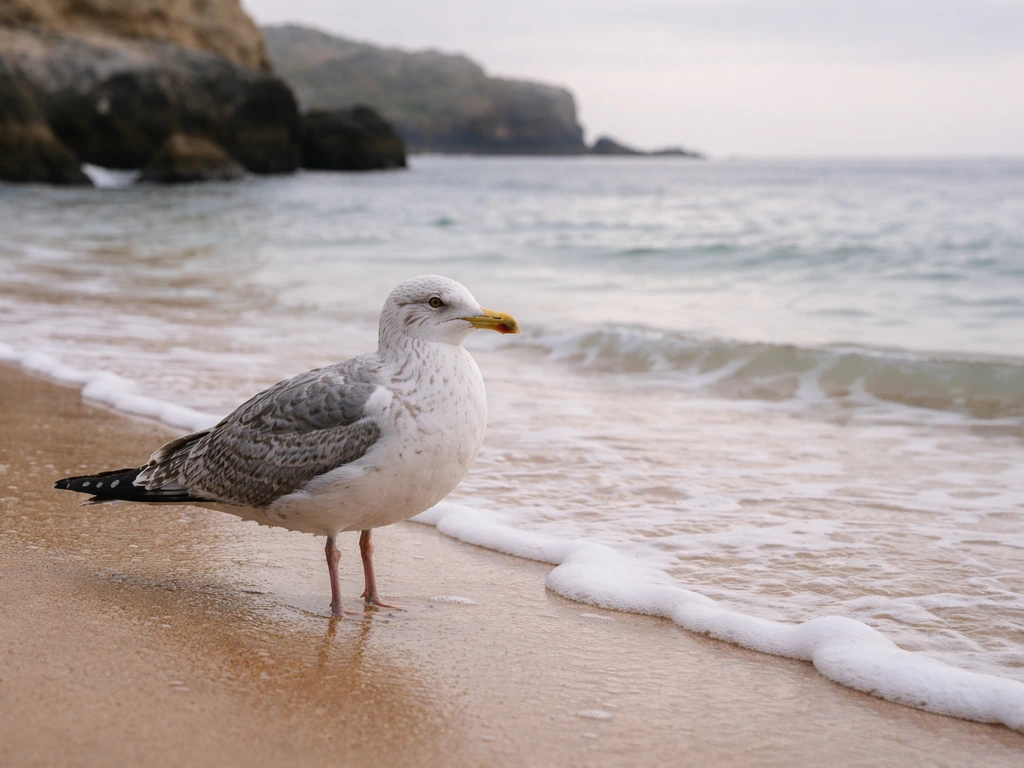
What Is the National Bird of Portugal? Symbol and Facts
National bird of Portugal is the common gull, a coastal symbol tied to maritime identity and national heritage.