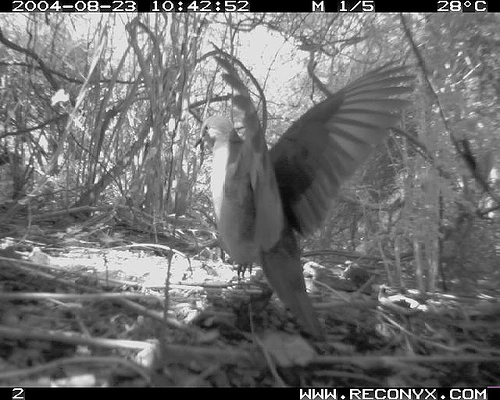
The dove is the national bird of Grenada, the small Caribbean island nation. Specifically, it's the Grenada Dove (Leptotila wellsi), a species found nowhere else on Earth. This isn't just a cultural nickname either, Grenada's National Emblems and National Anthem (Regulation) Act, Chapter 203A, legally defines the 'National Bird' as the Grenada Dove. So if you're looking for a single, confirmed answer: Grenada.
Dove as National Bird: Which Country and Why It Matters

Marcus Chen
10 Jun 2026
Which country claims the dove as its national bird
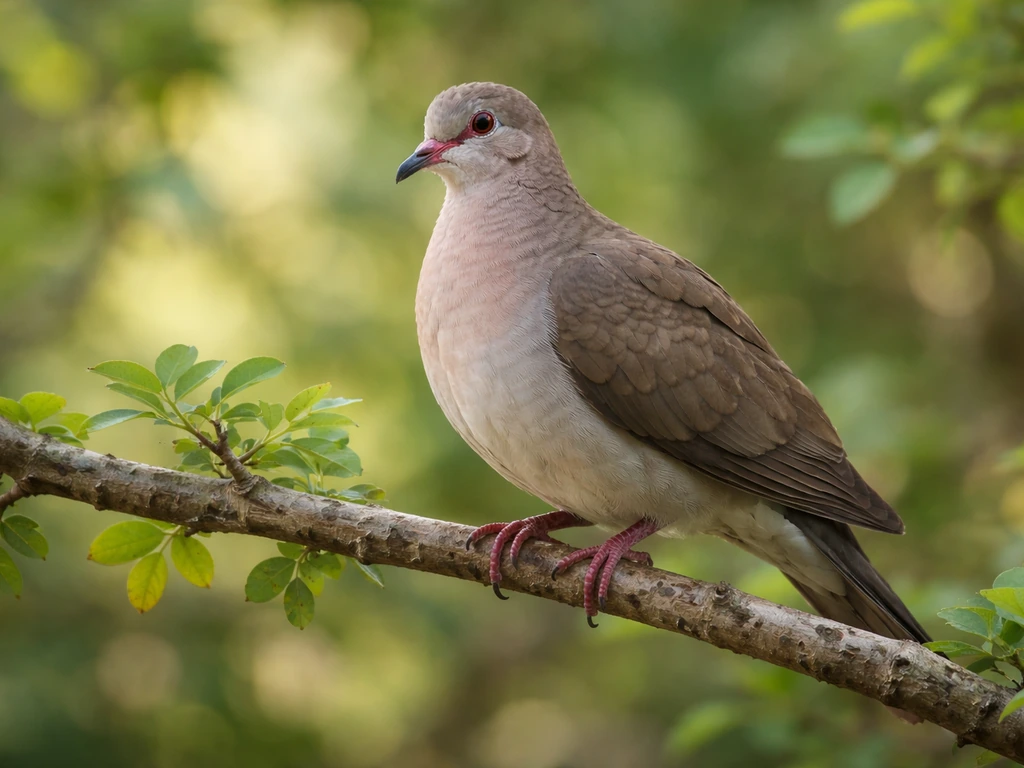
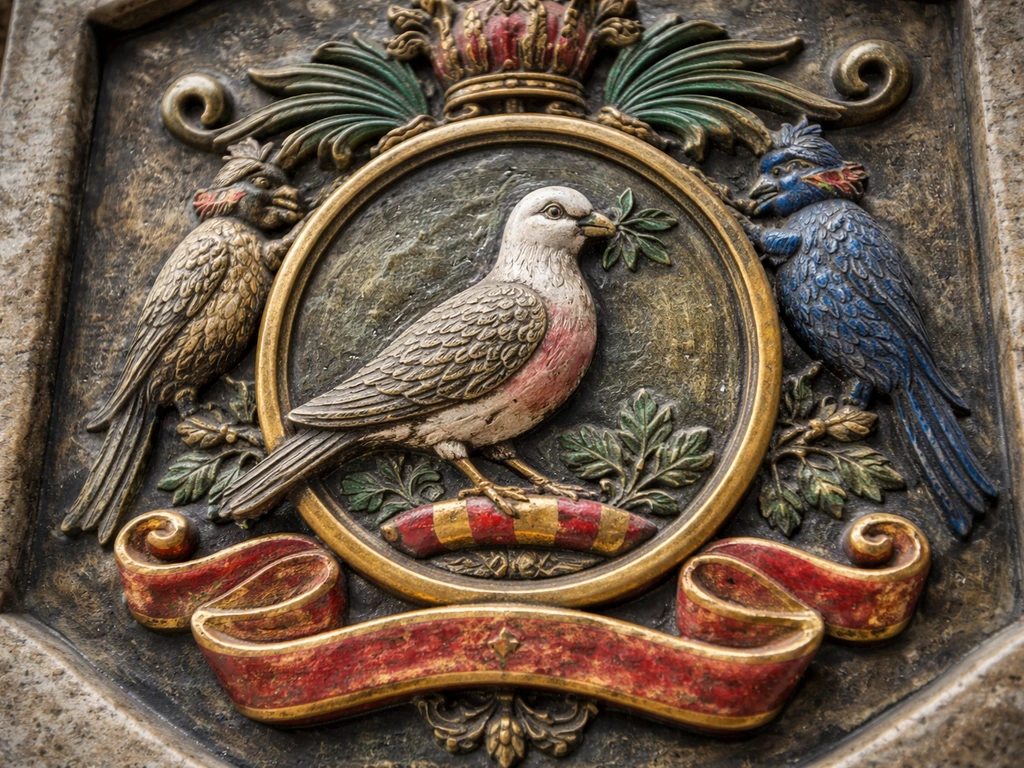
Grenada is the country you're looking for. The country is Grenada, where the Grenada Dove is designated as the national bird. The Grenada Dove (Leptotila wellsi) holds the official title of national bird, recognized both in law and on the country's national symbols page published by the Government of Grenada. The bird is also featured as a supporter on Grenada's Coat of Arms, so it appears in the country's heraldic imagery as well as in its legal statutes. That dual presence, in the national emblems act and on the coat of arms, makes this one of the clearer, less disputed national bird designations you'll find.
One thing worth noting: Grenada's official symbols page also refers to the bird by its older common names, 'Pea Dove' or 'Well's Dove.' If you encounter those names in older sources, they're describing the same bird. The scientific name Leptotila wellsi is what ties everything together when sources use different common names.
How to verify this officially, not just from a list
Online lists of national birds are notoriously unreliable. The commonly-circulated “list of national birds” format is error-prone, and Wikipedia’s list includes an “official status” column and notes that some governments do not recognize certain bird designations blank" rel="noopener noreferrer">Online lists of national birds are notoriously unreliable.. Many are crowd-compiled, don't cite government sources, and sometimes list the same bird under multiple countries or confuse 'emblematic' with 'official.' Here's how to confirm Grenada's dove designation from authoritative sources rather than taking a random webpage at face value.
- Check Grenada's official laws portal (laws.gov.gd) for Chapter 203A — the National Emblems and National Anthem (Regulation) Act. The legal definition section explicitly states that 'National Bird' means the Grenada Dove. That's the primary legal anchor.
- Cross-reference with the Government of Grenada's official national symbols page, which describes the Grenada Dove and identifies it as the national bird alongside physical descriptions and former common names.
- Look for the scientific name Leptotila wellsi in any source you're evaluating. If a source says 'a dove' without specifying the species, it's probably pulling from a secondary list. Authoritative sources — including the Grenada Biodiversity Hub, the U.S. Fish & Wildlife Service, and peer-reviewed conservation literature — all use the full binomial name.
- Be cautious with Wikipedia as a starting point, not an endpoint. Wikipedia's list of national birds includes an 'official status' column that flags when designations are disputed or unconfirmed — worth checking, but always follow it back to the government source.
The history behind the designation
The Grenada Dove was designated as the national bird in 1991, according to multiple conservation sources. This timing matters: 1991 was also the year Grenada passed its National Parks and Protected Areas Act (Cap. 206), which laid the legal groundwork for habitat protection. The designation wasn't just symbolic, it was tied directly to conservation action.
In 1996, the Government of Grenada established Hartman National Park specifically to protect the endemic Grenada Dove and its habitat. This is documented on Grenada's official national symbols page. The sequence, national bird designation in 1991, national park in 1996, tells you that choosing this bird wasn't a casual decision. It was part of a broader effort to protect a species that exists only in Grenada and was already recognized as vulnerable.
For verification purposes: Wikipedia cites 1991 as the designation year, which aligns with the conservation legislation timeline. If you want to confirm the exact year from a primary source, the official Cap. 203A act is the place to look. Secondary conservation articles and news reports generally agree on 1991, but the act is the legal record.
What the dove means to Grenada
The Grenada Dove's symbolism is rooted in national pride and uniqueness rather than the generic 'peace' imagery most people associate with doves. Because Leptotila wellsi is found nowhere else on Earth, the bird functions as a living emblem of Grenada's distinct natural heritage. The Grenada Biodiversity Hub describes it as 'a symbol of national pride,' and its image has been used on stamps, currency, and in educational materials.
It also appears as a fauna supporter on the national Coat of Arms, representing the wildlife of the islands in a formal heraldic context. This is different from, say, a dove appearing on a flag as a generic peace symbol. The Grenada Dove's placement in the coat of arms is species-specific, it's that bird, not just 'a dove' standing in for an idea.
The conservation dimension adds another layer of meaning. The Grenada Dove is critically endangered, with a small and restricted population. Choosing it as the national bird elevated its profile and helped drive the park protections that followed. In that sense, the national bird designation has had real-world consequences for the species' survival, which makes Grenada's choice more significant than a purely ceremonial one.
Species details and common points of confusion
The word 'dove' is a loose common name applied to dozens of species in the pigeon family (Columbidae). Britannica points out that 'dove' doesn't map cleanly onto any single scientific group, it's essentially a size and cultural convention. This is exactly why national bird lists that just say 'dove' without specifying which one create so much confusion.
Here's a quick breakdown of the species-level facts for the Grenada Dove specifically:
| Attribute | Detail |
|---|---|
| Scientific name | Leptotila wellsi |
| Common names | Grenada Dove, Pea Dove, Well's Dove |
| Family | Columbidae (pigeons and doves) |
| Range | Endemic to Grenada only |
| Conservation status | Critically Endangered |
| National bird designation year | 1991 (per conservation sources; confirm via Cap. 203A) |
| Coat of Arms role | Fauna supporter |
People sometimes associate doves with other countries because of the rock dove (common pigeon) or turtle dove appearing in national imagery or cultural references. The rock dove, for instance, is tied to various historical and religious traditions across Europe and the Middle East. None of these are the same as Grenada's endemic Leptotila wellsi. When a source can't give you a binomial name or a specific legal citation, treat it as unverified.
When your search results disagree: how to sort it out
It's genuinely common to find conflicting claims about national birds online. Some sites list the dove under multiple countries, others confuse emblematic imagery with official designations, and some just copy errors from earlier lists. If you're hitting contradictions, here's a practical approach to resolving them. But does every country have a national bird, or is it more common in some countries than others?
- Identify whether the source links to a government page or a piece of legislation. If it doesn't, treat the claim as unverified regardless of how authoritative the site looks.
- Check whether the source uses a species name. 'Dove' without a binomial is a red flag for a secondary or tertiary list. For Grenada, the correct species is Leptotila wellsi — any source naming this correctly is almost certainly describing the same bird.
- Look for an 'official status' indicator. Wikipedia's national birds list, while imperfect, does distinguish between officially designated birds and unofficially claimed ones. Use that as a filter, then go to the government source to confirm.
- If a source claims a different country has the dove as its national bird, ask: does that country have a law or official government page that says so? For Grenada, the answer is clearly yes. For other claimed countries, you'll often find the trail goes cold at a blog post or a copied list.
- When in doubt, search the country's official government website directly for 'national symbols' or 'national emblem' pages. Grenada's is publicly accessible and species-specific. Most serious discrepancies dissolve once you go back to the primary source.
This same verification approach works for any national bird query, not just doves. The national bird ecosystem online has a lot of noise, the same issues come up when people search for which country claims the owl, the crow, or the ostrich as a national bird. If you have a similar question for the owl, the most reliable method is to check which country’s government source names and legally defines that bird.
For example, if you are asking which country has the crow as its national bird, you should verify the claim against an official government or legal source before trusting any list. If you run into similar confusion with an owl, use the same method: find the relevant government or legal source and confirm the specific species tied to the designation which country claims the owl.
The fix is always the same: find the government source, find the species name, and check whether the designation is legally codified or just culturally assumed.
FAQ
Why do some websites list a different “dove” for Grenada?
It is possible to see older sources say “Pea Dove” or “Well’s Dove,” but the official designation in Grenada is specifically the Grenada Dove species (Leptotila wellsi). When common names vary, confirm using the scientific name and the legal act that defines the national bird.
Is Grenada’s national bird just any dove, or a specific species?
No. “Dove” as a common term can refer to many pigeon-family species. Grenada’s designation is not generic, it is the Grenada Dove (Leptotila wellsi), which is endemic to Grenada. If a claim does not name the species, it is likely not identifying the same bird.
What is the fastest way to verify a national bird claim when results conflict?
If you are checking a claim, prioritize Grenada’s legal and official emblem materials over third-party lists. A reliable workflow is: find the government/legal source that defines “National Bird,” then verify the species name and match any alternative common names to that same species.
Was Grenada’s national dove designation really made in 1991?
Yes, the year can be checked but you should use the legal record for certainty. Many secondary sources converge on 1991 as the designation year, so if you need an exact confirmation, look for the National Emblems and National Anthem (Regulation) Act (Cap. 203A) details rather than relying on summaries.
Does “national bird” mean the Grenada Dove is easy to spot in Grenada?
The national bird being tied to conservation does not mean people can reliably identify it in the wild everywhere. Grenada’s dove is restricted to a limited range and is critically endangered, so it may be hard to see even if you are in Grenada. For viewing, use local conservation guidance rather than expecting it to be common.
How can I tell if a dove on national imagery is an official national bird versus just a general symbol?
Official use matters. In Grenada, the national bird shows up on formal national symbolism, including the Coat of Arms, and it is defined in law. If you see a dove on a flag, stamp, or logo, it might be decorative, so check whether the source explicitly says “national bird” and names the species.
What are the most common mix-ups between Grenada’s dove and other countries’ birds?
Sometimes people confuse Grenada’s dove with other “dove-like” birds used in other countries’ symbolism (for example, rock doves or turtle doves). The key distinction is species-level identification. If the source cannot provide a binomial name or connect the claim to Grenada’s legal definition, treat it as unreliable.
Next Articles
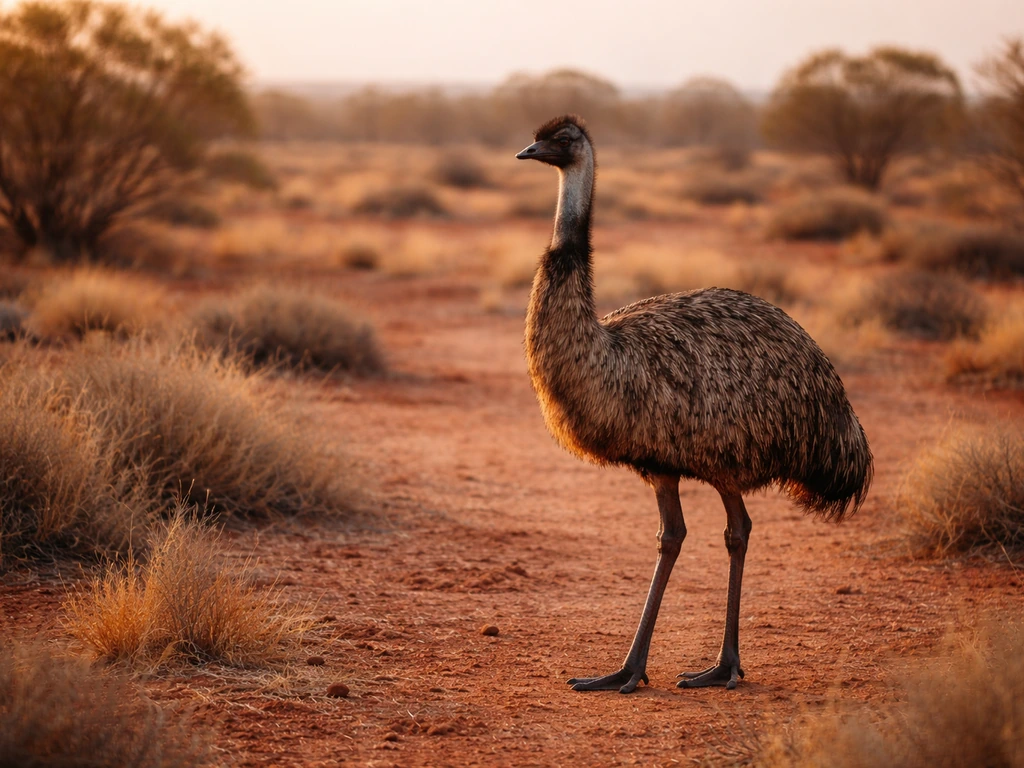
Emu Is the National Bird of Which Country? Answer
Emu is the national bird of Australia, with history on its selection and tips to avoid common mix-ups.
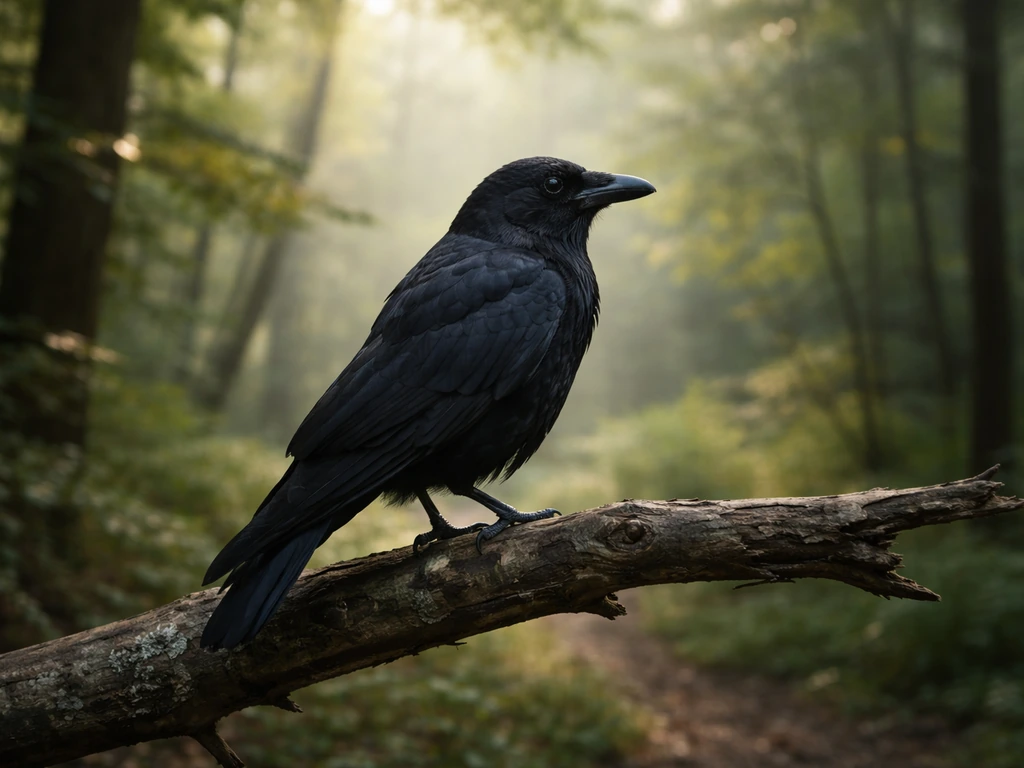
Crow Is the National Bird of Which Country? Answer
Answers which country has the crow as national bird and explains the symbolism and how to verify it.
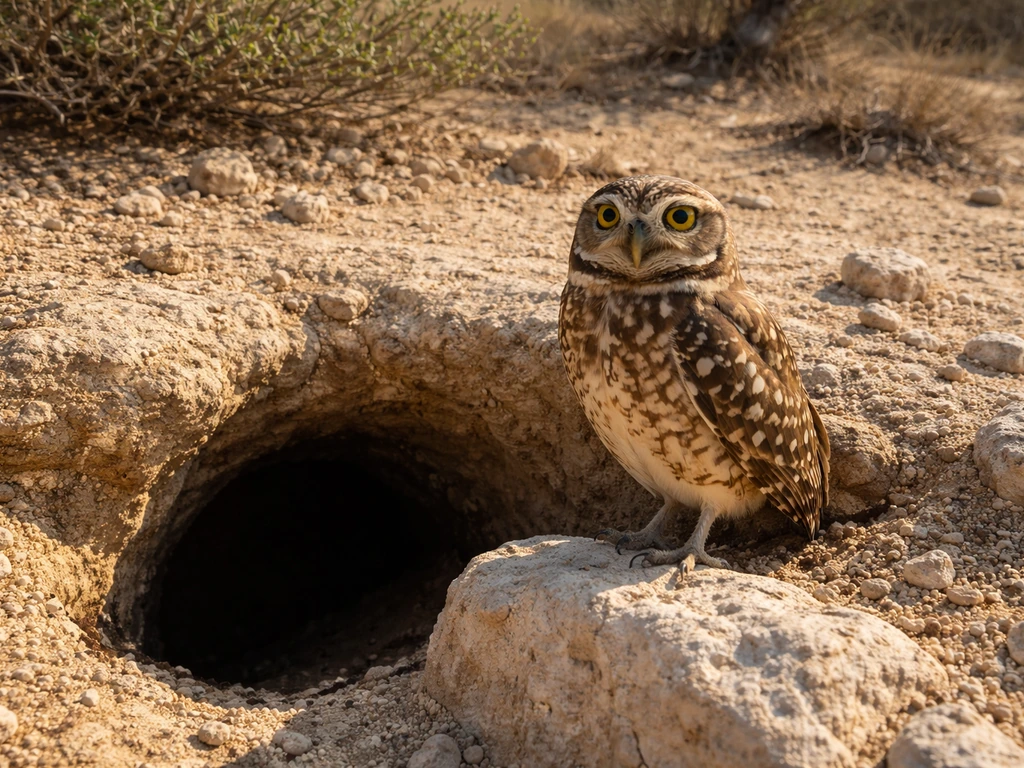
Owl National Bird of Which Country: How to Verify
Find which country’s national bird is an owl, verify it step by step, and clear owl vs crow confusion.