The emu is the national bird of Australia. It is not officially designated by law, but it is universally recognized as Australia's national bird and appears on the country's Commonwealth Coat of Arms alongside the red kangaroo, making it one of the most visible animal symbols of the nation.
Emu Is the National Bird of Which Country? Answer

Marcus Chen
8 Jun 2026
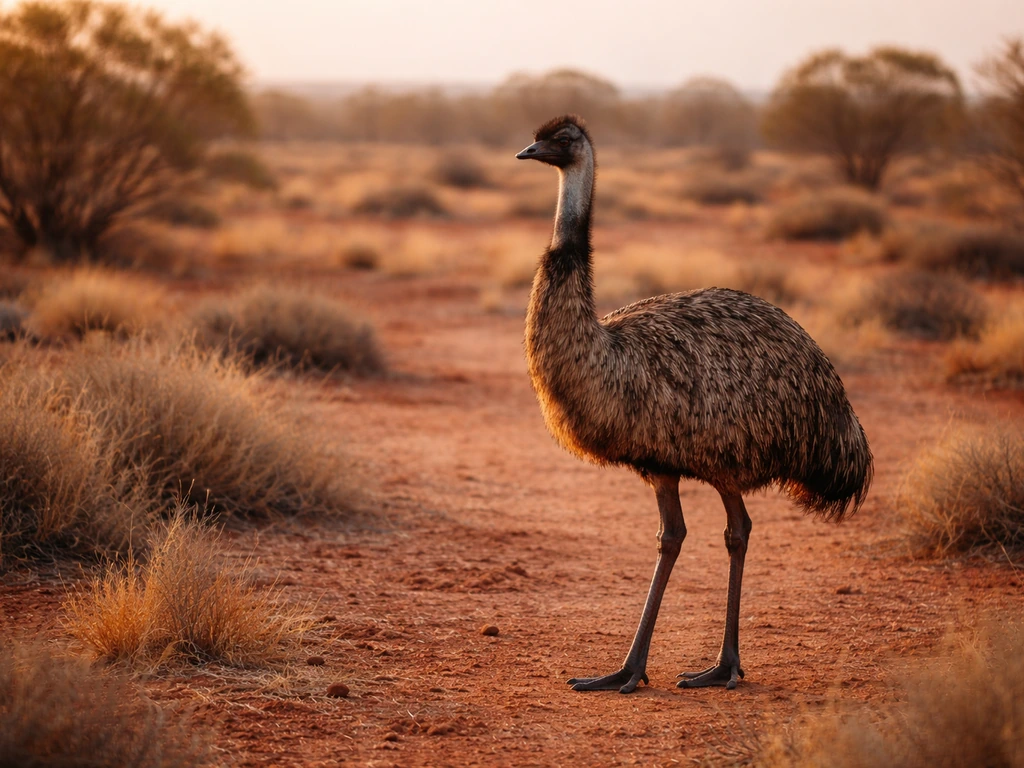
Is the emu officially Australia's national bird?
Here's where it gets a little nuanced. The emu's status as Australia's national bird is widely accepted but not formally legislated. On reference lists like the global "List of national birds," the emu is listed under Australia with an official status of "No," meaning no specific law or government proclamation has formally declared it the national bird the way some countries do.
What is formal and official, however, is the emu's place on the Commonwealth Coat of Arms. Granted by Royal Warrant on 7 May 1908, the coat of arms shows an emu on the right side and a red kangaroo on the left, both supporting a central shield. That grant is the authoritative government record that ties the emu to Australian national identity at the highest official level.
So the safest way to think about it: the emu is Australia's de facto national bird, recognized by convention and deeply embedded in official symbolism, even if there is no standalone proclamation calling it the national bird by title. It is not the national bird of any other country.
Why Australia chose the emu
The emu did not end up on the coat of arms by accident. Both the emu and the kangaroo were chosen as supporters for a reason that has been repeated in Australian civic education ever since: neither animal can move easily backwards. The emu, because of its skeletal structure, cannot walk in reverse without considerable difficulty, and the kangaroo's tail makes reversing equally awkward. That shared trait made them a natural metaphor for a nation intended to always move forward.
Beyond the symbolism, both animals are uniquely and unmistakably Australian. The emu (Dromaius novaehollandiae) is found nowhere else in the world as a wild species, which made it a logical choice for representing a country keen to distinguish its identity on the world stage in the early 1900s. When the coat of arms was being designed following Federation in 1901, the selection of native fauna was a deliberate act of nation-building.
Australia's government departments, including the Department of the Prime Minister and Cabinet and the Parliamentary Education Office, both reference the emu in their descriptions of national symbols, cementing its role in the country's official identity even without a formal national-bird decree.
Quick emu facts that explain its symbolic weight
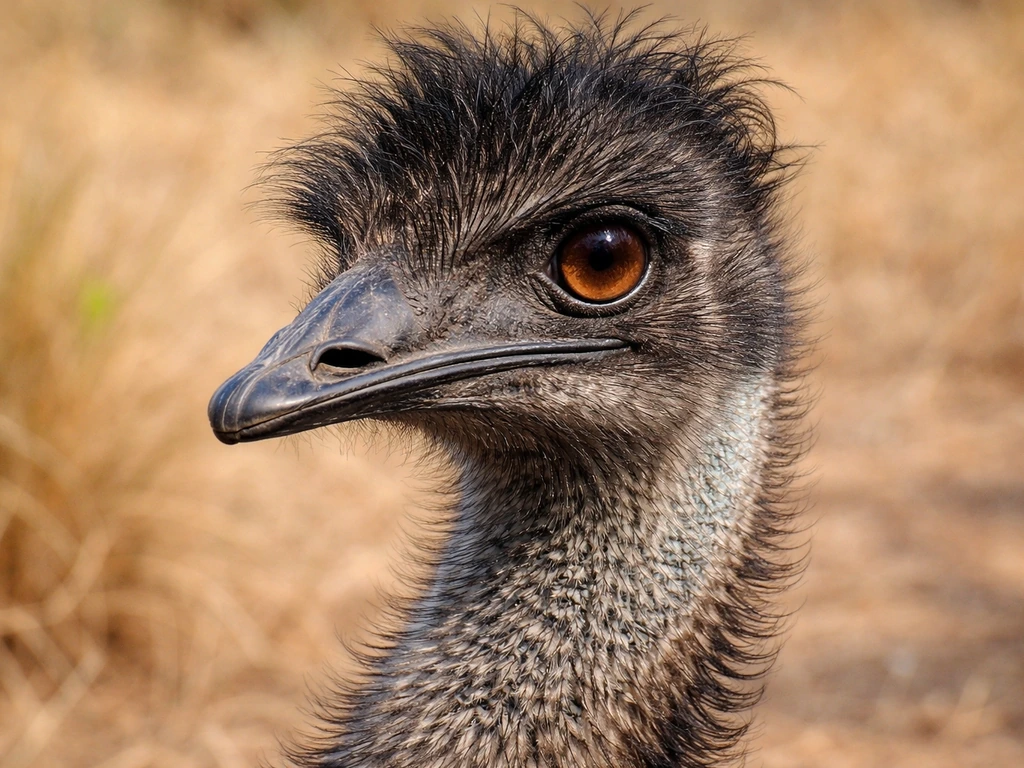
- Scientific name: Dromaius novaehollandiae. The species name literally means "new Holland runner," referencing the old European name for Australia.
- The emu is the world's second-largest living bird by height, after the ostrich. Adults typically stand 1.5 to 1.9 metres (around 5 to 6 feet) tall.
- It is a ratite, the same group of flightless birds that includes the ostrich, kiwi, rhea, and cassowary.
- Emus are endemic to Australia, meaning the wild population exists naturally only on that continent.
- The emu has appeared on Australian currency, stamps, and public monuments in addition to the coat of arms.
- The coat of arms featuring the emu has been used since the Royal Warrant of 7 May 1908, making it one of Australia's oldest formal national symbols.
Common mix-ups to watch out for
Confusing the emu with other ratites
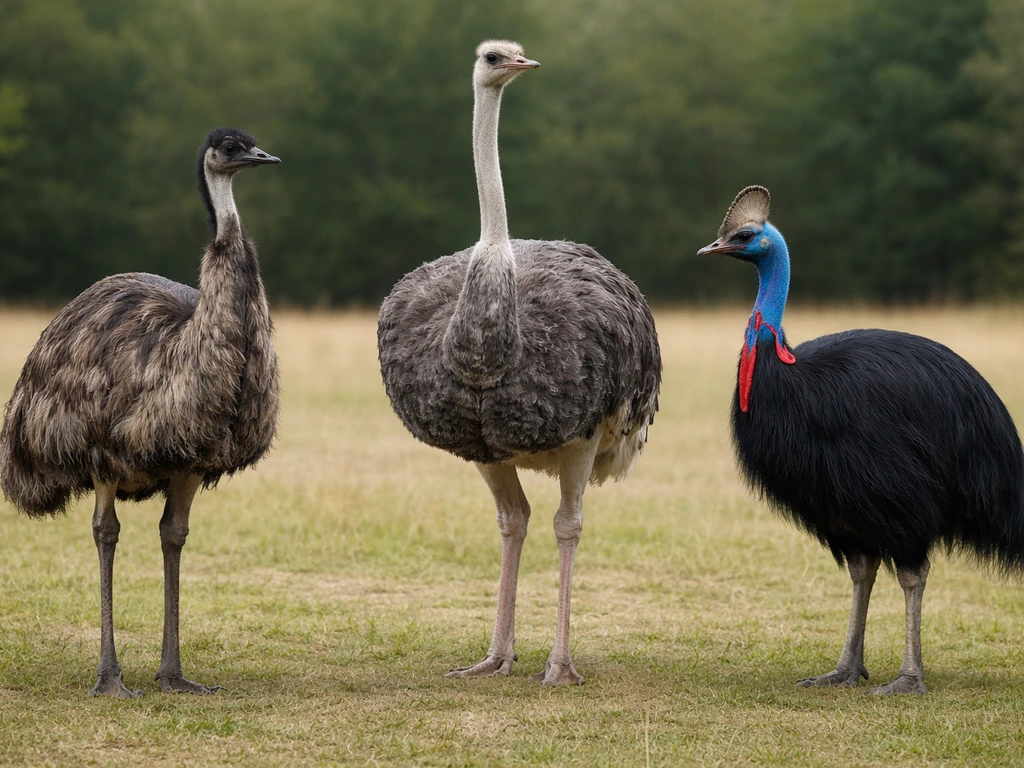
Because the emu looks broadly similar to the ostrich and the cassowary, people sometimes mix up which ratite belongs to which country. The ostrich is associated with South Africa (and appears on that country's coat of arms too), while the cassowary is native to both Australia and Papua New Guinea but is not a national bird in the same way the emu is. The ostrich is a national bird in another country, so check the specific country's symbols to avoid mix-ups ostrich national bird. If you are comparing large flightless birds across national symbols, keep those distinctions clear.
Thinking it's the national bird of multiple countries
The emu is not the national bird of multiple countries. For the correct answer to which country the emu is the national bird of, it is Australia national bird of multiple countries. It belongs squarely to Australia in the national-symbol context. Some people assume that because emus are kept in zoos or farms worldwide, or because their name appears in cultural references outside Australia, the bird might have symbolic ties elsewhere. It does not. Australia is the only country where the emu holds national-bird status.
Confusing national bird with coat of arms animal
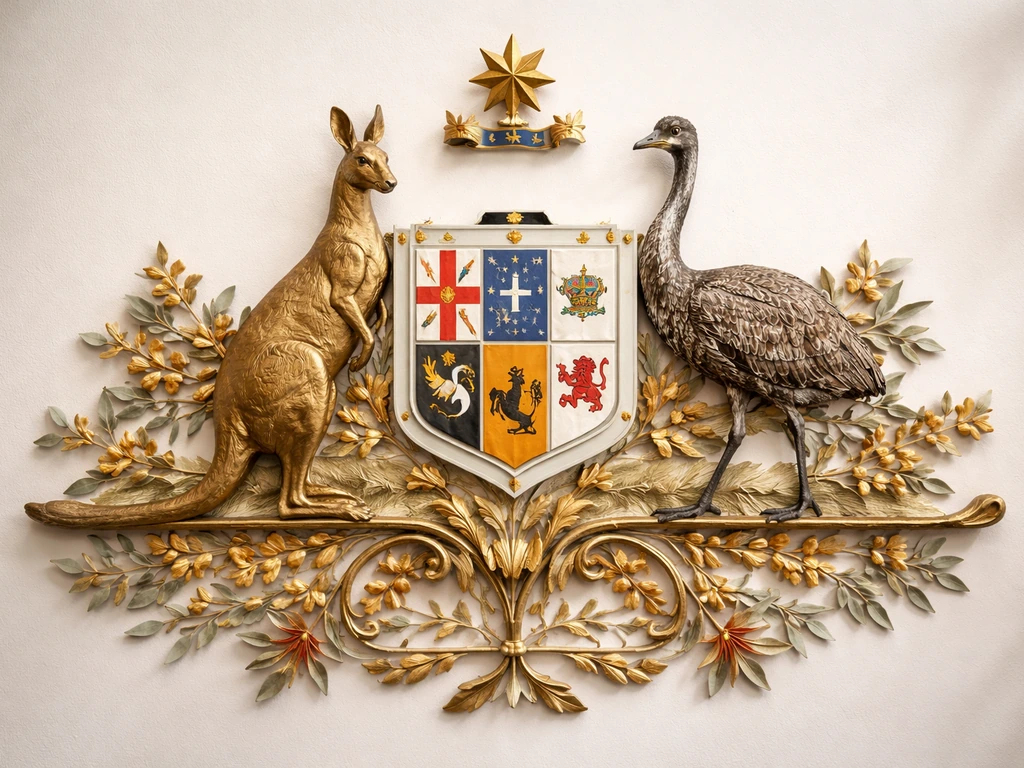
A few readers get confused when they see that the emu is listed as "unofficial" in national-bird databases but then find it prominently displayed on official Australian government materials. The explanation is simple: the emu's official role is as a supporter on the coat of arms, not as a formally proclaimed national bird. In the Commonwealth Coat of Arms described by the Australian Government Department of the Prime Minister and Cabinet, the emu appears as one of the coat-of-arms supporters standing opposite the kangaroo on either side of the central shield blank" rel="noopener noreferrer">place on the Commonwealth Coat of Arms. That does not make it less significant, it just means the recognition came through heraldry rather than legislation. Many countries formalise their national birds differently, and some, as you might find when browsing this site's broader coverage of national birds, have not officially designated one at all. If you are wondering about another species instead, check the question of which country’s dodo is the national bird as a related national-bird example national birds. In general, whether every country has an official national bird varies, since some nations designate one by law while others rely on tradition or do not name one at all national bird status.
Searching for the wrong term
If you have been searching phrases like "emu national bird of India" or "emu national bird of New Zealand," those searches will not lead anywhere accurate. For example, if you mean the owl as a national bird, you should verify the specific country claim using the same kind of official and reference sources owl is the national bird of which country. New Zealand's iconic flightless bird is the kiwi, and India's national bird is the Indian peafowl (peacock). The emu is Australia's, full stop. Similarly, if you are exploring other birds on this site, you will find that flightless and large birds like the dodo (associated with Mauritius) and the ostrich each have their own national-symbol stories tied to specific countries.
How to verify the emu's national-bird status
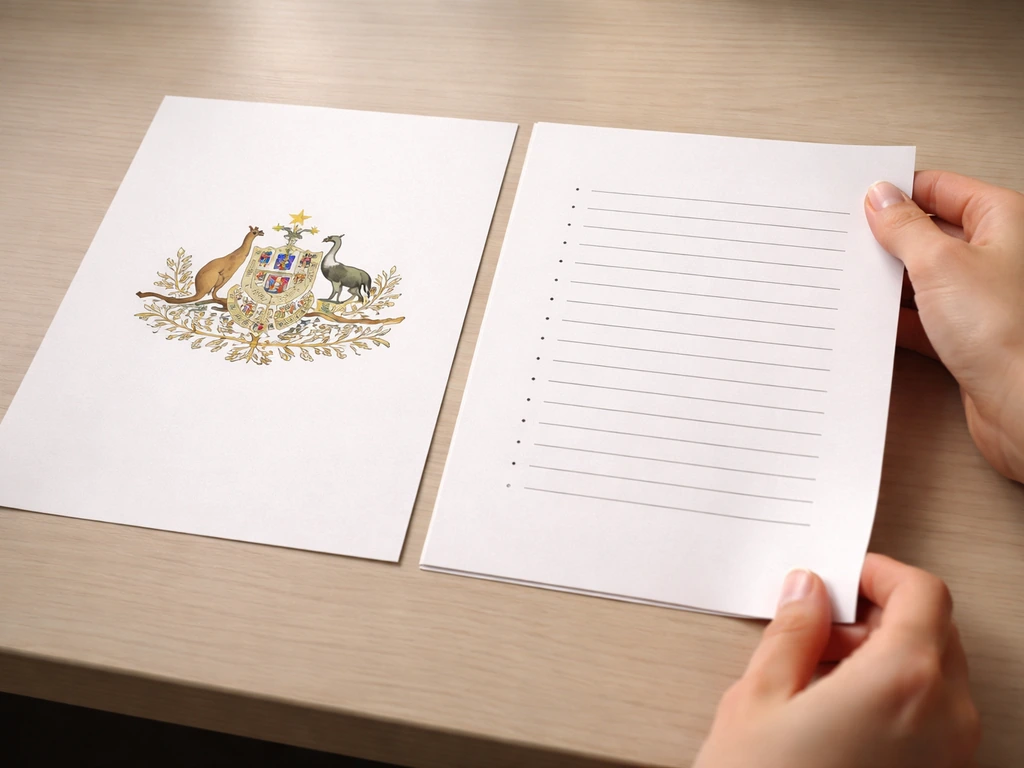
The most reliable way to confirm the emu's place as Australia's national bird is to look at two sources together: the Australian Government's description of the Commonwealth Coat of Arms (available from the Department of the Prime Minister and Cabinet) and the Parliamentary Education Office's materials on national symbols. Together, they show that while there is no formal proclamation, the emu is treated as a national symbol at the government level. Cross-referencing with global national-bird lists, which list the emu under Australia, gives you a consistent picture across multiple independent reference points.
| Country | National Bird | Official Status | Appears On Coat of Arms |
|---|---|---|---|
| Australia | Emu (Dromaius novaehollandiae) | Unofficial (by convention) | Yes |
| New Zealand | Kiwi | Unofficial (by convention) | Yes |
| South Africa | Blue Crane | Official | No |
| India | Indian Peafowl (Peacock) | Official | No |
| Papua New Guinea | Raggiana Bird-of-paradise | Official | Yes |
The table above puts the emu's status in perspective against a few other well-known national birds. Australia sits in good company: several countries, including New Zealand, also rely on convention rather than legislation to recognize their national bird. The key takeaway is that "unofficial" does not mean uncertain. The emu is Australia's national bird by long-standing recognition, coat-of-arms placement, and broad governmental acknowledgment.
FAQ
Is the emu ever described as Australia’s national bird by law, or is it always just “recognized”?
It is generally not treated as a legally proclaimed “national bird.” Instead, the strongest official tie is heraldic, meaning the emu’s status shows up through the Commonwealth Coat of Arms rather than through a standalone national-bird statute.
Does the emu being on the Commonwealth Coat of Arms mean it is the national bird officially?
Not in the strict sense of a formal national-bird proclamation. Being featured as a supporter on the Coat of Arms is still a high level of government recognition, but it reflects national symbolism through heraldry rather than a law that names it as “the” national bird.
Why do some national-bird databases label Australia as having an unofficial national bird?
Some databases classify “official” only when a specific legal designation exists. Since the emu’s role is mainly reflected through official symbols and convention, those systems may record it as not formally declared even though the emu is prominently used in Australian national symbolism.
Is it accurate to say the emu is the national bird of multiple countries because the species exists elsewhere in captivity?
No. Emus occur outside Australia only through trade or captivity, but national-bird status is about symbolic designation by a country, not where a species can be found in zoos. The emu’s national-bird role, in this context, is tied to Australia.
Can the emu be called Australia’s national bird even if it is not officially legislated?
In everyday and educational contexts, yes, because widespread convention and government symbolism support that usage. If you need a precise phrasing for a school assignment or formal writing, you can say it is the national bird by longstanding recognition, with its most authoritative link being the Coat of Arms.
How can I quickly verify the emu national-bird claim without relying on random websites?
Use cross-checking: confirm its presence in the Commonwealth Coat of Arms description from Australian government sources, then compare with a national-bird reference list that summarizes official or conventional status for Australia. Agreement across those two types of sources reduces the chance of misinformation.
Are there any similar flightless-bird cases where people commonly mix up the country?
Yes. Large flightless birds like ostriches and cassowaries often get confused because they appear in multiple countries’ regional symbolism or are native to overlapping areas. If the claim you are checking involves a different ratite, verify the specific country’s national-symbol sources rather than assuming emu-like answers.
If someone asks for the “national bird of India,” what should I respond to avoid confusion about the emu?
You should not try to connect the emu to India. India’s national bird is the Indian peafowl. If the person is searching for “emu national bird of India,” it is likely a mistaken search, so steer the conversation to the correct country-bird pair.
Next Articles
Crow Is the National Bird of Which Country? Answer
Answers which country has the crow as national bird and explains the symbolism and how to verify it.
Owl National Bird of Which Country: How to Verify
Find which country’s national bird is an owl, verify it step by step, and clear owl vs crow confusion.
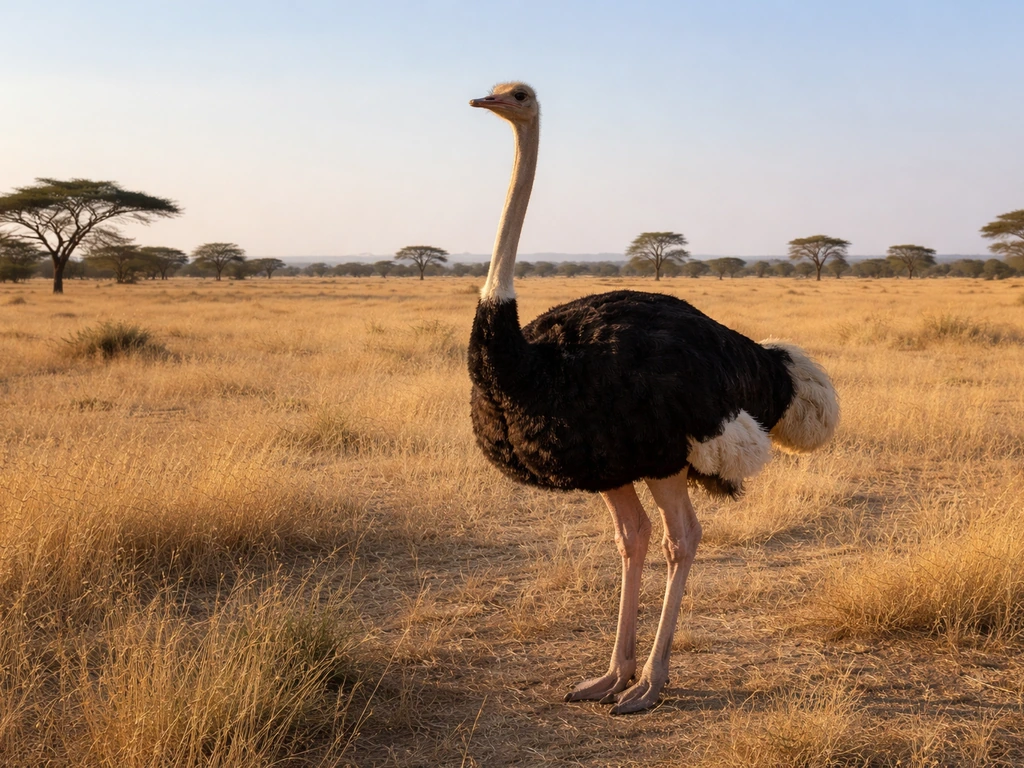
Ostrich National Bird: Which Country Chooses It
Find which country uses the ostrich as its national bird, with history, symbolism, and how to verify the claim.