
The official bird of Jammu and Kashmir is the Kalij Pheasant (Lophura leucomelanos). It was formally declared the bird of the Union Territory of J&K on October 20-21, 2021, through Government Order No. 111-JK(FST) of 2021, issued by the Department of Forest, Ecology and Environment after approval from the Lieutenant Governor.
What Is the National Bird of Jammu and Kashmir?

Marcus Chen
12 Jun 2026
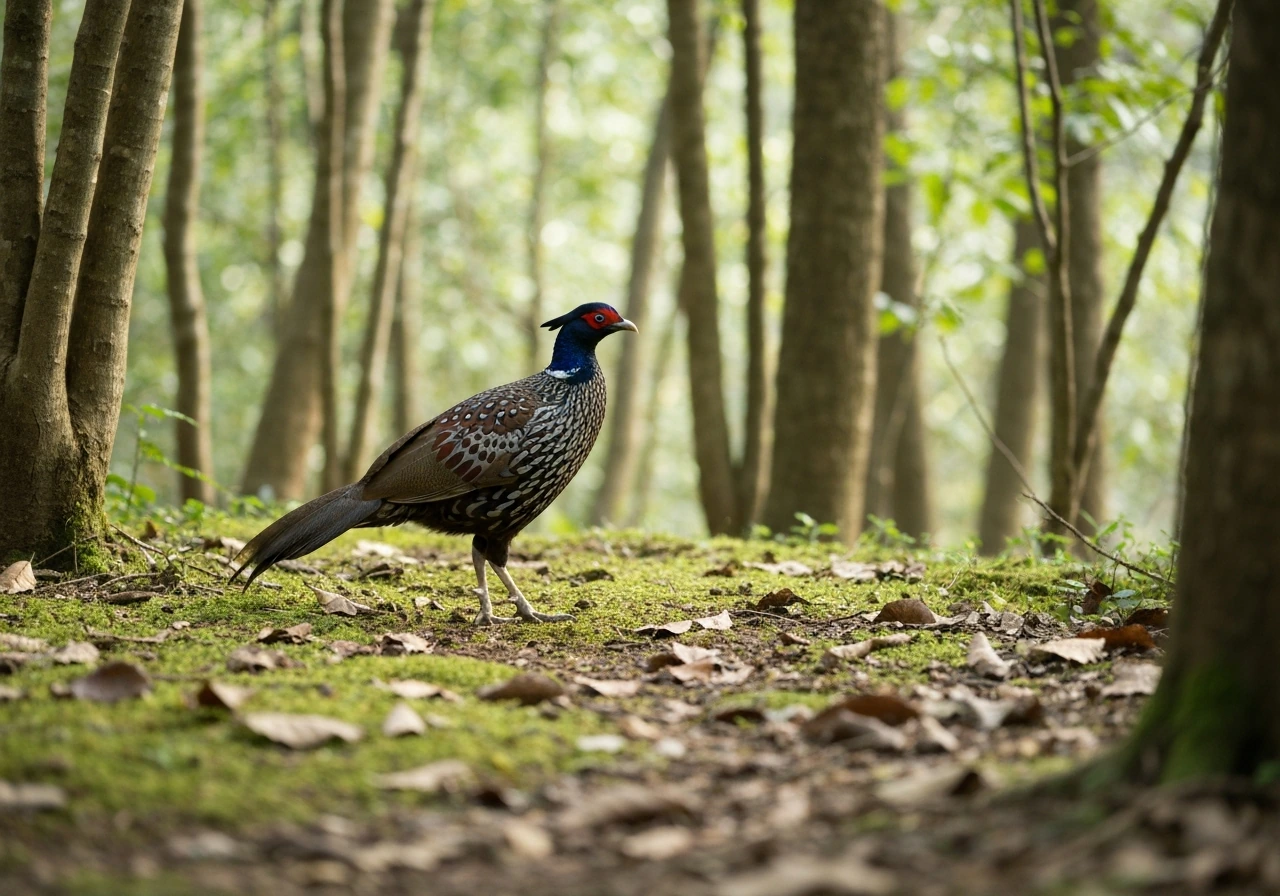
What 'national bird' actually means in the J&K context
This is where things get a little technical, so it's worth clearing up. India has one true national bird at the country level: the Indian Peacock (Pavo cristatus), recognised across all of India's national identity elements. What Jammu and Kashmir has is a separate, region-level designation: the 'bird of the Union Territory.' That's the official language used in the government order itself. So when people search for the 'national bird of Jammu and Kashmir,' they're really looking for this UT-level symbol, not a second national bird sitting alongside the peacock.
India's states and union territories have long maintained their own state/UT animals, birds, trees, and flowers independently of national symbols. J&K's UT bird follows that same tradition. It's locally significant but operates in a different category from India's peacock designation. Keeping that distinction clear saves a lot of confusion.
The official order and where it's documented
The controlling document is Government Order No. 111-JK(FST) of 2021, dated October 20, 2021, signed by Sanjeev Verma, IAS, Commissioner/Secretary to the Government of Jammu and Kashmir. The exact wording in the order reads: 'sanction is hereby accorded to declaration of Kalij Pheasant (Lophura leucomelantos) as bird of the Union Territory of J&K.' It also notes that this order is issued 'In partial modification to Government Order No. 135-FST of 1987 dated 11-05-1987,' which was the earlier order governing the previous state bird.
If you ever need to verify this for a school project, exam, or reference material, that order number is your anchor. Look for 'Government Order No. 111-JK(FST) of 2021' from the Forest, Ecology and Environment Department of J&K, and you'll find the Kalij Pheasant designation confirmed in black and white. The 1987 order it modifies is also worth knowing, since older reference lists may still carry information from that earlier document.
The symbolism and meaning behind the Kalij Pheasant
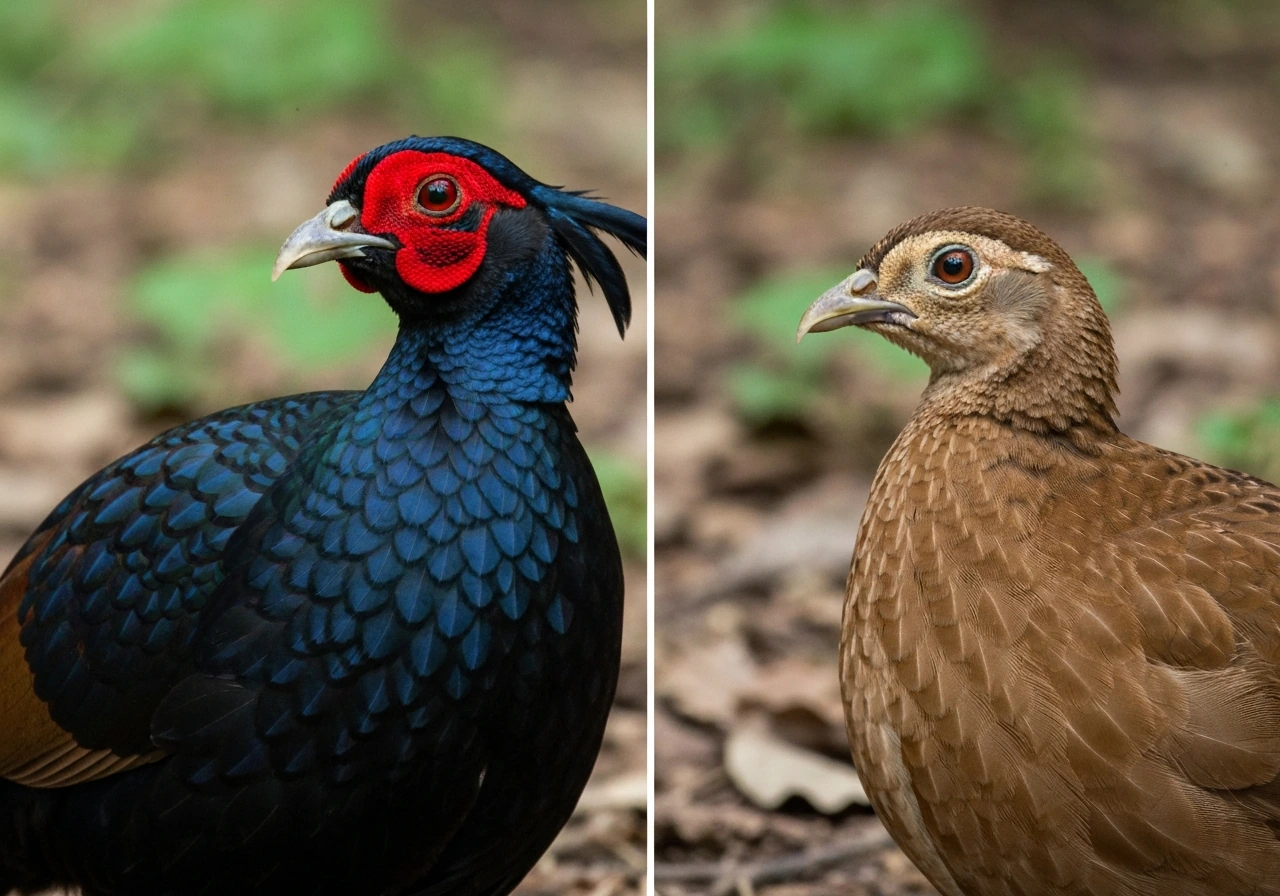
The Kalij Pheasant is a striking bird: the male has glossy blue-black plumage with a deep red facial patch and a distinctive white rump, while the female is a more subdued brown. It belongs to the pheasant family (Phasianidae), and its scientific name Lophura leucomelanos translates loosely to 'crested black-and-white,' reflecting its contrasting colouring.
Symbolically, the Kalij Pheasant represents the forested landscape and wildlife heritage of the Jammu region. It is widely found in areas like Mansar, Surinsar, Jasrota, and Bhaderwah, making it genuinely representative of the territory's natural environment rather than just a borrowed or aspirational choice. Selecting a bird that people in J&K can actually encounter in local forests gives the designation a grounded, meaningful quality. If you are also curious about Pakistan’s national bird, you can look at why the chakor was chosen and what it symbolizes there why chakor is national bird of pakistan.
Why the Kalij Pheasant was chosen
The government's reasoning for the switch came down to two practical realities. First, the previous state bird, the Black-necked Crane, is found almost exclusively in the Ladakh region. After J&K was bifurcated into two union territories (J&K and Ladakh) in 2019, it made little geographical sense for J&K to retain a bird that doesn't naturally inhabit much of its territory. Ladakh, which has its own administration, logically kept the Black-necked Crane as its symbol.
Second, the order explicitly cited conservation necessity, specifically 'the necessity of protecting the bird from hunting.' Giving a species official UT bird status raises its conservation profile, makes it easier to enforce protections, and brings public attention to the need to safeguard it. It's a practical conservation tool as much as a ceremonial designation.
It's also worth noting that the Hangul (Kashmir Stag) was retained as the UT animal of J&K, so the Kalij Pheasant fills the bird category in J&K's set of official UT symbols. The two designations work alongside each other.
Quick facts about the Kalij Pheasant
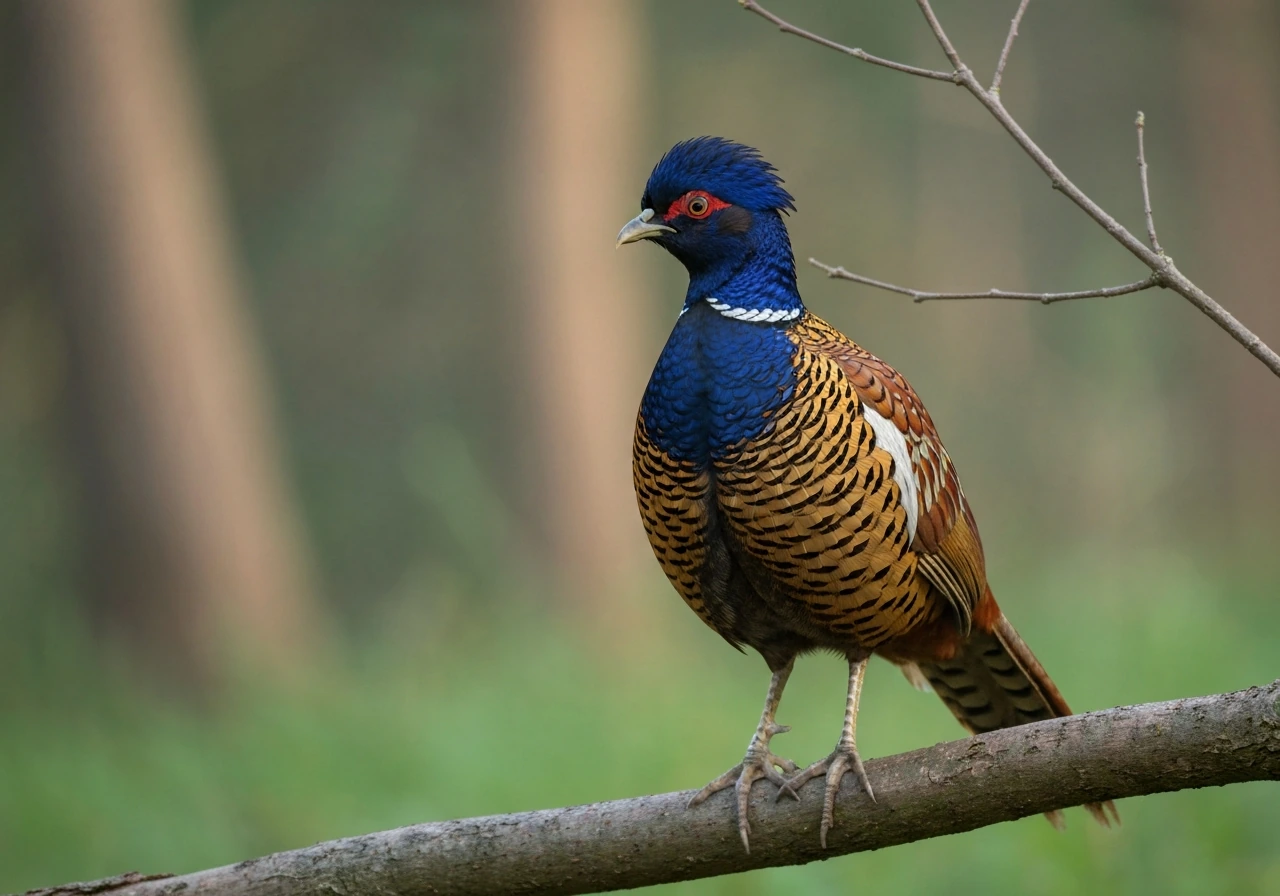
| Detail | Information |
|---|---|
| Common name | Kalij Pheasant |
| Scientific name | Lophura leucomelanos |
| Family | Phasianidae (pheasants and partridges) |
| Official status | Bird of the Union Territory of Jammu and Kashmir |
| Order number | Government Order No. 111-JK(FST) of 2021 |
| Date of declaration | October 20–21, 2021 |
| Issuing department | Department of Forest, Ecology and Environment, J&K |
| Key locations in J&K | Mansar, Surinsar, Jasrota, Bhaderwah |
| Selection reason | Local presence in J&K; conservation from hunting |
Common mix-ups and how to avoid them
A few birds frequently get tangled up with J&K in online searches and older reference lists. This concept can differ by country, and Bangladesh has its own official national bird as well. Here's how to keep them straight.
- Indian Peacock (Pavo cristatus): This is India's national bird at the country level, not J&K's regional symbol. If a source says the peacock is the 'national bird of Jammu and Kashmir,' it's either conflating national and UT-level categories or simply incorrect.
- Black-necked Crane (Grus nigricollis): This was the state bird of the erstwhile (pre-2019) state of Jammu and Kashmir. After bifurcation, Ladakh kept it as its own symbol. Old lists and textbooks may still show the Black-necked Crane under J&K, so always check whether the reference predates October 2021.
- Chakor (Chukar Partridge): The Chakor is the national bird of Pakistan, not J&K. Because Pakistan and the J&K region are geographically linked in many readers' minds, this confusion pops up occasionally.
- Indian Peacock again, but for a different reason: Some sources list J&K without a separate UT bird and default to the Indian peacock under 'national symbols applicable to all of India.' That's technically not wrong in the broadest sense, but it misses the specific UT-level designation that J&K now has.
The cleanest way to avoid these mix-ups is to check the date and the level of designation. If a source was written before 2021, it may reflect the old state bird. If a source is talking about India's national bird (country level), it's talking about the peacock. If you’re wondering how to draw the national bird, you’ll typically be drawing the peacock used as India’s country-level symbol. The Kalij Pheasant is the correct, current answer specifically for the Union Territory of Jammu and Kashmir. Reporting on the administrative split notes that the blank" rel="noopener noreferrer">erstwhile J&K state bird was the black-necked crane, which is why older J&K lists may still show it even though the current UT designation is different.
How to verify this for yourself
- Search for 'Government Order No. 111-JK(FST) of 2021' from the J&K Forest, Ecology and Environment Department. This is the primary source and takes precedence over any secondary list or webpage.
- If you find a source claiming the Black-necked Crane is the J&K bird, check whether it predates October 2021. That designation applied to the erstwhile state of J&K before bifurcation.
- Cross-reference with the earlier 1987 order (Government Order No. 135-FST of 1987) if you're looking at older references, since that order was in force for several decades before being partially modified in 2021.
- For India's overall national bird (the peacock), the Know India portal (knowindia.india.gov.in) is the reliable official reference, but remember that's a country-level symbol, not a J&K-specific one.
How J&K fits into the broader regional picture
It's interesting to see how J&K's bird designation sits alongside its neighbours in the region. India's national bird, the peacock, is a country-wide symbol that applies broadly, while neighbouring states and territories maintain their own distinct emblems. If you also want to learn the national bird of Nepal, you can follow simple step-by-step drawing guides tailored for the Himalayan national bird. West Bengal, for example, has its own state bird.
If you’re specifically looking for what is the national bird of west bengal, it’s important to distinguish the national bird (country level) from the state bird used within West Bengal West Bengal has its own state bird. Pakistan's national bird, the Chakor, reflects a very different cultural and ecological tradition. If you're also wondering what is the national bird of Pakistan, it's commonly given as the Chakor. And Bangladesh has its own national bird story.
If you also wonder what is the national bird of bangladesh, that country's official choice is discussed separately. Each of these designations tells you something about the specific geography, culture, and history of that place, which is exactly what the Kalij Pheasant does for J&K: it points to the forests of the Jammu region and the conservation priorities of the territory's administration.
The Kalij Pheasant may not have the global fame of the peacock or the romantic imagery of the Black-necked Crane, but it's a well-chosen, locally grounded symbol with a clear official basis. If you need to draw the bird, focus on the male's blue-black plumage, the red facial patch, and the white rump for clear national-bird style details Kalij Pheasant. For anyone researching J&K's identity symbols, that 2021 government order is your definitive starting point.
FAQ
Is the Kalij Pheasant the national bird of Jammu and Kashmir, or is it only the Union Territory bird?
It is the official bird of the Union Territory of Jammu and Kashmir (a region-level symbol), not India’s country-level national bird. India’s national bird is the Indian peacock, while UT bird designations are handled separately by state and UT administrations.
Why do some websites list the Black-necked Crane as Jammu and Kashmir’s bird?
That usually comes from older references made before the 2021 change. The 2021 government order for Kalij Pheasant is issued as a modification to an earlier 1987 order, so outdated sources may still reflect the previous state-level bird.
If I need to cite the official source for a school or exam, what exactly should I mention?
Use Government Order No. 111-JK(FST) of 2021, from the Department of Forest, Ecology and Environment, Jammu and Kashmir. Mention that it declares the Kalij Pheasant as the bird of the Union Territory, and note it modifies the 1987 order.
Which bird should I use if the question says “national bird” but the context is Jammu and Kashmir?
Follow the context. If it is asking about Jammu and Kashmir’s official bird symbol, the answer is Kalij Pheasant. If it is asking about India’s national bird in general, the answer is the Indian peacock.
Are the “national bird of Jammu and Kashmir” and the “national bird of Ladakh” connected?
They are connected in the sense that the region was split into two union territories in 2019, but they are separate symbols. Jammu and Kashmir kept Kalij Pheasant as its UT bird, while Ladakh retained the Black-necked Crane.
Can the female and male Kalij Pheasant be confused in drawings or identification?
Yes, because their appearances differ. Males show glossy blue-black plumage with a red facial patch and a distinctive white rump, while females are more brown and less high-contrast, so drawing or describing the “standard bird” usually assumes the male look.
Where is the Kalij Pheasant found, so it feels like a true regional symbol?
It is reported from parts of the Jammu region such as Mansar, Surinsar, Jasrota, and Bhaderwah. This local presence is one reason it was considered more geographically appropriate than the previous choice tied mainly to Ladakh.
What is the conservation reason behind the change to Kalij Pheasant?
The order highlights the need to protect the bird from hunting. Giving it an official UT bird status helps raise attention and strengthens the practical case for protection and enforcement.
Next Articles
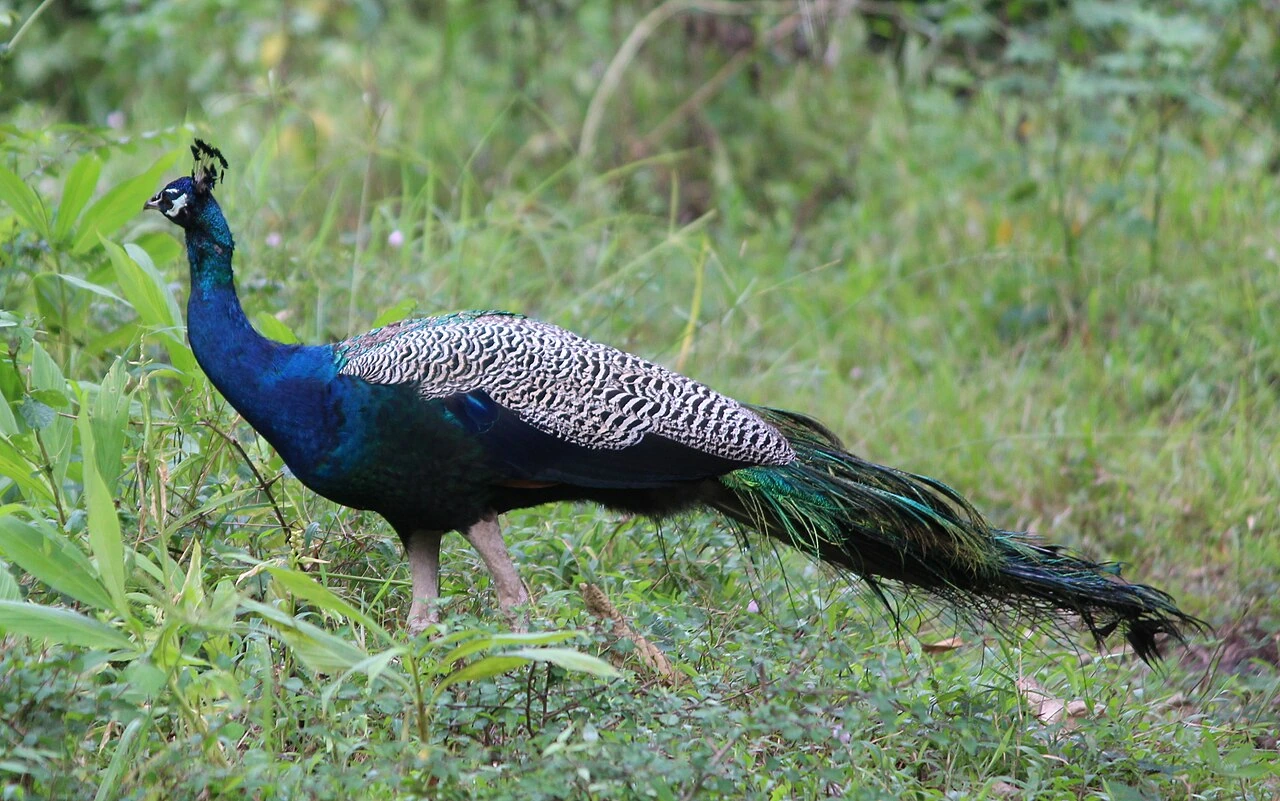
How to Draw India’s National Bird Peacock Step by Step
Learn how to draw India national bird peacock step by step with shape, feather details, tail fan pattern and shading tip
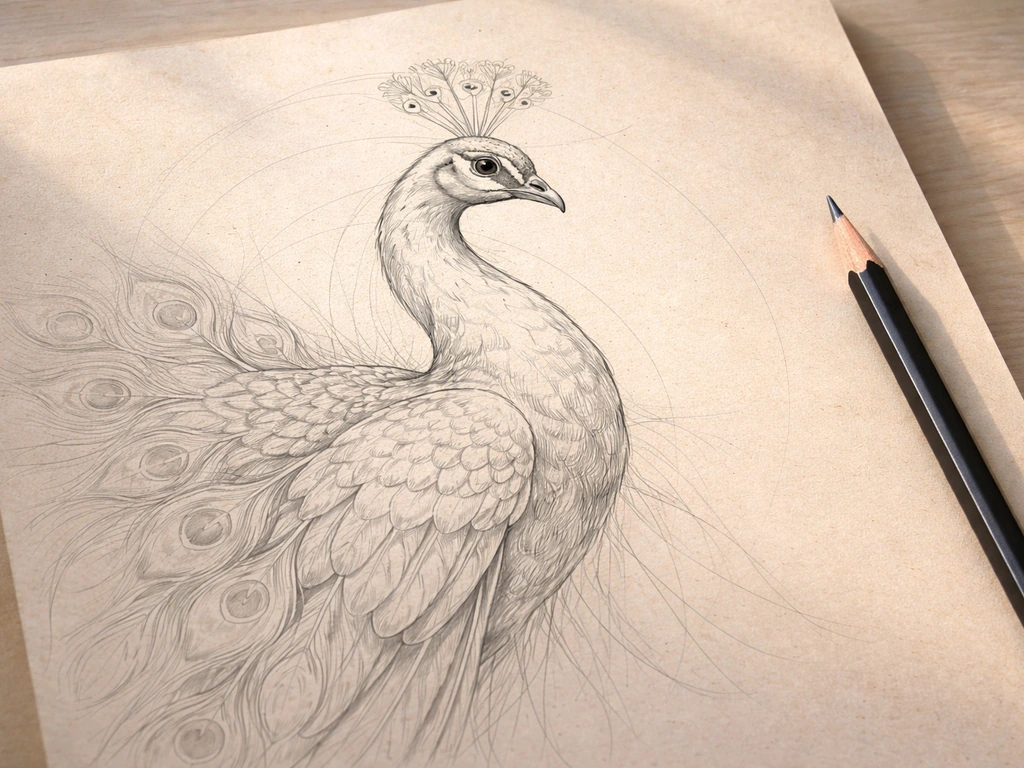
How to Draw a National Bird Step by Step for Beginners
Step-by-step guide to draw a national bird from reference, with key anatomy, clean outlines, shading tips, and symbolism
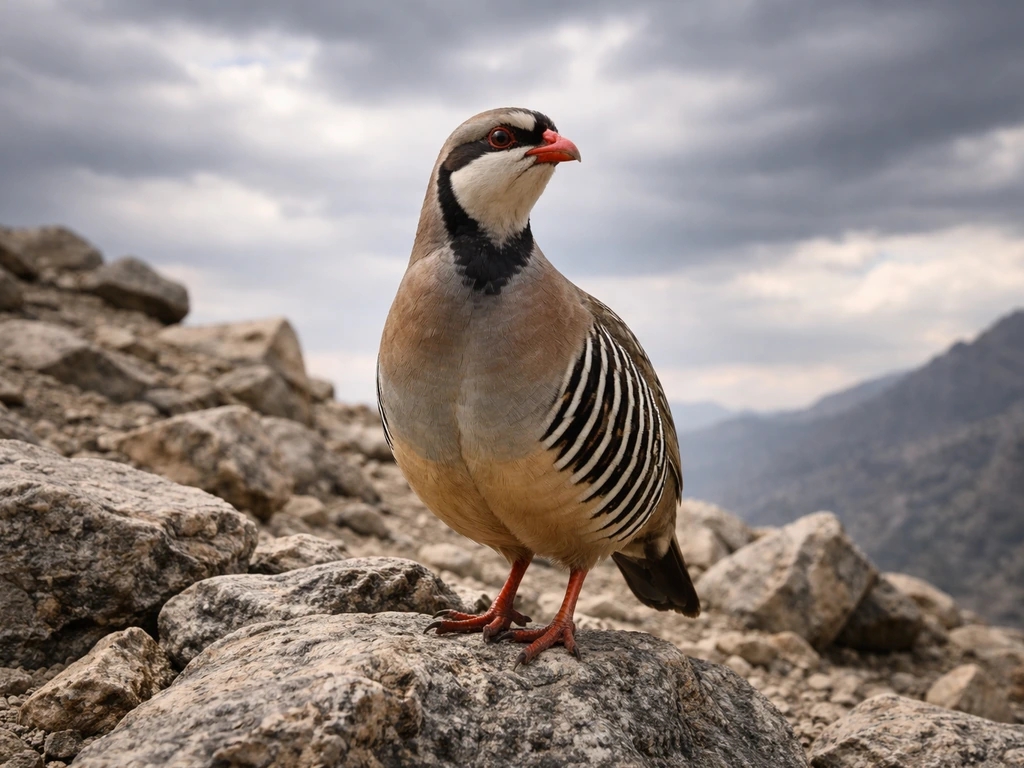
Why Chakor Is the National Bird of Pakistan
Learn why chakor became Pakistan’s national bird, with folklore symbolism, history, traits, and where to spot it.