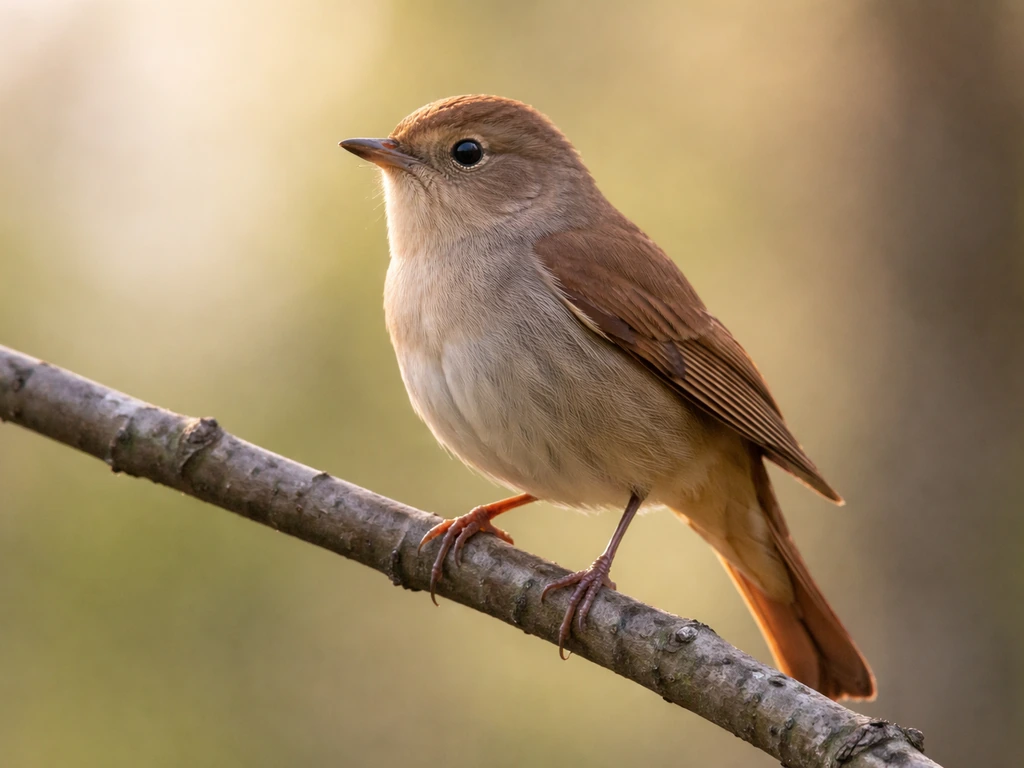
Iran's national bird is the nightingale, known in Persian as the bolbol (بلبل). Specifically, the species most commonly cited is the common nightingale (Luscinia megarhynchos), a small, brown songbird famous across the Middle East and Europe for its rich, melodic song. If you've seen this claim on a list or a school resource and wanted to verify it, this is the bird people are referring to. What is Italy's national bird? It's a separate country-specific symbol with its own official or widely accepted pick. For a quick comparison, the national bird of Albania is a different species entirely, and it also has its own cultural meaning.
What Is the National Bird of Iran? Facts, Meaning, History

Marcus Chen
4 Jun 2026
What Iran's national bird is officially called
The bird goes by several names depending on the language and context you're reading in. Knowing these variants helps when you're cross-referencing sources.
| Language / Context | Name |
|---|---|
| English (common name) | Nightingale / Common nightingale |
| Scientific name | Luscinia megarhynchos |
| Persian (Farsi) | Bolbol — بلبل |
| Persian (literary/poetic) | Hazār (هزار) or ʿandalīb (عندلیب) |
| Persian (descriptive epithets) | Morgh-e shabkhvan (night singer) / Morgh-e sahar (dawn bird) |
The word bolbol is the everyday Persian term and the one you'll encounter most often. Hazār and ʿandalīb are older literary variants used heavily in classical poetry. Encyclopaedia Iranica’s entry on bolbol and its related terms describes how these Persian literary names refer to the same singing bird associated with song, love, and the rose Hazār and ʿandalīb are older literary variants. If you're searching for the bird across different sources, any of these terms will lead you to the same bird.
The honest story about how it became a national symbol
Here's where things get a little nuanced. Iran has not published a single, dated government decree stating 'the nightingale is our national bird' the way some countries formally legislate their national symbols. What happened instead is that the nightingale accumulated such a deep cultural and literary presence over centuries that it became the de facto national bird through tradition rather than legislation.
The association runs centuries deep. From the Safavid dynasty (1501 to 1722) through the Qajar era (1785 to 1925), the 'rose and nightingale' motif, known in Persian as gol o bolbol, dominated decorative arts, tile work, textiles, and manuscripts. This wasn't just decoration; it was a visual shorthand for Iranian cultural identity. The bolbol paired with the rose became one of the most recognizable symbols in the Persian artistic tradition, alongside more explicitly political emblems.
So the selection wasn't a moment but a gradual recognition. Multiple reference compilations, wildlife databases, and educational resources eventually codified it as Iran's national bird, and that consensus is now widely repeated, including on sources like Wikipedia's 'National birds' list.
What the nightingale means in Iranian culture
The bolbol isn't just a pretty bird to Iranians. It carries a specific emotional and philosophical weight rooted in Persian poetry, particularly in the works of poets like Hafez, Rumi, and Attar. In this tradition, the nightingale represents the soul longing for the divine, or the lover pining for the beloved. The bird sings for the rose and cannot stop, even when it's painful, which became a metaphor for devotion, love, and the human search for beauty and truth.
This symbolism is deeply embedded in everyday Iranian cultural consciousness, not just in academic poetry circles. Phrases, proverbs, and even casual expressions in Persian draw on the bolbol's image. The bird's song is considered the ideal of musical beauty in Persian aesthetic tradition, making it a natural fit as a national symbol for a culture that places immense value on poetry, music, and artistic expression.
The gol o bolbol (rose and nightingale) pairing also carries layered meaning: the rose represents beauty, perfection, or the divine, while the nightingale represents the passionate seeker. Together, they capture a core tension in Persian philosophy: striving for something beautiful even when it's out of reach.
Facts about the bird that make it a good symbol
The common nightingale is a small bird, roughly 15 to 16 centimeters long, with unremarkable brown plumage. If you saw one perched quietly, you'd probably overlook it. But once it sings, that changes entirely. The nightingale has one of the most complex and powerful songs in the avian world, capable of producing over 200 different phrases and known for singing through the night, which is unusual among songbirds.
- Sings at night and at dawn, giving rise to its Persian names morgh-e shabkhvan (night singer) and morgh-e sahar (dawn bird)
- Found across Iran, Europe, and parts of the Middle East during breeding season, making it a genuinely local presence
- Migratory: spends winters in sub-Saharan Africa and returns to breed, adding a sense of seasonal anticipation to its arrival
- Male sings most intensely during breeding season, producing both loud, clear notes and softer, intimate phrases
- Despite plain coloring, it's been celebrated in literature across Persian, English, Arabic, and Greek traditions for centuries
The fact that the nightingale looks ordinary but sounds extraordinary aligns well with Persian poetic values, where inner beauty and hidden depth are prized over surface appearance. It's the kind of symbolism that makes intuitive sense once you understand the cultural context.
Where you'll see it represented in Iran
The bolbol doesn't appear on Iran's official state flag or coat of arms, which features the stylized emblem of the Islamic Republic. But that doesn't mean it's absent from national visual culture. The rose and nightingale motif appears extensively in traditional Persian decorative arts: on ceramics, carpets, miniature paintings, architectural tile work, and jewelry. These objects fill Iranian homes, museums, and bazaars.
In educational contexts, the bolbol is commonly introduced to Iranian schoolchildren through classical poetry. Because Persian literature is a core part of the school curriculum, students encounter Hafez and other poets at an early age, and the nightingale comes with that territory. It's less a formal national education about 'this is our national bird' and more an organic cultural immersion.
You'll also find the nightingale referenced in Iranian music, both classical Persian music and more modern forms, where composers and vocalists draw on the bolbol's song as a model of vocal beauty. The bird's reputation as the ideal singer has made it a touchstone for musicians and critics alike.
Clearing up the confusion you'll run into online
Searching for Iran's national bird will turn up some conflicting information, and it's worth knowing why so you can evaluate what you're reading. The national bird of Hungary is the common kestrel, often cited as a national symbol in popular references. If you're looking for the same kind of answer for another country, you might also ask what is the national bird of romania.
The Simurgh, Huma, and Shahbaz confusion
Iran has several famous mythological birds that show up in Persian literature and symbolism. The Simurgh is a legendary giant bird of Iranian mythology, associated with wisdom and the divine. The Huma is another mythical bird, considered an omen of good fortune, sometimes compared to a phoenix. The Shahbaz (royal falcon or white falcon) appears in Persian poetry as a symbol of nobility and royalty.
None of these are the national bird. They are mythological or symbolic figures within Persian cultural tradition, not the actual species designated as Iran's national bird. Wikipedia's "National symbols of Iran" page lays out the broader national symbolism framework and helps explain how mythological bird motifs like [Simurgh, Huma, and Shahbaz](https://en. wikipedia.
org/wiki/Nationalsymbolsof_Iran) can get mistaken for "national bird" claims. Some websites conflate these, but the distinction matters.
Is the nightingale designation official or unofficial?
This is a fair question. The nightingale is widely cited as Iran's national bird across reference databases, wildlife resources, and educational sites, but the designation comes from cultural consensus and long-standing tradition rather than a traceable government proclamation. That's actually not unusual globally; some countries have never formally legislated their national bird either. The designation is well-supported and consistently cited, but if someone asks you for a government decree with a date on it, you won't find one easily.
Common nightingale vs. thrush nightingale
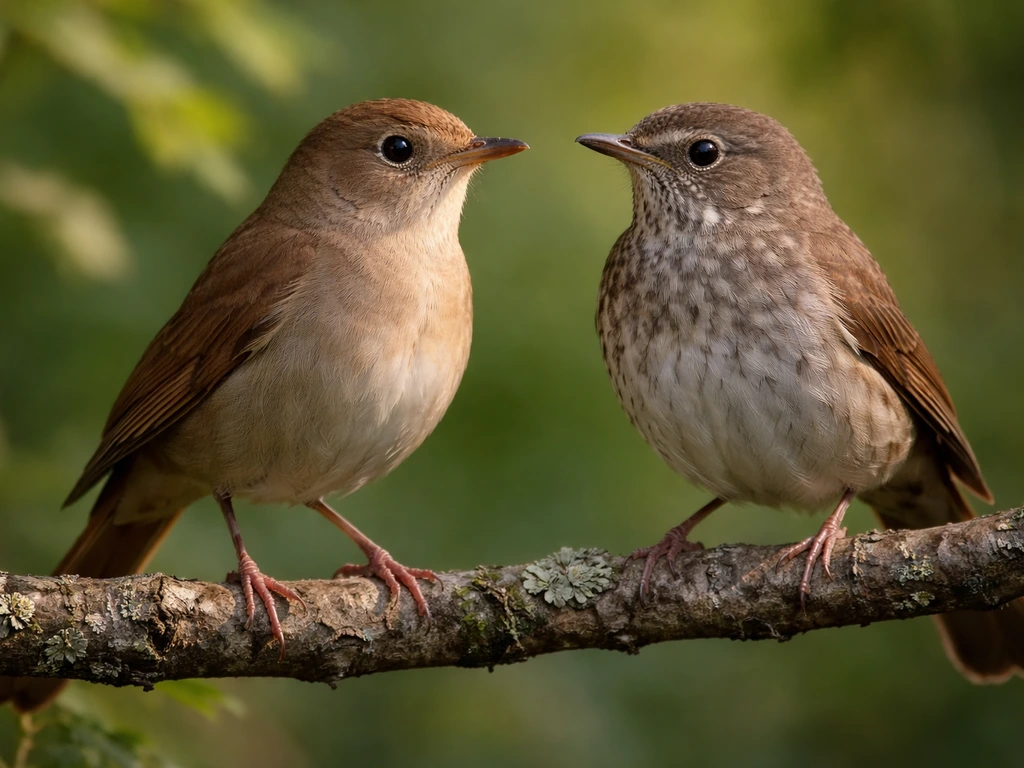
There are two nightingale species in the region: the common nightingale (Luscinia megarhynchos) and the thrush nightingale (Luscinia luscinia). The common nightingale is the one consistently cited as Iran's national bird. Both are similar in appearance, but the common nightingale has a slightly warmer, more rufous (reddish-brown) tone in its plumage. When you see lists that include the scientific name, look for Luscinia megarhynchos to confirm you're referencing the right species.
How to verify this across different sources
If you want to do your own verification or need this for a research project, here's a practical approach. Search for 'bolbol Iran national bird' alongside 'Luscinia megarhynchos' to find sources that use the scientific name, which is a good sign of specificity. Cross-reference with the Encyclopaedia Iranica's entries on 'BOLBOL' and 'GOL O BOLBOL' for the cultural and literary history.
For a quick comparative check, Iran's nightingale sits in the same symbolic tradition as other countries in the region that have chosen birds with rich cultural meaning rather than purely ecological reasoning, similar to how several European countries chose their national birds based on folklore or literary association rather than a formal government act. The nightingale is often described as the national bird of Iran, though the designation is based on cultural consensus rather than a specific government decree Iran's nightingale.
You can use the same approach to answer why is the Italian sparrow the national bird of Italy by checking credible references and the historical context behind the designation.
If you're interested in how nearby countries approach the same question, the national birds of Turkey and Greece also come with layered historical and cultural contexts worth exploring, and there's a similar pattern across the Mediterranean and Middle East of birds carrying deep symbolic weight beyond their ecological role. If you're curious how this compares outside the Middle East, you can also look up what is the national bird of austria. If you're specifically wondering what Greece chose, look up the national bird of Greece for the official answer and common sources national birds of Turkey and Greece. If you're also curious about Turkey's national bird, you can look for the official and commonly cited answer used in reliable country references national birds of Turkey.
FAQ
If I see different nightingale species mentioned, which one is actually the national bird of Iran?
When people cite “the national bird of Iran,” they almost always mean the common nightingale (Luscinia megarhynchos), not a related nightingale species or a purely mythical bird like Simurgh. If a source lists a different Luscinia species, treat it as a classification difference, not as a different national symbol.
Is Iran’s national bird officially declared by a government decree, and where can I find the document?
Iran’s “national bird” label is typically a cultural designation rather than an official law with a specific publication date. If you need something that behaves like an official decree, you may have to rely on reputable reference compilations and established educational usage instead of expecting a single government document.
Why do some sources use different Persian names for the national bird of Iran?
Yes, the name you see can change by language and transcription. In Persian it is bolbol (بلبل) for the common everyday reference, while older literary terms like hazār and ʿandalīb can appear in poetry or scholarly discussions, even though they refer to the same bird.
What’s the fastest way to verify that a source is talking about Iran’s national bird, not a mythological bird?
If you are trying to confirm a claim for research, use the scientific name as a quick filter (Luscinia megarhynchos for the common nightingale). Then verify that the cultural framing (rose and nightingale, bolbol in classical literature) matches, since some low-quality sites mix up the national bird with mythological birds.
If the bird is the national bird, why doesn’t it appear on Iran’s flag or coat of arms?
The bolbol is not a prominent element on Iran’s state flag or the Islamic Republic’s coat-of-arms, but the symbolism shows up widely in traditional decorative arts such as ceramics, carpets, tile work, and miniature paintings. So “national bird” here is expressed more through cultural motifs than through formal state insignia.
How do Iranians encounter the bolbol symbol in daily life or education?
In everyday usage, people connect the bird to Persian poetry and music rather than treating it like an official biology curriculum. You’ll see it referenced in proverbs, phrases, and school exposure through classical texts, which is why many “citations” feel indirect or cultural rather than legislative.
Is the rose-and-nightingale (gol o bolbol) meaning tied to the national bird specifically, or is it just decorative symbolism?
The “rose and nightingale” pairing (gol o bolbol) is usually presented as a combined cultural emblem, where the rose represents beauty or the divine and the nightingale represents yearning or passionate seeking. If a source mentions only a rose motif without the nightingale, it may be describing a related but not complete tradition.
What mythological birds are often confused with Iran’s national bird, and how are they different?
A common confusion is mixing the national bird with famous Iranian mythical birds such as Simurgh, Huma, or Shahbaz. Those figures belong to literature, omens, or royalty symbolism, but they are not the species most references identify as the national bird.
Next Articles
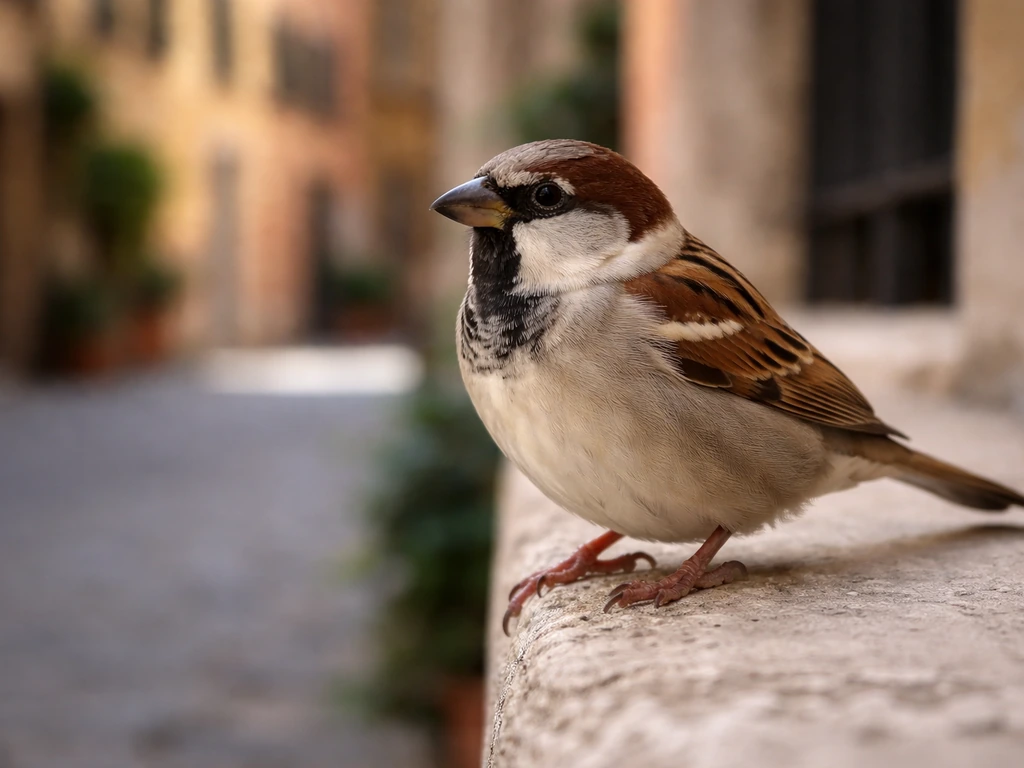
Why Is the Italian Sparrow the National Bird of Italy?
Learn why the Italian sparrow symbolizes Italy, which species is meant, its history, and how to verify the national bird
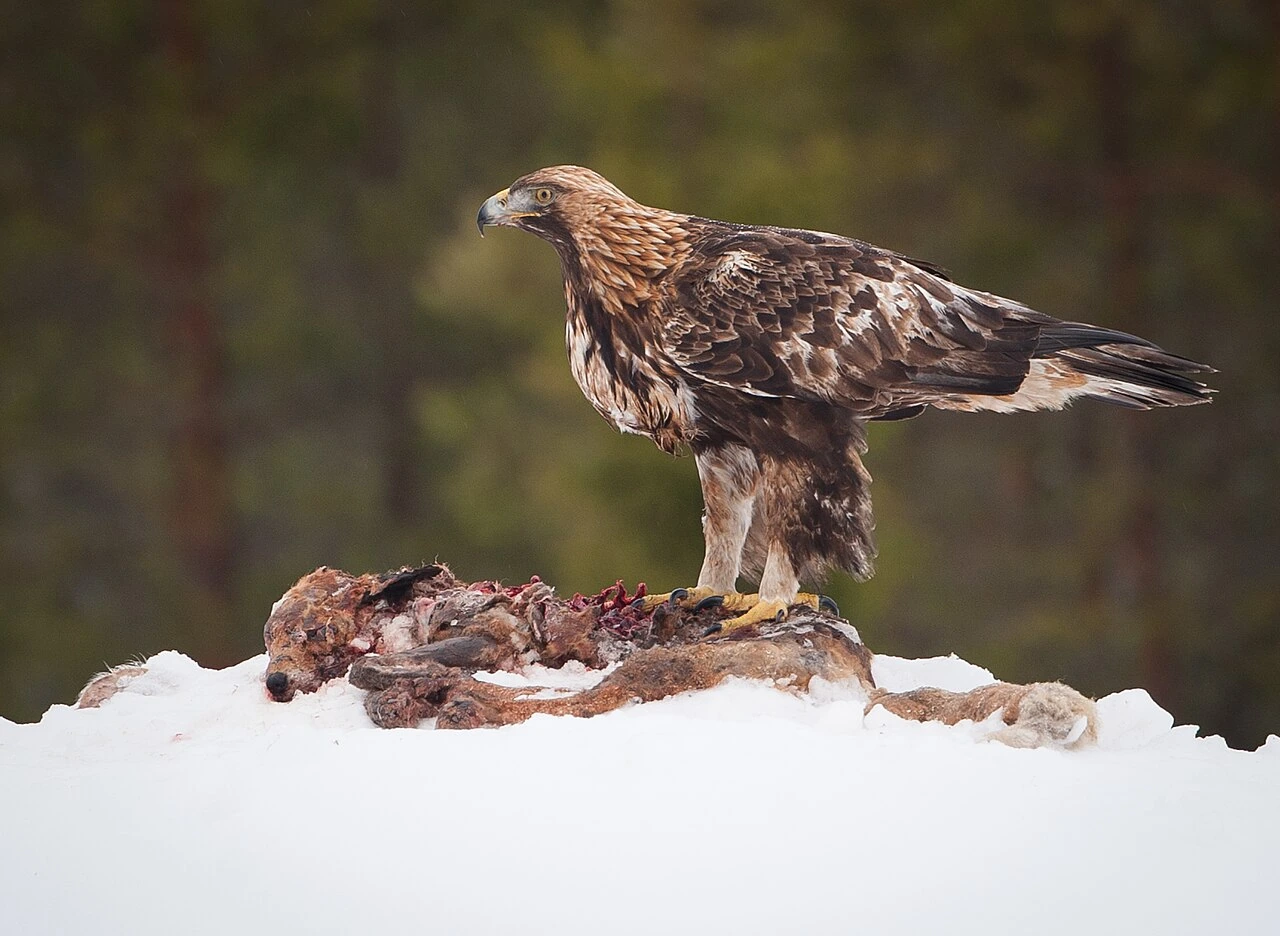
What Is the National Bird of Albania? Meaning and Facts
Find Albania’s national bird, the eagle, plus its symbolism, history, and how to recognize it in the wild.
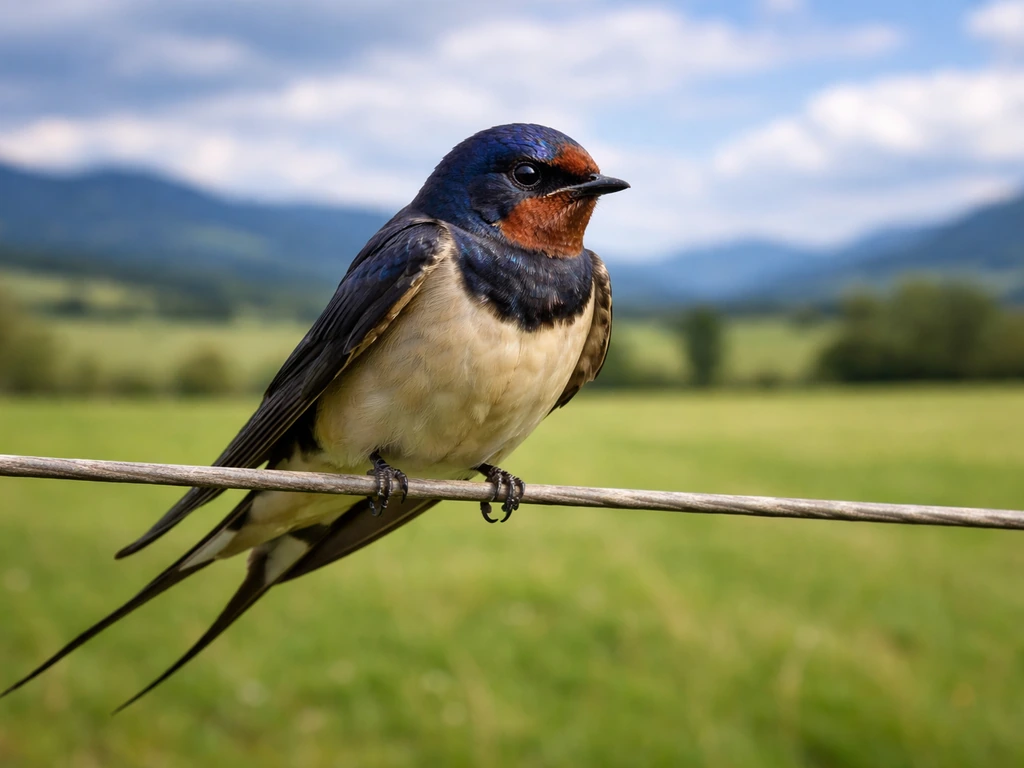
What Is the National Bird of Austria? Answer and Meaning
Find Austria’s national bird, plus history, symbolism, and a quick ID guide to spot it in the wild.